Wedoany.com Report on Jan 31st, Research published in the Proceedings of the National Academy of Sciences by Rutgers University indicates that the photosynthetic capacity of marine phytoplankton is significantly influenced by iron. These microscopic marine algae produce approximately half of the oxygen humans breathe through photosynthesis, and iron, as a key micronutrient, plays a decisive role in this process.
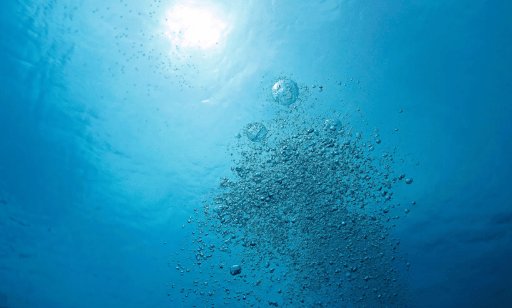
Marine phytoplankton form the foundation of the marine ecosystem, relying on iron inputs from sources like desert dust and glacial meltwater for growth and metabolism. Professor Paul G. Falkowski, a co-author of the study, noted: "Our research found that in vast oceanic regions, iron is the key factor limiting phytoplankton's ability to produce oxygen." When iron supply is insufficient, photosynthetic efficiency significantly declines. This not only affects oxygen production but also weakens the ocean's capacity to absorb carbon dioxide.
Climate change is altering ocean circulation patterns, potentially reducing the delivery of iron to the ocean. While this may not directly impact human respiration, it will have cascading effects on marine ecosystems. Falkowski explained: "Phytoplankton are the primary food source for krill, which in turn support a variety of marine life in the Antarctic region, including penguins, seals, and whales. A decline in iron levels would destabilize the base of the food chain, subsequently affecting the populations of these organisms."
To better understand this process, researchers conducted a 37-day field expedition in the South Atlantic and Southern Oceans. Using specialized fluorometers, they directly measured the energy conversion efficiency of phytoplankton under natural conditions. The results showed that during iron scarcity, up to 25% of the light-harvesting proteins become disconnected from the energy conversion structures, leading to significant energy wastage as fluorescence. When iron supply is restored, these systems can reconnect, improving energy utilization efficiency.
This study is the first to directly verify the regulatory mechanism of iron on marine phytoplankton photosynthesis in the open ocean. A deeper understanding of how iron influences photosynthesis at the molecular level will aid in more accurately predicting changes in ocean productivity and the evolution of the global carbon cycle, providing a scientific basis for addressing climate change.