BNI Advances Mangrove Restoration in Banyuwangi to Support Coastal Ecology and Community Development
Wedoany.com Report-Jan 31st, By the end of 2025, Bank Negara Indonesia (BNI) has provided an update on the progress of its mangrove restoration project in Bangsring Bay, Banyuwangi, East Java. Through this initiative, the bank demonstrates its commitment to restoring coastal ecosystems and enhancing the economic resilience of local communities.
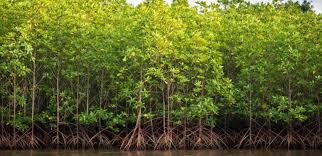
As a key component of BNI's Corporate Social Responsibility program, this mangrove restoration project commenced in August 2024 and is scheduled to run until August 2027. The project employs an integrated implementation approach, including establishing nurseries, conducting planting activities, and performing long-term maintenance. BNI Corporate Secretary Okki Rushartomo stated, "This initiative is dedicated to achieving long-term environmental benefits and socio-economic value."
The restoration work primarily targets areas where mangrove vegetation has declined due to coastal erosion, land use changes, and illegal logging. By applying the shared value concept, BNI combines ecological restoration with community development, supporting Indonesia's efforts towards the Sustainable Development Goals, particularly those related to climate action, marine ecology, and terrestrial conservation.
Local communities play a central role in the project. BNI collaborates with the local monitoring organization Baret, actively involving women and youth to ensure the ongoing care of the restored mangroves. From an environmental perspective, the regeneration of mangroves in Bangsring Bay helps mitigate coastal erosion, improve water quality, and provide habitats for marine life and migratory birds. Furthermore, mangroves serve as natural carbon sinks, offering support in the fight against climate change.
In addition to ecological restoration, BNI promotes economic empowerment through three measures: developing mangrove-themed educational tourism, strengthening nursery operations as a supplementary income source, and improving infrastructure to invigorate the local economy. To enhance community capacity, the bank has organized training sessions on mangrove cultivation, resource conservation, and tourism management. These activities aim to raise environmental awareness, strengthen community bonds, and create new opportunities based on ecological conservation.
BNI reaffirms its commitment to continuing sustainable practices that deliver tangible benefits for both the environment and society. The mangrove restoration project in Banyuwangi is part of the bank's broader contribution aimed at enhancing the resilience of coastal ecosystems and promoting sustainable local economic development.
Related Products



80kW Megawatt Supercharging Module TH80F10030C9
Shijiazhuang Tonhe Electronics Technologies Co., Ltd.
Hydrogen production and hydrogenation charging refueling gas integrated energy station
Shenzhen Kohodo Hydrogen Energy Co., Ltd.


VEG-12/24/40.5 Series Vacuum Circuit Breaker
SHANGHAI PINGGAO TIANLING SWITCHGEAR CO., LTD.