Galileo Navigation System PRS Signal Authentication Expected to Complete Soon; German Aerospace Center Prepares Global Interference Service
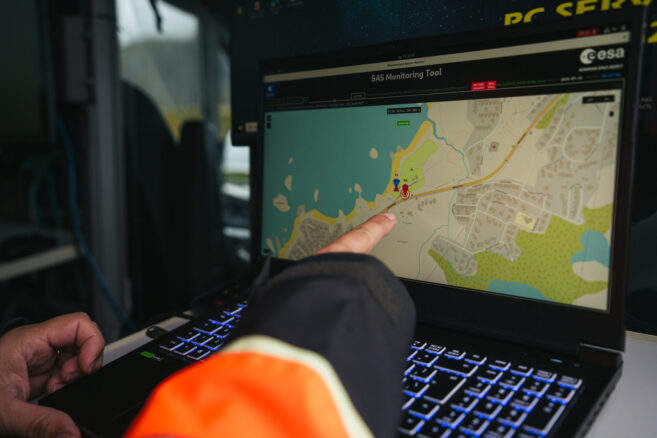
Wedoany.com Report on Feb 6th, As one of the core capabilities of Europe's autonomous and controllable global satellite navigation system, the Public Regulated Service (PRS) signal of the Galileo system is expected to complete its final security certification in the near future. This signal is specifically designed for government and military users, employing high-strength encryption and featuring security characteristics such as anti-jamming and anti-spoofing, aiming to provide highly reliable and controlled positioning, navigation, and timing services. However, despite the Galileo system having been fully operational for over a decade, the PRS signal has not yet been officially put into practical use due to complex security approval processes and technical coordination issues.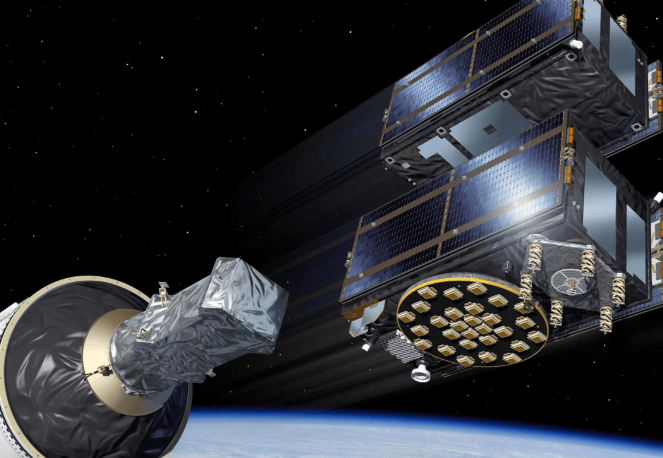
This prolonged delay has attracted attention at the European policy level. The European Commission was recently questioned by several Members of the European Parliament regarding the failure to deploy the PRS service as expected. At the 18th European Space Conference held in Brussels on January 27, Thierry Breton, the European Commissioner for Internal Market and Industry from France, publicly explained the situation, stating: "PRS is still awaiting final authorization from European security agencies." This statement reflects that, although technically mature, the activation of PRS still requires cross-agency security approvals, putting certain political and administrative pressure on the European Commission in advancing the system's full-scale application.
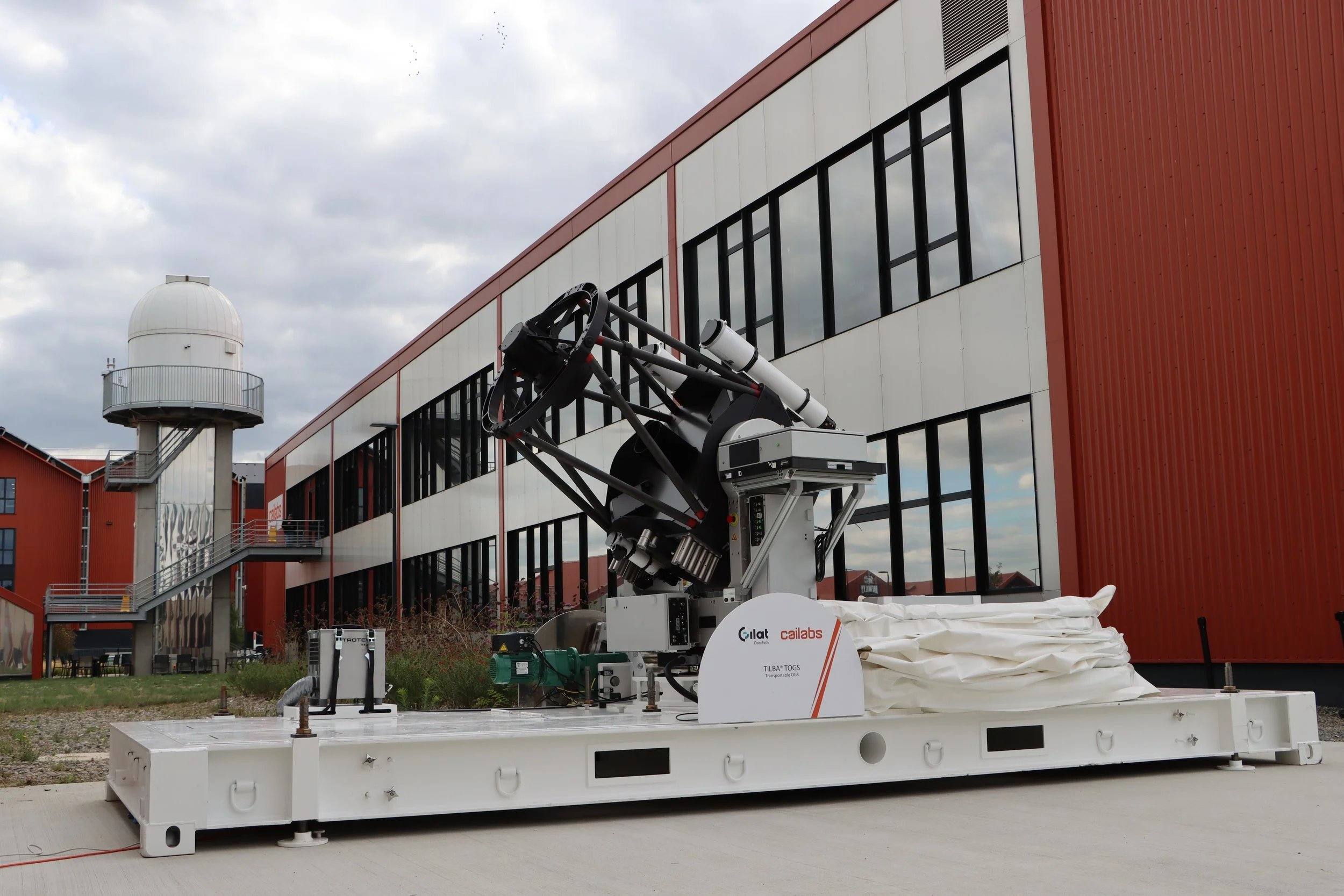
Notably, while PRS certification progresses, related support services are also being developed in parallel. The German Aerospace Center (DLR) is currently actively preparing a global Galileo and GPS interference monitoring and mitigation service. This service aims to systematically identify, analyze, and respond to interference events that could affect satellite navigation signals, thereby enhancing the overall system's robustness in complex electromagnetic environments. This initiative indicates that Europe is not only promoting the application of high-security signals like PRS but also simultaneously strengthening the overall resilience and security assurance capabilities of its navigation system.
The final certification and activation of the PRS signal will significantly enhance the application value of the Galileo system in areas such as national security, critical infrastructure, and military operations, further consolidating Europe's strategic technological autonomy. Meanwhile, the interference mitigation service promoted by the German Aerospace Center provides crucial technical support for Galileo and other global navigation satellite systems from a system protection perspective. These two developments complement each other, jointly driving the Galileo system towards a safer, more reliable, and more autonomous direction, and also signaling a new round of capability deepening and security enhancement in the global satellite navigation landscape.
Related Products


Multi-function Marine Monitoring Low-altitude Detection Radar Sea-air Boundary Ocean Dynamic Environment Measurement
Chengdu Dixin Technology Co., Ltd.
Industrial and Commercial Point-Type Gas Detector
Jinan Benan Technology Development Co., Ltd.
G.652.D Wavelength-extended Non-dispersion Shifted Single-mode Optical Fiber
HONGAN GROUP CO., LTD.




One-Stop Steward Service for the Entire Logistics System Integration Chain
Zhongding Intelligent (Wuxi) Technology Co., Ltd.
Hot Selling 10 Inch Intel N5100 I5 I7 FHD 8 +128GB 16+256GB Win10 Pro Win11 Pro 4G 5G Rugged Tablet PC Pad with NFC Barcode
Highton Electronics Co., Ltd.
KJD127(A) Mining Explosion-Proof and Intrinsically Safe Computer
Taiyuan Xiangming Intelligent Control Technology Co., Ltd.
20 Inch 1600*900 Full HD 60Hz TFT LED Monitor with VGA and DP Interfaces for Desktop Computers-Business Use
Guangzhou Zanying Optoelectronics Technology Co., Ltd.