UAE Logistics Market Faces Significant Space Shortage Trend in 2026, Rental Divergence Intensifies
Wedoany.com Report on Feb 10th, all key sub-markets in the UAE's industrial and logistics market maintained high occupancy rates and rising rents in 2025. Strong economic fundamentals have driven the expansion of local businesses and attracted a large number of overseas tenants and operators, particularly participants from Mainland China. Robust investor demand for related assets has also supported overall transaction activity.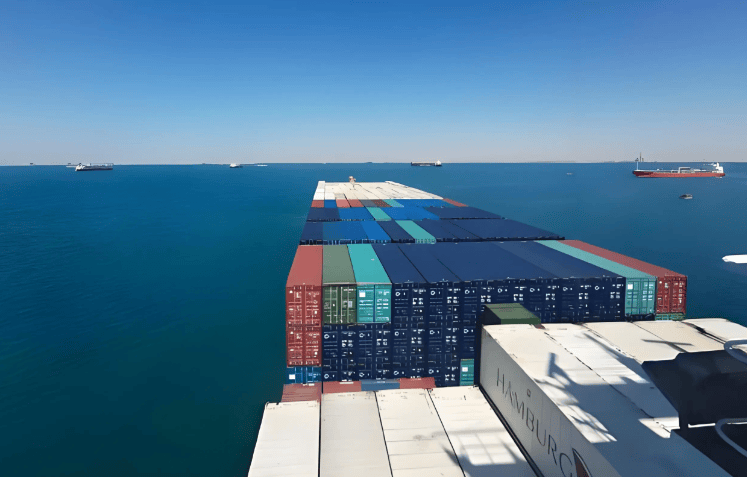
Faisal Durrani, Partner & Head of Research for Middle East & North Africa at Knight Frank, noted: "Investor demand remains stable, and the intensifying competition for institutional-grade properties has compressed prime yields below 8%. This helps support capital values, even as rental growth may slow in some markets." He added: "Looking ahead to 2026, new supply may widen the rental gap between older facilities and modern, high-specification properties. Grade A asset rents are still expected to have room for slight increases, while Grade B assets may enter a phase of stabilization or moderate adjustment."
In Dubai, logistics market rents continued to climb in 2025. Al Quoz, with its central location and strong demand, became the most expensive sub-market, with rents reaching AED 100 per square foot. Dubai Industrial City recorded the highest annual growth rate at 32%, with rents rising to AED 58 per square foot. Dubai South and Jebel Ali Free Zone (JAFZA) also saw growth of 25% and approximately 22%, respectively. Maxim Talmatchi, Partner & Head of Industrial & Logistics for Middle East at Knight Frank, stated: "JAFZA still holds potential. Its proximity to Jebel Ali Port and its appeal to multinational tenants suggest there is further room for rental growth."
In 2025, new demand was primarily led by logistics, manufacturing, and industrial tenants, each accounting for 21%, highlighting Dubai's position as a global trade hub. Retailers, traders, and tech-oriented tenants also contributed significantly to demand. In terms of size, medium-sized warehouses (10,000-50,000 square feet) were the most sought-after, accounting for 58.1% of demand.
Rental growth in the Abu Dhabi market was relatively moderate, forming a clear hierarchy based on location, quality, and transport accessibility. Abu Dhabi Airports Free Zone had the highest average rent at AED 625 per square meter. Talmatchi believes: "The Abu Dhabi market is likely to remain broadly stable in 2026, with demand concentrated in the ICAD and KEZAD clusters. High occupancy rates for quality assets will be supported by steady demand." The emirate is advancing its industrial strategy, aiming to expand its manufacturing sector to $46.8 billion by 2031.
Knight Frank tracked that 6.6 million square feet of new supply is set to come online in 2026, with an additional 2.2 million and 5.9 million square feet expected in 2027 and 2028, respectively. Durrani concluded: "The UAE logistics market is entering a more mature phase, where asset performance will increasingly depend on location, specifications, and tenant quality. For owners and investors, prudent acquisition and active management are crucial; for tenants, competition for quality space will remain intense, with the medium to long-term outlook remaining positive."
Related Products
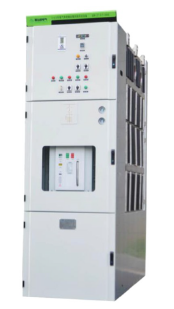

GSR6-27.5kV SF6 Free Gas-insulated Metal-enclosed Switchgear
Zhejiang Juhonkia Intelligent Electric Co., Ltd.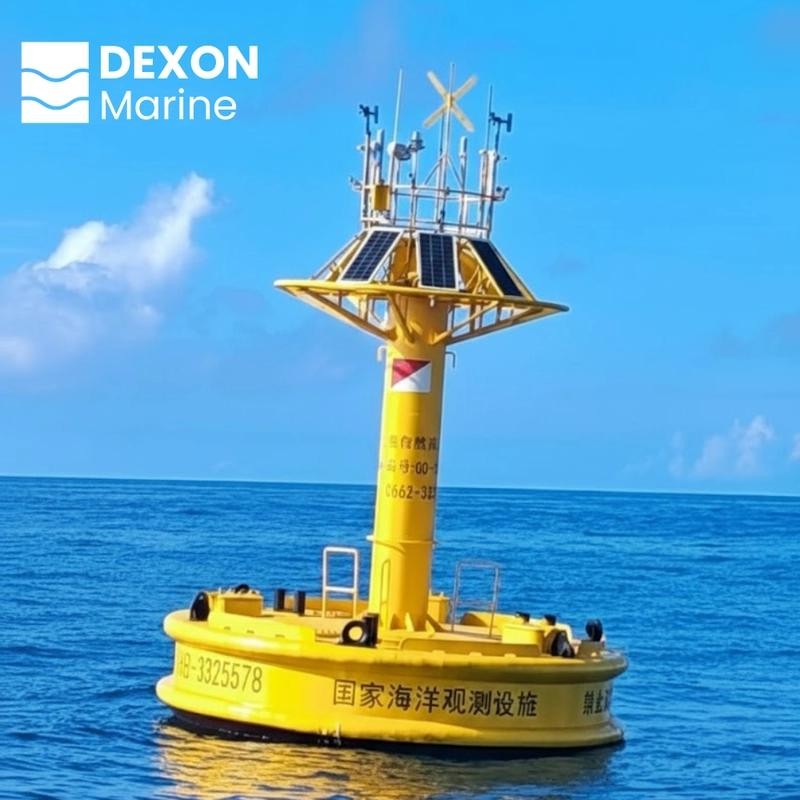
3m intelligent buoy combining navigation safety and real-time marine monitoring integrated navigation and marine monitoring system for real-time maritime data
Chengdu Dixin Technology Co., Ltd.
![IVECO Cash-in-Transit [DMT5048XYCL3-AM] - Chongqing Dima Industry Co., Ltd](https://img.wedoany.com/2026/0911/20260911030157582.png)
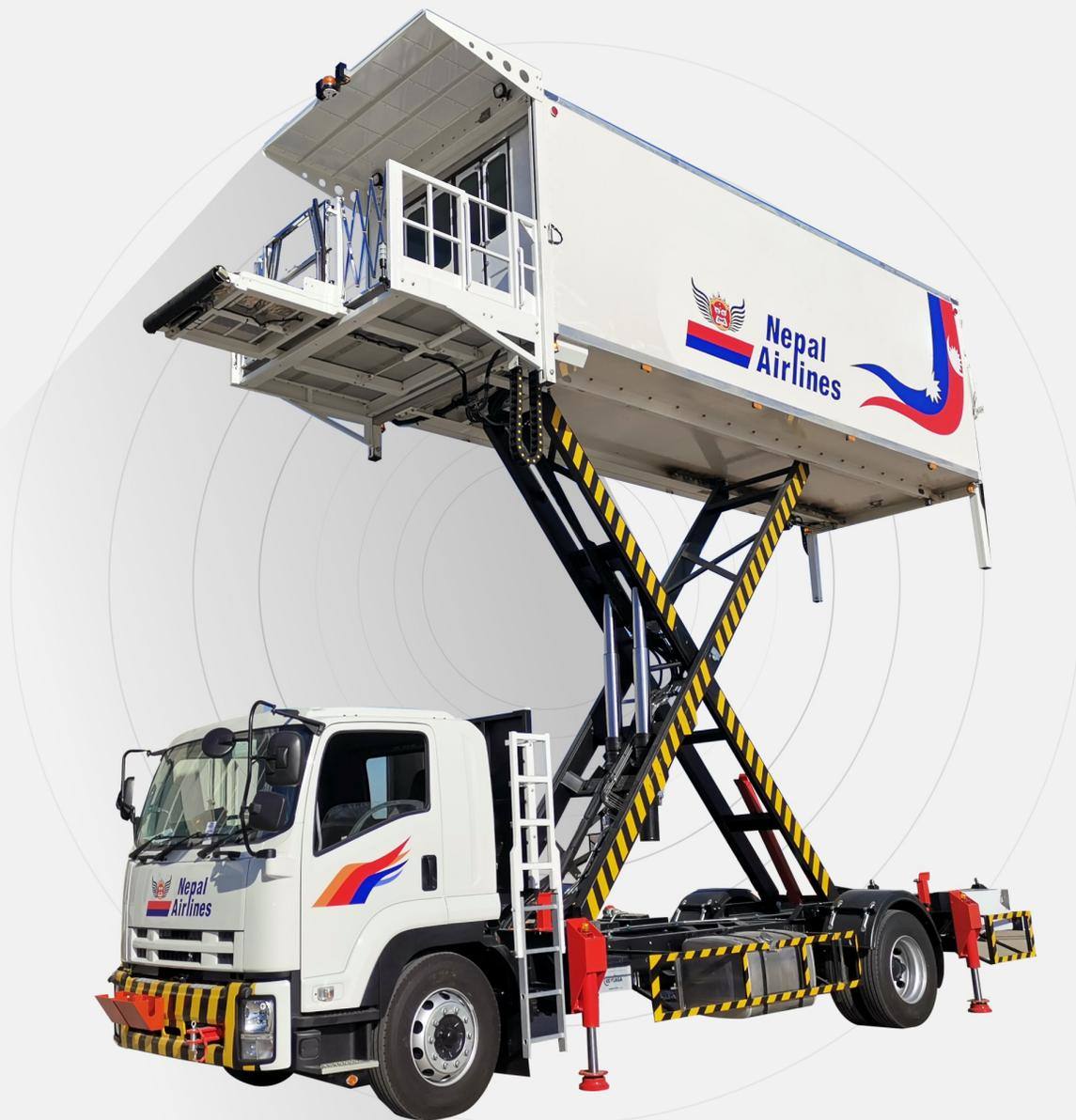
XC-6000e Type Aviation Catering Truck (Fuel Type)
Shenzhen CIMC-TianDa Airport Support Ltd.
China - Alashankou/Khorgos - Europe Full Range Transportation (Mala/Hamburg/Duisburg/Budapest, etc.)
Shenzhen Neptune Logistics Co., Ltd.