South Africa's Mining Industry Achieves Record Exports in 2025, but GDP Contribution Declines
Wedoany.com Report on Feb 10th, South Africa's mining industry benefited from rising prices of some commodities in 2025, with chromium and manganese exports reaching record highs. However, the Minerals Council South Africa's "Facts and Figures Handbook 2025" points out that the sector's regulatory and operational environment still needs improvement.
Although global uncertainty drove up some commodity prices and boosted export revenue, the fundamental performance of South Africa's mining sector remains challenging. The industry's contribution to Gross Domestic Product (GDP) fell from R442.7 billion in 2024 to R439.2 billion, with its share of the economy declining from 6% to 5.8%. Despite record prices for gold and platinum group metals, production in 2025 fell by 1.9% and 4.1% respectively and has not recovered to pre-pandemic levels.
Bongani Motsa, Acting Chief Economist at the Minerals Council South Africa, emphasized during a media briefing at the Africa Mining Indaba Investment Conference: "The competitiveness of the mining sector is constrained by high electricity prices, poor logistics services, and rising labor costs. The implementation of logistics recovery, energy reliability, and reduced permitting times will determine whether sustained growth can be achieved in 2026."
Regarding the regulatory and operational environment, electricity prices have risen by over 900% since 2008, far exceeding the inflation rate, increasing mining and processing costs. Although stable power supply has aided operations, the high cost remains a burden. Logistics improvements have boosted coal and iron ore exports. In 2025, chromium ore exports reached 23.4 million tons, with about 9 million tons transported by truck, costing 40% more than rail; manganese ore exports were about 26 million tons, with 10 million tons transported by road.
Motsa outlined: "Changes in policy and institutions are crucial for the mining industry to compete for capital and promote economic development, which aligns with national priorities. These changes will broaden social transformation outcomes and support infrastructure and economic impact." The revised Mineral Resources Development Bill is expected to encourage investment and promote mining growth from exploration to operational stages.
Data from the Minerals Council South Africa shows that mining directly contributed 5.8% to nominal GDP, approximately R439 billion; mineral and related exports accounted for 52% of total merchandise export value; contributed over R100 billion to the national fiscus; employed an average of 469,765 people in the first nine months, representing 4.5% of formal sector employment; estimated employee compensation reached R200 billion, accounting for 5.7% of the national total. Exports in 2025 remained resilient, supported by demand from China, India, and the United States, with no significant impact from US tariffs.
Global trade tensions and geopolitical developments may affect mineral demand and prices, presenting both challenges and opportunities. Mzila Mthenjane, CEO of the Minerals Council South Africa, stated: "We must address electricity prices, regulatory hurdles, and infrastructure constraints to unlock the mining industry's full potential." Optimizing the regulatory and operational environment is crucial for the future development of South Africa's mining industry.
Related Products
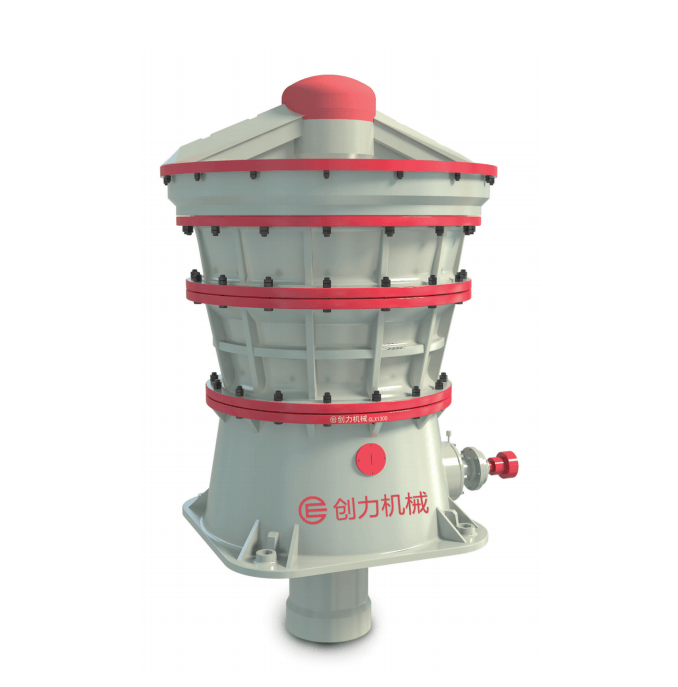

CLX Series Intelligent Hydraulic Gyratory Crusher
Guangdong CHUANGLI intelligent machinery Equipment Co., LTD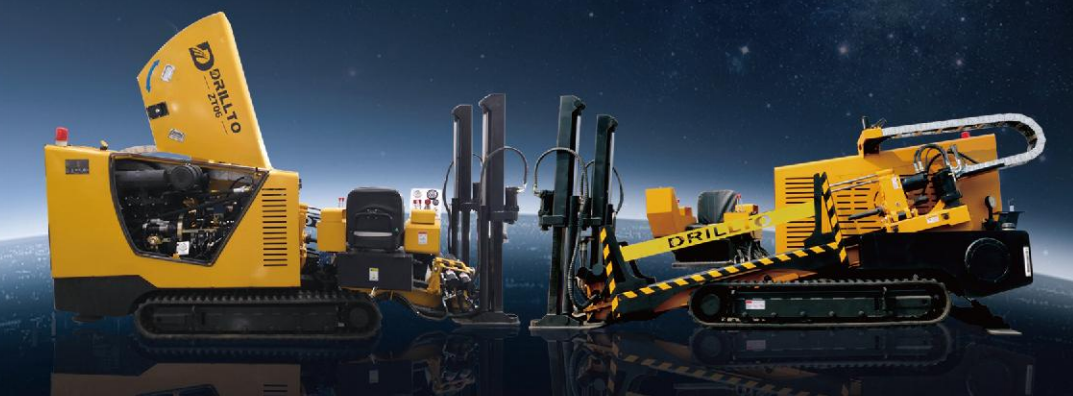
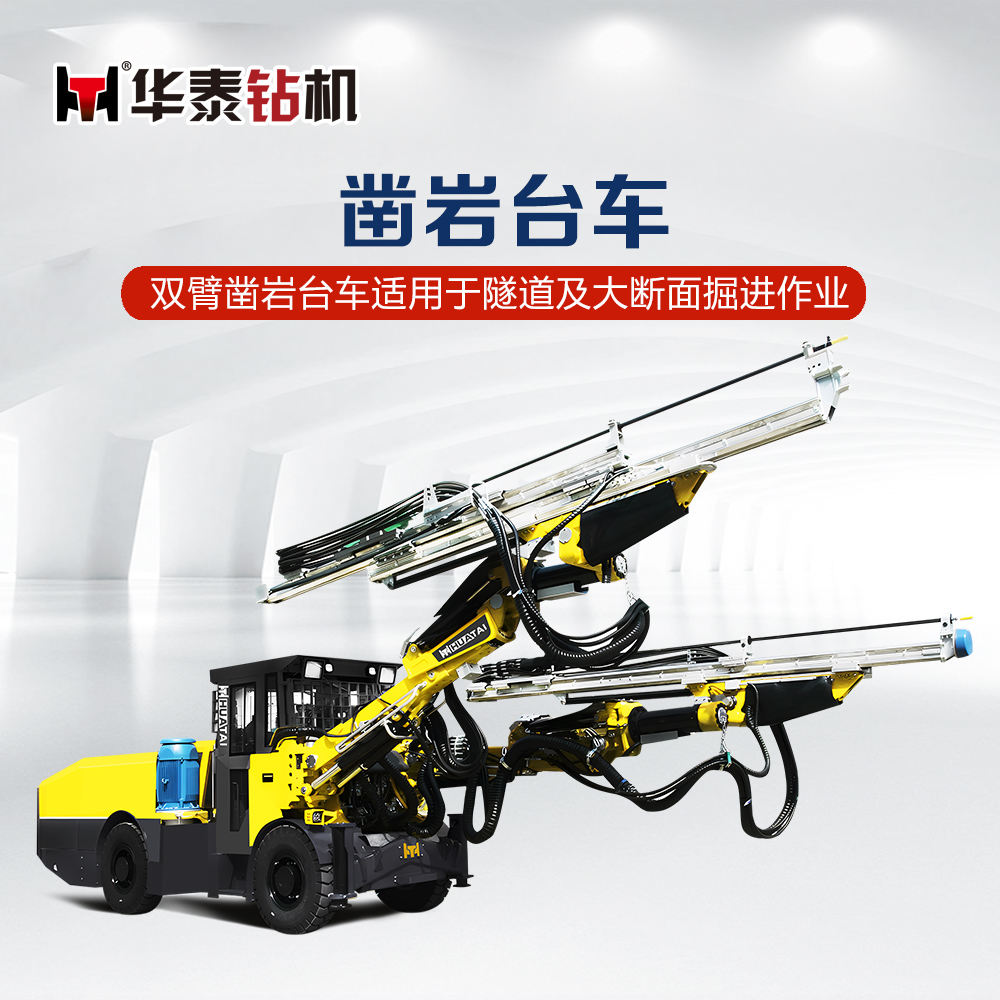
CYTJ45/2 Mining Hydraulic Tunneling Drill Rig
Zhangjiakou Xuanhua Huatai Mining and Metallurgical Machinery Co., Ltd.
Mine Explosion-proof and Intrinsically Safe Industrial Ethernet Ring Network (10 Gigabit/Gigabit)
Chongqing Mas Sci&Tech Co., Ltd.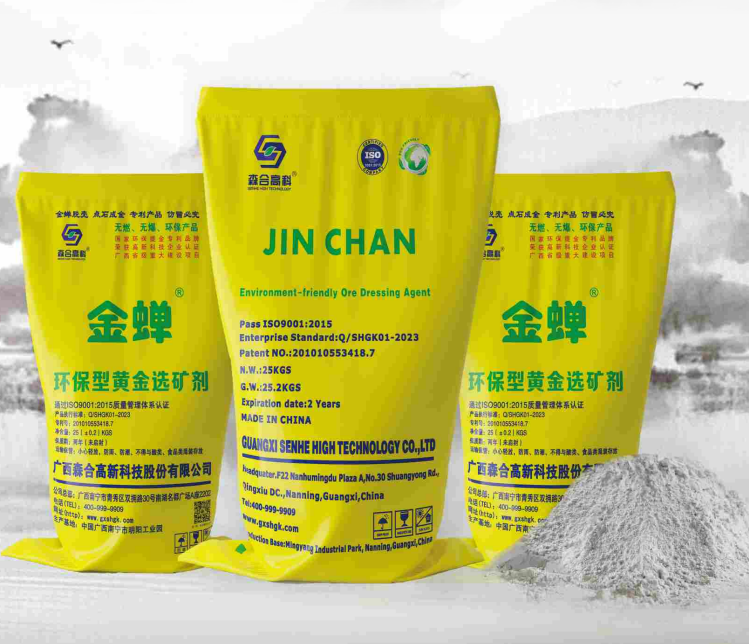
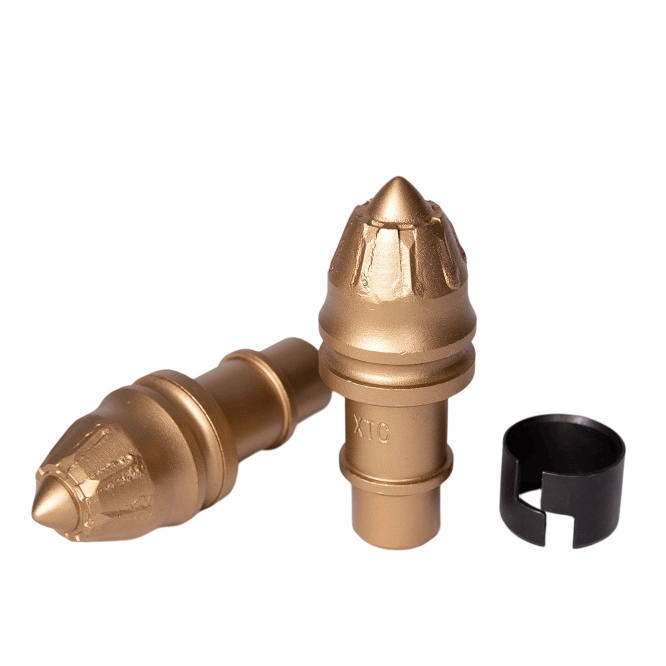
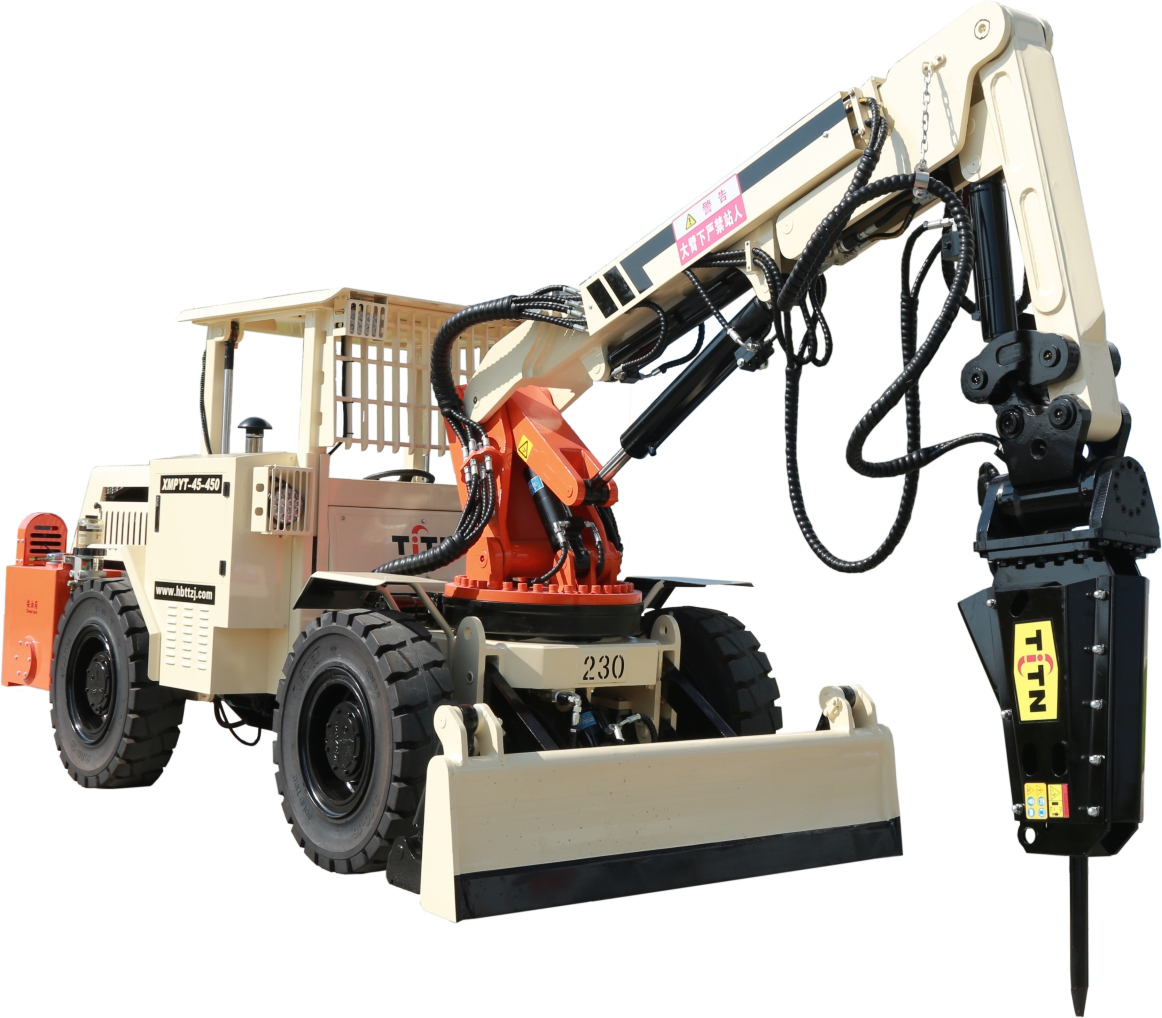
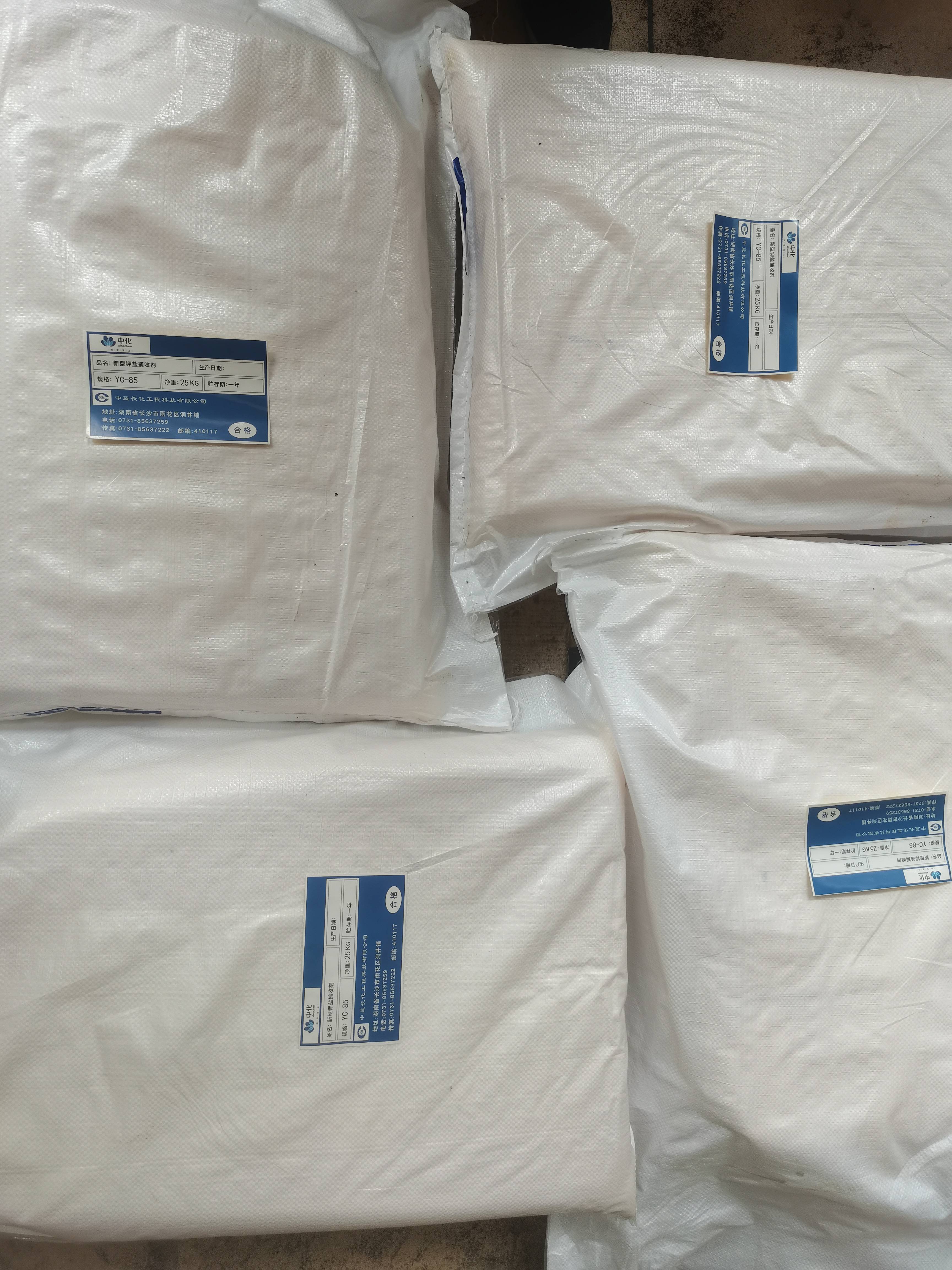
New Environmentally Friendly Green Potassium Salt Collector
Chonfar Engineering and Technology Co., Ltd.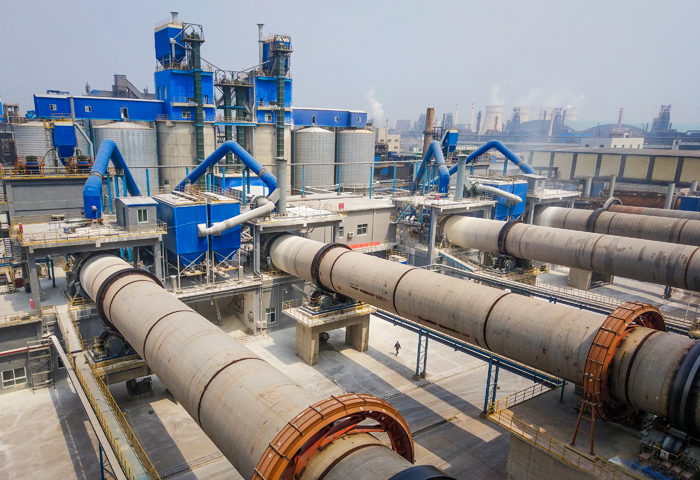
CITIC Heavy Industries Metallurgical Equipment Steel Smelting Engineering Equipment
CITIC Heavy Industries Co., Ltd.