US Leads 11-Nation Alliance on Critical Minerals, Uranium Price Breaks $100 to Hit New High
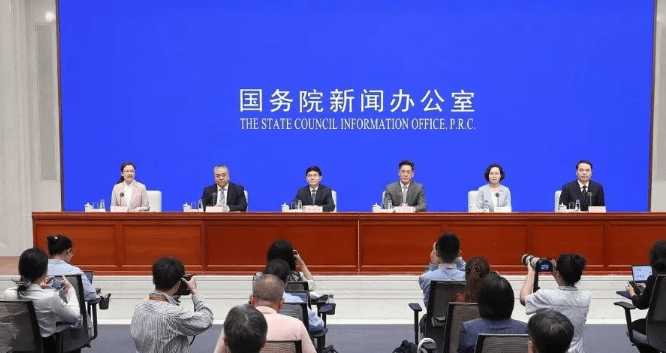
Wedoany.com Report on Feb 10th, the United States recently launched new initiatives aimed at forming a preferential trade group for critical minerals like uranium, including coordinating minimum prices, to address supply chain challenges in technology and defense markets. These plans were discussed at the "Ministerial Meeting on Critical Minerals" held in Washington, attended by representatives from 54 countries, the European Union, and relevant government officials. Following the meeting, Washington announced it had signed bilateral critical minerals agreements with 11 nations, concluded 10 similar agreements within the past five months, and completed negotiations with another 17 countries.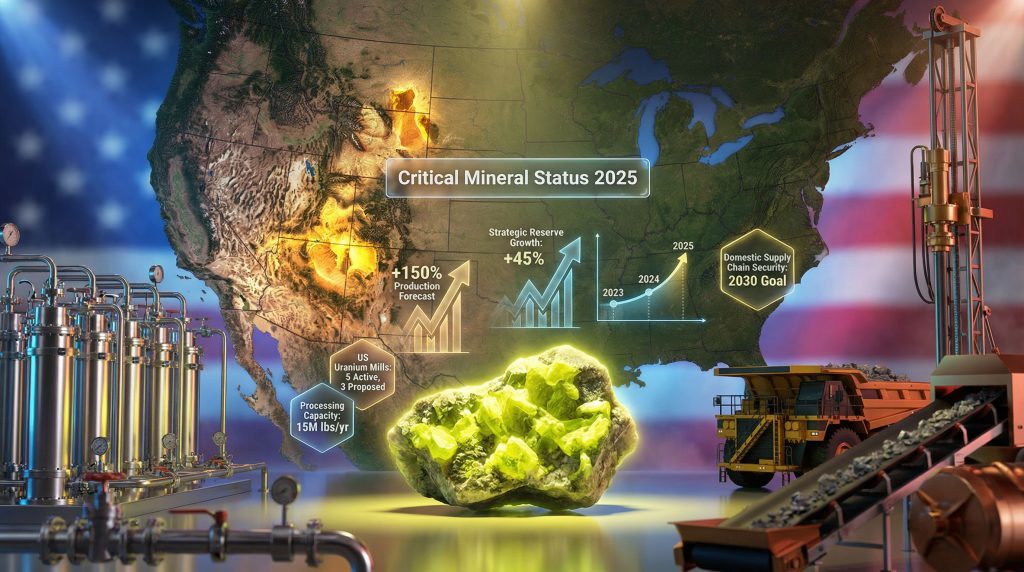
White House officials revealed that the government's new mineral stockpiling initiative—the "Vault Program"—could cover any critical materials identified by the U.S. Geological Survey, including rare earths, lithium, uranium, and copper. These minerals are crucial for national security, economic stability, and supply chain resilience. Secretary of State Marco Rubio announced the establishment of the "Forum for Resource Geostrategic Engagement" (FORGE) to coordinate critical minerals policies and projects. Rubio stated: "We already have a number of countries that have signed onto the agreement and we hope more will join... The purpose of FORGE is to foster cooperation and build a network of partners around the globe."
Uranium is becoming a particularly closely watched critical mineral. As reported by Benjamin Storrow for E&E News/Politico on December 24, 2025, predictions of increased electricity consumption by data centers are beginning to materialize, raising concerns about grid and environmental impacts. Commercial electricity demand grew 2% year-over-year in the first nine months of 2025, following 3% growth in 2024, marking a shift from the plateau seen in U.S. power demand over the past two decades. Consulting firm Grid Strategies forecasts that national peak electricity demand could increase by 166 gigawatts by 2030, equivalent to adding the electricity consumption of 15 New York Cities over the next five years. Rob Gramlich, CEO of Grid Strategies, said: "We are now seeing in the data what we have been talking about for the past few years." He estimates that data centers will account for 55% of U.S. electricity demand growth over the next five years.
A Morgan Stanley research report dated August 28, 2025, noted that surging power demand driven by AI data centers and electrification across industries is prompting companies, policymakers, and investors to reconsider nuclear energy. The research forecasts that global new nuclear power capacity additions could reach 586 gigawatts by 2050, 53% higher than previous estimates, with potential investment in the nuclear value chain possibly reaching $2.2 trillion. Tim Chan, Head of Asia Sustainable Research at Morgan Stanley, stated: "The nuclear renaissance has been brewing for a while—at the COP28 summit in December 2023, 22 countries pledged to triple nuclear capacity by 2050, Europe is extending plant lifespans, China has a strong project pipeline, and Japan continues reactor restarts." "The dual imperatives of decarbonization and energy security are making the nuclear renaissance a truly global investment theme." Stephen Byrd, Head of Global Sustainable Research at Morgan Stanley, added: "We believe natural gas will be the primary near-term solution for powering AI data centers due to its speed to market, reliability, and flexibility, while nuclear represents a long-term clean energy alternative whose importance is likely to grow gradually." "Natural gas and nuclear are likely to play complementary roles."
According to a December 1, 2025, report by Nick Mordowanec for Military.com, the USGS released its 2025 Critical Minerals List, adding 10 minerals including uranium, bringing the total to 60. USGS Director Ned Mamula stated: "This is the most comprehensive, science-based assessment to date of the minerals our nation relies on." "Critical minerals underpin industries worth trillions of dollars, and import dependence puts critical sectors at risk. This work helps secure the materials needed for U.S. economic growth and technological leadership." Christo Liebenberg, co-founder and president of U.S. uranium enrichment company LIS Technologies, told Military.com there is "tremendous market demand" for uranium to support the domestic grid challenged by AI data center expansion. Liebenberg said: "Being placed on that list, obviously, triggers a series of advantages." "It makes it easier, faster, more attractive to investors to mine uranium in the United States. It's like flipping a switch that says, 'Okay, folks, uranium is important now. Let's make it easier, cheaper, faster, more predictable to mine in the United States.' And of course, that's exactly what stimulates production. But the thing is, it doesn't stop at mining. Being on the list actually has a ripple effect throughout the entire nuclear fuel supply chain."
According to an article by Henry Mann for Crux Investor on January 27, the uranium industry enters 2026 at a critical juncture, where operational execution separates credible investment opportunities from speculative ventures. The spot uranium price reached $100 per pound in January 2026, a 17-month high. Mann wrote that against a backdrop of structural demand growth and supply fragility, companies demonstrating substantive operational progress are attracting capital. Chris Frostad, CEO of Purepoint Uranium, explained the demand dynamic: "When a reactor starts up, it establishes a customer relationship that lasts 40 years or more. Reactors run on strict refueling schedules, and utilities know exactly how much fuel they will need each year for many years ahead." Growth in AI infrastructure and data centers adds incremental demand.
Laramide Resources Ltd. is a uranium developer with deposits in the Southwestern United States and Australia. In June 2025, its New Mexico projects, Crownpoint-Churchrock and La Jara Mesa, were designated as FAST-41 covered projects, streamlining the permitting process to support domestic uranium stockpiling goals. The company states that the Churchrock resource contains 50.8 million pounds of U₃O₈, with Crownpoint adding 5.1 million pounds. Laramide noted in filings that its U.S. portfolio is "growing in importance in the context of declining domestic uranium production and rising nuclear energy demand."
Beacon Securities analyst Michael Curran updated his report on November 3, 2025, maintaining a Buy rating on Laramide and increasing the 12-month fair value from C$1.45 to C$1.50 per share. Curran wrote: "In our view, Laramide represents an attractive way to gain exposure to uranium development in top-tier mining jurisdictions." Analysts at SCP Equity Research stated in a June 3 report: "We believe Laramide screens very well on value, with two sizeable projects in the U.S. and Australia," assigning a target price of C$1.35 per share. Laramide reports that insiders hold approximately 11% of shares, strategic corporate entity Boss Energy Ltd. holds 19%, with the remainder held by retail investors.
Related Products

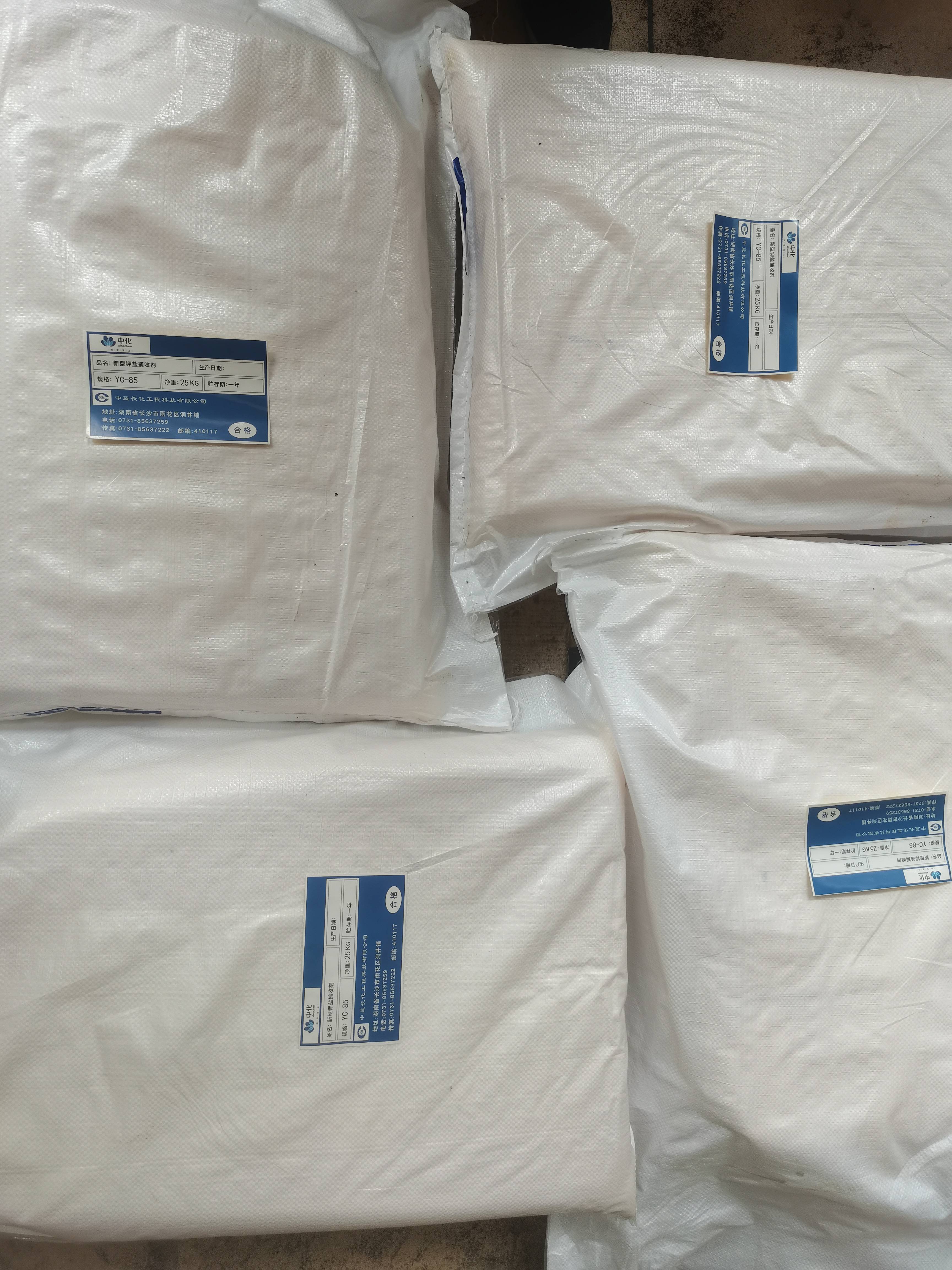
New Environmentally Friendly Green Potassium Salt Collector
Chonfar Engineering and Technology Co., Ltd.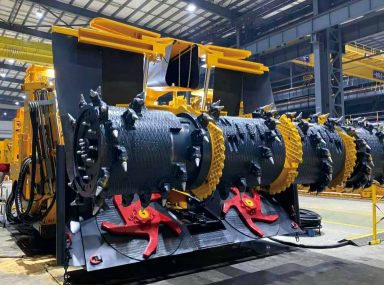
Integrated Excavation and Anchoring Machine (EJM Series)
China Railway Construction Heavy Industry Corporation Limited
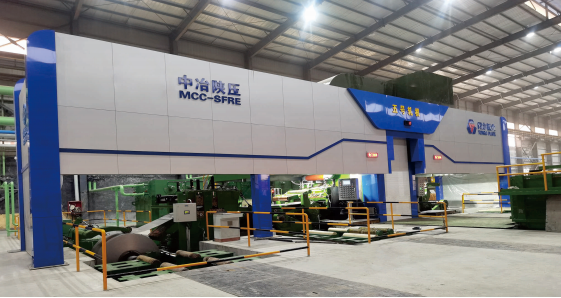
1050-1750mm Steel Strip Single-stand Reversible Cold Rolling Production Line
MCC-SFRE HEAVY INDUSTRY EQUIPMENT CO., LTD.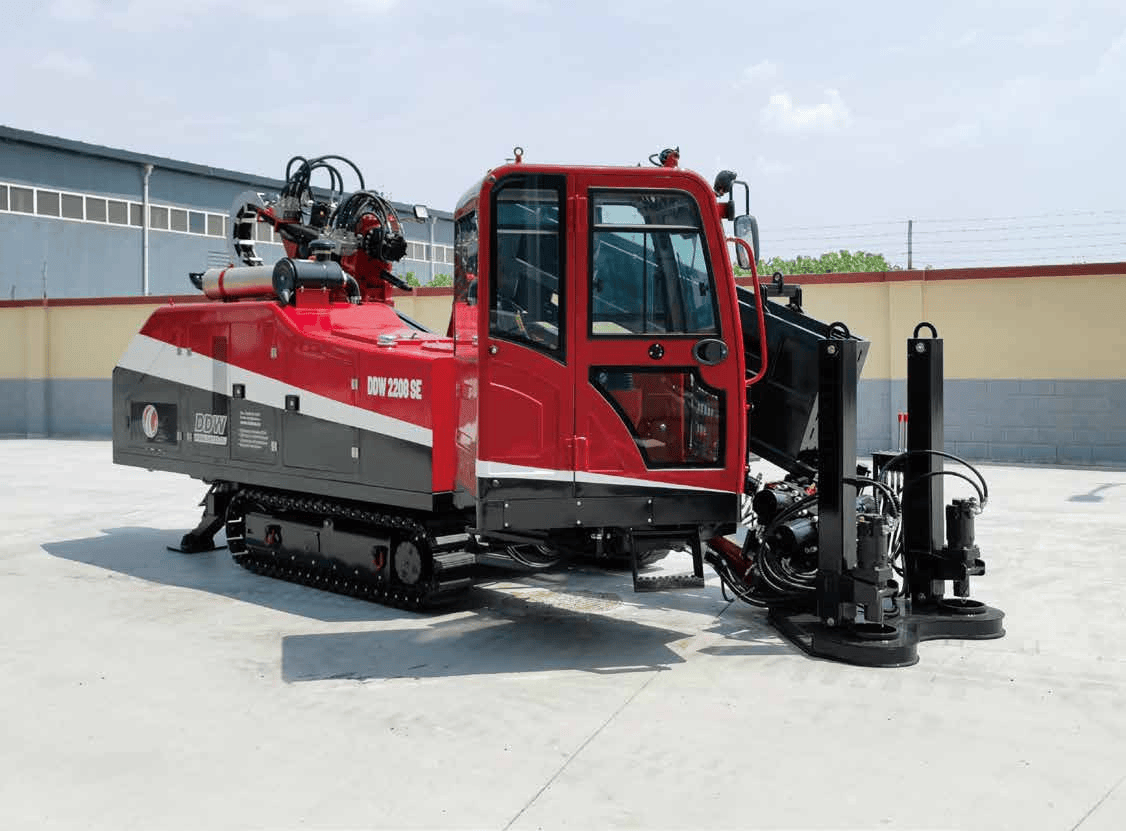
DDW22/08SE-HORIZONTAL DIRECTIONAL DRILL
DW/TXS Construction Equipment (Beijing) Co., Ltd.
Quick-Change Single-Seat Control Valve / Quick-Change High-Pressure Single-Seat Control Valve
Beijing Consen Automation Technology Co., Ltd.
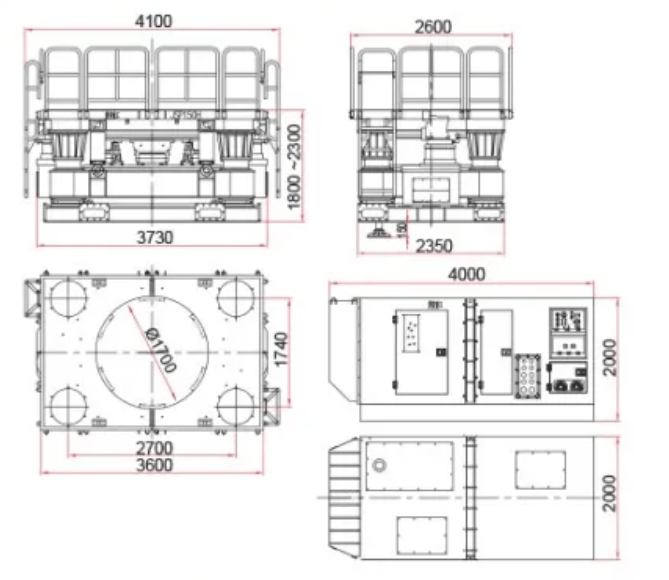

CKD135E Pure Electric Wide-body Dump Truck
Jiangsu Changkuang Engineering Machinery Co. Ltd.