Riga Port Maintains Full Operations Ensuring Navigation Safety
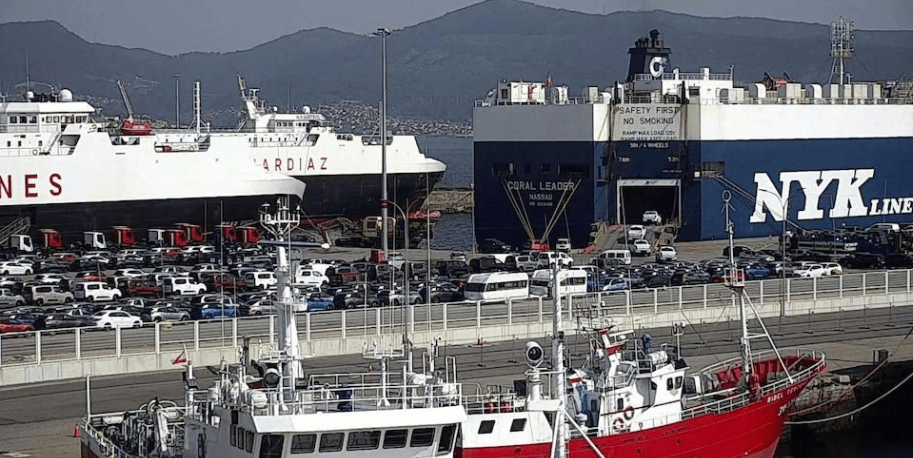
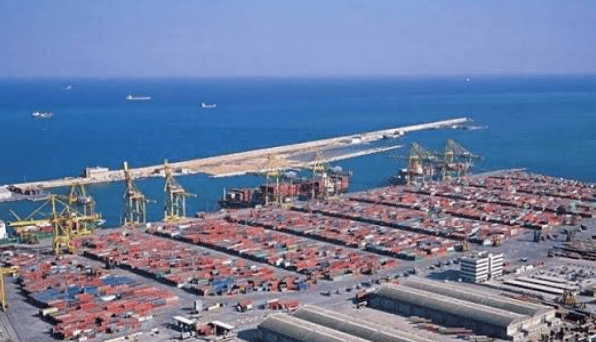
The Port of Riga is currently maintaining full operational status, with navigation safety guaranteed and no traffic restriction measures in effect. Although the ice navigation season has begun, ship traffic in the port remains unimpeded, ensuring smooth and unobstructed shipping lanes.
Within the port waters, a total of seven tugboats are providing operational services. These tugboats come from two different companies, with three of them possessing ice-class vessel capabilities. Port customers can autonomously choose their preferred tugboat service provider based on safety and reliability considerations.
The multi-purpose ice-class vessel LAURA, acquired by LVR Flote last year, is actively operating in the port waters, carrying out icebreaking tasks to support navigation needs. The Freeport of Riga Authority is not only committed to maintaining winter navigation within the port waters but also, when conditions permit, ensuring safe passage from the port to the Irbe Strait.
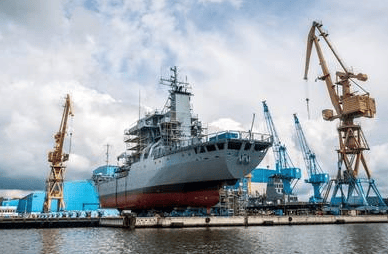
The core strategy of this authority lies in guaranteeing the port's continuous operation and the safe passage of vessels. Icebreaking operations in the Gulf of Riga are primarily handled by the icebreaker VARMA. Following the Port Master's directive last week, VARMA has been deployed to the area to assist sea-going vessels in clearing ice and ensuring safe routes into and out of the port.
The icebreaker VARMA is dynamically adjusting its operational tactics based on changing ice and meteorological conditions to manage navigation in the Gulf of Riga. Currently, the average sea ice thickness in the gulf ranges between 15 and 35 centimeters, but wind action has caused significant ice ridges and pile-ups in several areas.
VARMA is powered by a diesel-electric propulsion system, equipped with four main engines (each 2541 kW), providing a total output of 10,164 kW, approximately 13,819 horsepower. Five auxiliary engines with a total capacity of 1,642 kW support the ship's internal systems.
The vessel is 84.1 meters in length, features a reinforced steel hull, and is equipped with four propellers specifically designed for icebreaking. It breaks ice by applying its own mass onto the ice sheet, effectively clearing transit routes and opening channels for other vessels.
Related Products

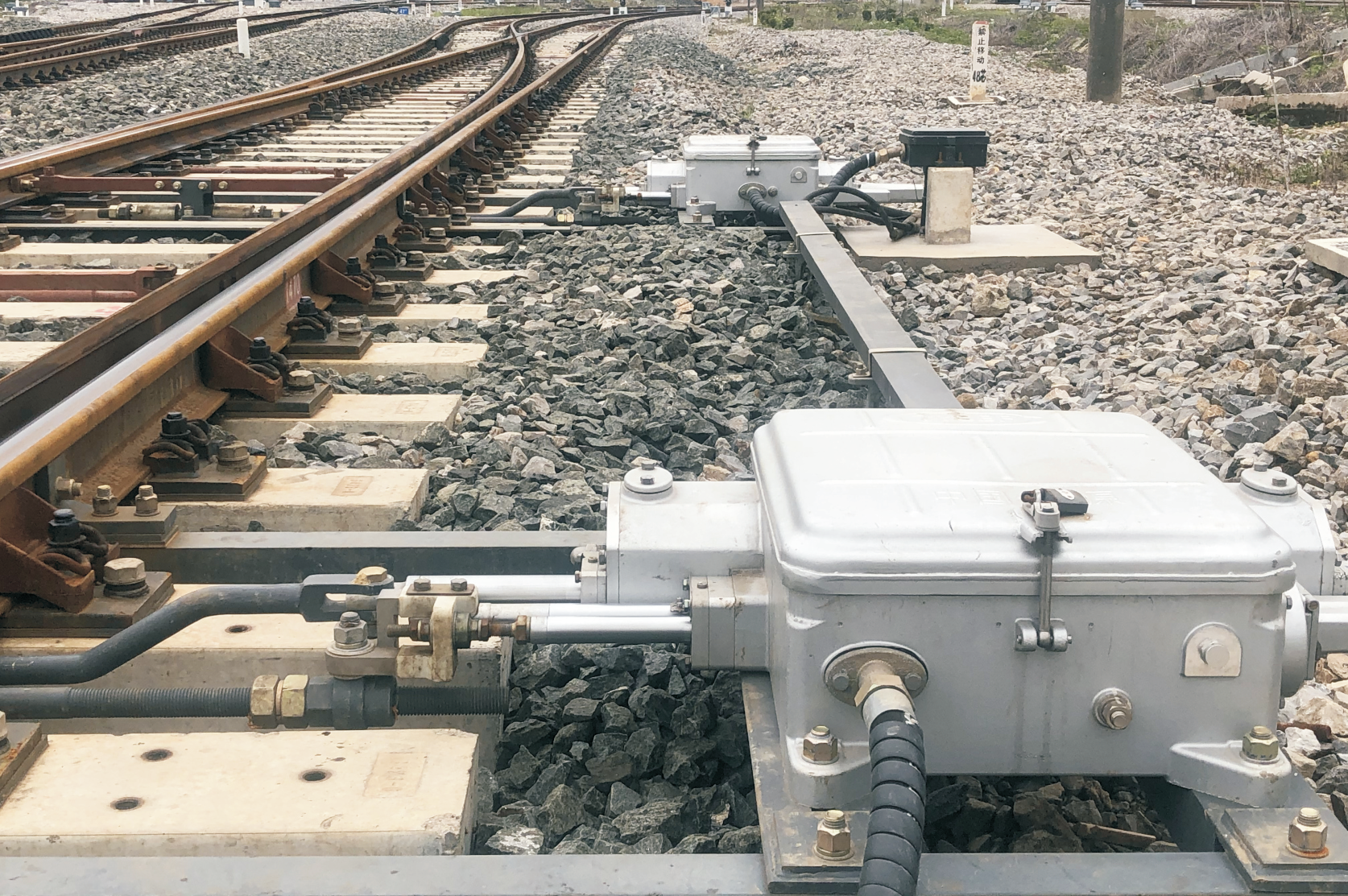
ZY(J)7(M) Sealed Type Electro-Hydraulic Turnout Machine
TAIYUAN CR JINGFENG EQUIPMENT TECHNOLOGY CO., LTD.
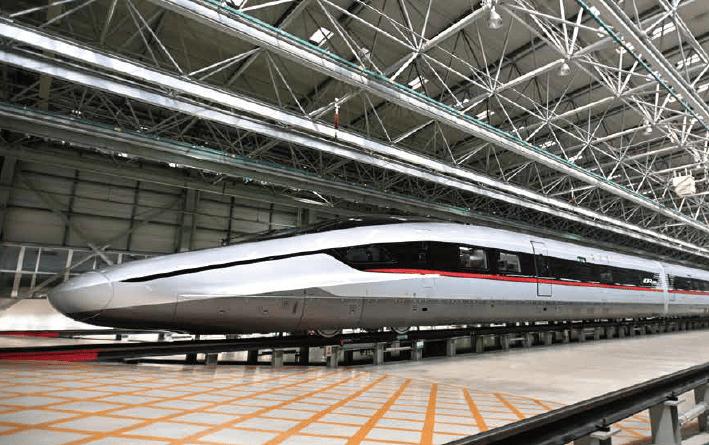

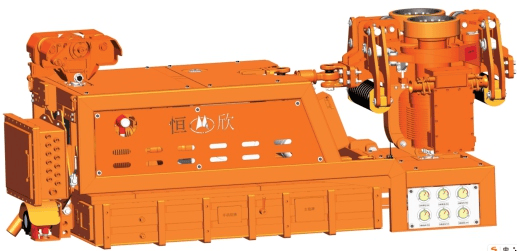
Explosion-proof lithium battery dispatching monorail crane locomotive (permanent magnet frequency conversion integrated machine)
Xiangtan Hengxin Industrial Co., Ltd.
GSR6-27.5kV SF6 Free Gas-insulated Metal-enclosed Switchgear
Zhejiang Juhonkia Intelligent Electric Co., Ltd.
Pantograph-Catenary Comprehensive Detection Device (1C)
CHENGDU TANGYUAN ELECTRIC CO., LTD.
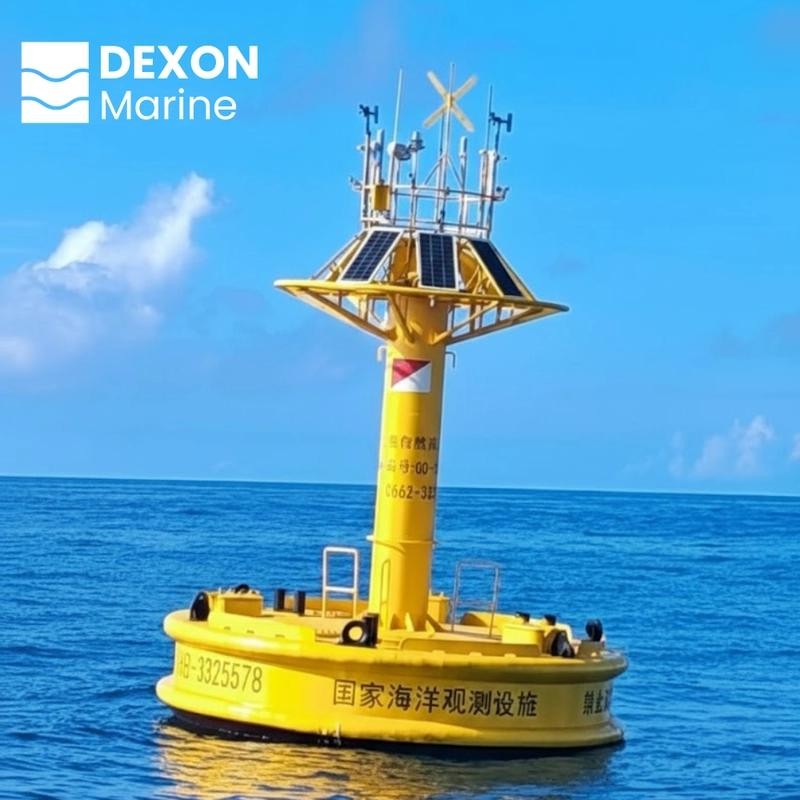
3m intelligent buoy combining navigation safety and real-time marine monitoring integrated navigation and marine monitoring system for real-time maritime data
Chengdu Dixin Technology Co., Ltd.