
| Notice Type | Tender Notice |
|---|---|
| Notice Number | 127654831 |
| Description |
Tender Title: Supply of Asphalt Mixtures for 2026 Procedure Identifier: 3438c06c-efb8-4281-87d2-61c5bb131f08 Internal Identifier: 020/OI-M/26-Za Type of Procurement Procedure: Open Tender Main Nature of Contract: Supply of Goods Main Classification (CPV): 44113620 Asphalt Legal Basis for Procurement: EU Directive 2014/24/EU; Czech Act No. 134/2016 on Public Procurement Total Budget (Excl. VAT): CZK 22,900,000.00 Place of Performance: Moravian-Silesian Region, Czech Republic, at the Contracting Authority's various centers and site management offices Key Dates: Bid Deadline and Public Opening: March 4, 2026, 08:00:00 (UTC+01:00) Estimated Contract Start Date: April 1, 2026 Estimated Contract End Date: December 31, 2026 Procurement Description: This public procurement is conducted in parts (lots), each lot being an independent procurement procedure. The Contracting Authority will conclude a procurement contract with at least 3 and at most 20 suppliers for each lot. The contract validity is from the effective date until December 31, 2026. Supply will depend on the development of climatic conditions and the end of production at individual asphalt mixing plants. The subject of procurement is the continuous supply of asphalt mixtures types ACO 8, ACO 11, ACL 16, and ACP 22 in accordance with ČSN EN 13108-1. Lot Details: This tender includes 4 independent lots. A single bidder may submit bids for a maximum of 4 lots and may be awarded a maximum of 4 lots. LOT-0001: ACO 8 Mixture Estimated Quantity Value (Excl. VAT): CZK 9,800,000.00 Internal Identifier: 020/OI-M/26-Za-1 LOT-0002: ACO 11 Mixture (The document shows the title as ACL 16, but based on context and amounts, it is judged to be ACO 11) Estimated Quantity Value (Excl. VAT): CZK 12,400,000.00 Internal Identifier: 020/OI-M/26-Za-2 LOT-0003: ACL 16 Mixture Estimated Quantity Value (Excl. VAT): CZK 600,000.00 Internal Identifier: 020/OI-M/26-Za-3 LOT-0004: ACP 22 Mixture Estimated Quantity Value (Excl. VAT): CZK 100,000.00 Internal Identifier: 020/OI-M/26-Za-4 Technical Requirements for Aggregates Rock Source and Basic Properties: All coarse and fine aggregates must originate from geologically stable, certified quarries. The supplier shall provide a list of quarries for long-term cooperation and a summary of their geological survey reports. Los Angeles Abrasion Value: For coarse aggregate, it should be ≤25%; for aggregates used in heavy traffic sections or surface courses, a value of ≤22% is recommended. Flakiness and Elongation Index: The content of flaky and elongated particles (length-to-thickness ratio >3:1) in aggregate larger than 4mm should be ≤15%. For surface course mixtures, ≤10% is recommended to improve compaction and rutting resistance. Polished Stone Value (PSV): For stones used in surface courses (e.g., ACO8), the PSV should be ≥50 to ensure long-term skid resistance. Adhesion to Bitumen: The adhesion grade of all aggregates to bitumen, without anti-stripping agents, should be at least Grade 3 (≥90% coating); after using anti-stripping agents, it must stably reach Grade 5 (100% coating). Gradation Control and Variability: A batch-by-batch inspection system for incoming aggregates must be established. A full sieve analysis must be performed for every 500 tons or when a new stockpile is opened. The feeding system for cold aggregate bins at the mixing plant must be equipped with continuous belt scales and online moisture detectors to achieve dynamic compensation, ensuring that the gradation fluctuation of the mixed aggregate entering the dryer drum is controlled within the design gradation envelope. For key sieve sizes (e.g., 2mm, 8mm for ACO 8; 2mm, 11.2mm for ACO 11), the standard deviation of the passing percentage during production should be less than 50% of the design allowable tolerance. Filler and Additives: Mineral filler must be limestone-manufactured filler. Its particle size distribution shall comply with ČSN EN 13179-1, with a content of particles smaller than 0.063mm > 65%. The use of reclaimed dust as filler is strictly prohibited. Material recovered from the dust collection system may only be incorporated into mixtures of specific gradations in a limited, uniform manner after precise metering, and a verification report proving it has no negative impact on mixture performance must be provided. For any proposed anti-stripping agents, modifiers, or fibers, in addition to prior approval, the supplier must also provide long-term performance verification data under typical Czech climatic conditions (freeze-thaw cycles, summer heat) or a certificate of conformity issued by an independent laboratory. Bituminous Binder and Modification Requirements Base Bitumen: Each incoming batch of bitumen must be accompanied by the original factory quality certificate and undergo at least incoming re-inspection for penetration (25°C), softening point (Ring and Ball), and ductility (15°C). Differentiated bitumen grades may be specified for mixtures in different layers: Lower layers (e.g., ACP 22) may use 70/100 penetration grade bitumen to improve crack resistance; surface layers (e.g., ACO 8) are recommended to use 50/70 penetration grade bitumen to enhance rutting resistance. Modified Bitumen: If polymer-modified bitumen is permitted or required for the project, it must comply with ČSN EN 14023. The modification type (e.g., SBS, EVA) and grade (e.g., PmB 45/80-75) must be specified. The supplier shall provide a segregation test (ČSN EN 13399) report for the modified bitumen, proving its stability during storage and transport. The elastic recovery (Č EN 13398) of modified bitumen at 25°C should be ≥ 70% to demonstrate good stress dissipation capability. Mixture Design, Production, and Process Control Mixture Design Verification: Before mass production, workability mixture design verification must be conducted in an accredited laboratory using the actual materials intended for the project. The Job Mix Formula (JMF) verification report must include: Optimum bitumen content, theoretical maximum specific gravity, all volumetric parameters, Marshall stability and flow value, as well as verification results for moisture susceptibility (e.g., TSR, Tensile Strength Ratio) and rutting resistance (e.g., wheel tracking test). Precise Control of Mixing Production: The mixing plant must be equipped with a "Real-time Monitoring System for Asphalt Mixture Production Gradation and Bitumen Content". This system should be capable of real-time display, recording, and alarming for hot bin screening results, bitumen metering deviation (target value ±0.1%), and discharge temperature (target value ±5°C). Dry mixing and wet mixing times must be adjustable and precisely controlled. For conventional asphalt mixtures, the total mixing time (dry + wet) is typically not less than 45 seconds; for modified bitumen or fiber-reinforced mixtures, it needs to be extended to 50-60 seconds to ensure uniform coating. Production data for each batch of mixture (weight from each hot bin, bitumen weight, mixing time, temperature) must be automatically stored for at least 2 years and be exportable by batch or date for audit purposes. Factory Inspection and Identification: At the discharge gate of the mixing plant, an automatic sampling device should be installed, capable of randomly extracting a sample at a preset frequency (e.g., every 200 tons) for rapid bitumen content extraction test (ignition method) and gradation analysis. This data serves as immediate feedback for process control. For each truckload of mixture, in addition to the standard delivery note, it is recommended to explore the use of RFID tags or QR codes, linking to the production batch, JMF number, and real-time quality inspection data of that truckload, achieving full-chain digital traceability from production to paving. Environmental and Sustainable Production Requirements Energy and Emissions: The use of clean fuels (e.g., natural gas) for heating the dryer drum and bitumen storage tanks is encouraged. If heavy fuel oil is used, proof of its sulfur content compliance with EU environmental standards must be provided. The mixing plant should install a continuous emission monitoring system to monitor dust, nitrogen oxides, and sulfur dioxide emissions, with data accessible to regulatory authorities. Resource Recycling: Positively evaluate and report on the feasibility of incorporating high-quality RAP (Reclaimed Asphalt Pavement) into the mixtures. If incorporated, detailed description is required for: RAP crushing and screening processes. Management measures for RAP stockpiles to prevent rain and contamination. Use of dedicated metering bins for RAP addition and verification of its impact on the consistency of final mixture temperature uniformity and performance. Explore the application potential of cold recycling technology or full-depth reclamation technology in future projects in this region as a demonstration of technical reserve for long-term cooperation. Logistics, Transport, and Delivery Requirements Transport and Vehicles: Must be transported using clean dump trucks with metal floors and sides, equipped with intact insulated tarpaulins. Before loading, the truck bed must be sprayed with an appropriate amount of release agent (e.g., soapy water) to prevent sticking. Each truckload of mixture must be accompanied by a delivery note clearly stating: Mixing plant name, project name, mixture type, batch number, net weight, production time, discharge temperature, and destination. Transport Time Management: The transport time from discharge to the paving site should not exceed 90 minutes when the ambient temperature is above 10°C to ensure the mixture temperature does not fall below the minimum paving requirement. Delivery Coordination and Flexibility: The supplier must establish a 24/7 emergency contact window and maintain close daily communication with the Contracting Authority's regional centers. The supply plan must be highly flexible to accommodate climate dependency : Capable of initiating production and delivery within 4-8 hours of notification in response to sudden fair weather windows. A detailed seasonal supply plan must be provided, clearly stating backup material sources or stockpiling plans during the annual shutdown and maintenance period of asphalt mixing plants (typically winter). On-site Paving Technical Support and Service Quality Technical Representative Service: For major paving projects or the first use of new materials, the supplier should dispatch experienced on-site technical representatives. Their responsibilities include: Supervising the unloading and paving process to ensure the mixture is free from segregation and at a suitable temperature. Cooperating with the construction contractor to optimize the operational parameters of the paver and rollers. Taking on-site samples for subsequent inspection. Providing preliminary solutions for technical issues. Paving and Compaction Guidance: The supplier must provide recommended paving and compaction process guidelines for various types of mixtures, including: Initial compaction temperature range. Recommended types of rollers (steel wheel, pneumatic tire), number of passes, and speed. Special compaction recommendations for mixtures with large aggregate sizes, such as ACL 16. Quality Control and Compliance Documentation Factory Process Control: The supplier must implement and document daily factory process control, including: Aggregate sieve analysis (at least once daily). Bitumen content extraction test (at least every 500 tons or once daily). Volumetric property testing of Marshall specimens (stability, flow, air voids VMA, voids filled with asphalt VFA). All IPC records must be available for review at any time by the Contracting Authority or designated supervisors. Acceptance Inspection and Delivery Documentation: The Contracting Authority or an independent laboratory has the right to conduct random sampling inspections at the mixing plant or construction site. The supplier must cooperate. Upon contract completion, the supplier must submit a comprehensive quality summary report, including: Summary statistics table for all production batches. All laboratory test results. Records of handling any non-conforming materials and reports on corrective and preventive actions. Provision of complete material traceability documentation, ensuring that the source of aggregates and the batch of bitumen used for each batch of mixture can be traced. Environmental, Health, and Safety Commitments Sustainability and Green Procurement: The use of reclaimed asphalt pavement material is encouraged. If used, the proportion (typically not exceeding 30% of the total mixture mass) and pre-treatment processes must be described, and the final mixture's performance compliance must be proven. Actively explore the application possibilities of warm mix asphalt technology to reduce energy consumption and emissions. Transport vehicles must comply with local road cleanliness regulations to prevent material spillage. Health and Safety: All personnel involved in production and delivery must undergo relevant safety training. At the construction site, the supplier's drivers and personnel must comply with the site safety management regulations of the Contracting Authority or the main contractor. Contract Management and Performance Indicators Key Performance Indicators: On-time Delivery Rate: Proportion of deliveries made within the agreed time window (target ≥98%). Material Conformity Rate: Proportion of mixture parameters found compliant based on third-party random inspections (target 100%). Complaint Response and Resolution Time: For quality or service complaints, response is required within 2 hours, and a proposed solution within 24 hours. Contract Flexibility: The contract allows for adjustments in the specific delivery quantities between lots (mixture types) within the annual total quantity framework, based on actual climate and project progress. The Contracting Authority reserves the right to temporarily increase or change mixture specifications within 5% of the total quantity due to special project needs, with price adjustments according to the principles agreed in the contract. Bid Submission Method: Electronic submission only Submission Address and Document Retrieval: https://nen.nipez.cz/Profil/00095711 Bid Language: Czech Electronic Catalogues/Variants/Multiple Solutions Allowed: None are allowed Evaluation Criteria: 100% Price Criterion. Bid prices will be evaluated through the itemized budget (bid cover sheet), with the decisive evaluation basis being the total price per ton excluding VAT as indicated in the bid cover sheet. Contract Performance Requirements: Mandatory use of electronic invoices, electronic ordering, and electronic payment. Applicability of the Government Procurement Agreement (GPA): Yes Suitable for SME Participation: Yes Strategic Procurement/Green Procurement: No specific strategic procurement objectives. The method for reducing environmental impact is pollution prevention and control, applying national green public procurement standards. The social objective is promoting universal accessibility, involving process innovation. |
| Documents |  Attachment.pdf (158.83 K) Attachment.pdf (158.83 K) |
Expired Tender for Asphalt Mixture Supply by the Road Administration of the Moravian-Silesian Region, Czech Republic
Favorite
| Organization | Správa silnic Moravskoslezského kraje, příspěvková organizace | Country | Czech |
|---|---|---|---|
| Contact | Mgr. Lucie Zapletalová | Tel. | View more |
| View more | Address | Úprkova 795 Ostrava , | |
| Release Date | 2026-02-03 | Validity | 2026-03-04 |
Details
The tender information on this website is provided for reference only. If you intend to bid, please verify the authenticity and accuracy of the information with the tendering party. Our company reserves the right to adjust website content at any time and assumes no direct or indirect liability for it.Email: news@wedoany.com
Related Tenders
Related Products
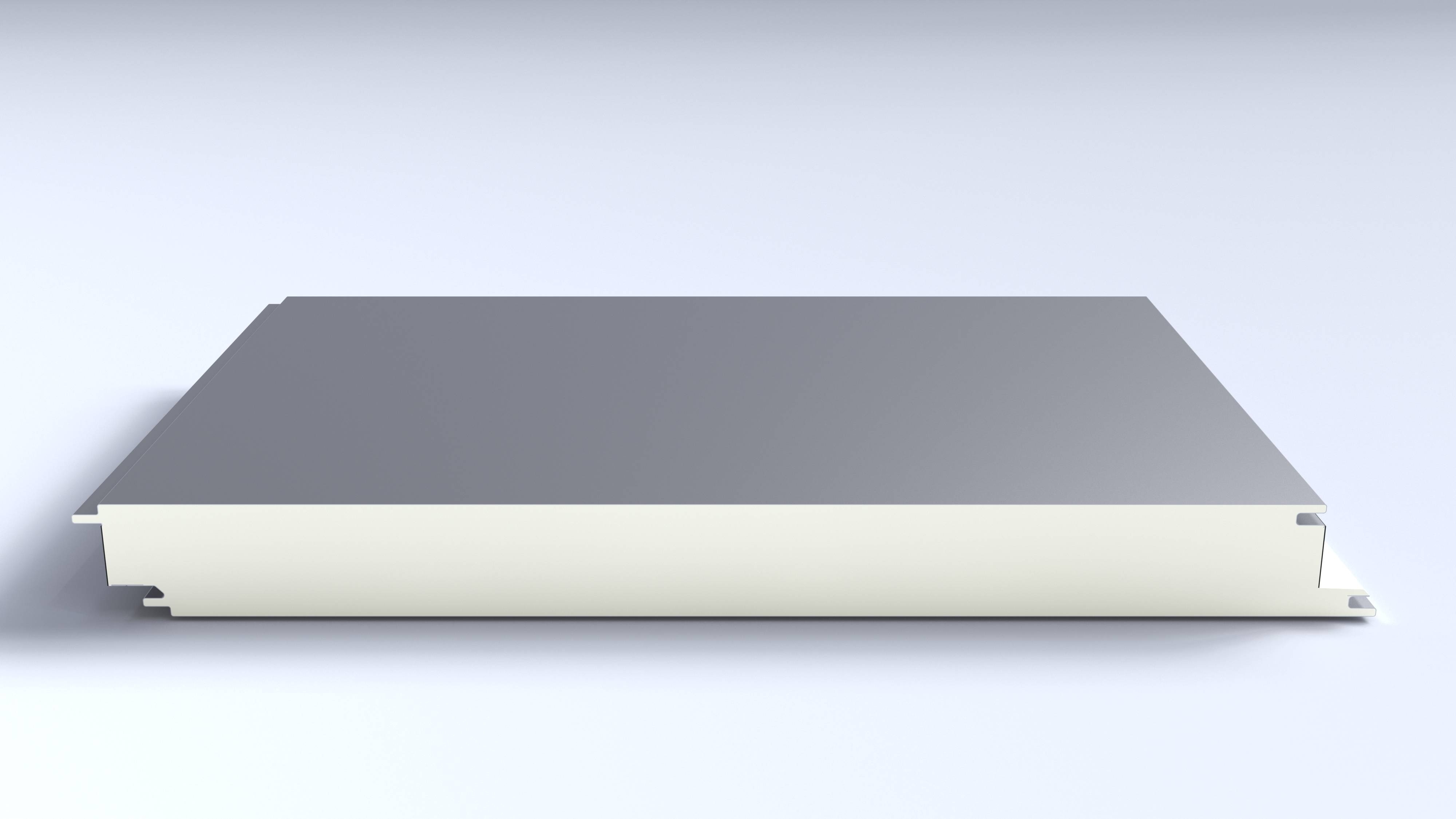
Pure Polyurethane Wall Panel BD-AEF-PIR-01
Negotiable

Pinming CCBIM
Negotiable
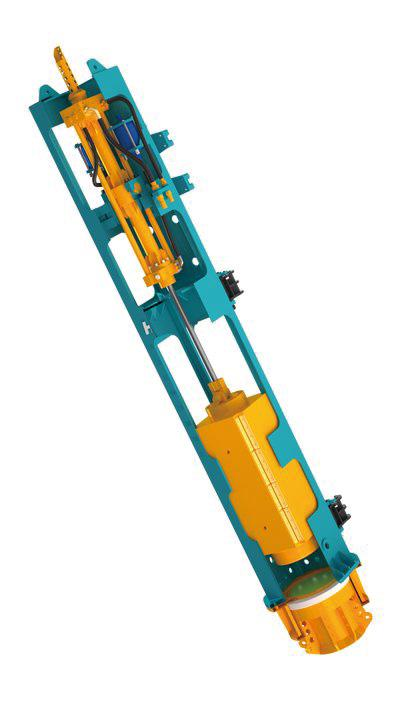
Hydraulic Pile Hammer Series
Negotiable
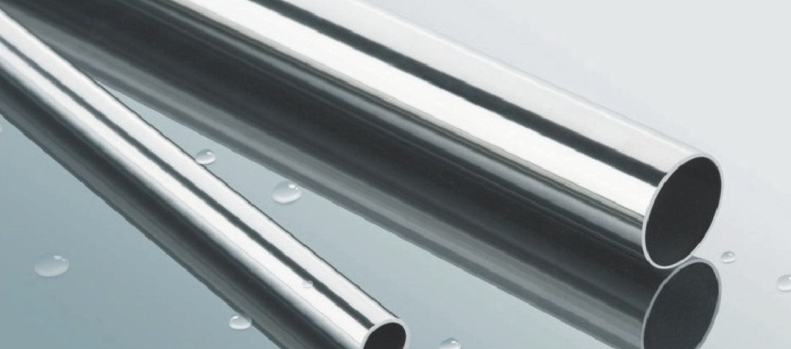
ERW Welded Pipe (Black Pipe and Hot-dip Galvanized Steel Pipe)
Negotiable
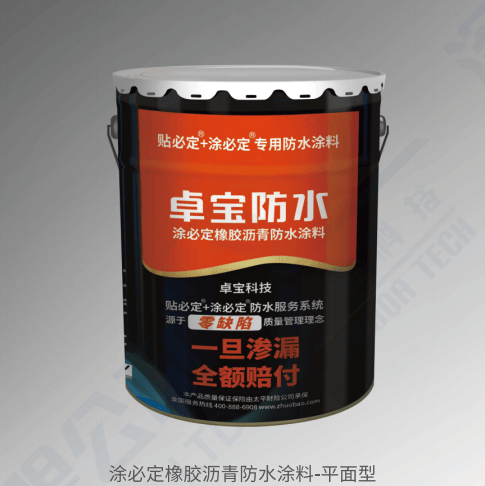
"Tiebiding + Tubiding" Waterproofing Service System
Negotiable
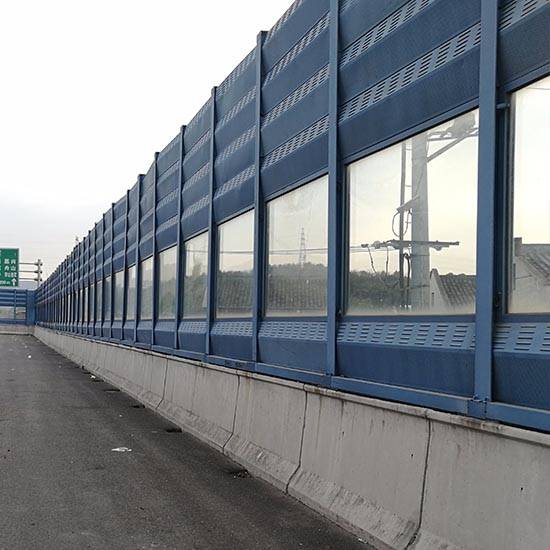
Metal sound barriers that can reduce the transmission of road noise
Negotiable /Square meters
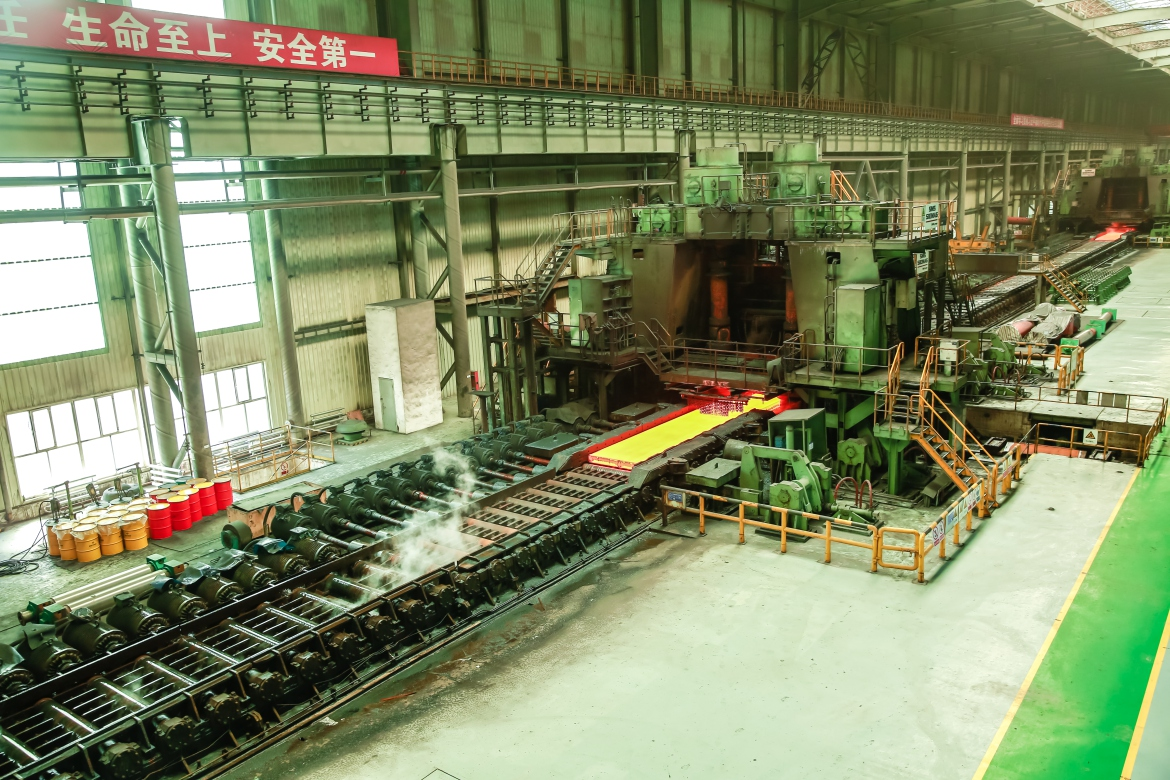
Hot-rolled Products
Negotiable

Bus Facial Payment All-in-One Machine
Negotiable
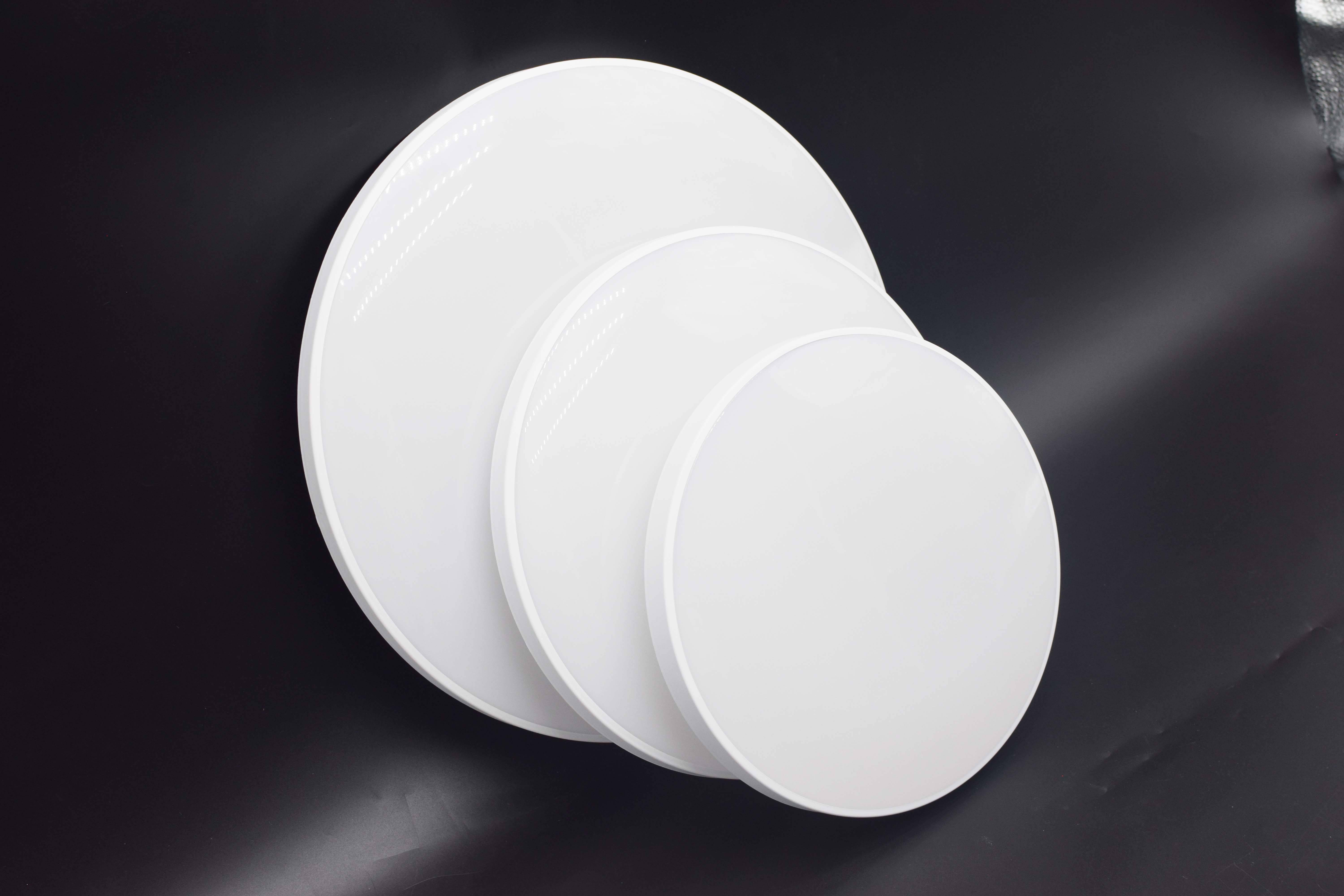
Ceiling light | led Ceiling Light | LED Indoor light | LED Ceiling lighting
Negotiable /PCS
Section Steel
Negotiable
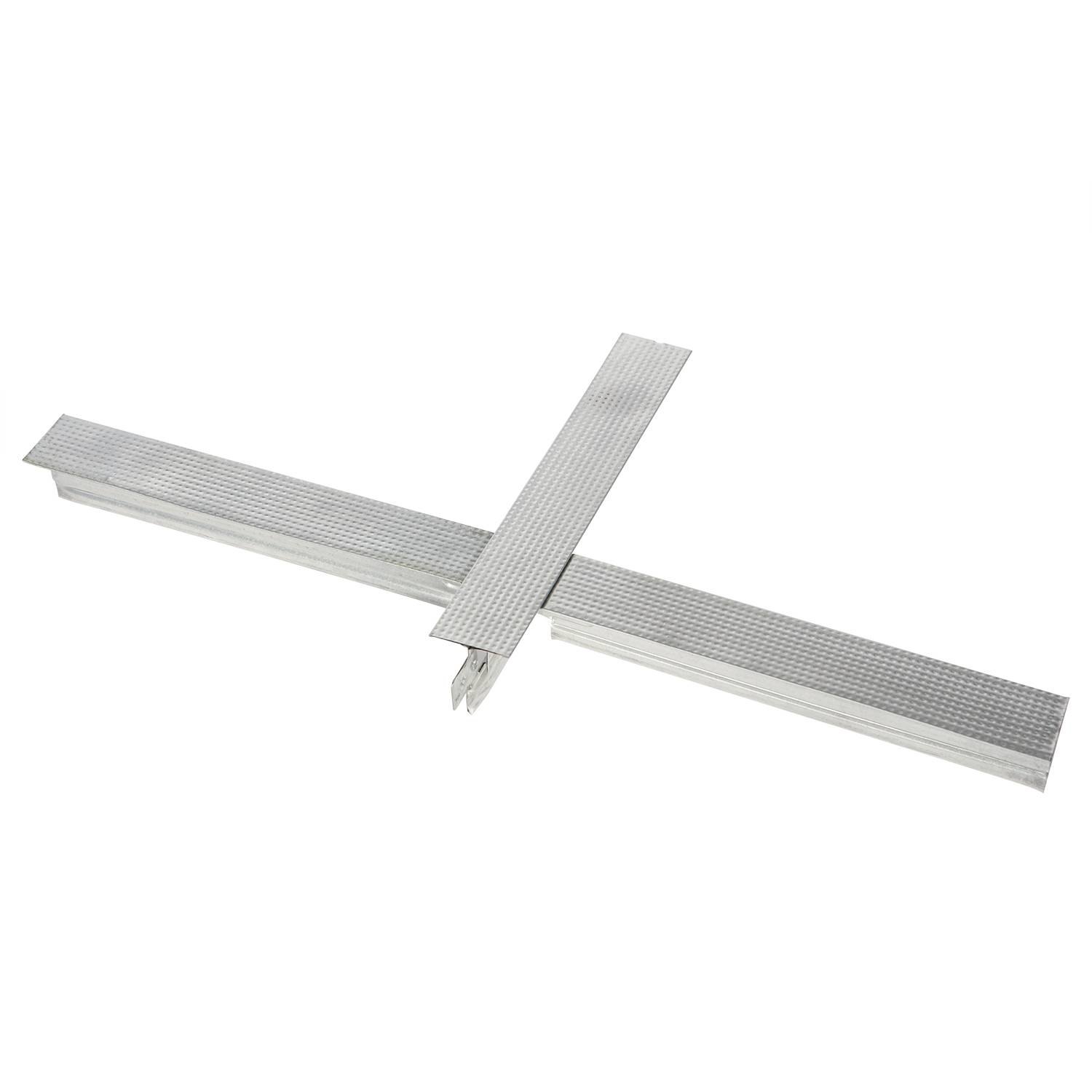
T-Shaped Painted Keel
Negotiable
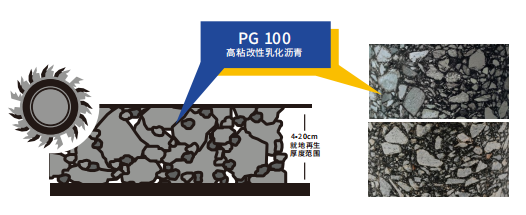
High-toughness in-Situ Cold Recycling Technology for Original Structural Layers
Negotiable /m²