
| Notice Type | Tender Announcement |
|---|---|
| Notice No. | 129628005 |
| Description |
Project Name: New Construction of the Stjärneholm T4 Pump Station, Hässleholm Project Number: HMAB 2026-00117 Project Location: Skåne County, Sweden Project Overview and Design Principles The new construction of the Stjärneholm T4 pump station is located in Hässleholm Municipality, Skåne County, Sweden, and is a key project aimed at enhancing regional water infrastructure capacity. The pump station design must comprehensively consider hydrogeological conditions, flow parameters, energy efficiency, and future maintenance needs. According to the Swedish standard SS-EN 476:2022 "General requirements for components used in drains and sewers", components such as pipes, joints, and inspection chambers used in the pump station must meet the requirement of a maximum pressure of 40 kPa for gravity flow systems and be suitable for conveying domestic sewage, rainwater, and surface water. Furthermore, the pump station construction must also refer to relevant standards established by the CEN/TC 165 committee to ensure the entire process from design and construction to acceptance complies with unified European norms. Civil Works and Structural Design Excavation Pit and Support The construction of the pump station first faces the challenge of foundation pit engineering. Drawing on the successful experience of the "Pumping station 40" project in Luleå, a helical welded steel pipe pile wall scheme can be adopted for pit support. That project used RD400/12.5 steel pipe piles, each 20 meters long, with a total of 850 piles installed, forming a roughly 100m x 100m square working shaft, using over 550 tons of steel. The steel pipe piles were equipped with unique RM/RF connectors, ensuring connection strength and water tightness through robotic welding processes. The application of S550J2H high-strength steel allowed the pile wall to have high bending capacity with relatively small cross-sectional dimensions, reducing the need for anchorage points and support structures. For the Stjärneholm T4 pump station, a similar multi-layer internal bracing system (typically two layers of steel pipe internal supports) can be used based on the pit depth and groundwater level to balance earth pressure and ensure construction safety. Underground Structure Construction The underground structure of the pump station typically uses cast-in-place reinforced concrete or prefabricated components. The Helsingborg seawater cooling station project provides an example of a prefabricated solution: the project used a Weholite prefabricated structure, 23 meters long with an internal diameter of 3500 mm and an external diameter of 3900 mm, making it the largest prefabricated pump station structure in Sweden. The advantage of the prefabricated solution lies in standardized production in the factory, with only positioning and installation required on-site, significantly shortening the construction period and reducing on-site construction risks. For the Stjärneholm T4 pump station, cast-in-place or prefabricated solutions can be selected based on design flow and burial depth requirements. If cast-in-place technology is used, special attention must be paid to controlling the concrete's impermeability grade (not less than P6) and waterproofing treatment, with rubber waterstops installed at deformation joints; if a prefabricated solution is used, precise calculation of lifting weight and transportation routes is necessary to ensure large components are delivered smoothly to the site. Superstructure of Pump House The superstructure of the pump station typically uses frame or masonry structures, with the floor area determined by equipment layout requirements, generally including a control room, electrical distribution room, maintenance area, and duty room. The building facade needs to harmonize with the surrounding environment. Interior floors should use anti-slip tiles or epoxy self-leveling flooring, with drainage channels and sump pits equipped with submersible sewage pumps to handle accidental water accumulation. The ventilation system uses mechanical supply and exhaust to ensure equipment cooling needs and indoor air quality. Process Equipment Configuration Pump Selection Pumps are the core equipment of the pump station, and their selection must be based on design flow and head parameters. The intake pump station project at SCA Packaging Munksund pulp mill provides a reliable reference: the project selected four ABS AFLX type submersible mixed-flow pumps, each with a flow rate of 1180 cubic meters per hour and a head of 4.95 meters. All hydraulic components, including impellers, shafts, suction bells, and diffusers, were made of stainless steel to cope with seasonal water quality variations (fluctuations in pH and humic content). For the Stjärneholm T4 pump station, a similar configuration can be referenced, determining the number of pumps based on actual needs (typically multiple pumps in parallel, serving as mutual backups), and reserving space for future upgrades. Technical Requirements for Submersible Sewage Pumps If it is a sewage pump station, submersible sewage pumps with excellent anti-clogging performance must be used. Key Component Requirements: Impeller: Use semi-open or channel-type impellers, capable of passing solid particles with a diameter of not less than 100 mm. Volute: Made of wear-resistant cast iron or ductile iron, with smooth flow channels that are not prone to clogging. Mechanical Seal: Use a tandem double mechanical seal, equipped with leakage detection probes. Motor: Class F insulation, IP68 protection rating, capable of continuous submersible operation. Lifting Device: Equipped with stainless steel lifting chains and guide rail systems to facilitate pump lifting during maintenance. Piping System Inlet Pipeline: Determine pipe diameter based on flow calculation (typically between DN300-DN800), using HDPE pipes or ductile iron pipes. The Helsingborg project used DN630 to ID3500mm Weholite pressure pipes, a material known for its corrosion resistance, long lifespan, and ease of maintenance. Outlet Pipeline: Also use corrosion-resistant materials, equipped with expansion joints and flexible couplings to absorb vibration. Valves: Install a check valve (silent or slow-closing type) and an isolation gate valve on the outlet pipeline of each pump; install a flow control valve on the main pipeline. Flow Meter: Use electromagnetic flow meters with an accuracy of not less than 0.5%, for real-time monitoring of conveyed flow. Screen and Grit Removal System Mechanical Screen: Use rotary or step-type screens, with bar spacing determined by the pump's passage capability (typically 10-30 mm). Screw Press/Compactor: Paired with the screen, it de-waters and compacts the intercepted screenings for external disposal. Differential Level Control: Automatically initiates the cleaning program based on the liquid level difference before and after the screen. Electrical and Automation Control System Power Supply and Distribution System Power Supply Configuration: The pump station uses dual power supply circuits with automatic transfer switching at the end, with switching time meeting specification requirements (not more than 2 seconds). Dedicated transformers (SCB18 dry-type or oil-immersed transformers) are configured to meet the total equipment capacity demand. Distribution Cabinet: Use GGD or MNS type low-voltage distribution cabinets, equipped with smart meters to monitor power quality. All power circuits are equipped with motor protectors, providing overload, short-circuit, phase loss, and locked rotor protection. Lightning Protection and Grounding: Install lightning rods or lightning conductors, with grounding resistance not exceeding 1 ohm. Surge protectors are configured at the power supply end, and signal line lightning arresters are installed on signal lines. Automation Control System Control Hierarchy: Field Level: Level sensors, pressure transmitters, flow meters, motorized valves, etc. Control Level: The PLC cabinet is configured with a main control module, I/O modules, and communication modules to collect field signals and execute logic control. PID control algorithms are used to regulate pump frequency and start/stop. Monitoring Level: SCADA system on the host computer, configured with industrial-grade touch screens or industrial PCs, displaying the process flow, trend curves, and alarm records in real-time. Control Modes: Manual Mode: Direct start/stop of a single pump via a local control box. Automatic Mode: Automatically controls pump start/stop and rotation based on the wet well level, with low-level pump protection shutdown and high-level backup pump start. Remote Mode: Accepts commands from the central control room for remote operation. Communication Protocol: Use industrial standard protocols such as Modbus TCP/IP or Profibus DP to achieve data exchange with the superior dispatching system. Instrumentation and Sensing Level Measurement: Submersible level transmitters or ultrasonic level transmitters, measuring range 0-10 meters, accuracy 0.5% FS. Pressure Measurement: Diaphragm-type pressure transmitters to measure pump outlet pressure. Flow Measurement: Electromagnetic flow meters installed in straight pipe sections, ensuring 5D upstream and 3D downstream straight lengths. Water Quality Monitoring: Optionally equipped with pH meters, turbidity meters, COD online monitors, etc. (depending on process requirements). Toxic Gas Detection: Hydrogen sulfide, methane, and oxygen detectors to ensure safety in confined space operations. Auxiliary Facilities and Specialized Design Ventilation and Deodorization System Air Intake System: Axial fans bring fresh outdoor air into the bottom of the pump house. Exhaust System: Centrifugal fans extract contaminated indoor air to the outside, with exhaust outlets positioned above the roof or away from intake vents. Deodorization Unit: For sewage pump stations, activated carbon adsorption or biological deodorization units need to be installed to reduce odor impact on the surrounding environment. Lifting Equipment Electric Single-Girder Crane: Lifting capacity determined by the heaviest component (typically 1-5 tons). Manual Hoist: Small pump stations can use I-beam tracks with manual hoists. Fire Protection and Security Fire Protection System: Equipped with portable fire extinguishers (dry powder or CO2), smoke detectors installed in the electrical room. If it is an unattended pump station, it must comply with relevant Swedish fire codes. Security System: Install infrared cameras for 24-hour video surveillance. The access control system uses card or code entry. The perimeter is equipped with electronic fences or vibration-sensing fiber optics. Auxiliary Facilities Water Supply and Drainage: Install sinks and mop sinks inside the pump station, with wash water sourced from municipal supply (requires a backflow preventer). Heating and Ventilation: In northern regions, electric heaters or fan heaters need to be installed to ensure indoor temperature does not fall below 5°C in winter. Signage and Labels: Complete and standardized equipment labels, safety warnings, pipeline direction signs, and other various signs. Construction and Commissioning Key Construction Milestones Dewatering of Excavation Pit: Use wellpoint dewatering or light wellpoints to lower the groundwater level to 0.5 meters below the foundation base. Main Structure Construction: Rebar tying, formwork erection, concrete pouring, strictly controlling the mix ratio of impermeable concrete and compaction density. Equipment Installation: Pump installation requires precise leveling and alignment, with coupling alignment deviation controlled within 0.05 mm. Pipeline Installation: Flange connections or welding, followed by hydrostatic pressure testing at 1.5 times the working pressure, holding for 30 minutes without leakage. System Commissioning Drawing on the experience of the Swedish Munksund pulp mill pump station project, the commissioning process includes: Individual Equipment Test Run: Start each pump one by one, checking rotation direction, vibration, noise, and current. Integrated Test Run: Simulate various operating conditions (low level, high level, maximum flow) to verify PLC control logic and interlock protection. Load Test Operation: Continuous operation for 72 hours, monitoring pump efficiency, energy consumption, and control system stability. Optimization and Adjustment: Optimize PID parameters and start/stop thresholds based on test run data. Acceptance Criteria The pump station construction must comply with relevant standards such as SS-EN 1610 "Installation and testing of drains and sewers" and SS-EN 752 "Drain and sewer systems outside buildings". Acceptance content includes civil works quality, equipment installation quality, system functional testing, and as-built documentation archiving. Operation and Maintenance Daily Inspection: Daily checks of pump operating current, voltage, temperature, level changes, and any abnormal sounds. Regular Maintenance: Clean screens quarterly, check mechanical seal oil condition every six months, perform insulation resistance tests on pumps annually. Preventive Maintenance: Use vibration analysis and thermography to predict bearing wear and electrical faults. Spare Parts Management: Stock consumable parts (mechanical seals, bearings, impellers) to ensure quick repair in case of sudden failure. Digital Twin: Where possible, establish a digital model of the pump station to simulate operational status in real-time and optimize dispatching strategies. As an important component of the water infrastructure in Hässleholm Municipality, the high-quality construction and scientific management of the Stjärneholm T4 pump station will provide a solid guarantee for regional water environment safety and sustainable water resource utilization. Estimated Contract Value: 3,000,000 SEK (excluding VAT) Estimated Construction Period: February 20, 2026 to February 20, 2027 Tendering Procedure: Participation requires registration of a user account and expression of interest on the Kommers Annons eLite platform beforehand Electronic Catalog: Not allowed |
| Documents |  Attachment.pdf (102.67 K) Attachment.pdf (102.67 K) |
Expired Tender for the New Pump Station Project of Hässleholm Environmental Company, Sweden
Favorite
| Organization | Hässleholm Miljö AB | Country | Sweden |
|---|---|---|---|
| Contact | Daniel Borgander | Tel. | View more |
| View more | Address | Vankiva 9300 Avfallsanläggningen Vankiva | |
| Release Date | 2026-02-26 | Validity | 2026-03-11 |
Details
The tender information on this website is provided for reference only. If you intend to bid, please verify the authenticity and accuracy of the information with the tendering party. Our company reserves the right to adjust website content at any time and assumes no direct or indirect liability for it.Email: news@wedoany.com
Related Tenders
Related Products
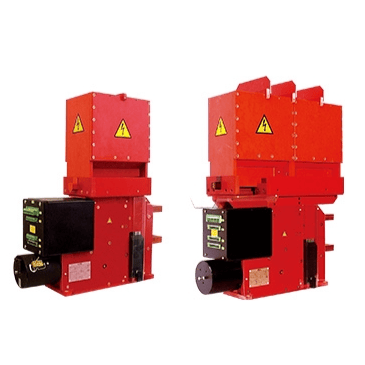
Gerapid DC Circuit Breaker
Negotiable
Section Steel
Negotiable
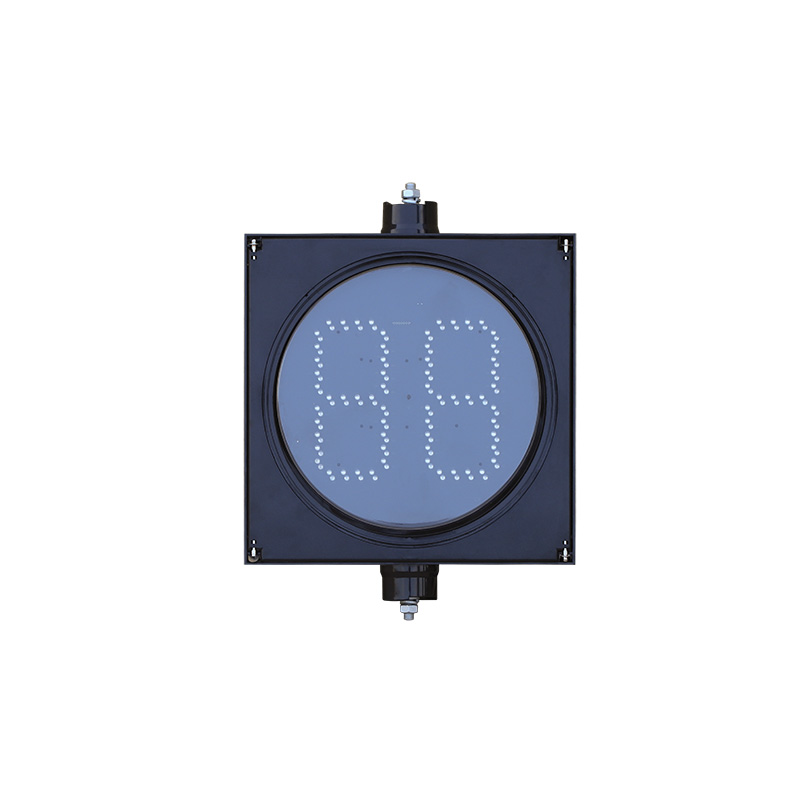
300mm Segment Type Countdown Traffic Light (Core Type)
Negotiable
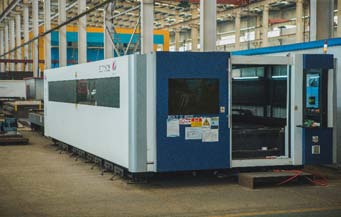
CNC Fiber Laser Cutting Machine
Negotiable
T-Shaped Painted Keel
Negotiable
China World Trade Center Project
Negotiable
Bus Facial Payment All-in-One Machine
Negotiable
CITIC Heavy Industries Tunneling Equipment Tunnel Engineering Shield Machine
Negotiable
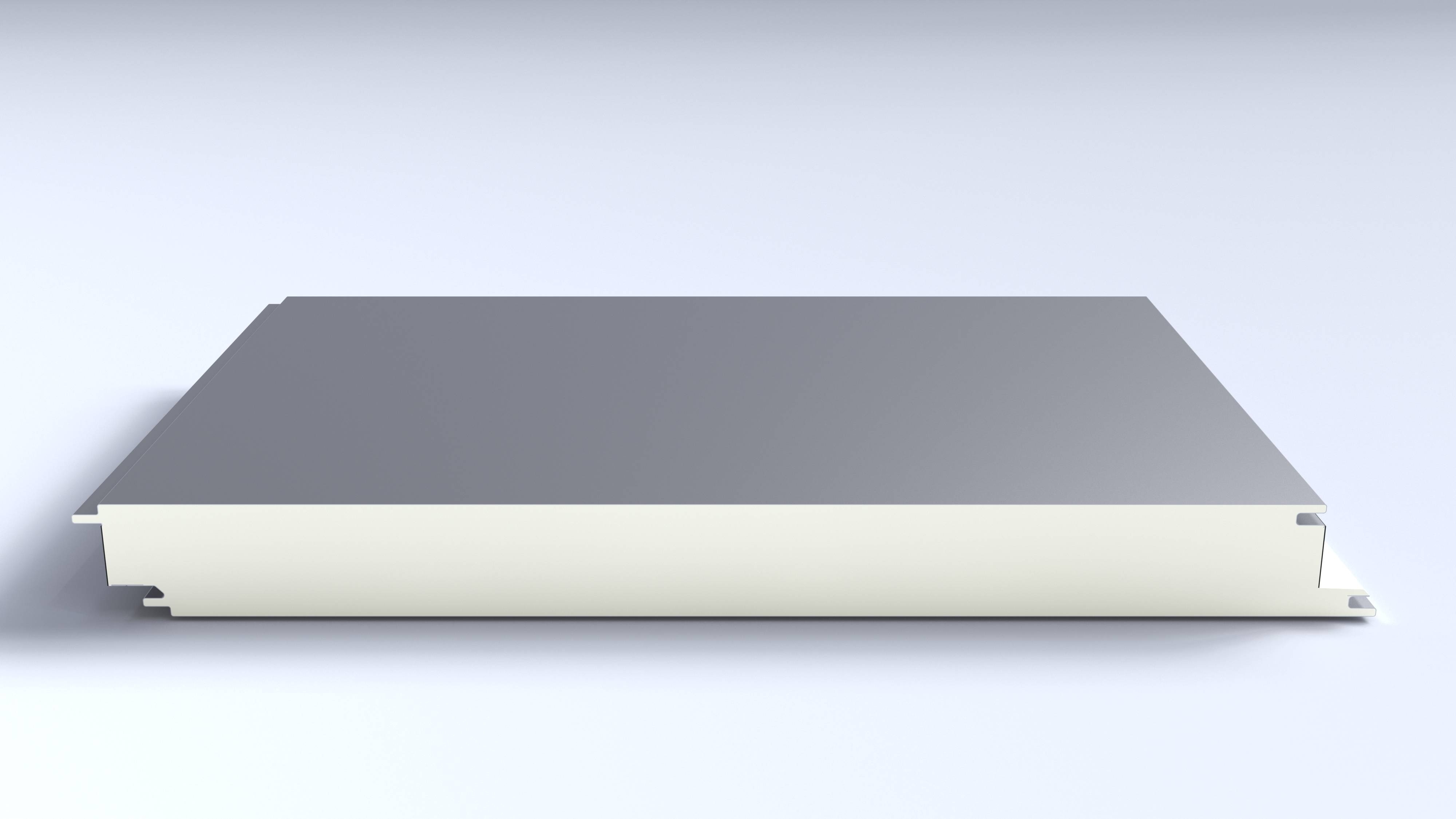
Pure Polyurethane Wall Panel BD-AEF-PIR-01
Negotiable
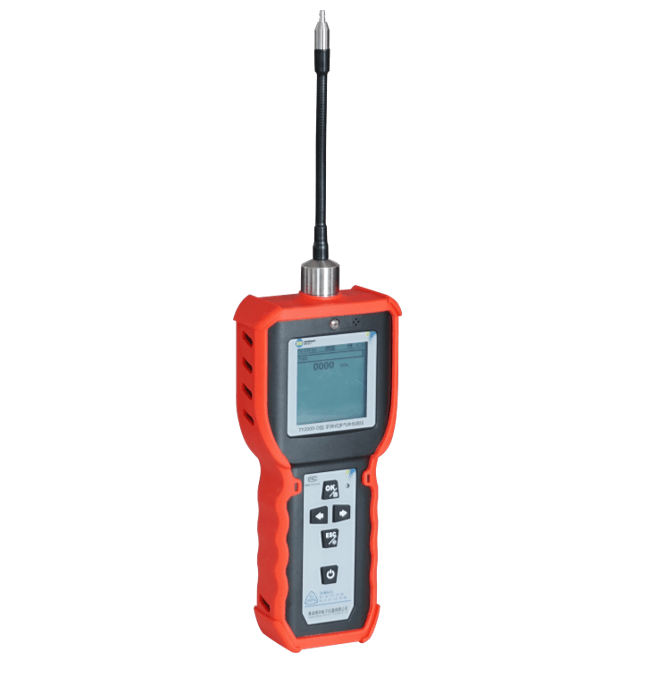
TY2000-D Portable Multi-Gas Detector
Negotiable
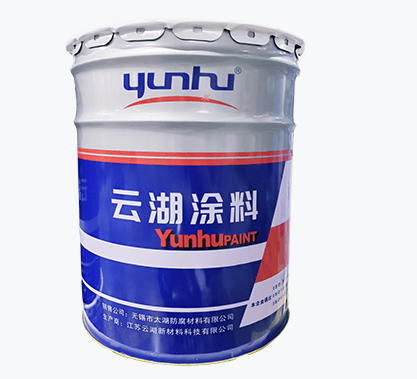
YHTank8400N Solvent-Free Liquid Epoxy Coating
Negotiable
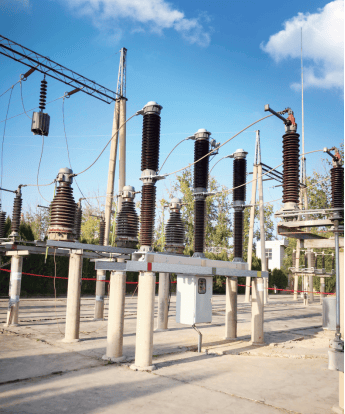
145kV Porcelain Column Type Sulfur Hexafluoride Circuit Breaker
Negotiable