
On July 11, Kansai Electric Power Company announced that it will use "cleared metal" from nuclear plant decommissioning as structural material for an emergency response center planned for Mihama-cho, Fukui Prefecture.
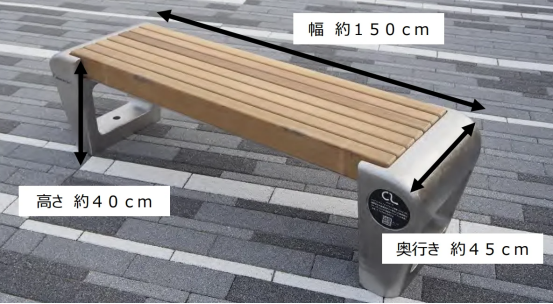
Under Japanese law, waste generated from nuclear plant decommissioning must be properly managed according to its radioactivity level. Waste with minimal impact on human health and officially verified by the Nuclear Regulation Authority is subject to the "clearance system," which allows it to be handled in the same way as general industrial waste. As part of efforts to promote this system, Fukui Prefecture has already begun using products made from cleared metal in public facilities. Governor Tatsuji Sugimoto enthusiastically stated: "Our prefecture will take the lead in Japan in recycling and industrializing cleared metal."
This marks Japan's first use of such cleared metal as a primary structural component in a building. According to Kansai Electric Power Company, cleared metal from the Japan Atomic Energy Agency (JAEA) prototype advanced thermal reactor Fugen will be blended with ordinary metal at a 15% ratio and processed into rebar for the emergency response center. The facility will use a total of 75 tons of rebar, of which approximately 5 tons will be cleared metal. The three-story above-ground center will accommodate up to 250 people. To strengthen nuclear disaster response capabilities, it will be equipped with enhanced communication systems, radiation protection facilities, emergency power supplies, and more, with operations scheduled to begin around 2029.
Kansai Electric Power Company stated: "We will work to reduce radioactive waste generated during the operation, maintenance, and decommissioning of nuclear power plants and contribute to building a circular society through the clearance system."