
A new decade-long study from the University of Idaho shows that moderate cattle grazing on public lands does not reduce sage-grouse nesting success, indicating that sage-grouse and cattle can coexist harmoniously on the same land in southern Idaho.
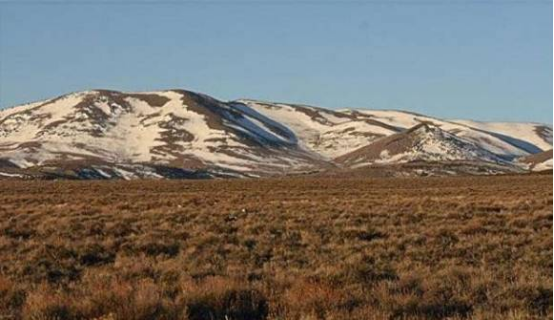
In the early 21st century, spring grazing on federal lands faced significant opposition due to a lack of scientific evidence. Against this backdrop, a large-scale research project on sage-grouse and cattle grazing was launched. Data collection for the project concluded in August 2023, and the full report has now been released and made publicly available.
Courtney Conway, Professor of Wildlife Sciences at the University of Illinois and leader of the Idaho Cooperative Fish and Wildlife Research Unit at the U.S. Geological Survey, stated that nesting success and insect biomass appear unaffected by low-to-moderate cattle grazing.
This research project was an unprecedented collaboration aimed at assessing the impact of spring grazing on sage-grouse nesting and brood-rearing success under the grazing levels permitted by the Bureau of Land Management (BLM) on public lands in southern Idaho. Conway worked with Karen Launchbaugh, Professor of Rangeland Ecology at the University of Illinois, biologists from the BLM, Idaho Department of Fish and Game, the Idaho Governor's Office of Species Conservation, and several other partners to provide scientific evidence for decision-making.
Conway noted that previous decisions regarding sage-grouse and cattle lacked scientific support. Until this study, the effects of spring grazing on nesting sage-grouse, brood survival, or other key metrics were unclear.
During the study, Conway's team collaborated closely with local ranchers holding BLM grazing permits who agreed to participate in the long-term project. They collected and analyzed data annually from five study sites in Idaho to examine the impact of currently permitted low-to-moderate grazing levels on sage-grouse nesting and brood-rearing, though more intensive grazing could yield different results.
Co-lead researcher Launchbaugh said the findings are significant for the ranching community, which had been concerned about the potential consequences if scientists found spring grazing harmful to sage-grouse. Now, rigorous science shows that cattle and sage-grouse can coexist under the study conditions, and responsible public land grazing can continue without harming sage-grouse.
Over the 10-year study period, researchers captured and radio-collared more than 1,300 female sage-grouse at five sites in Idaho, documented the fate of 1,285 nests, and tracked 399 broods to assess the impact of spring cattle grazing on sage-grouse.