

The product complies with Q/WTH 33-2016 TH-9300 Pollution Source Mercury Sampler (Dust Sampler); EPA 30B Activated Carbon Adsorption Tube Method for Determination of Gaseous Total Mercury Emissions from Coal Combustion Pollutants.
Application Scope
The mercury adsorption tube is used to collect gaseous total mercury (including elemental mercury and oxidized mercury), complying with US EPA environmental method 30B. It is used in conjunction with the TH-9300 pollution source mercury sampler for pollution source exhaust gas and with the TH-9310 atmospheric mercury sampler for ambient air to collect gaseous total mercury. The mercury adsorption tube is one of the important components in the gaseous total mercury content testing method. The mercury adsorption tube can be added with different amounts of internal standard according to customer requirements, with an addition range of (10~50000) ng.
Instrument Features
•Extremely low mercury background content, less than 5ng/g, no interference with low-concentration data;
•Large adsorption capacity, high capture efficiency, not prone to breakthrough due to high mercury background;
•Suitable for high-flow sampling, ensuring no pressure loss caused by the filled adsorbent to the sampling equipment, effectively avoiding pump overload under negative pressure in the flue, ensuring continuous and stable sampling flow;
•Good capture rate even under high-temperature and high-humidity field conditions, with data unaffected;
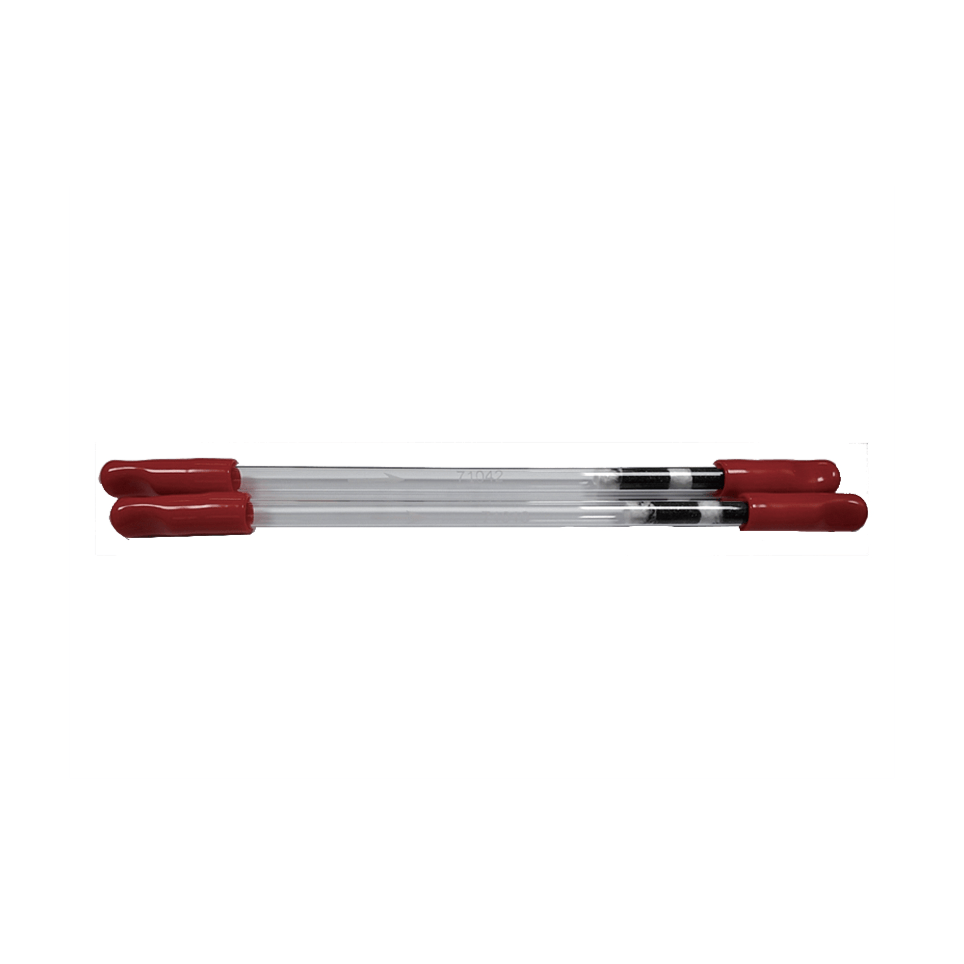
•Sealing sleeves at both ends of the adsorption tube, resistant to high and low temperatures, effectively preventing activated carbon from external contamination;
•Unique serial number for easy control of the sampling and analysis process;
•Precise manufacturing size, length 185mm, 10mm outer diameter, widely applicable to various brands of mercury samplers;
•Each adsorption tube is marked with an installation direction arrow for easy connection with sampling equipment on site;
•On-site breakthrough rate and consistency of dual adsorption tubes both meet the requirements of US EPA Method 30B.