

Product Compliance
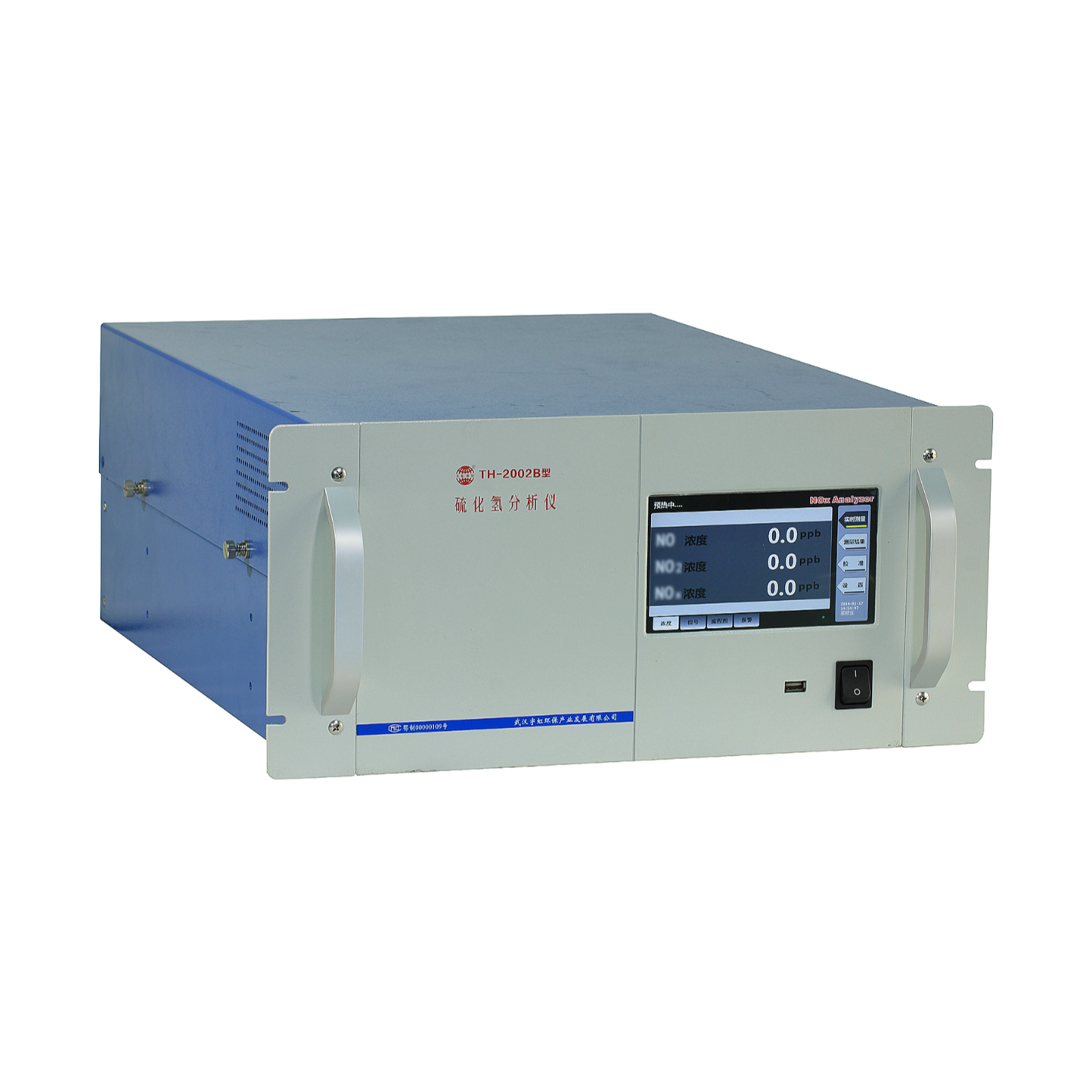
The product complies with Q/WTH 12-2025 TH-2002B Hydrogen Sulfide Analyzer; GB 3095-2012 Ambient Air Quality Standard; HJ 654-2013 Technical Requirements and Detection Methods for Continuous Automatic Monitoring Systems for Ambient Air Gaseous Pollutants (SO2, NO2, O3, CO); HJ1394-2024 Technical Requirements and Detection Methods for Automatic Monitoring Systems for Ambient Air Gaseous Pollutants (Ammonia, Hydrogen Sulfide).
Instrument Principle
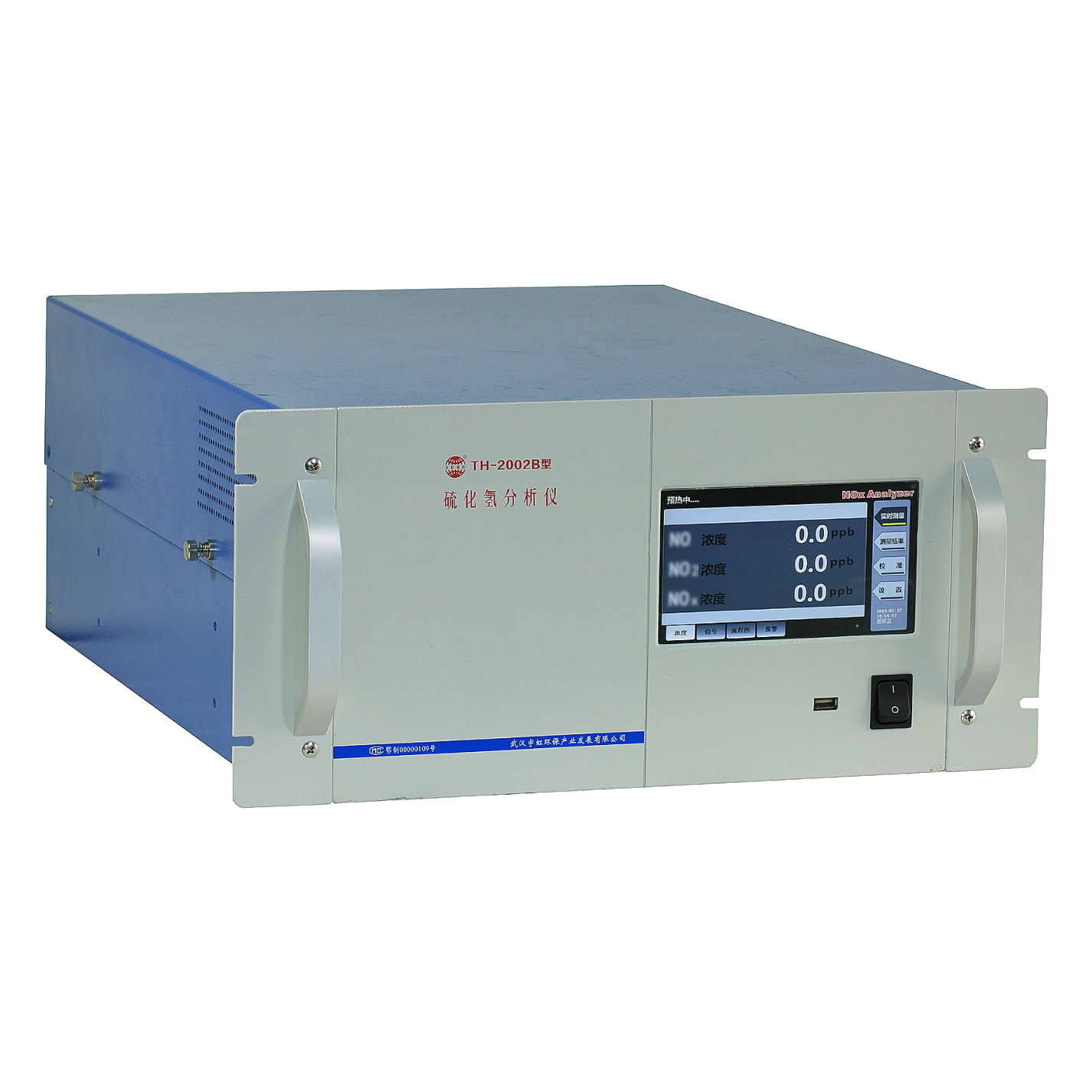
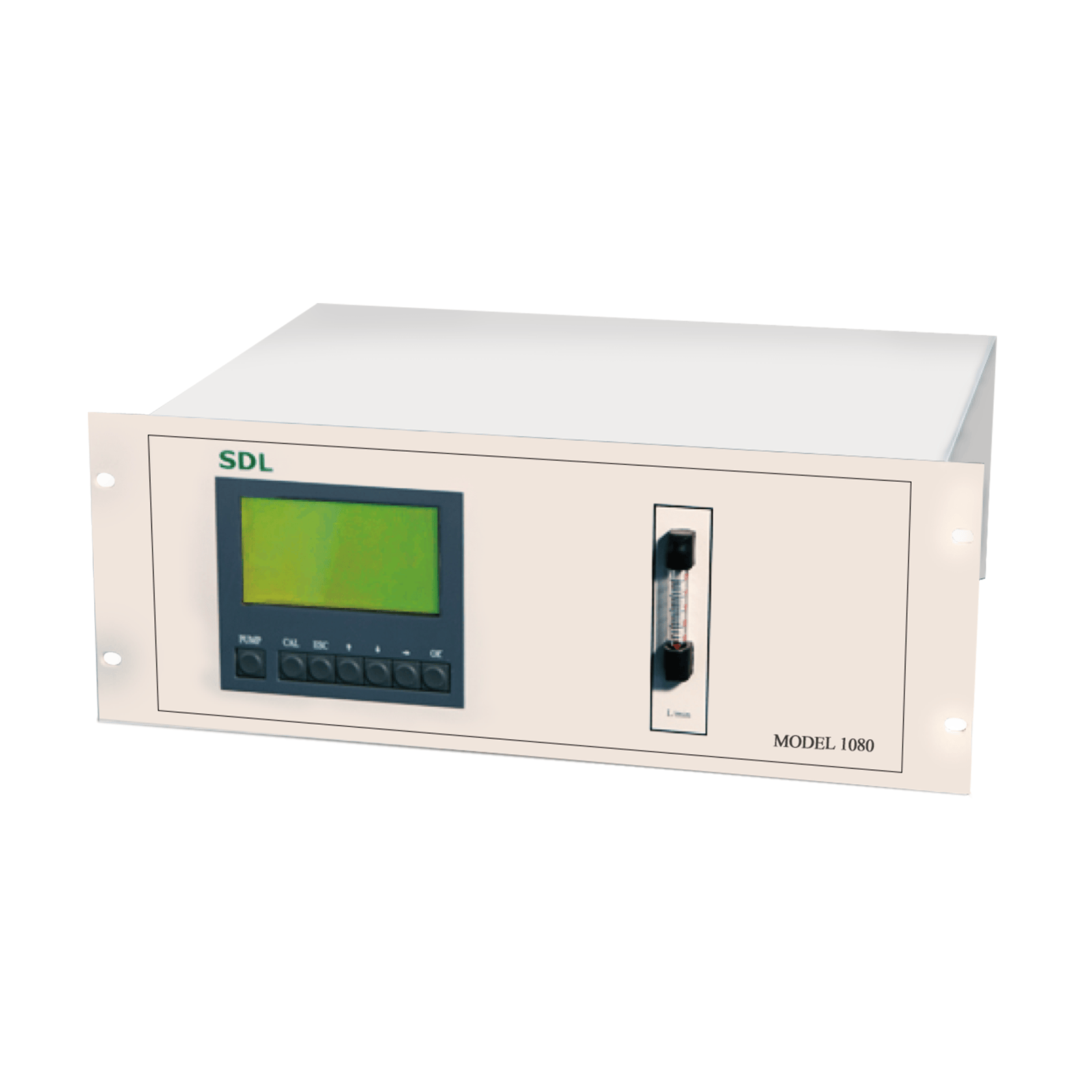
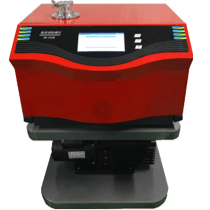
The detection process of the analyzer is based on the ultraviolet fluorescence method principle. H2S in the air is converted to SO2 with a certain conversion efficiency. The sample gas after conversion is irradiated by a Zn lamp to make SO2 gas molecules become excited SO2. When the excited SO2 molecules return to the ground state, they emit fluorescence. By measuring the change in fluorescence intensity, the SO2 concentration in the sample gas can be measured, and finally converted to H2S concentration through a formula. The analyzer adopts the latest photoelectric technology, which improves reliability and stability while enhancing technical performance. The analysis results are directly displayed on the LCD on the front panel and can also be uploaded to the local data receiving center through the network. Hydrogen sulfide has become an important air quality indicator and routine measurement item for environmental monitoring stations in various regions. This machine also provides an indispensable instrument and means for industrial and mining enterprises and universities in ambient air quality monitoring and scientific research.
Instrument Features
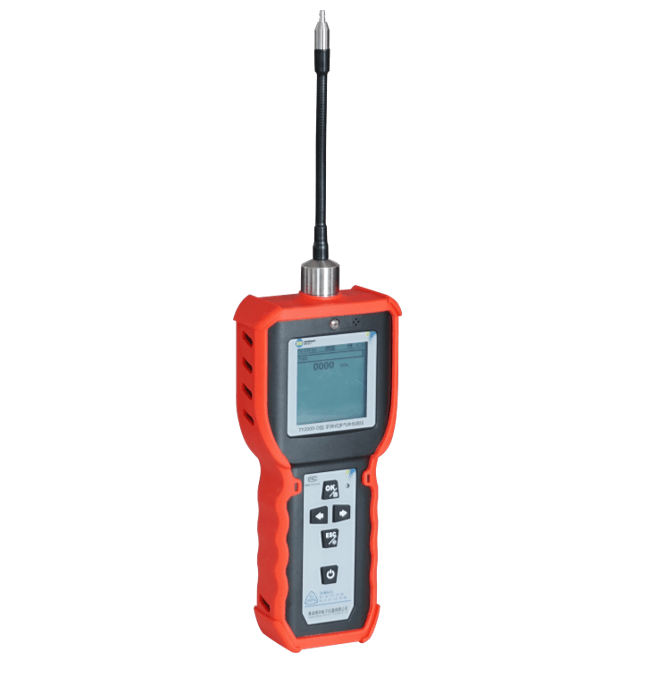
• Integrated model, DC power supply, portable, can monitor H₂S concentration in ambient air at selected sites at any time;
• Adopts full Chinese menu-style operation interface, intuitive and convenient;
• This machine has fault alarm display, can quickly determine the cause of failure and take timely measures to solve it, improving equipment operation efficiency;
• This machine can achieve automatic calibration, remotely control the instrument for calibration through remote commands, truly realizing 24-hour unattended operation and improving the automation level of the system;
• Remote monitoring function. This machine realizes data transmission between the instrument and the sub-station host computer and automatic monitoring of the instrument by the host computer through modern communication technology and multiple digital interfaces. Remote data transmission between sub-stations and central stations is realized through the network, providing reliable guarantee for environmental protection monitoring departments to analyze and monitor pollution source data.