

Instrument Principle
This instrument adopts the ultraviolet absorption method. The basic working principle is: ozone can absorb ultraviolet light at a wavelength of 254nm, and the strength of absorption is related to its concentration. The sample gas detection method is: a low-pressure mercury lamp emits ultraviolet light at 254nm, which irradiates the detection chamber. The detection chamber alternately passes sample gas (sample gas containing ozone) and reference gas (sample gas with ozone removed). Through the light intensity ratio of the two, the concentration of O3 in the sample gas is calculated using the Lambert-Beer law. The optical path uses two monitoring paths: one as the sample gas optical path for measurement, and the other as the reference optical path to monitor changes in the zinc lamp light source, automatically compensating for light source changes.
Instrument Features
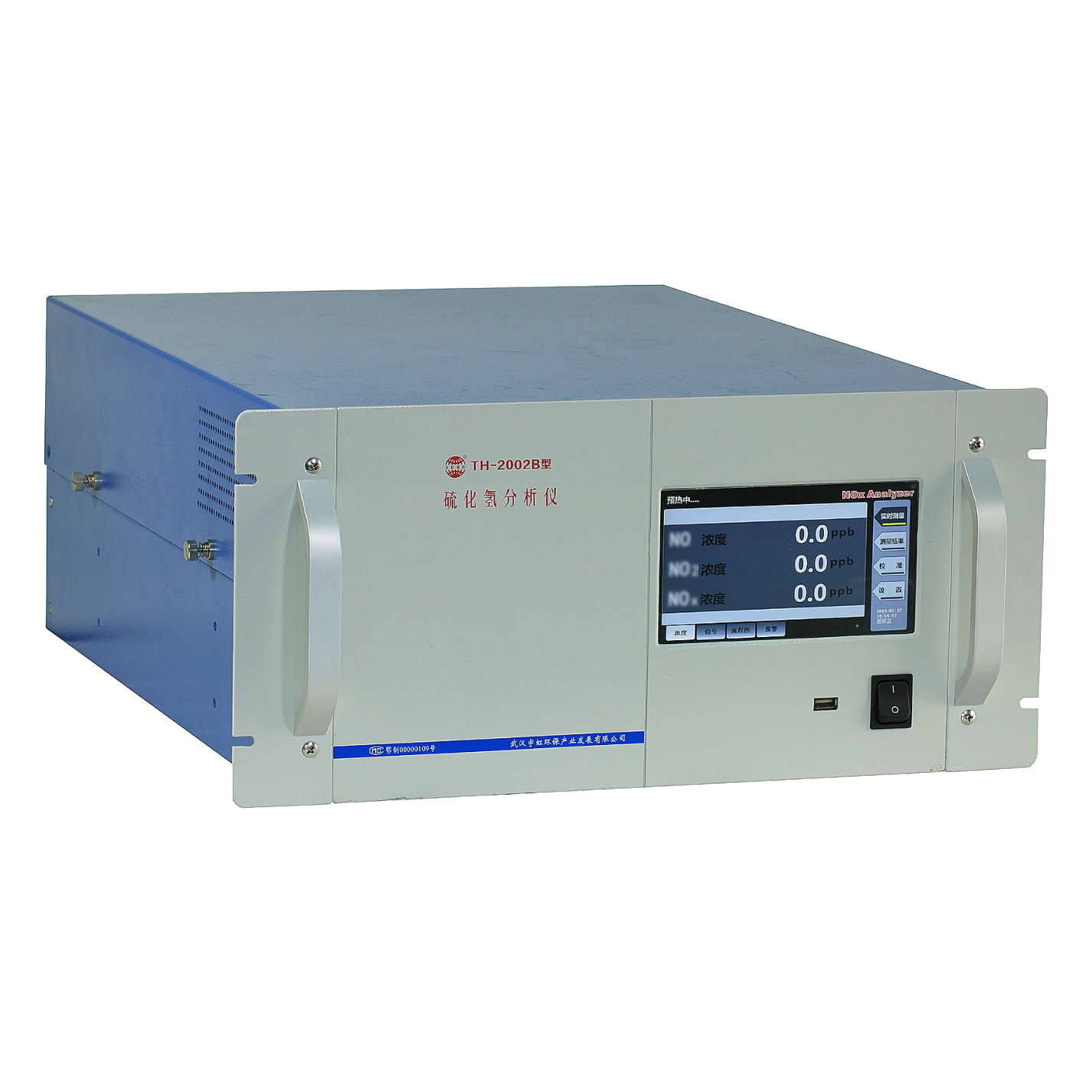
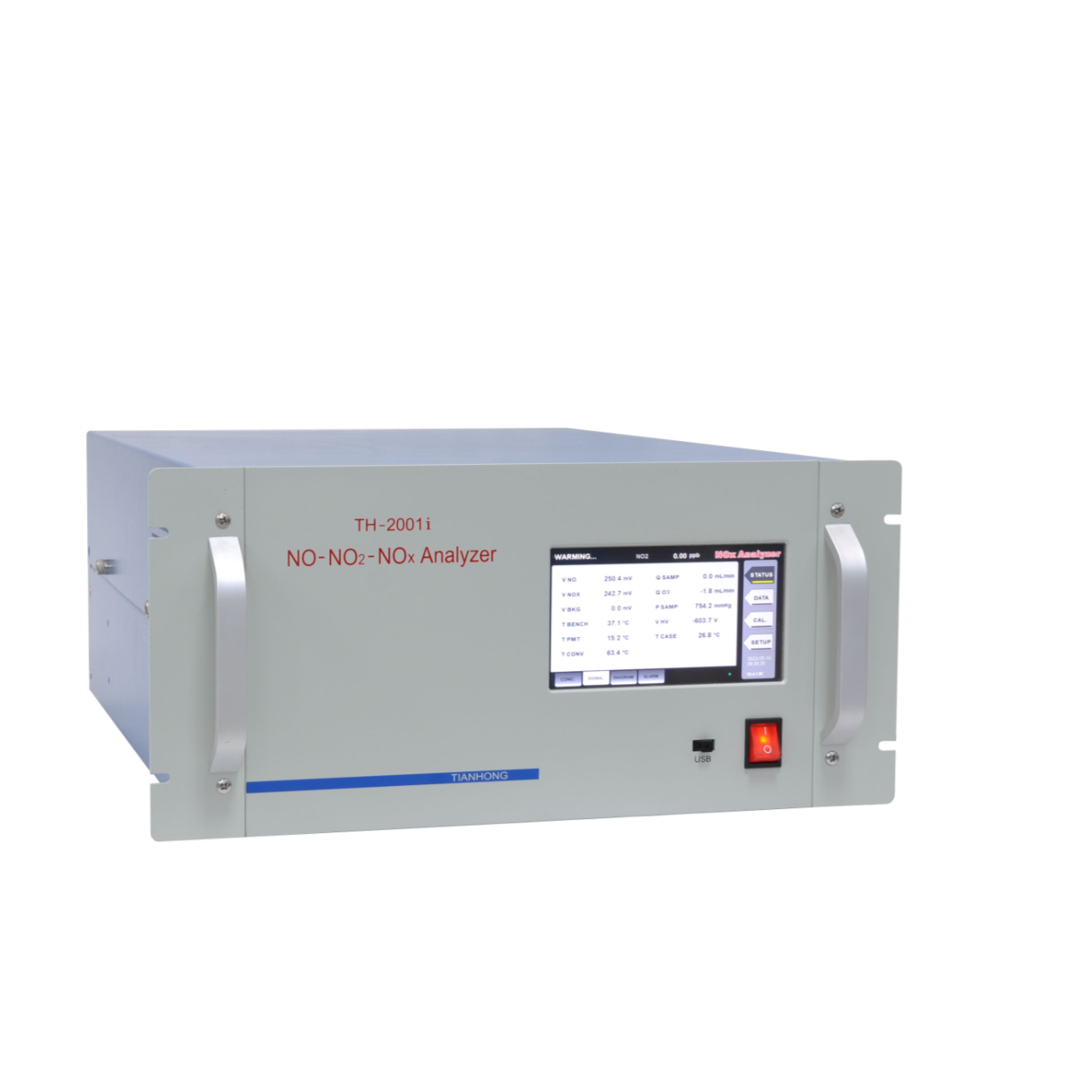
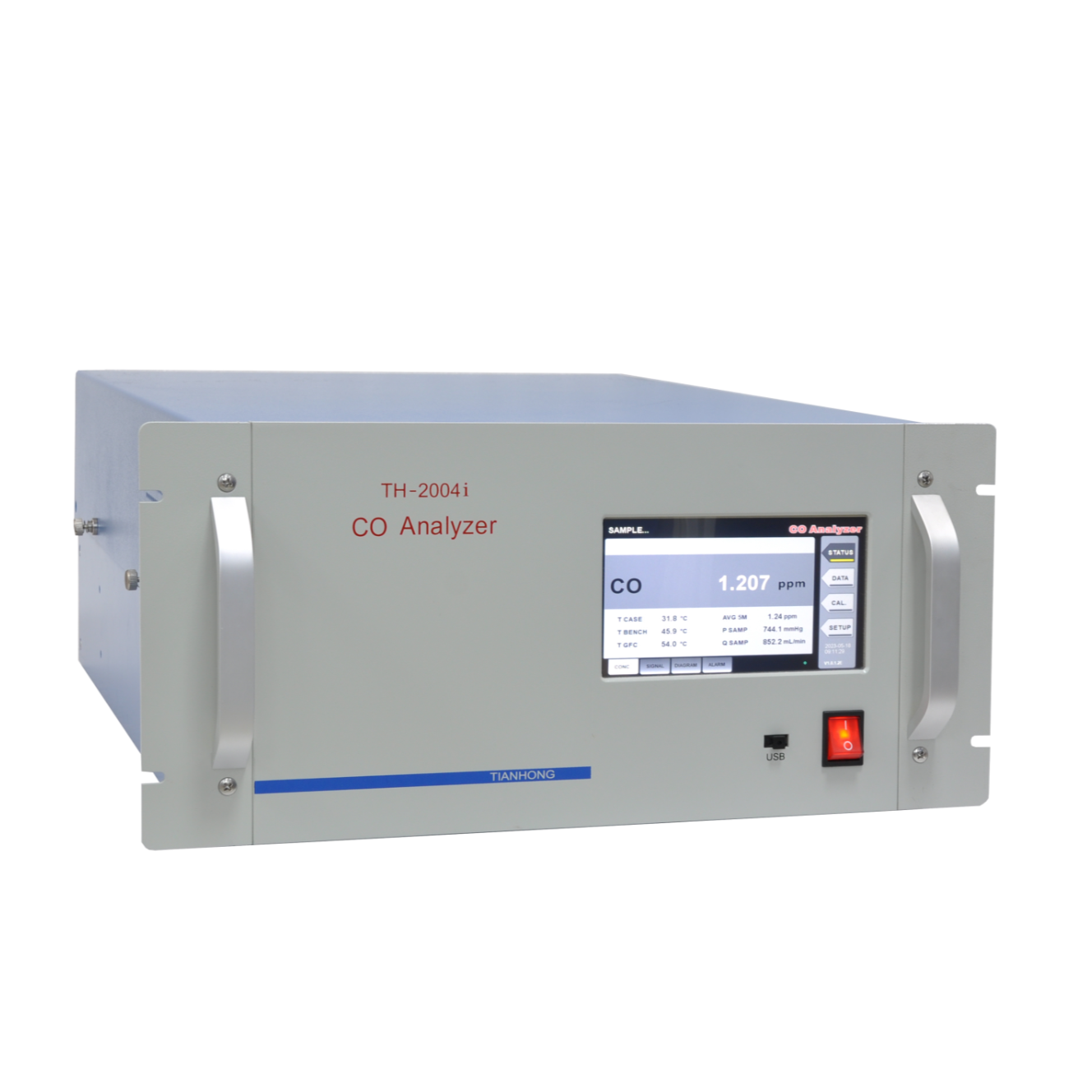
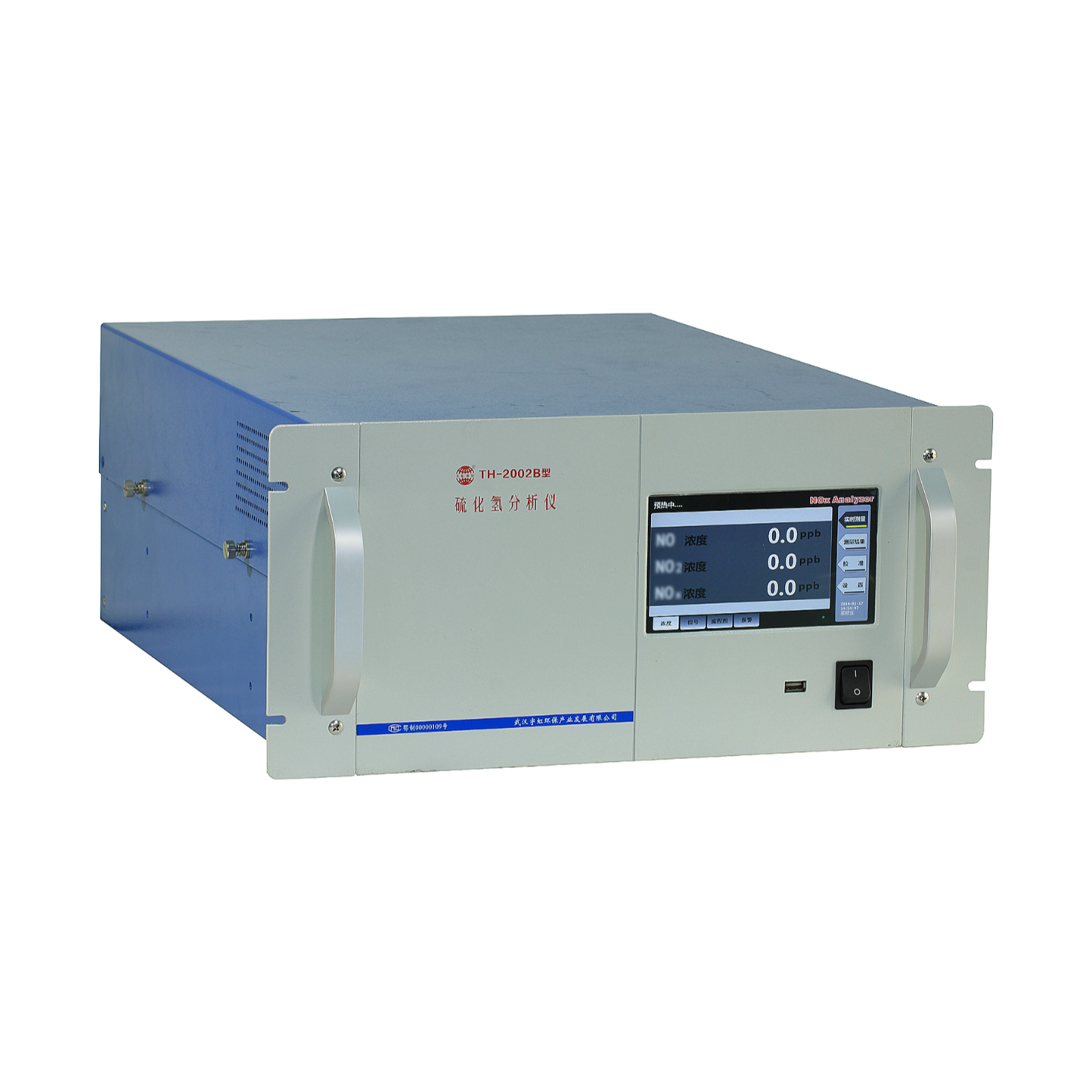
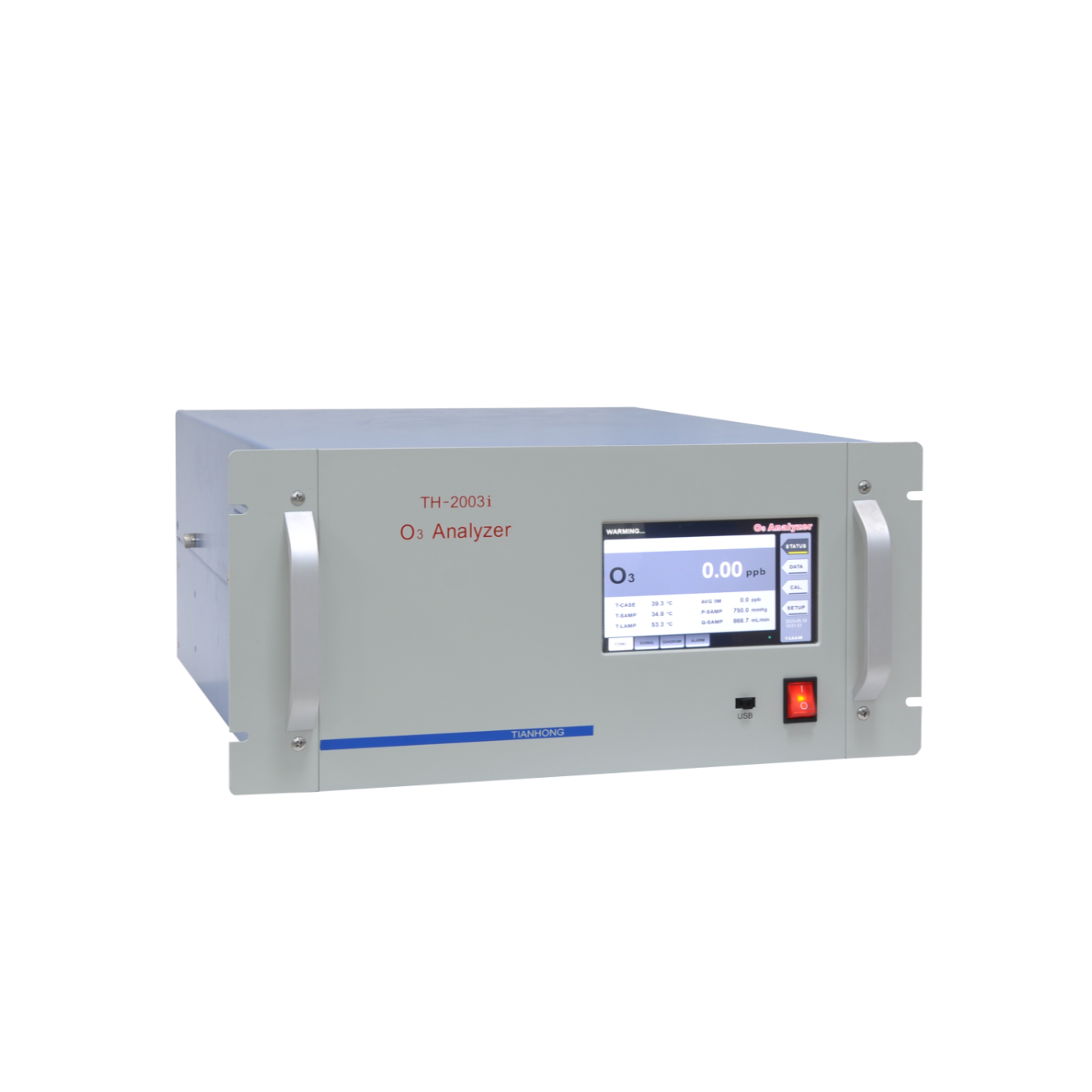
• Adopts 7-inch full-touch color screen, monitoring values can be switched freely between ppb, ppm, μg/m³, mg/m³;
• Chinese and English menu-style operation interface, easy to operate;
• With automatic range switching function;
• Monitoring values can be displayed graphically, and graphic curves can be freely zoomed;
• With automatic temperature and pressure compensation function;
• Adopts adaptive optimization algorithm to achieve optimal response time and signal-to-noise ratio;
• Supports remote calibration and remote diagnosis of internal working parameters;
• Massive historical data storage, 18 months of valid data, query and output functions (one record every 5 minutes);
• With multi-parameter alarm function;
• All valves and fittings are made of PTFE or PVDF to minimize impact on measurement results.