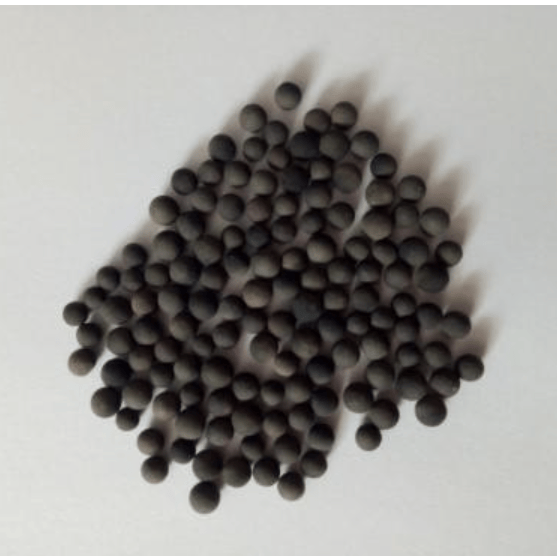


Low-Temperature Methanol to Hydrogen Catalyst SCST-404
Price: 1130-1500/kg
- Principle of Methanol to Hydrogen
After mixing methanol and water in a certain proportion, and then vaporizing and superheating, under certain temperature, pressure and flow conditions, through the action of the catalyst, methanol reforming reaction and carbon monoxide shift reaction occur, finally generating a mixed gas of hydrogen and carbon dioxide.
The methanol-water reforming reaction is a multi-component, multi-reaction gas-solid catalytic complex reaction system.
The main reactions are:
CH3OH⇔CO+2H2 -90.7kJ/mol
CO+H2O⇔CO2+H2 +41.2kJ/mol
The overall reaction is:
CH3OH +H2O ⇔ CO2+3H2 -49.5kJ/mol
The single-pass conversion rate of methanol is high. After treatment, the generated mixed gas enters the fuel cell for power generation.
- Main Technical Specifications of Catalyst
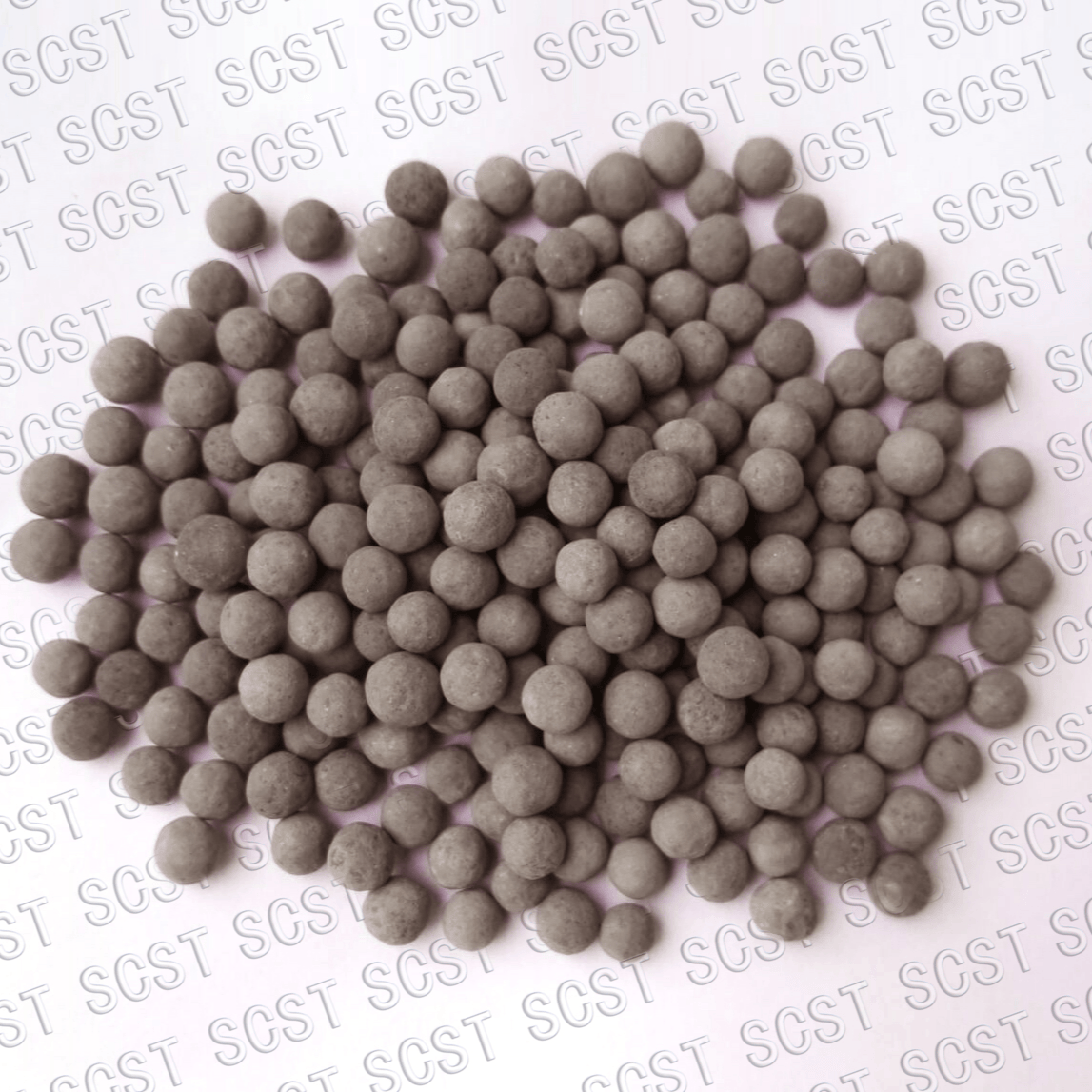
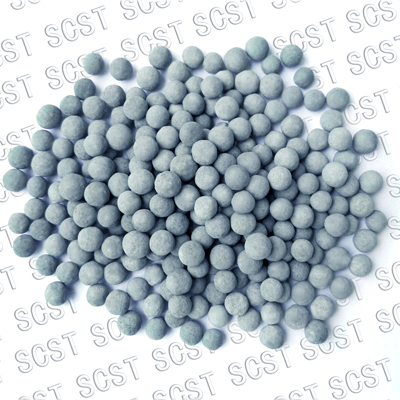
SCST-404 low-temperature methanol to hydrogen catalyst has excellent performance. After multiple tests under experimental conditions, the methanol conversion rate is high. Its main performance indicators are as follows:
|
SCST-404 Low-Temperature Methanol to Hydrogen Catalyst Performance Indicators |
||
|
Item and Unit |
Parameter and Indicator |
|
|
Physical Properties |
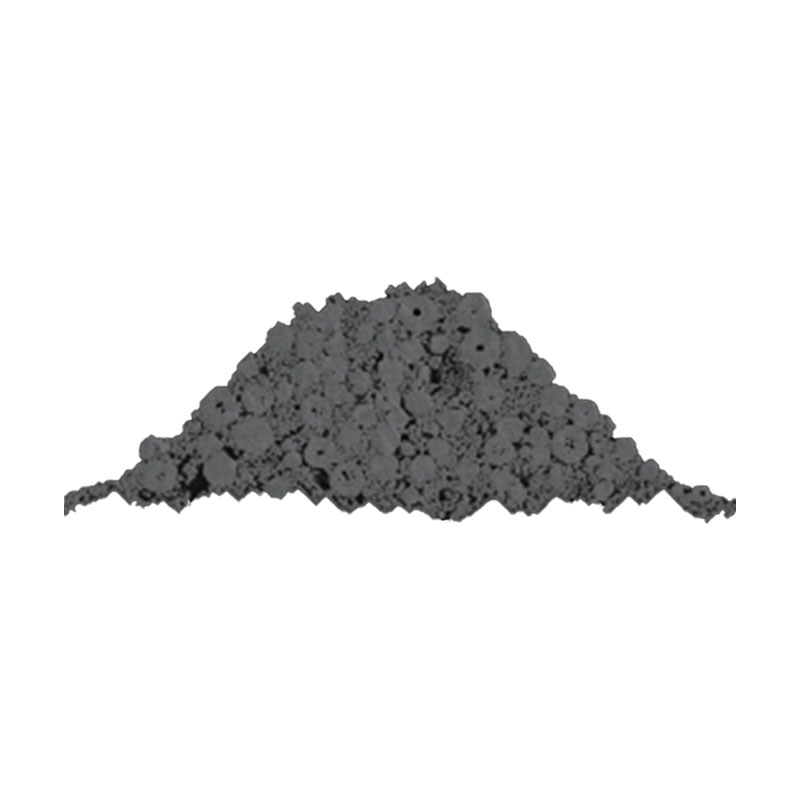
Appearance |
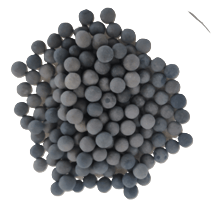
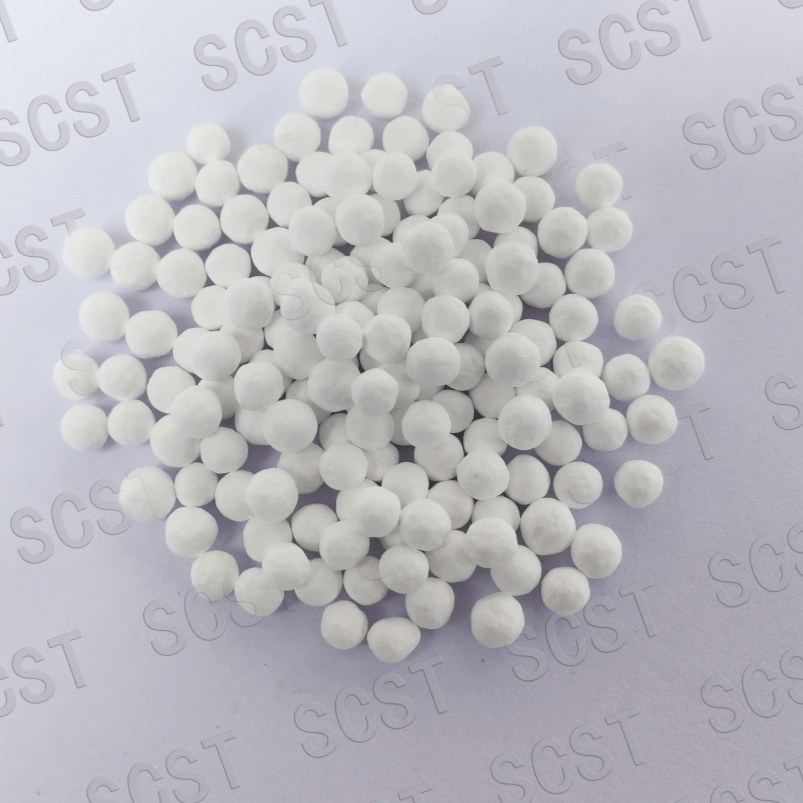
Gray-black spheres |
|
Specification, mm |
φ3.0~4.0 |
|
- Application Fields
This catalyst is the latest catalyst product developed by Sichuan Shutai over one year, mainly used in low-temperature methanol to hydrogen equipment for hydrogen production. The produced hydrogen is used as feedstock for proton exchange membrane fuel cells (PEMFC) for power generation. After being paired with fuel cells, it can be used in occasions requiring high energy density such as drones, automobiles, and submarines.
- Packaging, Storage and Transportation
The catalyst is packed in plastic bags and then placed in plastic drums. Store indoors, strictly prevent moisture, vibration and toxic contamination. Rolling on the ground is prohibited during handling. Dropping from a height of more than 0.5m or impact is prohibited.
Under normal conditions, the catalyst can be stored for more than one year without affecting its physical properties and activity.
The finished catalyst is packed in plastic drums or iron drums lined with plastic bags. During transportation and storage, it must be protected from moisture, fire, inverted placement and strictly prohibited from chemical contamination. Rolling or impact is strictly prohibited during handling; when stored outdoors, place sleepers at the bottom and cover with canvas for rain protection; it can also be packed in ton bags according to user requirements.