

I. Uses
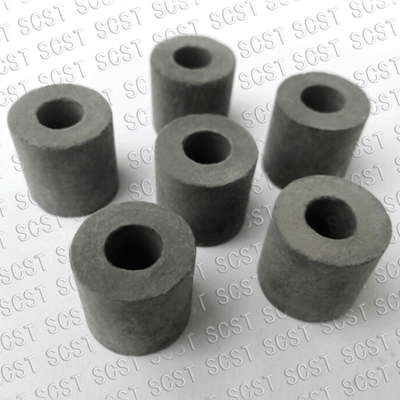
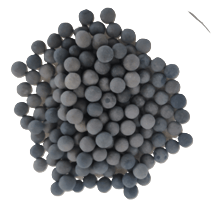
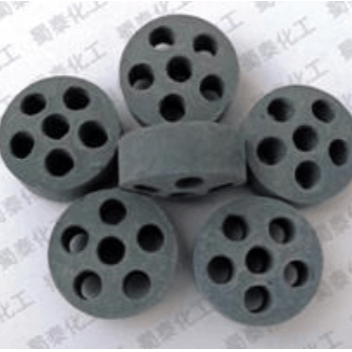
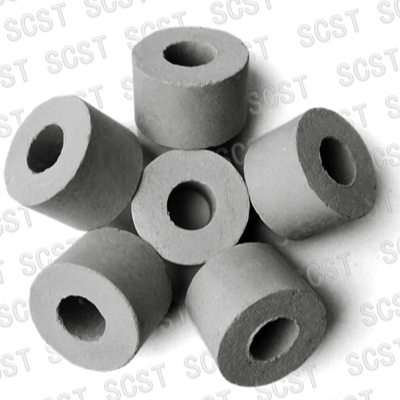
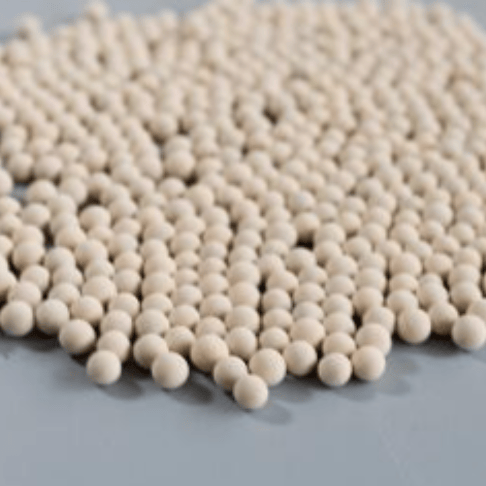
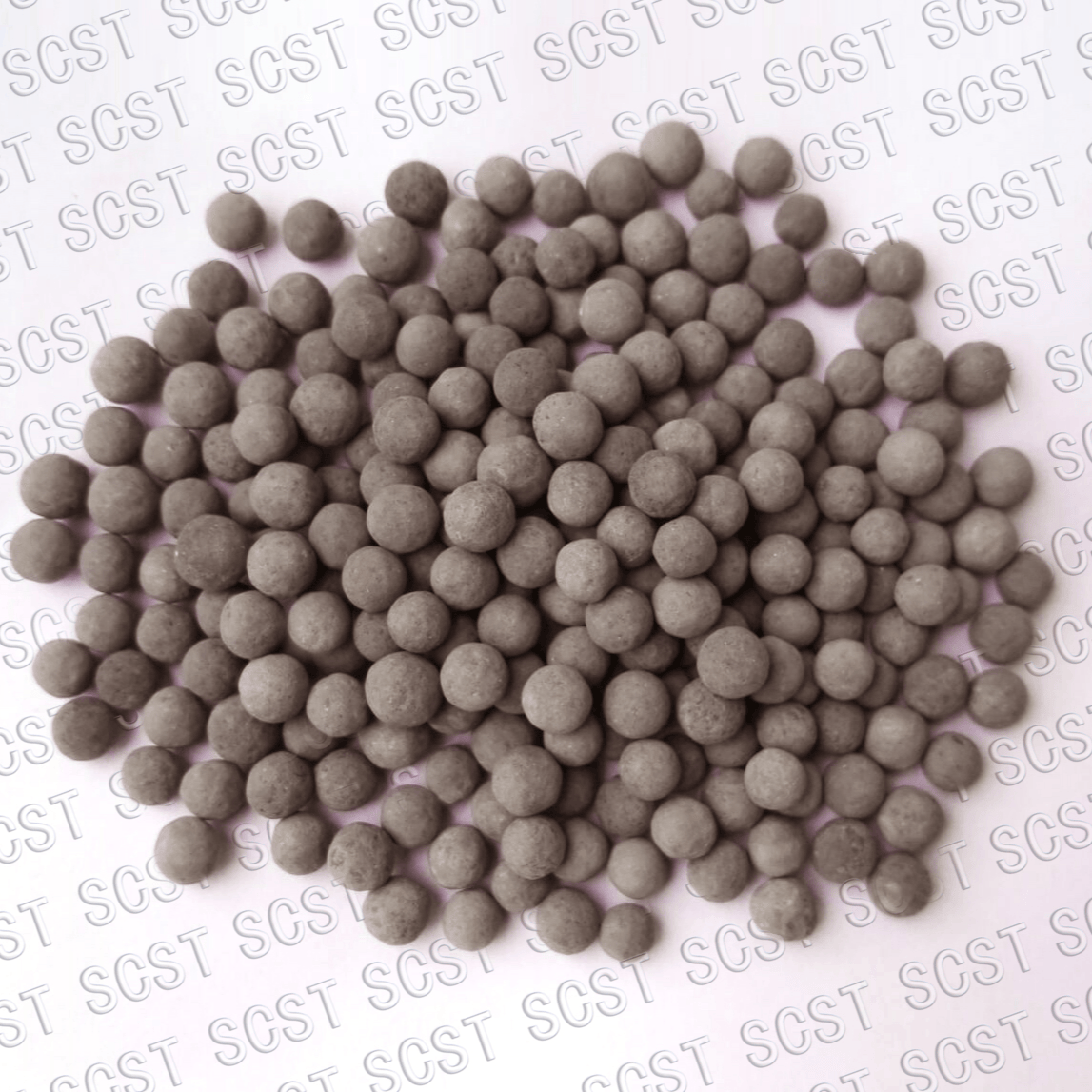
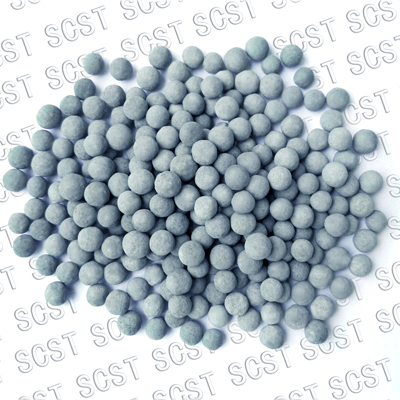
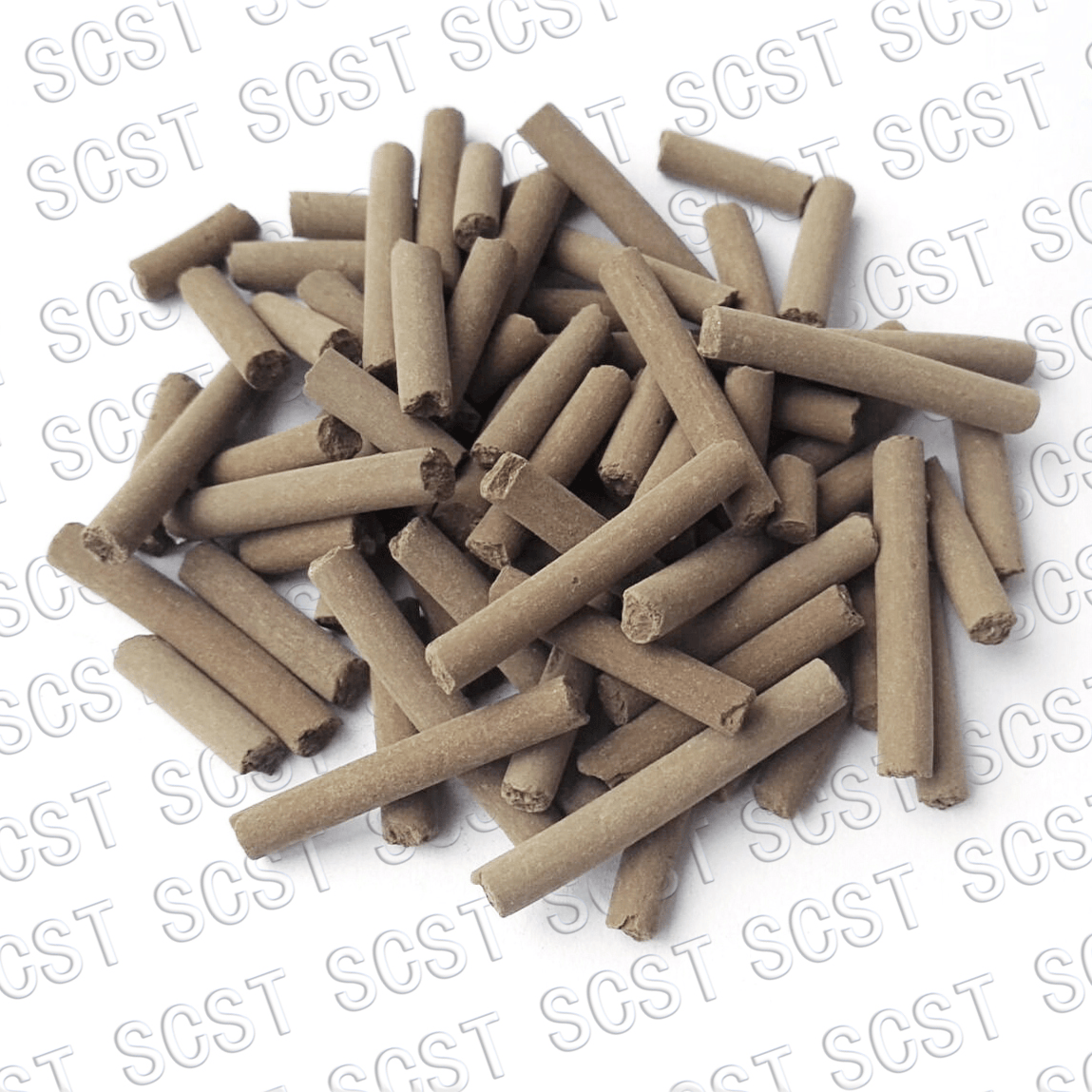
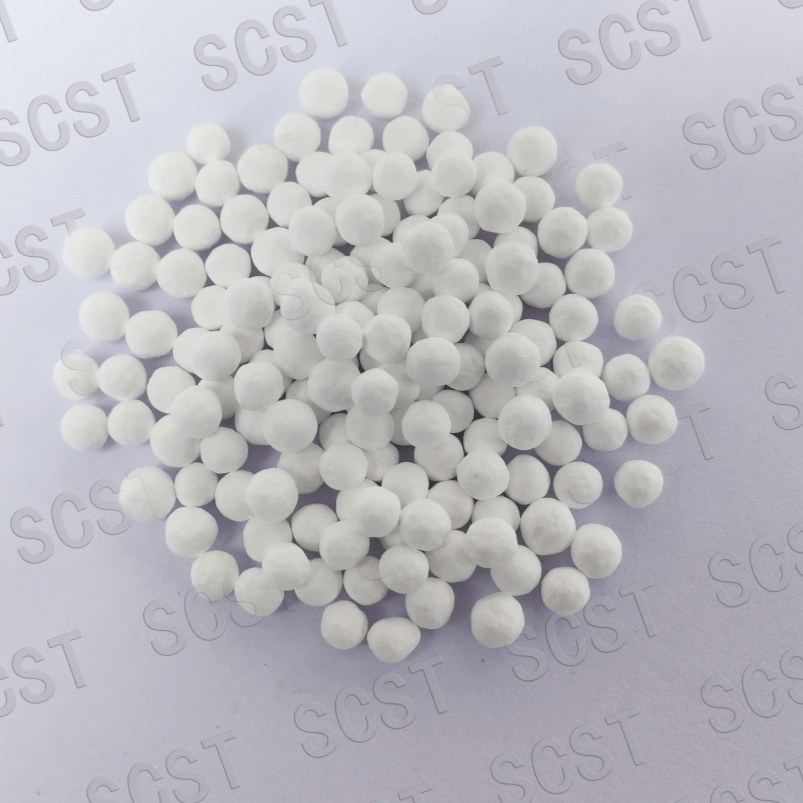
10X molecular sieve is a calcium-sodium aluminosilicate with a crystal pore size of 8 Å (0.8 nm), capable of adsorbing any molecule smaller than this pore size. It is used in petroleum refining for the removal of aromatics, nitrogen compounds, and sulfides during the wax refining process; and for deep removal of trace nitrogen oxides and light hydrocarbons in air purification systems.
II. Technical Specifications
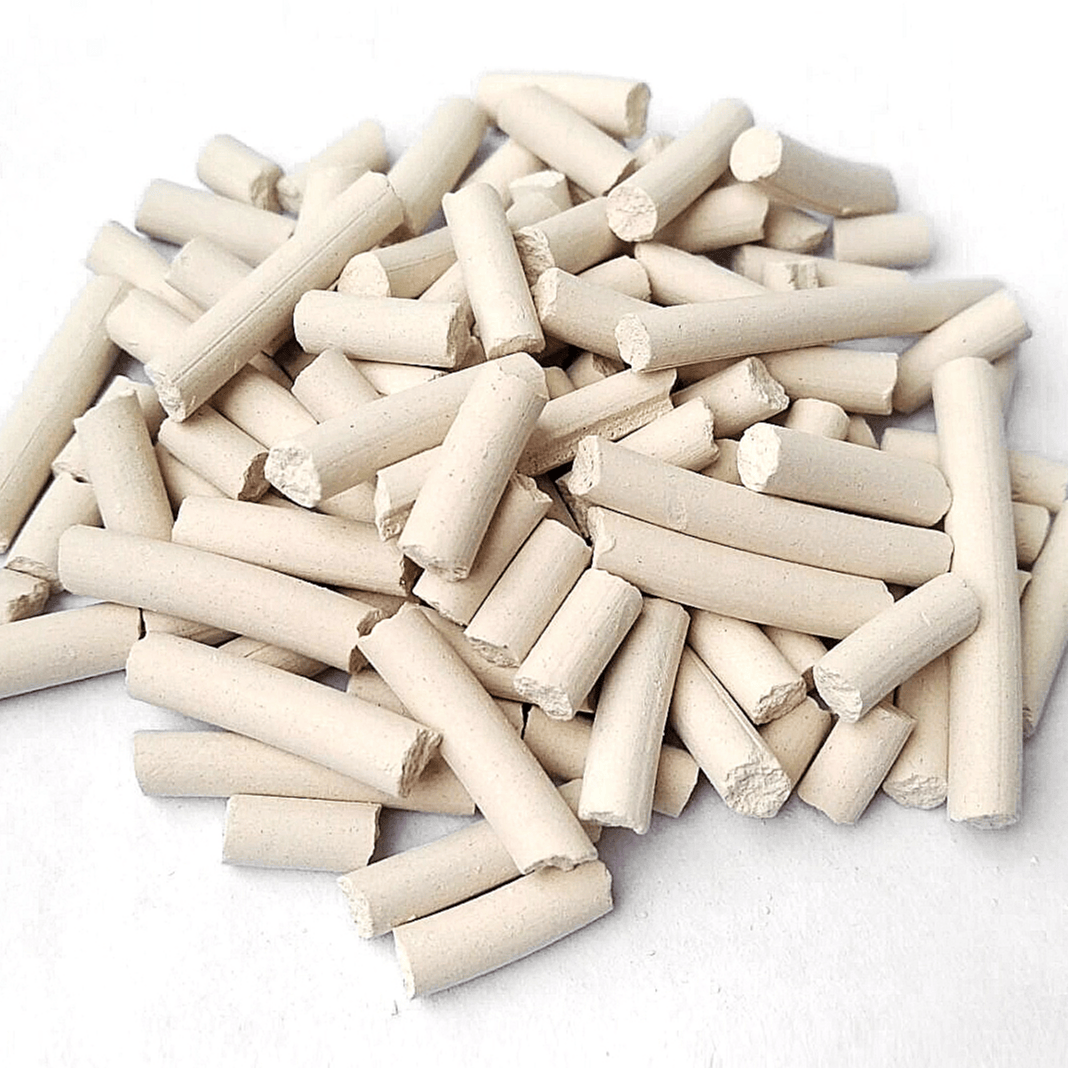
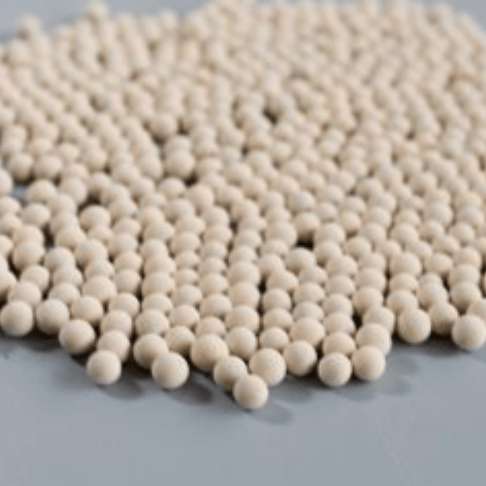
| Specification | Unit | Spherical | |
| Size | mm | 1.0~1.6 | 3~5 |
| Static water adsorption (RH 50%, 25 °C) | % | ≥28 | ≥28 |
| Bulk density | g/mL | ≥0.7 | ≥0.6 |
| Attrition rate | % | ≤0.3 | ≤0.2 |
| Loss on ignition (575 °C, 3 hr) | % | ≤1.5 | ≤1.5 |
| Crushing strength | N/pellet | ≥15 | ≥70 |
| Static n-hexane adsorption | mg/g | ≥18 | ≥18 |
| Dust rate | NTU | ≤30 | ≤30 |
III. Regeneration
Moisture removal: Depends on the pressure, temperature, and moisture content of the regeneration gas. Generally, dry gas at 200~350 °C is passed through the molecular sieve bed at a pressure of 0.03~0.05 MPa for 3~4 h, ensuring the outlet temperature is 110~180 °C, followed by cooling.
Organic removal: Replace organics with steam, then remove the moisture.
IV. Application Areas
A. Used in petroleum refining for the removal of aromatics, nitrogen compounds, and sulfides during the wax refining process;
B. For deep removal of trace nitrogen oxides and light hydrocarbons in air purification systems.
V. Packaging, Storage, and Transportation
The finished catalyst is packaged in plastic drums or iron drums lined with plastic bags;
Rolling or impact during transportation is strictly prohibited;
The catalyst should be stored in a dry and ventilated place, strictly protected from moisture and chemical contamination;
When stored outdoors, place sleepers underneath and cover with canvas for rain protection;
When shipped by sea, strictly prevent ingress of sea (river) water to avoid affecting the catalyst performance.
Precautions
This product is hygroscopic and should not be directly exposed to air. It should be stored in a dry place. After a period of adsorption, regeneration treatment can be carried out, with a regeneration temperature preferably below 350 °C.