

I. Applications
The SCST-201, SCST-202, and SCST-203 series hydrocarbon reforming catalysts are used for the reaction of methane, higher hydrocarbons, and steam to produce hydrogen, carbon monoxide, and carbon dioxide. They are new energy-saving reforming catalysts. The main reactions are as follows:
CH₄ + H₂O = CO + 3H₂ -206.3 kJ/mol
CH₄ + 2H₂O = CO₂ + 4H₂ -165.3 kJ/mol
II. Product Technical Specifications
| Category | Item | SCST-201 | SCST-202 | SCST-203 |
|---|---|---|---|---|
| Main Physicochemical Properties | Model | SCST-201 | SCST-202 | SCST-203 |
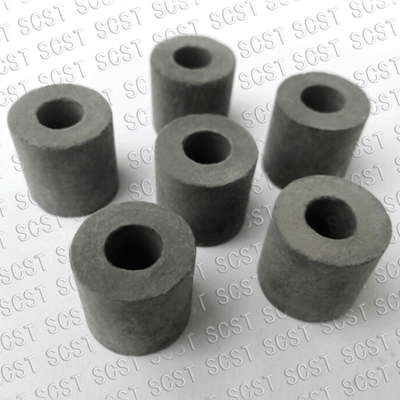
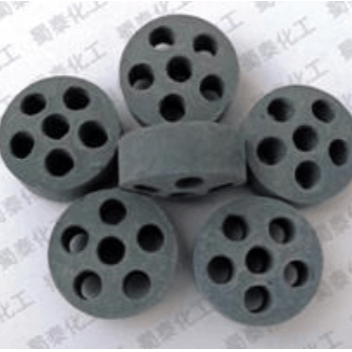
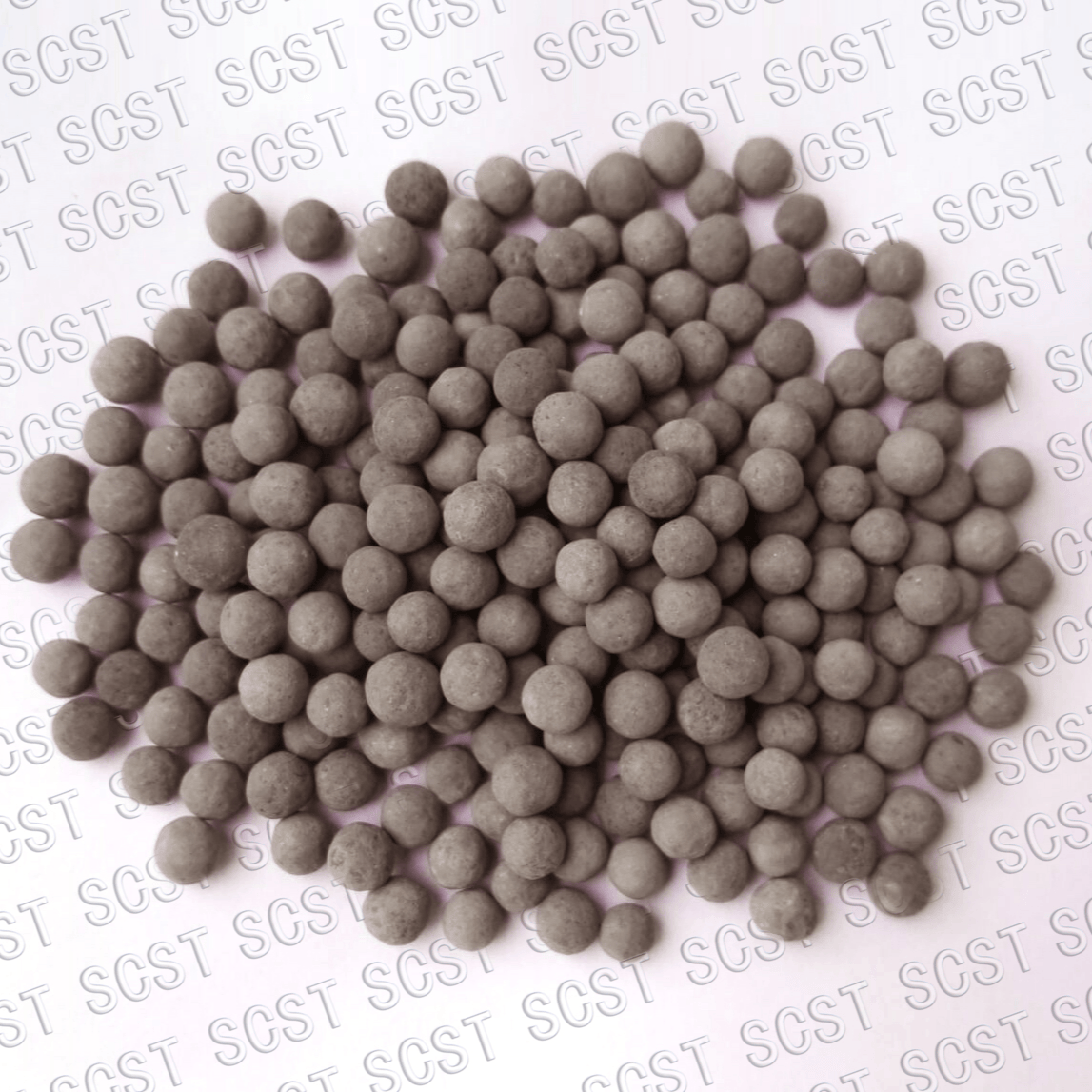
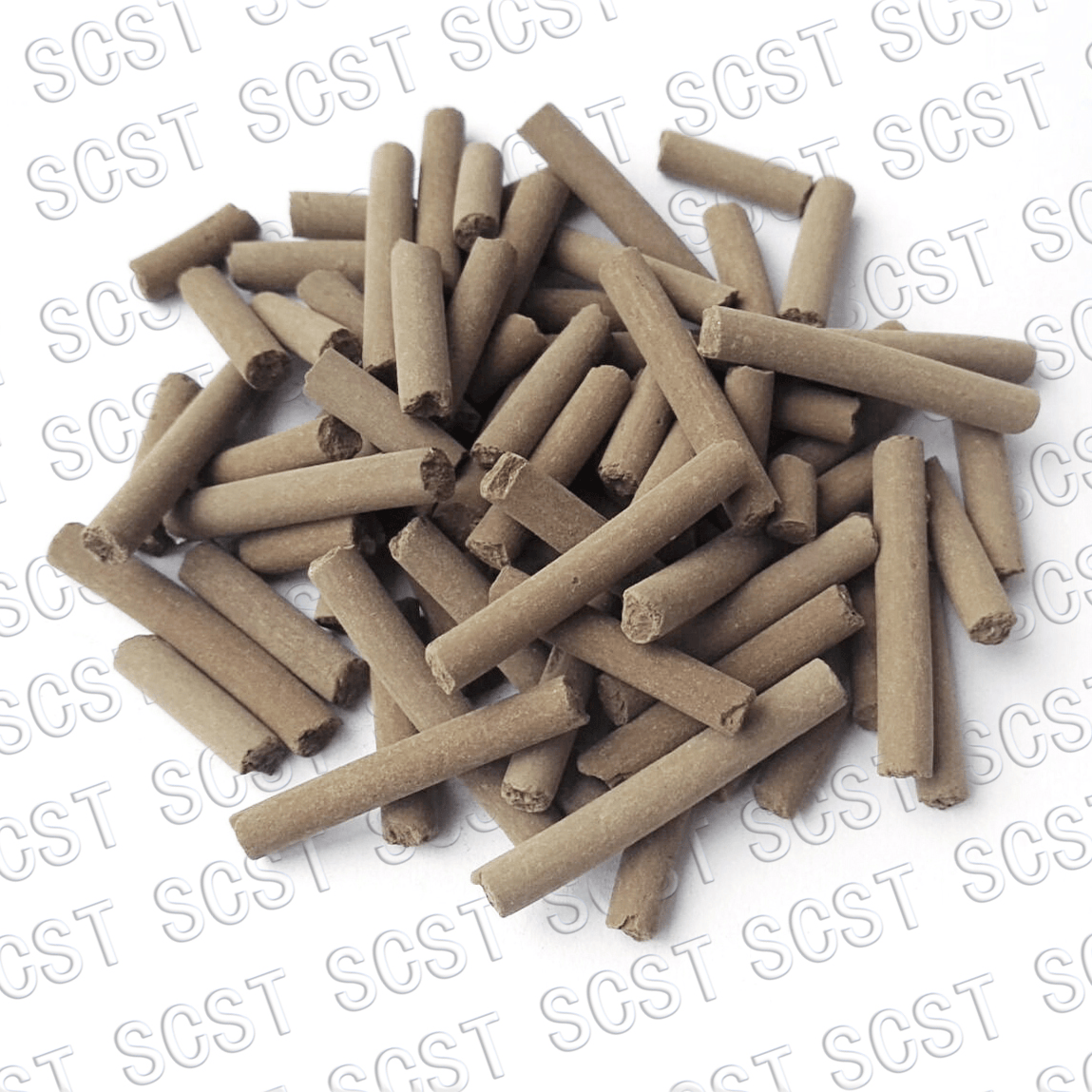
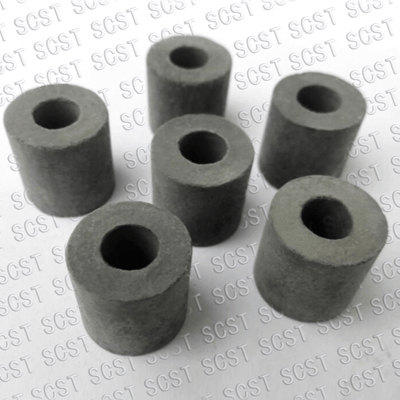
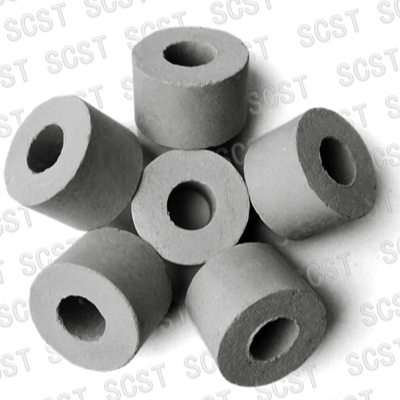
| Main Physicochemical Properties | Appearance | Gray-black six-hole cylinder | Gray-black six-hole cylinder | Gray-black four-hole cylinder |
| Main Physicochemical Properties | Dimensions | Φ16×9 mm | Φ16×16 mm | Φ12×12 mm |
| Main Physicochemical Properties | Main Components | NiO-Al₂O₃-promoters, etc. | NiO-Al₂O₃-promoters, etc. | NiO-Al₂O₃-promoters, etc. |
| Main Operating Conditions | Reformer Tube Inlet Temperature | 350~650℃ | 350~650℃ | 350~650℃ |
| Main Operating Conditions | Reformer Tube Outlet Temperature | 600~950℃ | 600~950℃ | 600~950℃ |
| Main Operating Conditions | Feed Gas Carbon Space Velocity | ≤2300 h⁻¹ | ≤2300 h⁻¹ | ≤2300 h⁻¹ |
| Main Operating Conditions | Steam/Carbon Ratio | 2.5~5.0 | 2.5~5.0 | 2.5~5.0 |
Catalysts of other dimensions can be provided upon user requirements. Typically, two specifications of catalysts are used in combination.
III. Application Fields
Natural gas to ammonia, methanol, and hydrogen production units;
Coke oven gas to ammonia, methanol, and hydrogen production units;
Hydrogen production units via reforming of methane and higher hydrocarbons in catalytic dry gas and coking dry gas (when the gas contains a large amount of higher hydrocarbons, better performance is achieved when used in combination with our company's SCST-111 pre-reforming catalyst);
Methanol and ammonia production units using oilfield gas, refinery gas, naphtha, etc. as feedstocks (when the gas contains a large amount of higher hydrocarbons, better performance is achieved when used in combination with our company's SCST-111 pre-reforming catalyst).
IV. Catalyst Characteristics
Excellent low-temperature activity, with significant activity and high conversion rate at 400℃;
Strong resistance to carbon deposition, suitable for long-term operation at low steam-to-carbon ratios;
High strength and low operating pressure drop;
Good resistance to poisoning, with stronger activity and thermal stability. In cases of mild poisoning by sulfur, chlorine, etc., the catalyst can be regenerated by optimizing operating parameters; after severe poisoning, the catalyst can be regenerated in situ;
Rational structural design and stable performance; the six-hole cylindrical shape features a large external surface area, high void fraction, low pressure drop, and uniform gas distribution;
Excellent reducibility, allowing direct natural gas feed and self-circulation reduction activation, resulting in significant energy savings.
V. Packaging, Storage, and Transportation
The finished catalyst is packaged in plastic or iron drums lined with plastic bags. During transportation and storage, it must be protected from moisture, fire, and inversion, and strictly protected from chemical contamination. Rolling or impact during handling is strictly prohibited. When stored outdoors, the bottom should be placed on wooden pallets and covered with canvas for rain protection. Ton bags can also be used for packaging upon user requirements.