

I. Applications
The SCST-405 series ammonia decomposition catalyst for hydrogen production is used to decompose ammonia into a hydrogen-nitrogen gas mixture containing 75% H₂ and 25% N₂ by heating liquid ammonia to 780–880°C in the presence of the catalyst. The main reaction is as follows:
2NH₃ = 3H₂ + N₂ +92.4 kJ/mol
II. Product Technical Specifications
| Category | Item | SCST-405 |
|---|---|---|
| Main Physicochemical Properties | Model | SCST-405 |
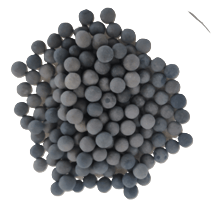
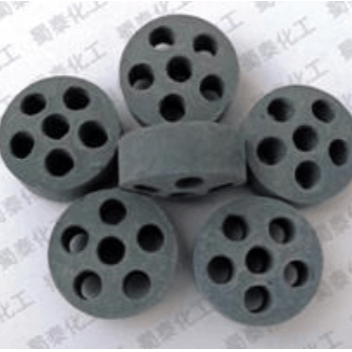
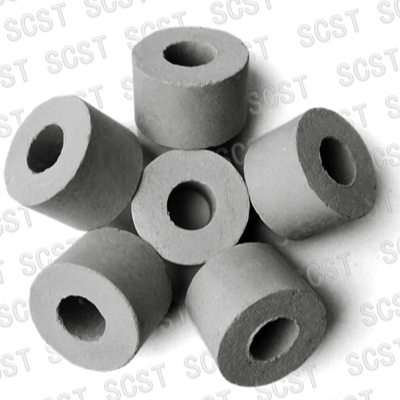
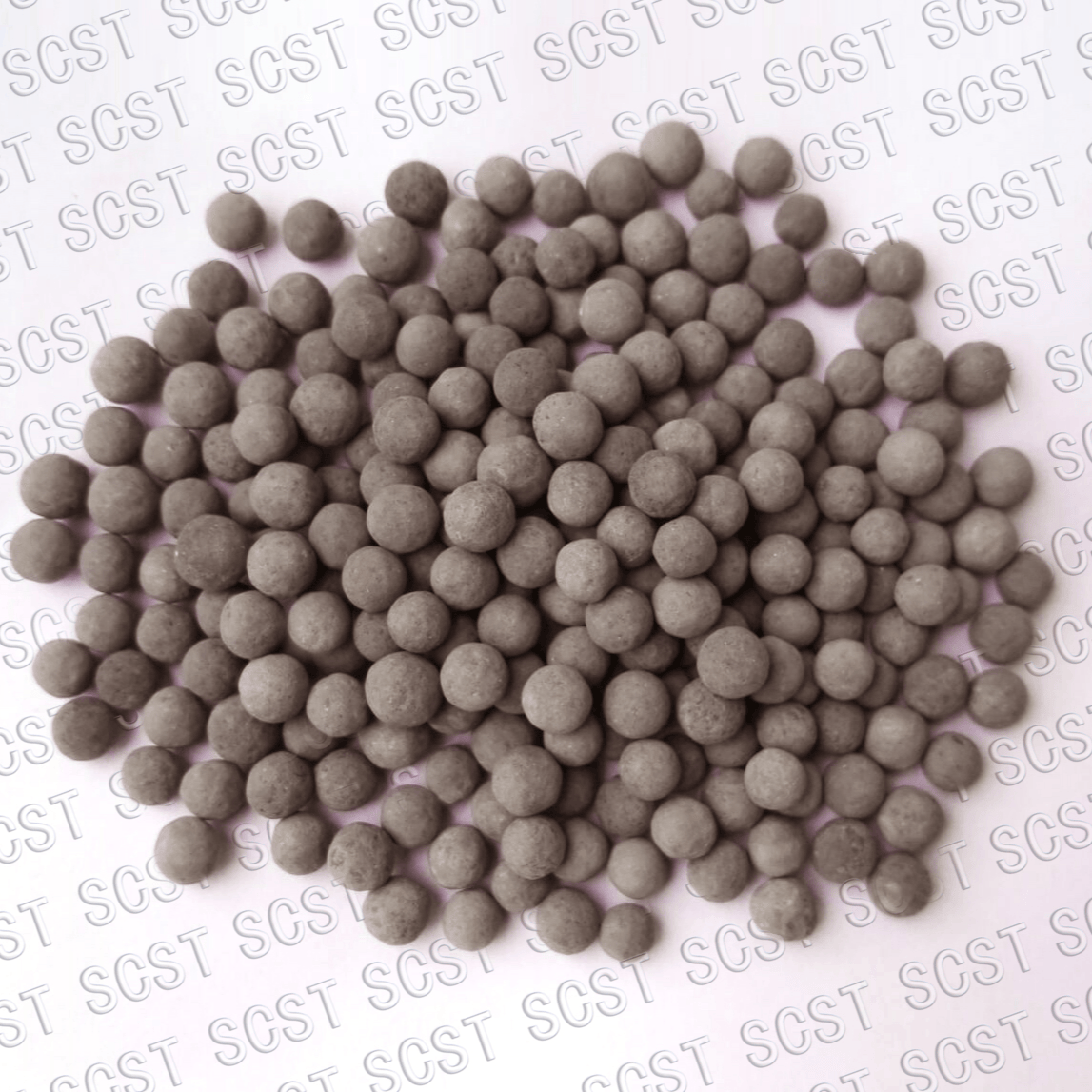
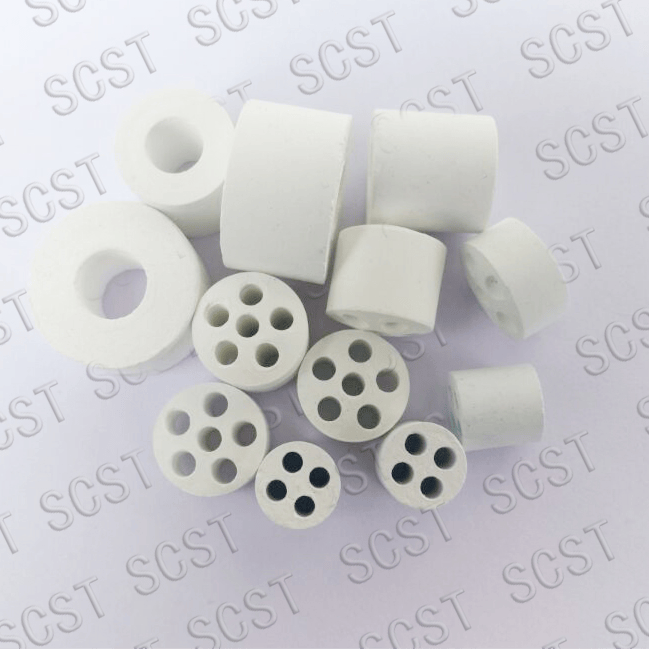
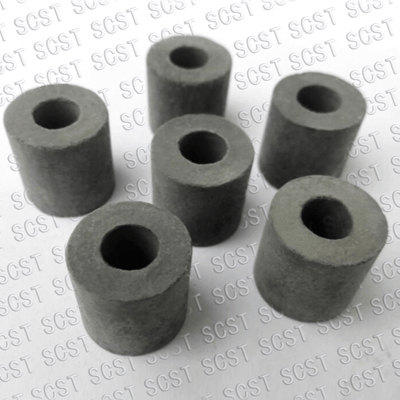
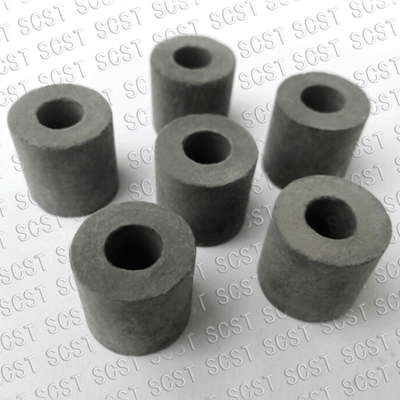
| Main Physicochemical Properties | Appearance | Gray-black Raschig ring |
| Main Physicochemical Properties | Specification | Φ19×9×19 mm |
| Main Physicochemical Properties | Main Components | NiO-Al₂O₃-promoters, etc. |
| Main Operating Conditions | Flow Rate | 5–1000 Nm³/h |
| Main Operating Conditions | Pressure | 0.05–0.8 MPa |
| Main Operating Conditions | Operating Temperature | 780–880°C |
| Main Operating Conditions | Residual Ammonia Content | ≤2 ppm |
III. Application Fields
Ammonia decomposition hydrogen production units;
Natural gas secondary reforming hydrogen production units;
Coke oven gas to ammonia synthesis units;
Coke oven gas to methanol units.
IV. Catalyst Characteristics
Excellent activity, with an ammonia decomposition rate reaching over 90%;
Strong resistance to poisoning and not prone to pulverization, with slow activity decay under long-term high-temperature operating conditions;
Excellent low-temperature activity with significant energy savings, showing noticeable activity at 750°C;
Reasonable external structure for more uniform gas distribution, low operating resistance, and high selectivity.
V. Packaging, Storage, and Transportation
The finished catalyst is packaged in plastic or iron drums lined with plastic bags. During transportation and storage, it must be protected from moisture, fire, and inversion, and strictly kept free from chemical contamination. Rolling or impact during handling is prohibited. When stored outdoors, the bottom should be placed on wooden pallets and covered with canvas for rain protection. Ton bags may also be used for packaging upon user request.