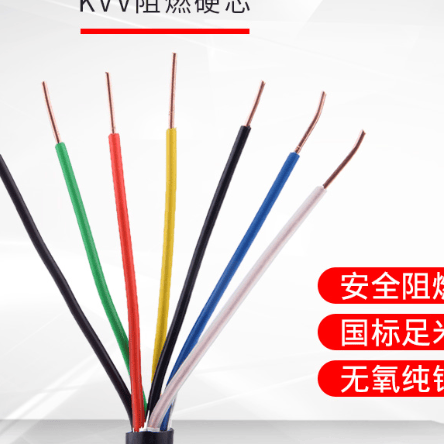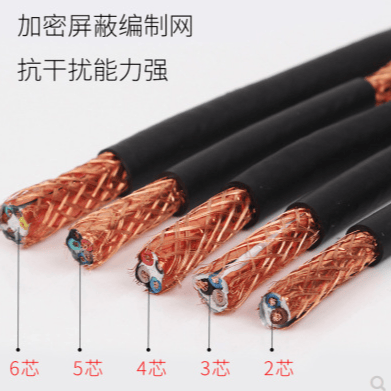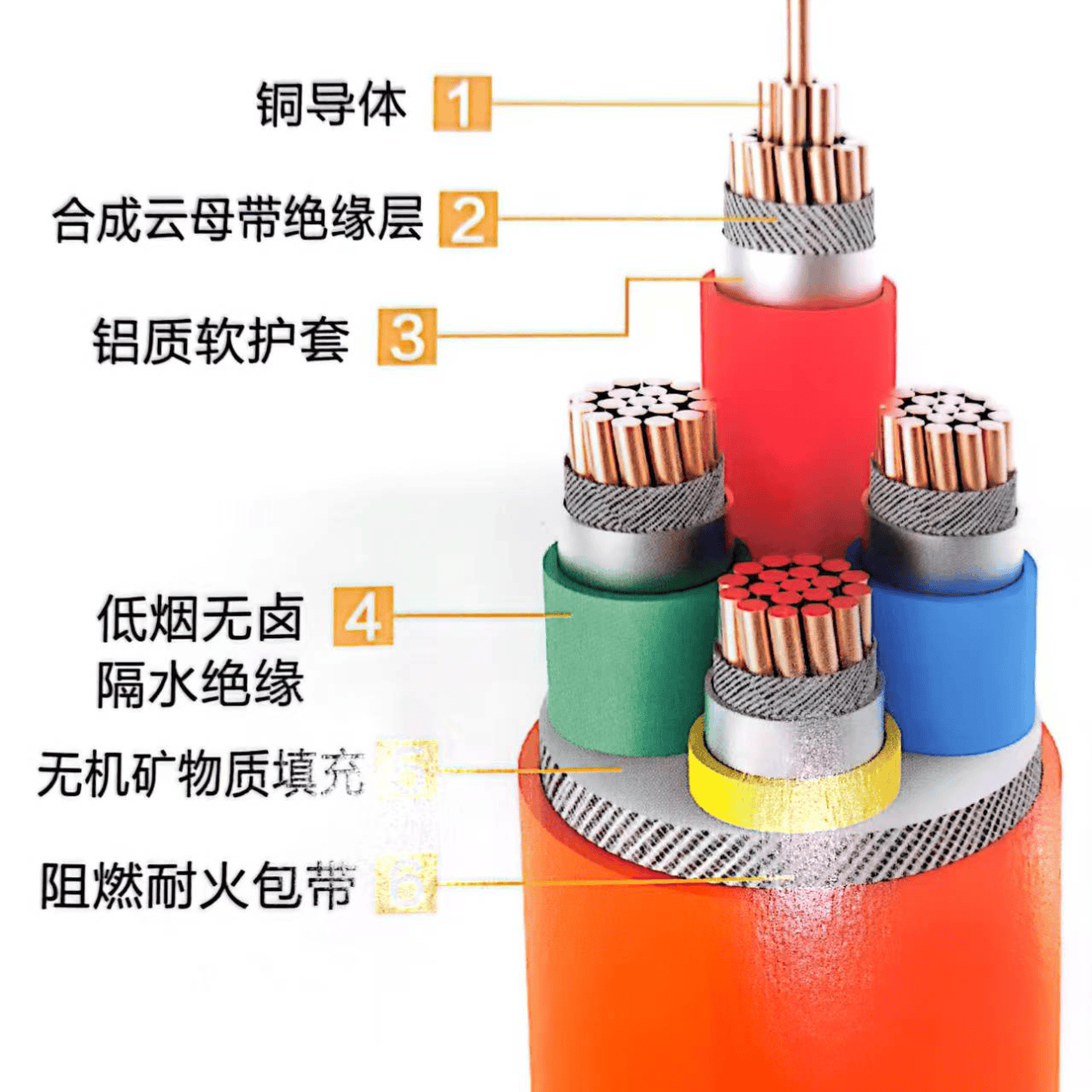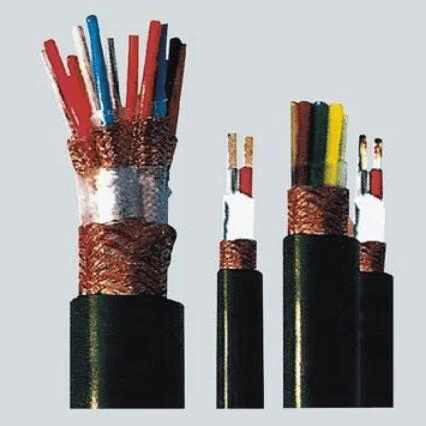


Computer cable is fundamentally different from power cables (current-carrying) and ordinary control cables (high-voltage control)—its core value lies in ensuring low-distortion transmission of 4~20mA analog signals and digital signals such as RS485/Profibus in strong electromagnetic interference environments, with the key structure being "twisted pairs + layered shielding".
1. Executive Standards
-
TICW/06-2009 "Computer and Instrumentation Cables" (mainstream industry standard)
-
GB/T 9330 "Plastic Insulated Control Cables" (reference standard)
-
GB/T 3956 "Conductors of Cables"
-
GB/T 19666 "General Rules for Flame Retardant and Fire Resistant Wires and Cables or Optical Cables" (derived types: flame retardant ZR, fire resistant NH)
-
JB/T 13486 (referenced by some manufacturers)
-
Rated voltage: U₀/U = 300/500V, maximum system voltage 600V
📌 Products must pass CCC certification or CQC certification (mandatory requirement for 300/500V electrical equipment cables).