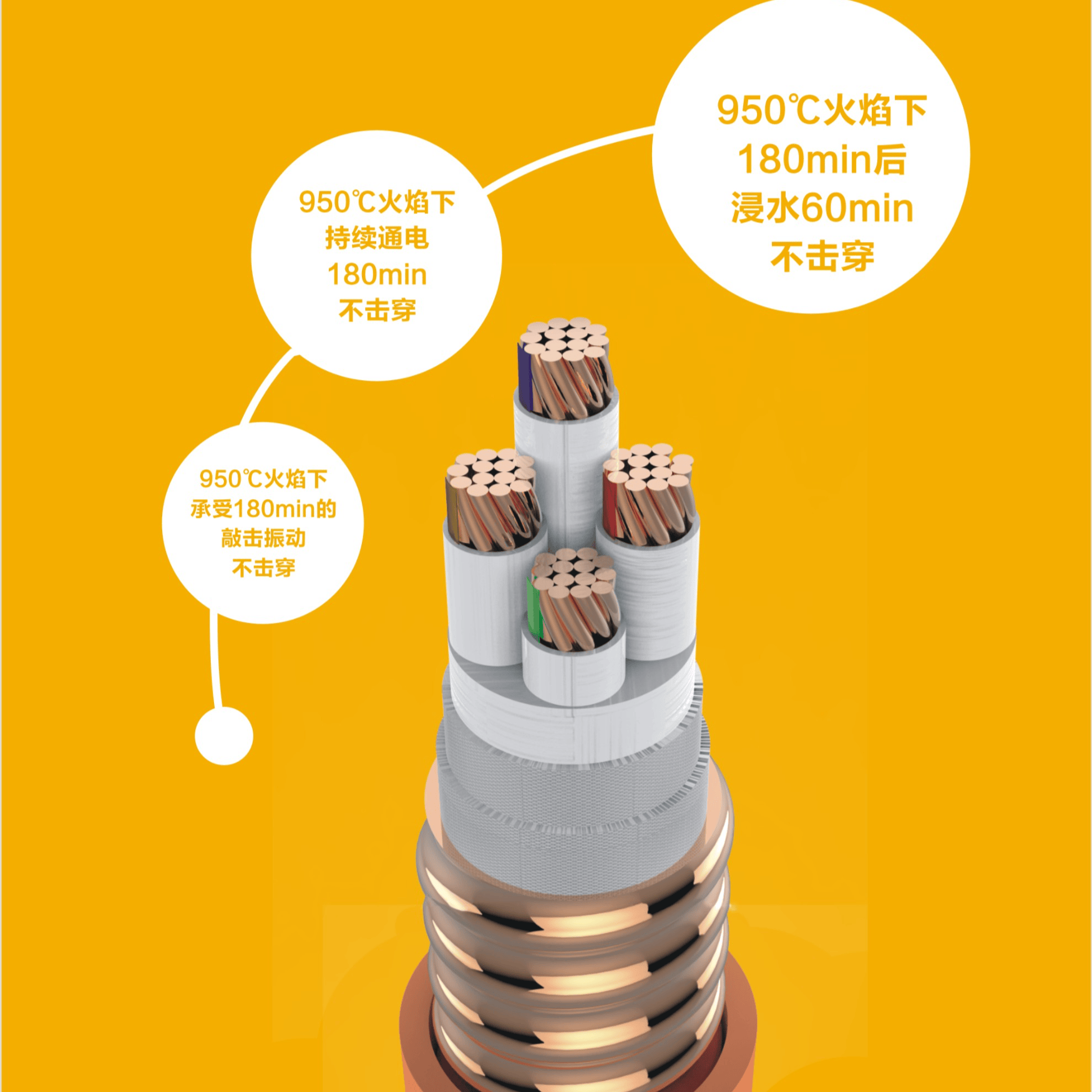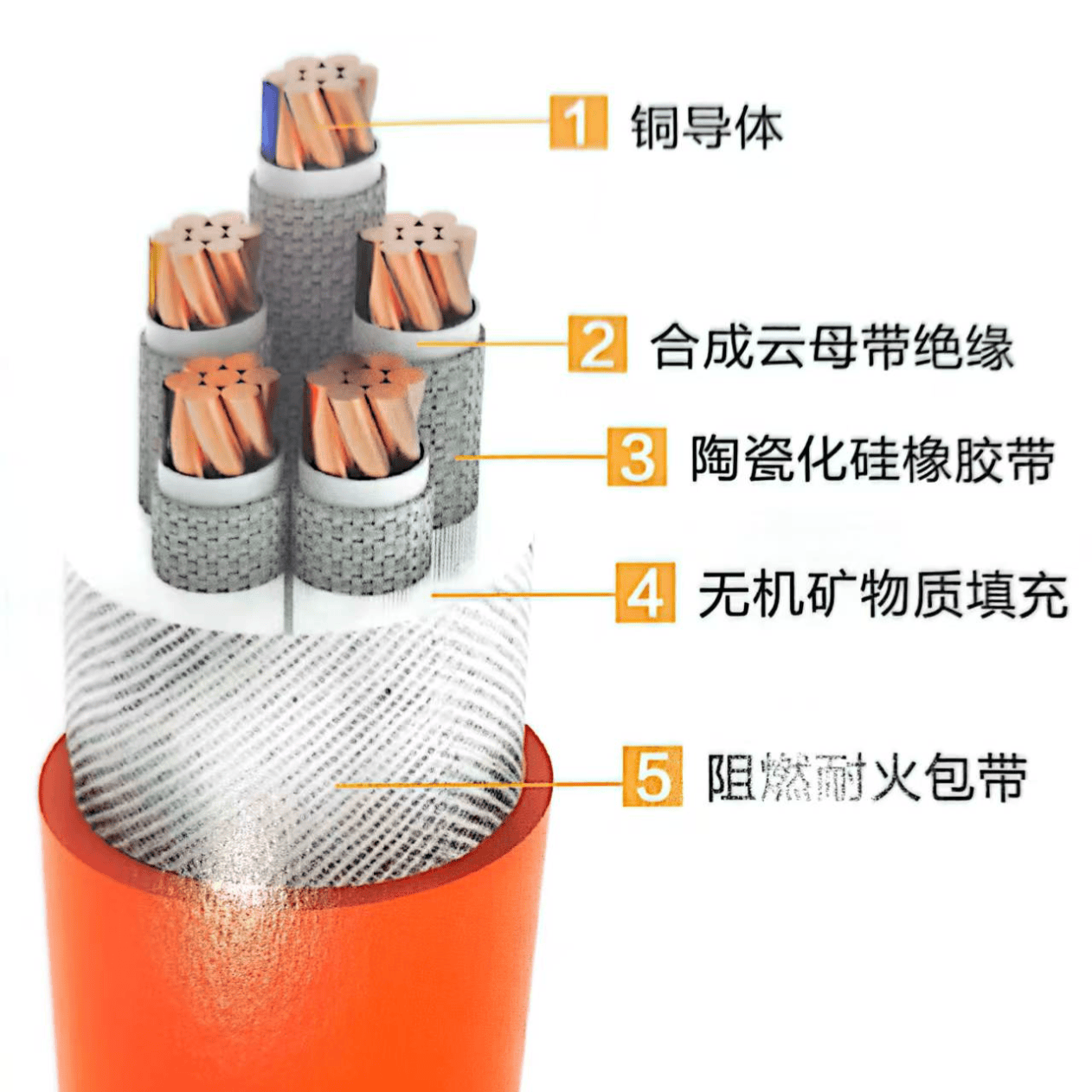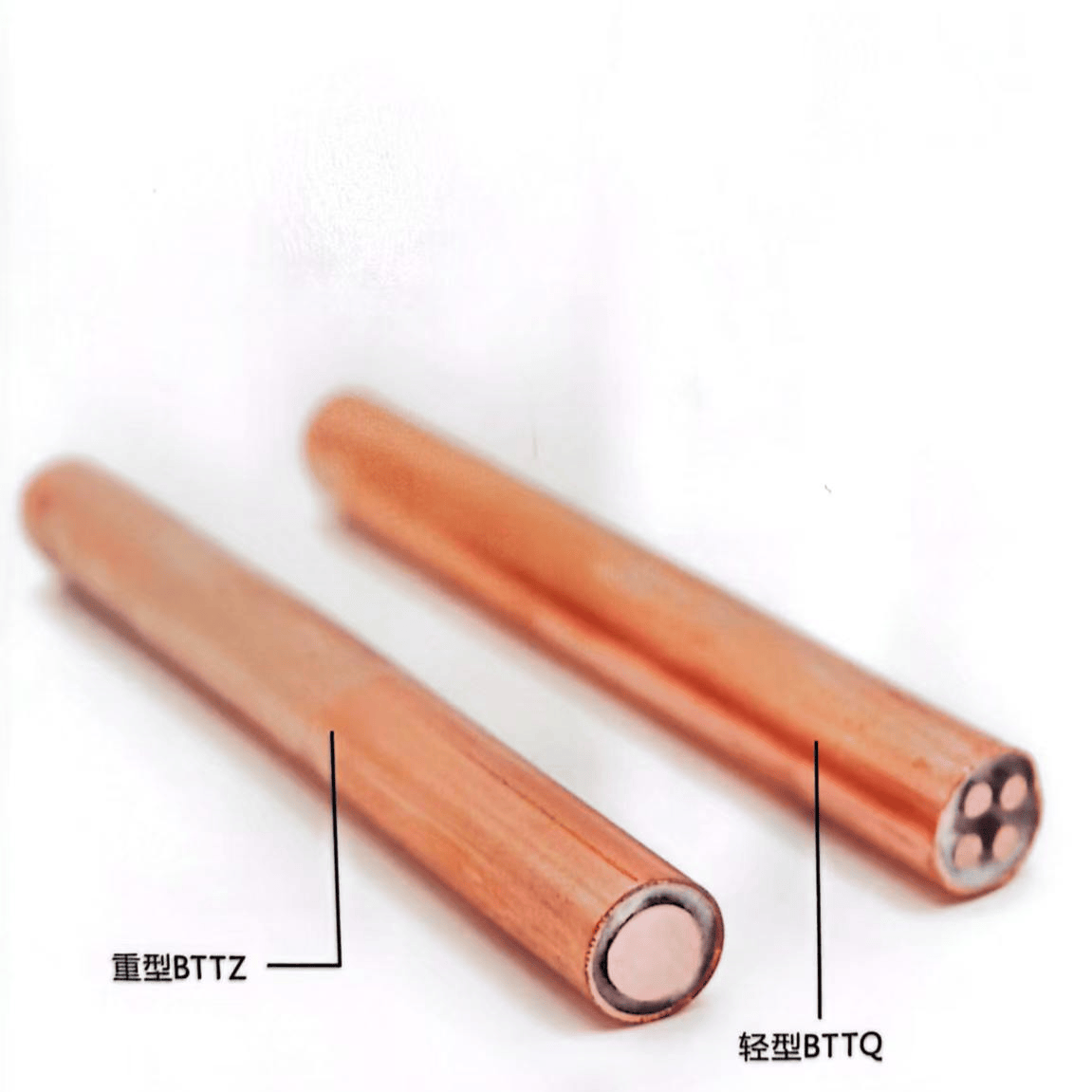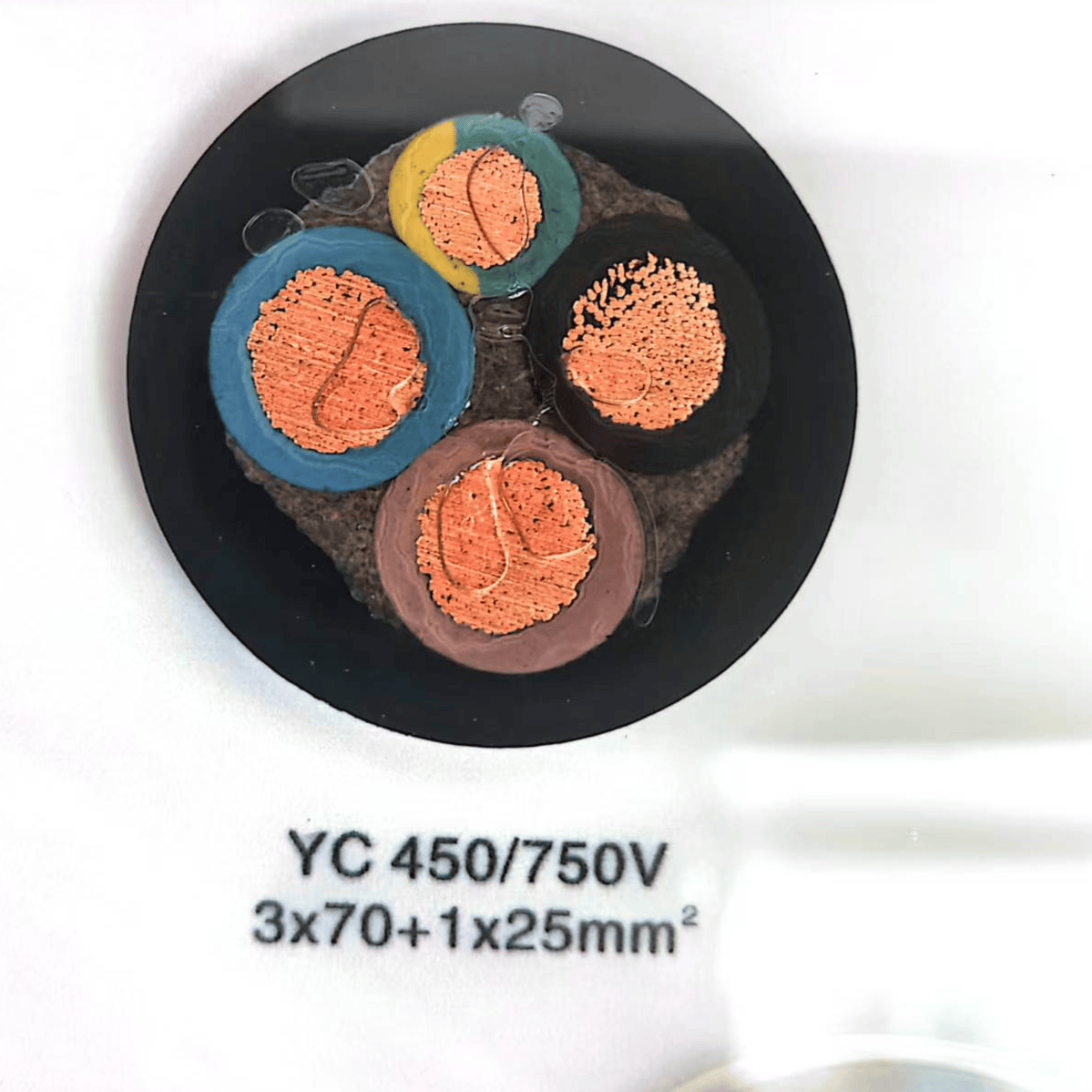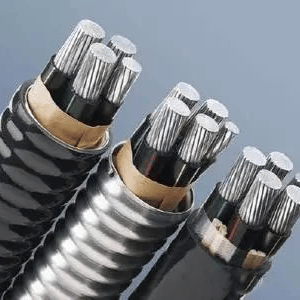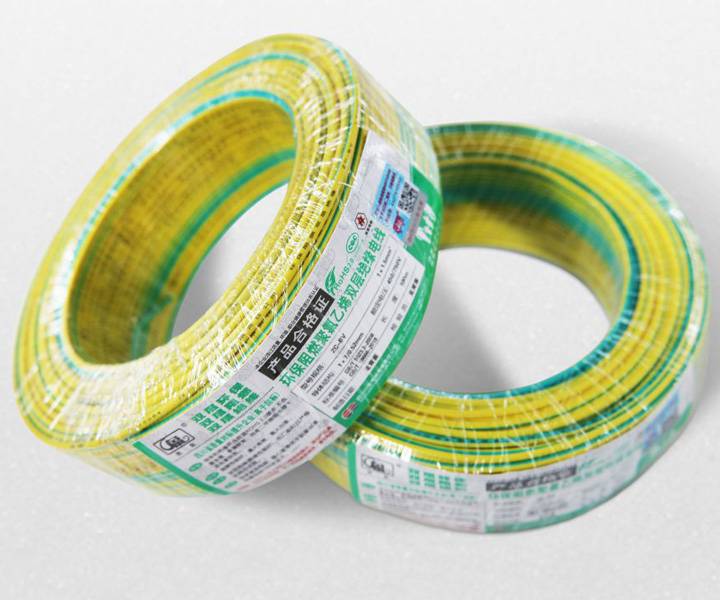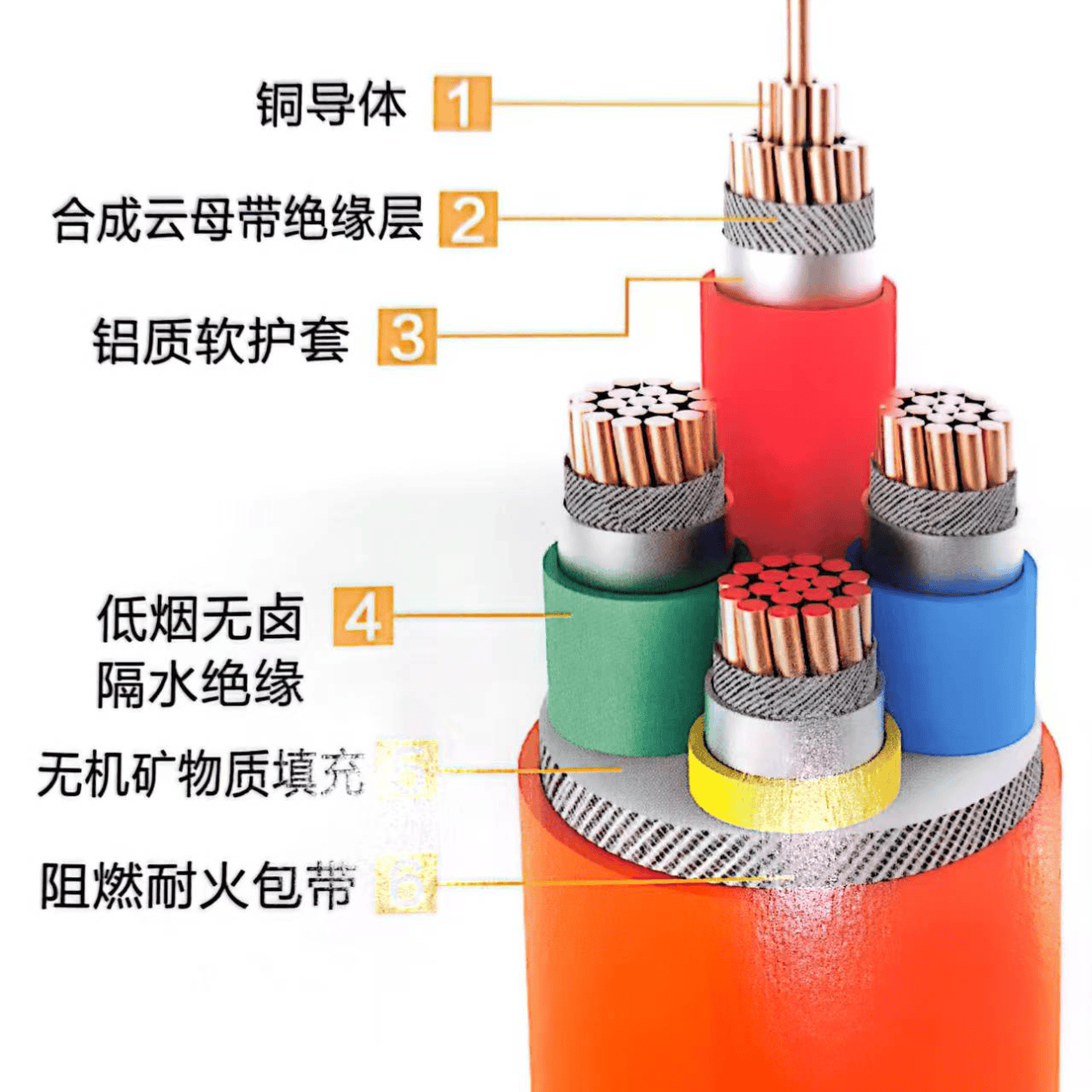


BTLY, full name "Copper-core Polyolefin-sheathed Isolated Flexible Mineral Insulated Fire-resistant Cable", is often referred to alongside NG-A in the industry (NG-A BTLY). It is an isolated flexible fire-resistant cable characterized by a aluminum metal sheath + mica tape insulation + mineral oxygen-barrier layer. Developed from the traditional rigid mineral insulated cable BTTZ, it replaces copper tube drawing with a continuous aluminum tube extrusion process, significantly reducing process difficulty and cost while retaining excellent fire resistance, flame retardance, and explosion-proof properties. Over the past decade or so, it has become one of the mainstream flexible fire-resistant cable products for fire protection power distribution systems in high-rise buildings.
BTLY currently has no unified mandatory national standard in China; it is primarily produced according to enterprise standards, citing multiple national/international standards as normative references:
-
Enterprise standards: Q/MD 23-2016, Q/HYGK 004-2017, Q/JS12.11-2015, etc. (manufacturer-specific standards)
-
GB/T 12706.1-2020 "Power cables with extruded insulation and their accessories for rated voltages from 1 kV (Um = 1.2 kV) up to 35 kV (Um = 40.5 kV) — Part 1: Cables for rated voltages of 1 kV (Um = 1.2 kV) and 3 kV (Um = 3.6 kV)"
-
GB/T 13033 "Mineral insulated cables and their terminations with a rated voltage not exceeding 750 V"
-
JG/T 313-2014 "Metal-sheathed inorganic mineral insulated cables and their terminations with a rated voltage not exceeding 750 V"
-
GB/T 19666-2019 "General rules for flame retardant and fire resistant wires and cables or optical fiber cables"
-
GB/T 18380 "Tests on electric and optical fibre cables under fire conditions"
-
BS 6387:2013 "Performance requirements for cables required to maintain circuit integrity under fire conditions"
-
BS 8491:2008 "Method for assessment of fire integrity of large diameter power cables"
-
IEC 60331 Tests for fire-resistant cables