

1. Implementation Standards
The production and inspection of BVR comply with national and industry standards:
-
GB/T 5023.3-2008 "Polyvinyl chloride insulated cables of rated voltages up to and including 450/750V - Part 3: Non-sheathed cables for fixed wiring"
-
JB/T 8734.2-2016 "Polyvinyl chloride insulated cables and wires and flexible cords of rated voltages up to and including 450/750V - Part 2: Flexible cables for fixed wiring"
-
GB/T 3956-2008 "Conductors of insulated cables" (Type 2 conductor: stranded copper conductor)
-
GB/T 19666-2019 "General rules for flame retardant and fire resistant wires and cables or optical cables" (applicable to flame-retardant products)
-
CCC mandatory certification product, must bear the certification mark
2. Product Structure
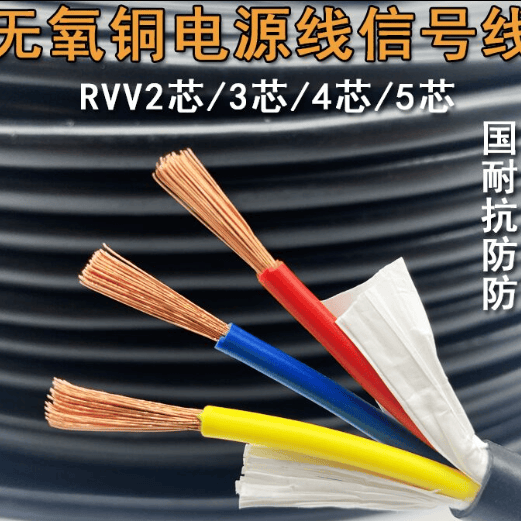
BVR features a typical two-layer structure (conductor + insulation layer) without an outer sheath:
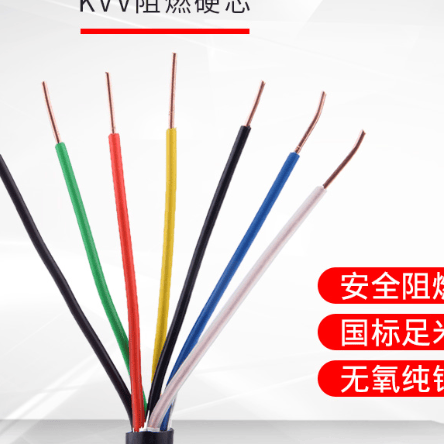
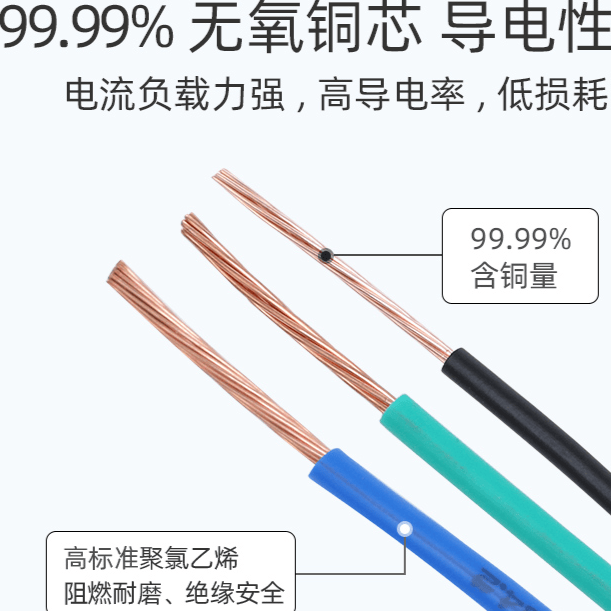
🔹 Conductor
-
Material: High-purity oxygen-free copper (TU1/TU2), copper purity ≥ 99.95%
-
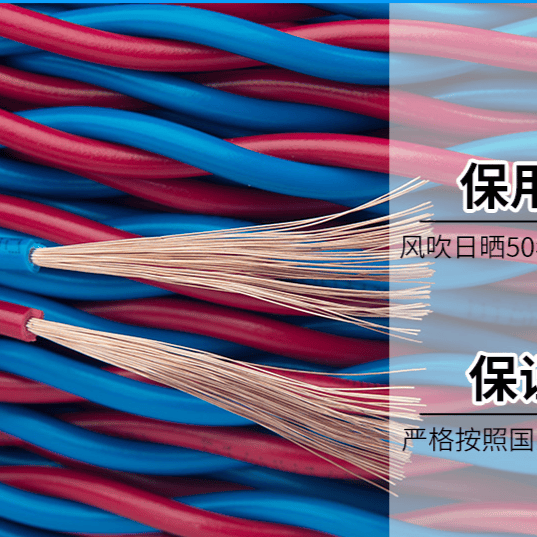
Structure: Type 2 stranded conductor—formed by stranding multiple (tens to over a hundred) fine copper wires with a diameter of 0.2~0.5mm
-
Cross-section range: Common sizes include 1.5mm², 2.5mm², 4mm², 6mm², 10mm², with a maximum of up to 240mm²
-
Appearance: After stripping the insulation, the conductor should exhibit a purple-red metallic luster, with multiple copper strands tightly stranded, free of broken wires and burrs
🔹 Insulation Layer
-
Material: Polyvinyl chloride (PVC)
-
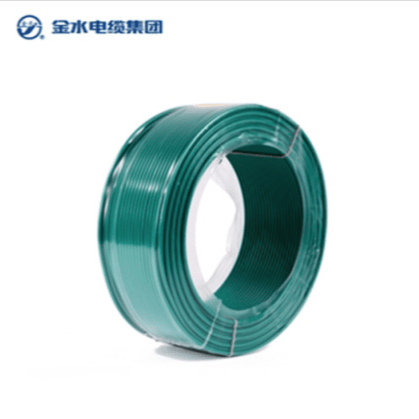
Colors: Commonly available in red, yellow, green, blue, yellow-green bicolor (ground wire), black, white, etc., for easy phase identification
-
Characteristics: High insulation resistance, acid and alkali resistance, moisture-proof, mold-proof, and anti-aging