

Working Principle
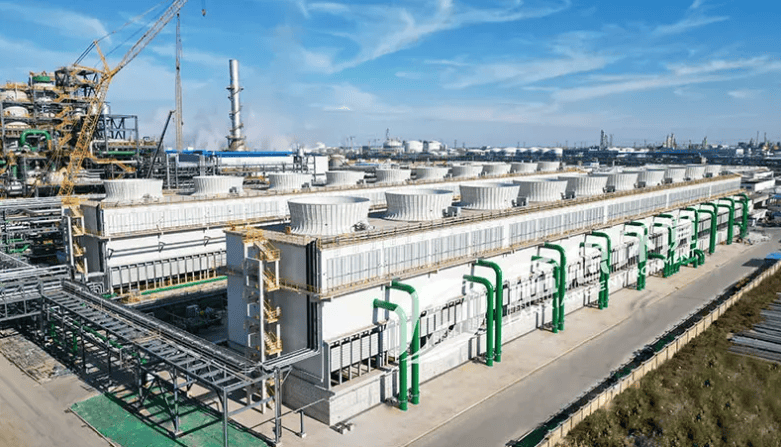
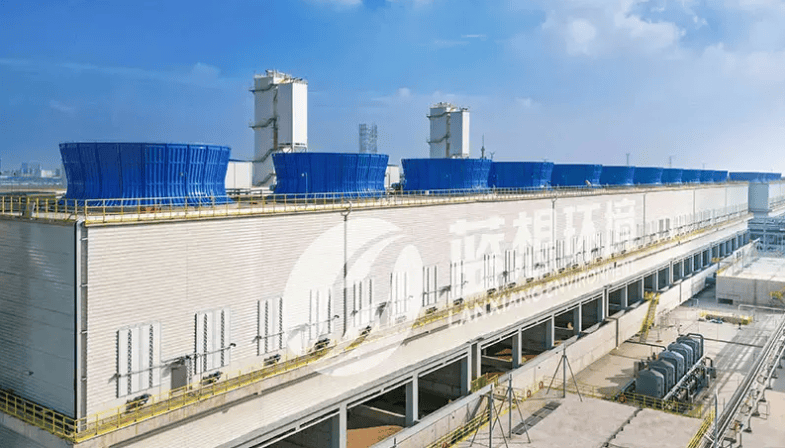
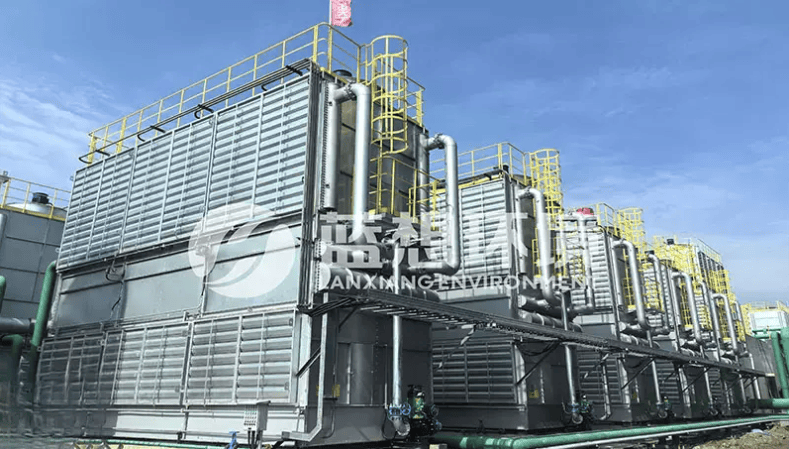
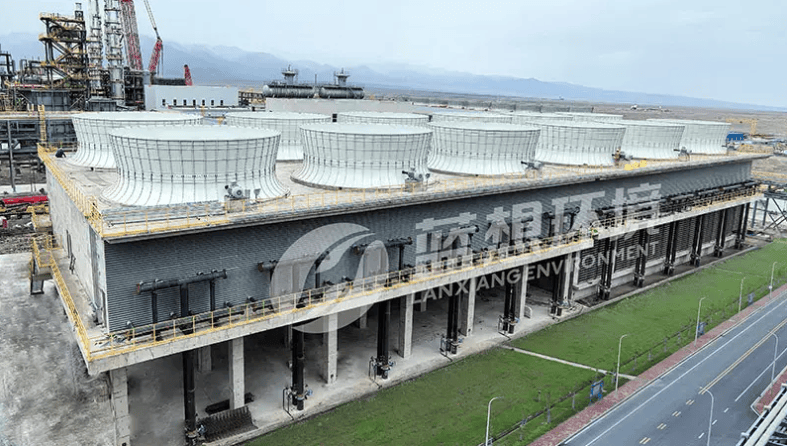
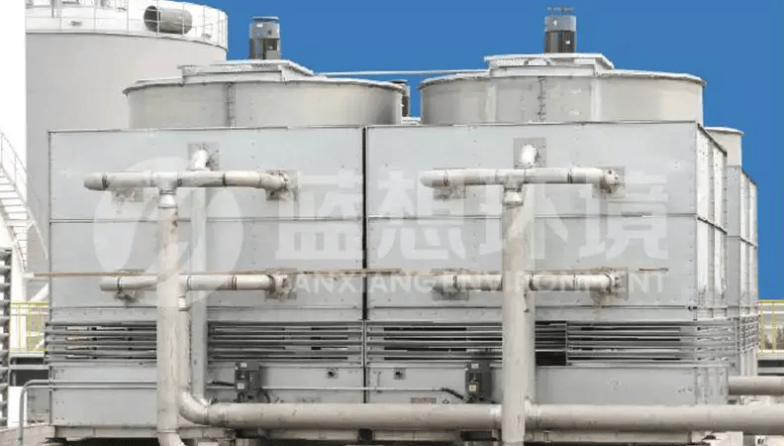
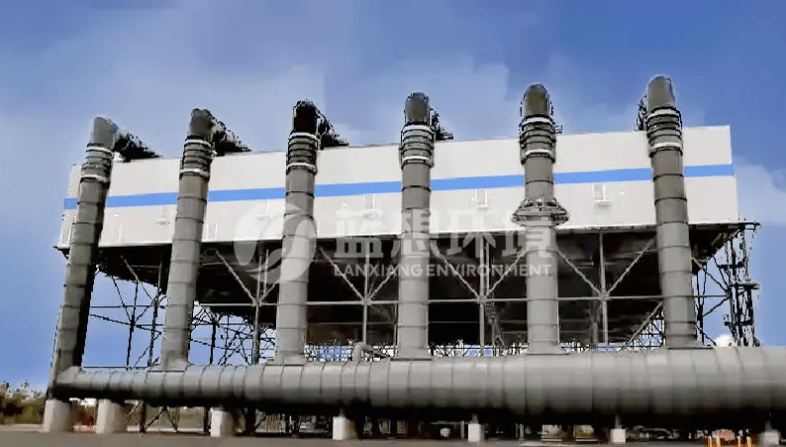
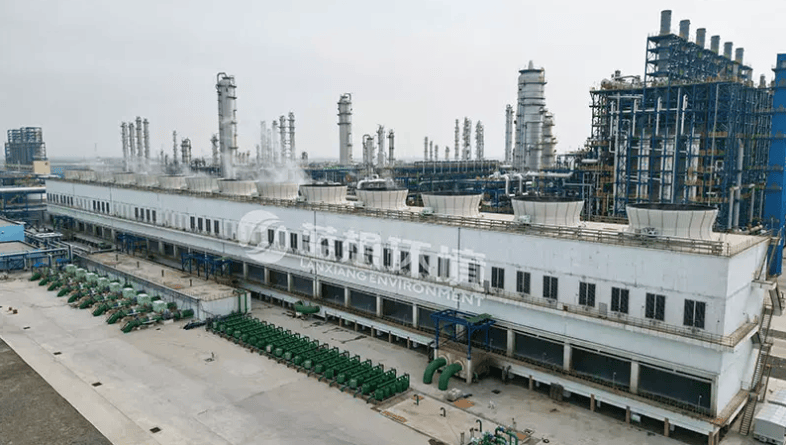
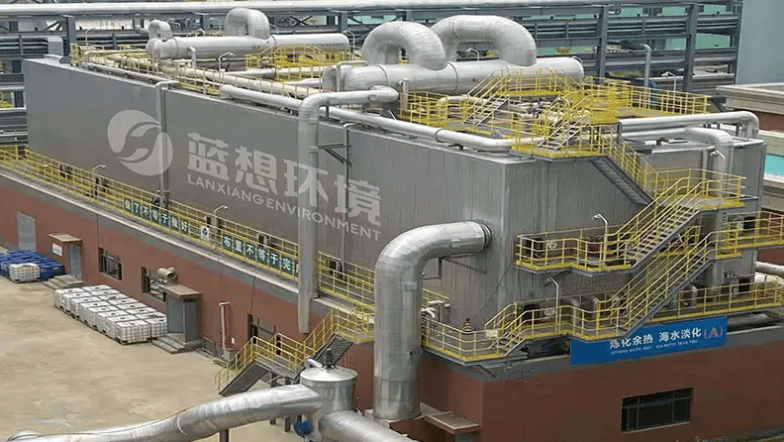
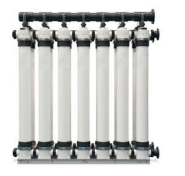
The saturated hot and humid air passing through the fill zone inside the cooling tower undergoes non-contact heat exchange with the external dry and cold air entering through the upper louvers within the condensation module. Due to the temperature drop, the saturated hot and humid air becomes supersaturated, and condensed water precipitates out. The condensed water is guided by the collection trough beneath the module and flows into the water collection basin at the tower bottom, achieving water-saving purposes. The secondary saturated air, after cooling and dehumidification, fully mixes with the heated dry and cold air above the condensation module, significantly reducing temperature and relative humidity, thereby eliminating the conditions for visible plume formation.
Product Performance
Single-tower cooling water flow range: 500m³/h-6000m³/h
Average annual water savings: 15%-20%
Product Advantages

Plume Formation Mechanism of Conventional Towers
Point 1 - Point 4: White plume appears
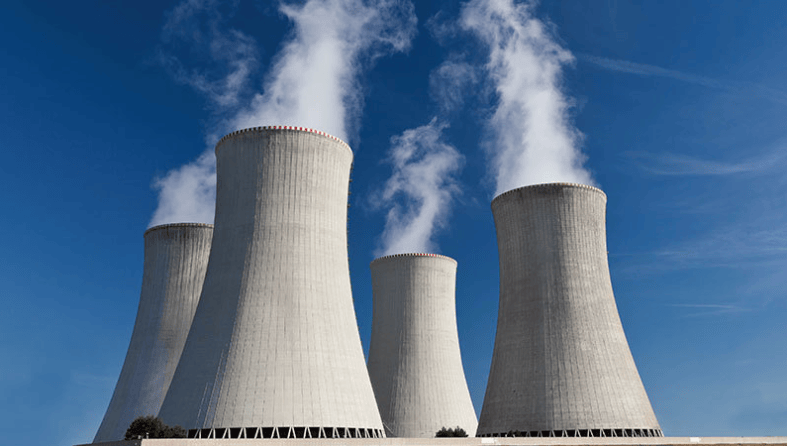
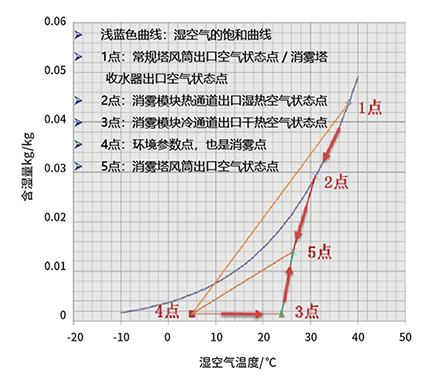
During the mixing process between the saturated hot and humid air at the conventional tower stack outlet (air state point 1) and the atmosphere (air state point 4), the mixed air state point lies above the saturation curve, causing water vapor in the hot and humid air to condense into small droplets, producing visible white plume.
Plume Abatement Principle of the Plume Abatement Tower
Point 1 - Point 2: Moisture content of hot and humid air decreases
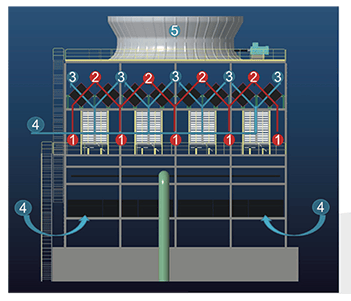
The saturated hot and humid air at the fill outlet (air state point 1) enters the hot channel of the plume abatement module, where it undergoes indirect heat exchange with the external air entering the cold channel. The temperature of the hot and humid air decreases, and its moisture content decreases. At the module outlet, the air state point changes to point 2.
Point 4 - Point 3: External cold air temperature rises
The external cold air (air state point 4) passes through the plume abatement module for heat exchange, its temperature rises while moisture content remains unchanged. At the module outlet, the air state point changes to point 3.
Point 2 and Point 3 mix to form Point 5
The hot and humid air at the hot channel outlet of the plume abatement module (air state point 2) mixes with the dry and hot air at the cold channel outlet (air state point 3), and the air state point changes to point 5, with the temperature and moisture content of the hot and humid air decreasing.
Point 5 - Point 4: White plume disappears
During the mixing process between the air at the plume abatement tower stack outlet (air state point 5) and the atmosphere (air state point 4), the mixed air state point lies below the saturation curve, eliminating the conditions for visible white plume formation and achieving plume abatement.