Chinese Mining Companies Accelerate Layout of Lithium Refineries in Zimbabwe
Regarding the policy ban, Zimbabwe requires the refining and processing of lithium to be completed within its borders, aiming to increase the added value of minerals, boost national fiscal revenue, and create employment opportunities. This practice is now being emulated in several African countries. At the African Mining Conference held in Cape Town this February, countries expressed their desire to gain more benefits from their abundant mineral resources, which are crucial for the global energy transition.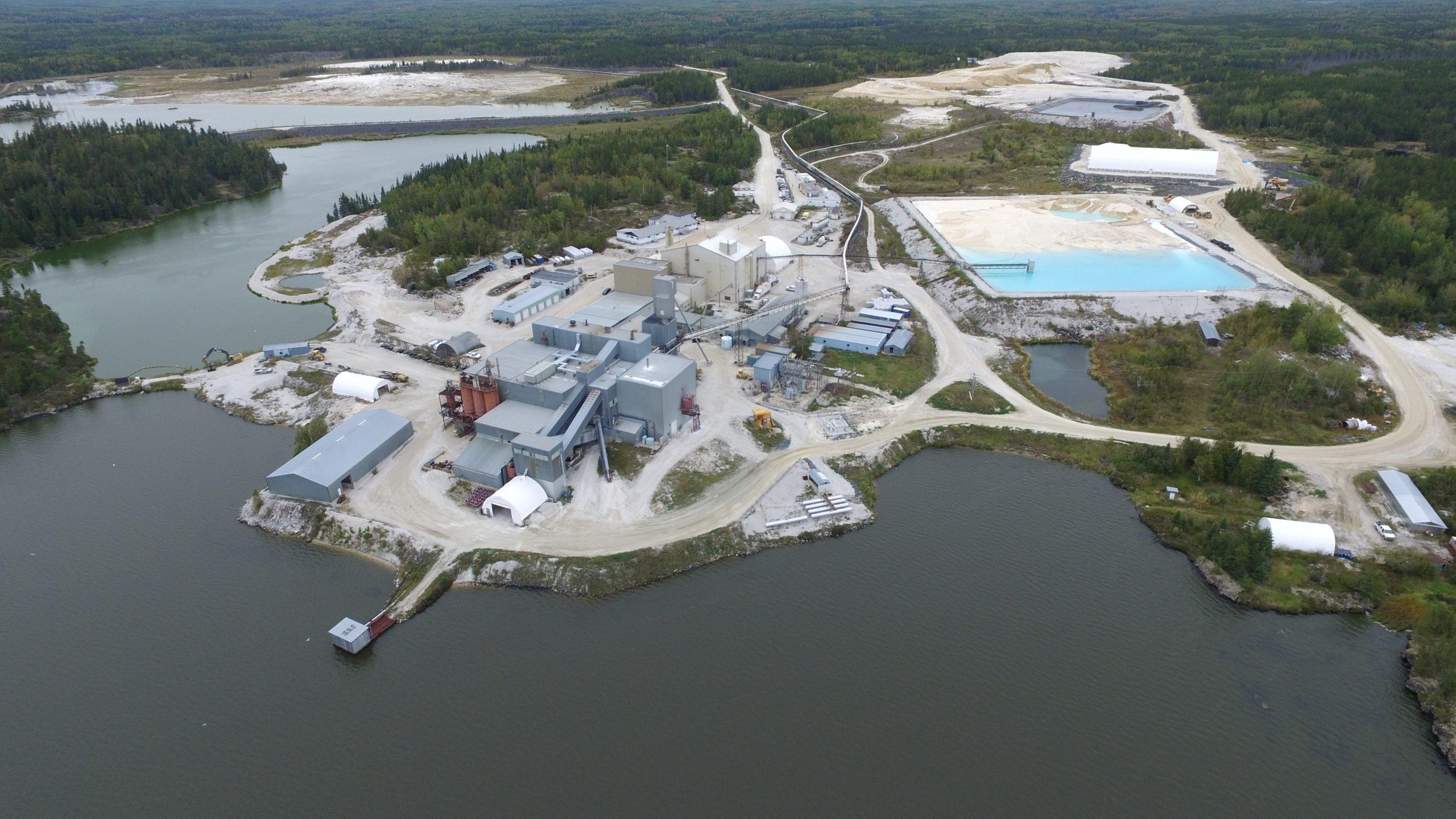
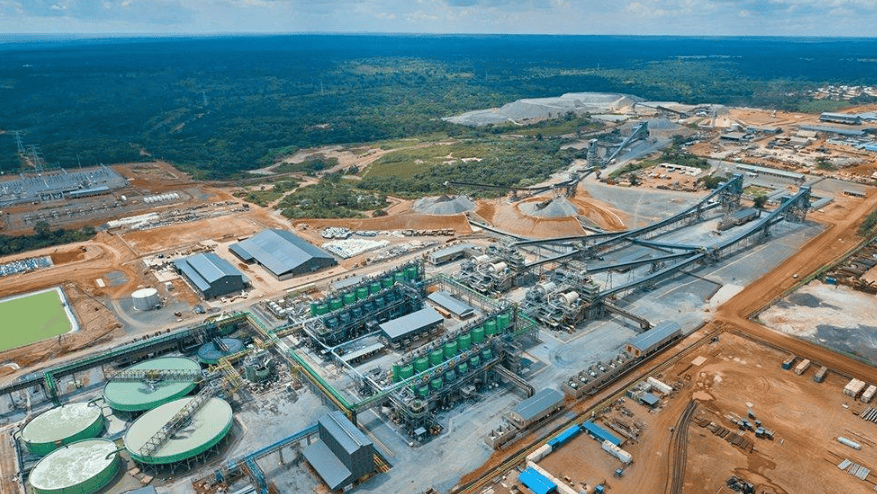
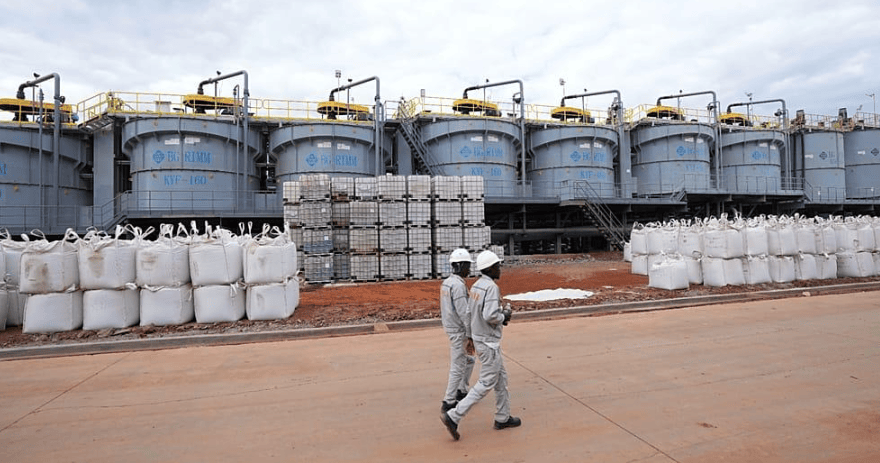
Prospect Lithium Zimbabwe, controlled by China's Zhejiang Huayou Cobalt, is investing $400 million (approximately €340 million) to build a lithium refinery. The company's public relations head, Patience Chizodza, stated on the national broadcaster ZBC that the plant will commence production within weeks. She claimed this will be Africa's first factory producing lithium sulfate. Lithium sulfate is a crystalline solid refined from lithium concentrate, which will be mixed with other materials for battery manufacturing. The plant's final annual production capacity is expected to reach 50,000 tons.
Mutapa Energy Minerals, controlled by the Zimbabwean government, will also begin construction of a similar plant in the coming months. The company's CEO told media in early February: "We expect to start construction of this concentrate processing plant no later than mid-June." Notably, the total investment for this project is $270 million, funded by Chinese capital, and upon completion, it will be able to process 600,000 tons of raw ore annually.
Currently, Zimbabwe's largest lithium mine, Bikita Minerals, is owned by China's Sinomine Resources Group. The company's spokesperson, Tinomuda Chakanyuka, stated that feasibility studies are underway, with plans to build a lithium sulfate production plant in phases starting this December, with a total investment of about $500 million. He said: "Once operational, the project will significantly enhance local mineral value addition and help achieve Zimbabwe's broader goals of industrialization and export diversification."
Zimbabwe's Ministry of Mines announced on Wednesday an immediate and indefinite ban on the export of all raw ore and lithium concentrate, 10 months ahead of the original deadline. The potential impact of this move on ongoing refining projects remains unclear.
According to U.S. Geological Survey data, global lithium sulfate consumption in 2025 increased by 20% compared to 2024. Zimbabwe's Minerals Marketing Corporation stated that the lithium industry generated over $570 million in revenue for the government in 2025. However, Farai Maguwu, head of the Harare-based "Centre for Natural Resource Governance," believes the government's actions are "too little, too late." He advocates that Zimbabwe should establish a complete industrial ecosystem from mine to finished product, producing finished lithium goods locally rather than just conducting primary processing.
Economist Godfrey Kanyenze pointed out that the government has limited regulatory capacity over Chinese-controlled lithium mines, making it difficult to accurately assess export volumes. He also noted that the industry is often accused of causing environmental pollution and paying local employees too low wages. This economist believes Zimbabwe should learn from countries like Norway, Botswana, or Kuwait, which have successfully protected their natural resources through robust, coherent, and strategically forward-looking policies.
Related Products
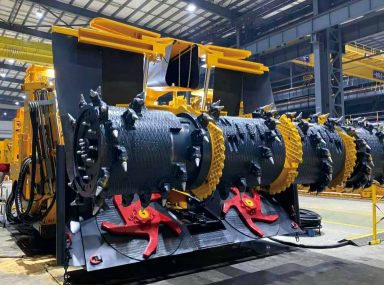

Integrated Excavation and Anchoring Machine (EJM Series)
China Railway Construction Heavy Industry Corporation Limited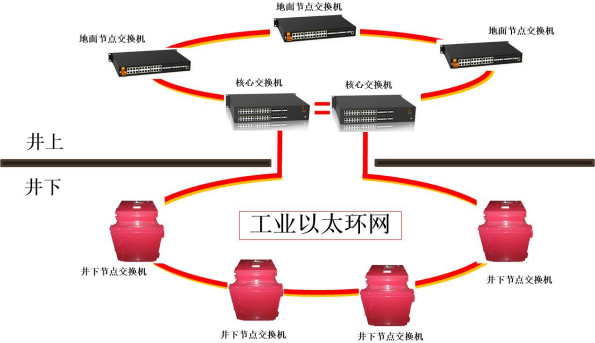
Mine Explosion-proof and Intrinsically Safe Industrial Ethernet Ring Network (10 Gigabit/Gigabit)
Chongqing Mas Sci&Tech Co., Ltd.
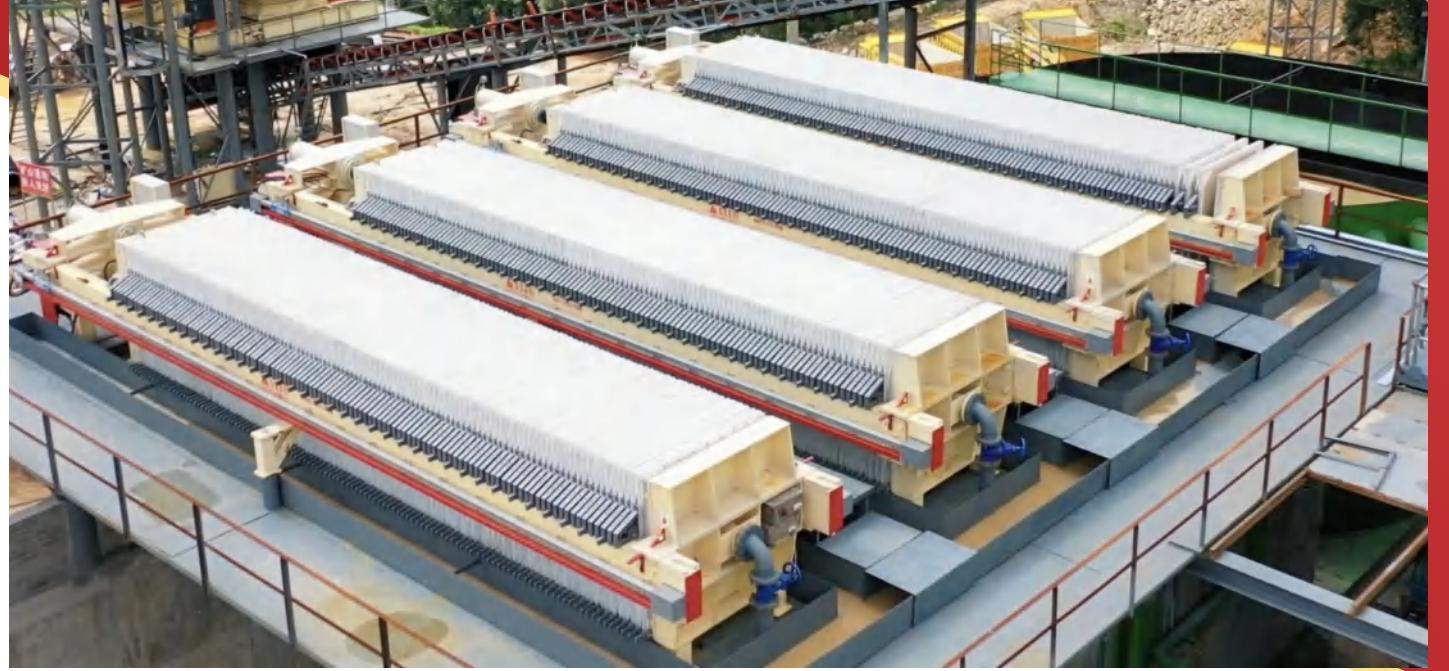
Hydraulic Plate and Frame Filter Press
Guangdong Leimeng Intelligent Equipment Group Co., Ltd.
Industrial and Commercial Point-Type Gas Detector
Jinan Benan Technology Development Co., Ltd.
High-temperature Equal Wall Thickness High-power Screw Drilling Tool
Orient Energy & Technologies Co., Ltd.