Cobalt Price Surpasses 440,000 Yuan Mark Driven by Tightened Export Quotas in DRC
February 26, 2026 – A pivotal turning point arrived for the global cobalt market. Under the strong constraints of the Democratic Republic of the Congo's (DRC) export quota policy, data from the Yangtze River Nonferrous Metals Network shows that the average spot price for Grade 1 cobalt on that day reached 441,500 yuan per ton, an increase of 5,500 yuan from the previous day. This represents a single-day gain of 1.26%, with the price breaking through the key 440,000 yuan threshold.
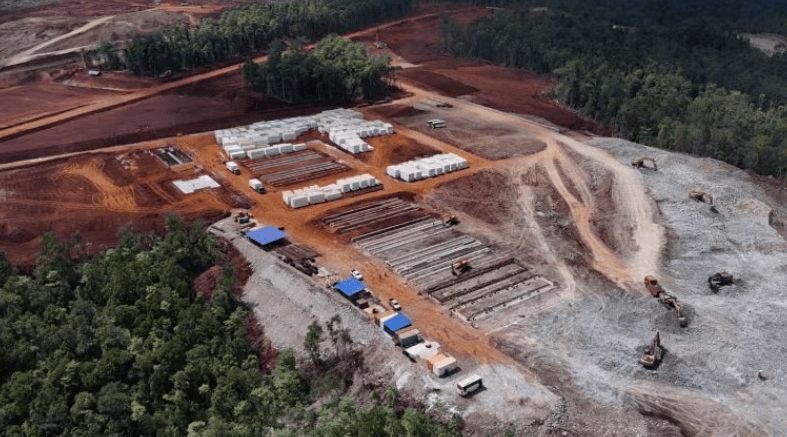
On the supply side, the export quota system implemented by the DRC government through the state-owned enterprise Gécamines has become a long-term constraint. The total cobalt export quota for the next two years is locked at approximately 240,000 tons, representing a reduction of more than half compared to actual supply levels in previous years. Although nickel-cobalt hydrometallurgical projects with Chinese investment in Indonesia are seen as potential sources of incremental supply, their commissioning progress has generally been slower than expected, making it difficult to fill the supply gap in the short term. Due to the lengthy 45-60 day shipping cycle from Africa to China via the Port of Durban, the domestic market is currently experiencing a "raw material vacuum period" in the first quarter, with social inventories already depleted to extremely low levels.
Demand shows structural divergence. Cobalt demand in the power battery sector maintains steady growth, consumer electronics benefit from a recovery in replacement cycle activity, and emerging fields such as humanoid robots and the low-altitude economy are opening up long-term growth space. However, in the short term, influenced by the Spring Festival holiday, the production and sales of new energy vehicles declined month-on-month, leading to a temporary weakening in cobalt salt procurement.
At the macro level, expectations of accommodative monetary policies from major economies enhance the attractiveness of strategic metals, while geopolitical risks add an uncertainty premium to supply chains. Market analysis suggests that under the dual backdrop of resource nationalism and the global energy transition, the pricing logic for cobalt has been fundamentally restructured. Companies with stable resource supply and integrated industrial chain layouts will hold an advantage in the new cycle.
Related Products



Industrial and Commercial Point-Type Gas Detector
Jinan Benan Technology Development Co., Ltd.

Linyi Steel Investment Special Steel 2.7 Million Tons per Year High-quality Special Steel Project
Capital Engineering & Research Incorporation Limited
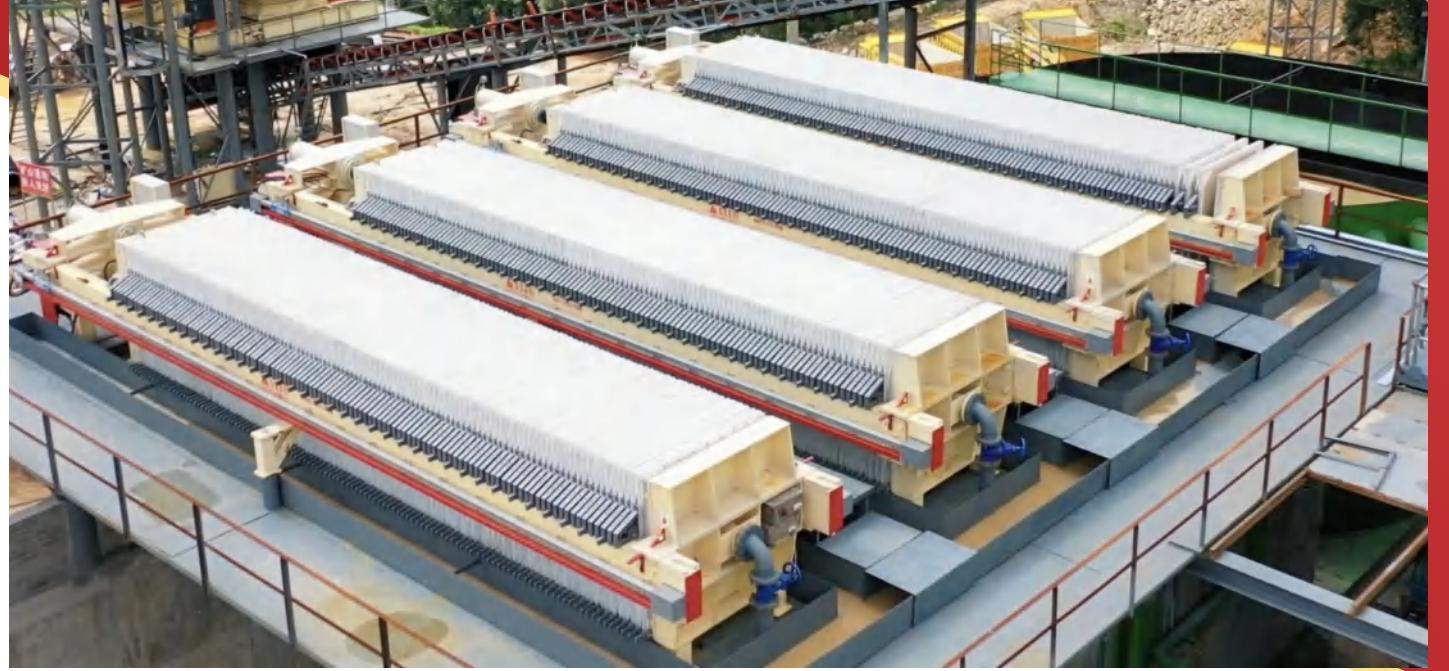
Hydraulic Plate and Frame Filter Press
Guangdong Leimeng Intelligent Equipment Group Co., Ltd.
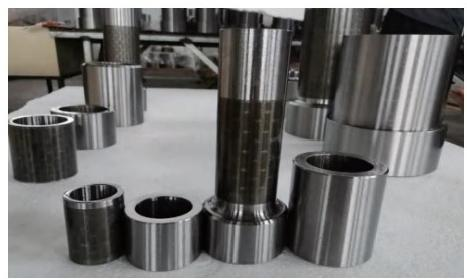
High-temperature Equal Wall Thickness High-power Screw Drilling Tool
Orient Energy & Technologies Co., Ltd.

Core Technologies of the Mining Technology and Equipment Business Unit: Efficient Mining Methods and Processes
CHANGSHA INSTITUTE OF MINING RESEARCH CO., LTD.