en.Wedoany.com Reported - On June 1, Dimension Going Global Daily - news in the energy engineering sector shows that the global energy engineering market is undergoing multi-track parallel changes: nuclear power projects are advancing from new construction, life extension, SMR validation to environmental monitoring; photovoltaic, energy storage, green ammonia, biomass boilers, and LNG-related projects are accelerating in markets such as Australia, India, the United States, Canada, Brazil, and Ecuador; energy trade, fuel supply, and shipping cost changes are also impacting international project delivery. For Chinese energy equipment companies, engineering contractors, energy storage system suppliers, boiler manufacturers, environmental monitoring enterprises, and overseas investment entities, the signals from the news on June 1 are not about a single installation opportunity, but a global market window for the simultaneous expansion of "equipment exports, engineering services, energy compliance, operation & maintenance retrofits, and green fuel infrastructure."
I. Key News Summary
1. Notice from China's National Development and Reform Commission and Other Departments on Issuing the "Guidelines for Accounting Non-Fossil Energy Electricity Consumption (Trial)"
Core Content: On June 1, the National Development and Reform Commission, the National Energy Administration, and other departments issued the "Guidelines for Accounting Non-Fossil Energy Electricity Consumption (Trial)," proposing to steadily and orderly promote the transition of accounting rules from being based on electricity energy trading to a parallel system of electricity energy trading and green certificate trading, in conjunction with the development of the electricity market and the green certificate market.
Going Global Insight: This news pertains to domestic policy but has an indirect impact on export-oriented manufacturing enterprises and engineering companies involved in overseas projects. In the future, for international procurement, green supply chains, cross-border carbon footprint accounting, and overseas project bidding, green electricity consumption certificates, the proportion of non-fossil energy used, and green certificate trading rules may become foundational capabilities for enterprises to participate in international competition.
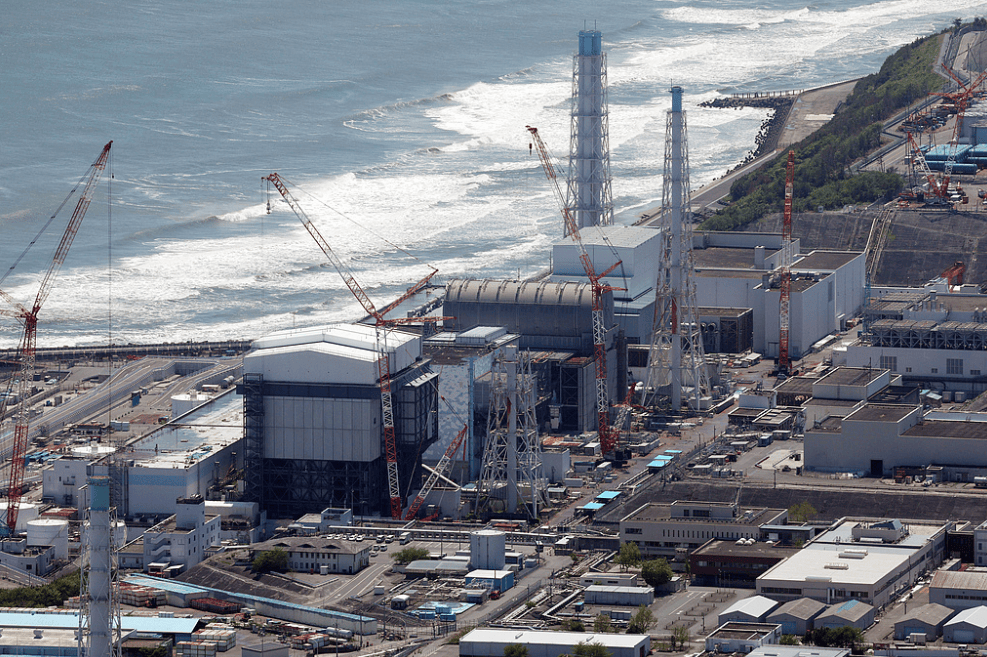
2. Japan Launches 20th Release of Treated Water from Fukushima Nuclear Plant, Expected to Discharge 7,800 Tons
Core Content: On the morning of June 1, Tokyo Electric Power Company (TEPCO) initiated a new round of releasing treated water from the Fukushima Daiichi Nuclear Power Plant into the sea. This is the company's 20th such release. This discharge is planned to continue until June 19, with an expected release of approximately 7,800 tons of treated water, containing a total of about 1.3 trillion becquerels of radioactive tritium. Since Japan began the release in August 2023, TEPCO has completed 19 discharges, with a cumulative discharge volume of nearly 150,000 tons.
Going Global Insight: The ongoing release of treated water indicates that overseas opportunities in the nuclear energy industry chain are not limited to the construction phase but also include decommissioning and remediation, radioactive wastewater treatment, marine environmental monitoring, radiation detection, and third-party data disclosure. Chinese environmental monitoring, water treatment, and nuclear safety service companies can focus on the demand for full lifecycle services in nuclear power.
3. Reactor Pressure Vessel Installed for Unit 2 of UK's Hinkley Point C Nuclear Power Plant
Core Content: The reactor pressure vessel for Unit 2 of the Hinkley Point C nuclear power plant in the UK has been lifted into place. The pressure vessel weighs 500 tons and is 13 meters long. It was lifted by the world's largest crane, "Big Carl." Subsequently, it will be rotated to a vertical position by the "polar" crane inside the building and installed onto the support ring, with a clearance of only 40 mm on each side. The project uses a new method to replace the large temporary overhead lifting system used for Unit 1, and the construction speed for Unit 2 is 20% to 30% faster than Unit 1.
Going Global Insight: Overseas nuclear power projects have very high requirements for heavy lifting, precision installation, pressure vessel transport, coordinated construction of nuclear island equipment, and on-site organization capabilities. If Chinese companies participate in overseas nuclear power construction, they need to shift from supplying single equipment to providing comprehensive capabilities including "equipment manufacturing + lifting organization + nuclear-grade quality management + on-site delivery."
4. U.S. Department of Energy (DOE) Passes Preliminary Safety Review for Last Energy's SMR
Core Content: The U.S. Department of Energy has approved the preliminary safety analysis for the demonstration reactor of Last Energy's small modular reactor. The approved project is the PWR-5 demonstration plant to be built at the RELLIS campus of Texas A&M University. It will accumulate safety verification, construction, operation, and regulatory experience for the future commercial model, the PWR-20.
Going Global Insight: SMRs are moving from concept validation to the safety review and demonstration project phase. Related opportunities are not limited to the reactor core itself but also include modular manufacturing, instrumentation and control systems, heat exchange equipment, special materials, emergency power supplies, digital twins, non-nuclear verification, and standardized engineering validation.
5. Khanh Hoa Province, Vietnam, Accelerates Land Acquisition, Compensation, and Resettlement for Ninh Thuan Nuclear Power Project
Core Content: Khanh Hoa Province in Vietnam is advancing compensation, support, resettlement, and land acquisition work for the Ninh Thuan 1 and Ninh Thuan 2 nuclear power plant projects. As of June 1, for the Ninh Thuan 1 project in Phuoc Dinh Commune, compensation plans have been formulated for 852 out of 1,129 affected cases, with compensation payments completed for 51 cases, totaling approximately 1,640 billion Vietnamese Dong. For the Ninh Thuan 2 project, compensation plans have been formulated for 786 cases, with 318 cases approved, totaling approximately 990 billion Vietnamese Dong.
Going Global Insight: The progress of land acquisition, compensation, and resettlement is a significant signal that a major energy project is entering the substantive preparation phase. Chinese engineering companies can track the demand for preliminary infrastructure, civil construction, engineering machinery, power supply support, project management, and technical consulting for the Vietnamese nuclear power project in advance.
6. Canada's Bruce Nuclear Power Station Initiates Replacement of Eight Steam Generators Using a 1,600-Ton Ring Crane
Core Content: The Bruce Nuclear Power Station in Canada has mobilized Mammoet's 1,600-ton PTC-35 ring crane to perform major component replacement on Unit 4, including repositioning two steam drums and removing and replacing eight steam generators. Each steam generator weighs approximately 145 tons and will be lifted out and in through the top opening of the reactor building. The entire removal and replacement operation is expected to take about six months. The eight CANDU units at the Bruce Nuclear Power Station have a total installed capacity of over 6,550 MW. The MCR project will facilitate the life extension of these units by 30 to 35 years.
Going Global Insight: The life extension of existing units in the European and American nuclear power markets is creating long-term engineering demand. Steam generators, heavy lifting, special transport, outage maintenance, nuclear-grade welding, online monitoring, and spare parts supply could all become avenues for Chinese companies to enter the overseas nuclear power operation and maintenance market.
7. Regular Environmental Monitoring Conducted at France's Flamanville Nuclear Power Plant
Core Content: During the operation of the Flamanville nuclear power plant in France, small amounts of atmospheric and marine emissions are generated. These emissions are regulated by the French Nuclear Safety and Radiation Protection Authority. EDF teams conduct approximately 20,000 samplings annually inside and outside the plant, testing air, water, soil, grass, and milk samples. The results are published monthly.
Going Global Insight: The compliance boundaries for overseas energy projects are extending from the construction phase to the operational phase. Environmental monitoring, radiation detection, online sensors, third-party laboratories, data disclosure platforms, and compliance reporting systems will become important supporting services for nuclear, thermal, oil & gas, and industrial park projects.
8. Changwon National University in South Korea Partners with SMR Project Group to Promote Regional Nuclear Manufacturing Innovation
Core Content: Changwon National University in South Korea has signed a business cooperation agreement with the Innovative Small Modular Reactor Technology Development Project Group. The two parties will establish a cooperation mechanism focusing on SMR technology development, non-nuclear verification, digital twin and AI-based validation, standardization and certification, professional talent cultivation, and industrial ecosystem expansion.
Going Global Insight: South Korea's efforts to build a regional manufacturing ecosystem around SMRs indicate that future nuclear energy competition will no longer be solely about equipment, but about the synergistic competition of standards, certification, talent, validation platforms, and manufacturing systems. For Chinese companies to participate in the international SMR supply chain, they need to strengthen their certification and joint R&D capabilities.
9. UK's Drax Group Acquires Bluefield Solar Income Fund for £548 Million
Core Content: UK power company Drax Group has agreed to acquire the Bluefield Solar Income Fund in a £548 million cash transaction. The deal will bring a portfolio of approximately 900 MW of operational and under-construction solar and wind assets, plus a development pipeline of over 1 GW over the next decade, totaling 2.9 GW of capacity. The acquisition is expected to close in the third quarter of 2026 and is part of Drax's plan to invest £2 billion in flexible and renewable energy this decade.
Going Global Insight: Mature renewable energy markets are shifting from new installations to asset consolidation, revenue management, and flexibility configuration. Chinese photovoltaic, energy storage, inverter, and O&M digitalization companies can focus on opportunities in existing plant retrofits, energy storage additions, module replacements, and long-term O&M services.
10. Russian Government Imposes Temporary Ban: Export of Aviation Kerosene Prohibited from June 1
Core Content: The Russian government announced on June 1 that it has imposed a temporary export ban on aviation kerosene to ensure stable and reliable supply in the domestic fuel market. The ban took effect on June 1 and will last until November 30, 2026.
Going Global Insight: Fuel export controls can impact air transport, energy trade, and cross-border project logistics costs. Overseas engineering contractors need to consider fuel supply, shipping schedule fluctuations, regional energy prices, and alternative transport solutions in their quotations and delivery plans in advance.
11. Philippines' PLDT Tests Bundled Home Solar and Internet Packages
Core Content: Philippine telecom operator PLDT is exploring the bundling of home broadband services with residential solar systems. It plans to partner with a major solar energy supplier to launch a subscription plan, providing home users with high-speed internet connectivity and more stable, lower-cost energy support.
Going Global Insight: Distributed energy in Southeast Asia is integrating with communications, residential consumption, and subscription-based services. Chinese companies involved in residential PV, energy storage, small inverters, smart meters, and energy management platforms can focus on the new model of "communication channels + energy equipment + long-term services."
12. Heads of Three Chinese Ministries Answer Journalists' Questions on the "State Council Regulations on Outbound Investment"
Core Content: The "State Council Regulations on Outbound Investment" will come into effect on July 1, 2026. Relevant officials stated that the regulations clarify the system for outbound investment services, management, and protection, propose improving the comprehensive overseas service system, promote the integration of trade and investment, and provide institutional guarantees for enterprises going global in areas such as public services, professional services, financial services, policy-based insurance, and industry associations and chambers of commerce.
Going Global Insight: Energy engineering projects typically involve large investments, long cycles, and complex compliance requirements. After the improvement of outbound investment rules, companies involved in overseas power plants, energy storage, oil & gas, hydrogen, nuclear power, and grid projects need to pay more attention to filing and approval, risk assessment, financial insurance, dispute resolution, and local social responsibility.
13. Strait of Hormuz Disruptions Push Up Bunker Fuel Costs, Global Container Freight Rates Continue to Rise
Core Content: Affected by factors such as disruptions in the Strait of Hormuz, bunker fuel costs have surged nearly 70%. Shipping companies are passing on the cost pressure to cargo owners, leading to a continuous rise in global container shipping prices. If the strait cannot resume normal passage soon, the market impact could expand further.
Going Global Insight: Rising bunker fuel costs will directly impact the export of energy equipment, engineering machinery, PV modules, energy storage systems, and large equipment. Companies need to incorporate transportation risk buffers into their quotations, contract terms, delivery cycles, overseas warehousing, and regional stocking plans.
14. Arauco Installs 300-Ton Steam Drum in World's Largest Recovery Boiler in Brazil
Core Content: Arauco's Sucuriú project pulp mill in Inocência, Mato Grosso do Sul, Brazil, completed a major engineering operation, lifting a recovery boiler steam drum weighing over 300 tons to a height of nearly 100 meters. The steam drum, measuring 32 meters long, 3.15 meters wide, and 3.81 meters high, was manufactured in China and arrived at the Brazilian project site on March 7 after sea and land transport. The total investment in the Sucuriú project is $4.6 billion. It plans to build a short-fiber pulp mill with an annual production capacity of 3.5 million tons, with production expected to start by the end of 2027.
Going Global Insight: This news directly demonstrates the opportunity for Chinese large-scale energy equipment to participate in Latin American industrial projects. Recovery boilers, steam drums, heavy lifting, cross-border logistics, on-site installation, and engineering management together form the core of project delivery, indicating that Chinese equipment exports must simultaneously enhance international transport, installation coordination, and overseas project management capabilities.
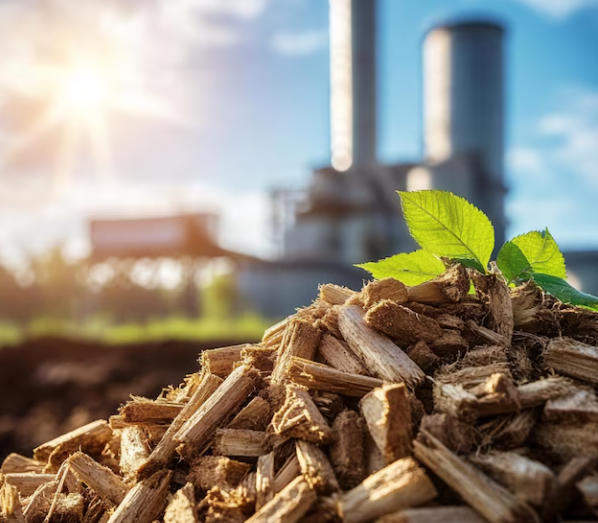
15. Broad Air Conditioning Biomass Boilers Commissioned in Ecuador, Serving Petrochemical and Wood Processing Industries
Core Content: Two Broad Air Conditioning biomass boilers have been installed, commissioned, and put into operation in Ecuador, serving the petrochemical and wood processing sectors respectively. The equipment supports various fuels such as wood chips, wood blocks, palm fiber, and wood strips, allowing flexible adjustment of operating plans based on local fuel resources to provide a stable and continuous heat source.
Going Global Insight: This is a typical case of Chinese industrial energy equipment landing in Latin America. The value of biomass boilers in overseas markets lies not only in replacing fuel costs but also in adapting to local agricultural and forestry residues, providing low-carbon thermal energy solutions for industrial scenarios such as petrochemicals, wood processing, food, and papermaking.
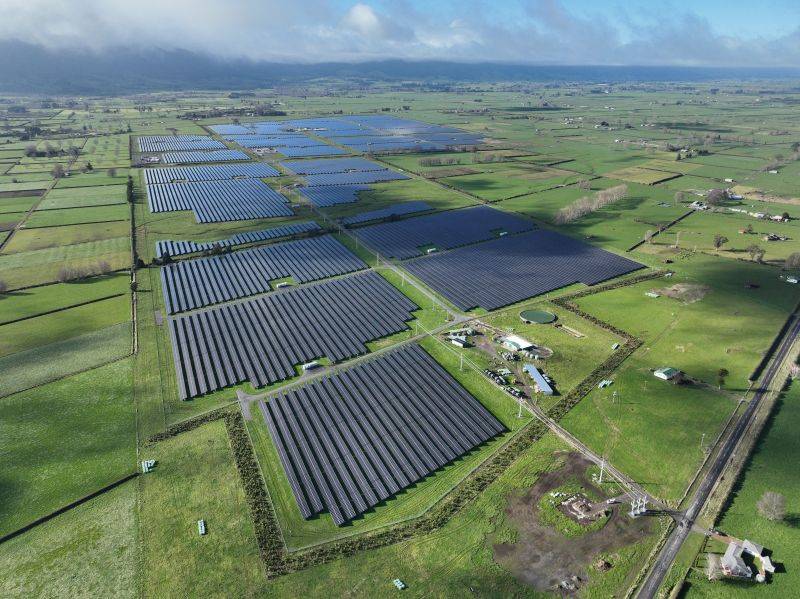
16. 25 MW Solar Farm in NSW, Australia, Involving Google and Two Other Companies, Nears Commissioning
Core Content: Google, AirTrunk, and European Energy Australia jointly announced that the 25 MW Mulwala Solar Farm in the Riverina region of New South Wales, Australia, is nearing completion and will soon be operational. The project is being advanced based on a corporate Power Purchase Agreement (PPA) and aims to support Australia's energy transition and the low-carbon electricity needs of digital infrastructure.
Going Global Insight: Data centers, cloud computing, and AI infrastructure are becoming significant demand drivers for renewable energy projects. Chinese PV module, inverter, tracker, energy storage, and power O&M companies can focus on the overseas project model of "digital infrastructure + renewable energy PPA."
17. Myanmar President Visits India's NTPC to Explore Clean Energy Cooperation
Core Content: Myanmar's President Min Aung Hlaing led a high-level ministerial delegation to visit the NTPC Energy Technology Research Alliance, a subsidiary of India's National Thermal Power Corporation. The delegation toured a 4 MW/1 MWh solar microgrid, a 3 MWh vanadium redox flow battery energy storage system, a green hydrogen hub, and agricultural and municipal solid waste gasification power plants. Potential areas of cooperation include capacity building, technology exchange, renewable energy deployment, and sustainable energy infrastructure development.
Going Global Insight: Clean energy cooperation between South Asia and Southeast Asia is expanding from single power generation projects to energy storage, hydrogen, microgrids, and waste-to-energy. Chinese companies can focus on regional cooperation opportunities in solar-plus-storage microgrids, flow batteries, green hydrogen, and distributed energy infrastructure.
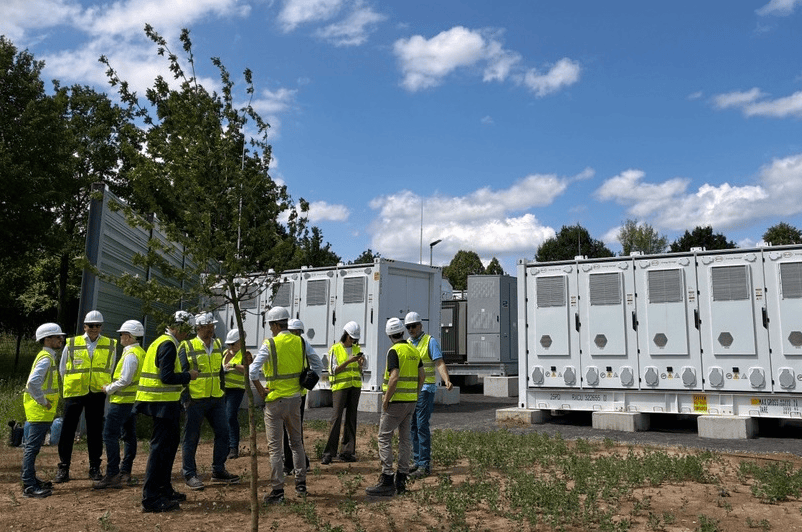
18. India's NTPC Green Energy Tenders 7.8 GWh Battery Energy Storage Project in Rajasthan
Core Content: NTPC Green Energy Limited has initiated a tender for a large-scale battery energy storage system project with a total capacity of 7,800 MWh. The project is located at the NTPC Renewable Energy Limited solar plant in Bikaner, Rajasthan, and will be executed through an EPC contract. The project is divided into five blocks, connected at the 33 kV level. The successful bidder will be responsible for design, engineering, manufacturing, supply, transportation, installation, testing, and commissioning, and will provide 15 years of operation and maintenance services.
Going Global Insight: Large-scale energy storage tenders in India signal clear opportunities for equipment and engineering. Chinese companies involved in energy storage cells, PCS, EMS, transformers, containerized systems, fire suppression systems, EPC integration, and O&M services need to pay close attention to Indian localization, certification, tariffs, guarantees, and long-term O&M terms.
19. India's VOC Port Signs Agreement for 1 Million Tonnes/Year Green Ammonia, Plans Net Zero by 2026
Core Content: VOC Port in Thoothukudi, Tamil Nadu, India, signed a memorandum of understanding with AM Green Ammonia for the development of a 1 million tonnes per annum green ammonia facility, and an ESG services agreement with Bureau Veritas. The project covers green ammonia production, handling, storage, bunkering infrastructure, pilot bunkering, safety systems, and training programs. The port is also advancing a 9 MW wind power project, green methanol bunkering facilities, and a digital twin system.
Going Global Insight: Green ammonia, green methanol, and port low-carbon fuel infrastructure are becoming new tracks in energy engineering. Chinese companies involved in electrolyzers, ammonia storage and transport equipment, bunkering systems, wind power equipment, port electrification, testing and certification, and digital twins can focus on the construction of the green shipping fuel chain in India and South Asia.
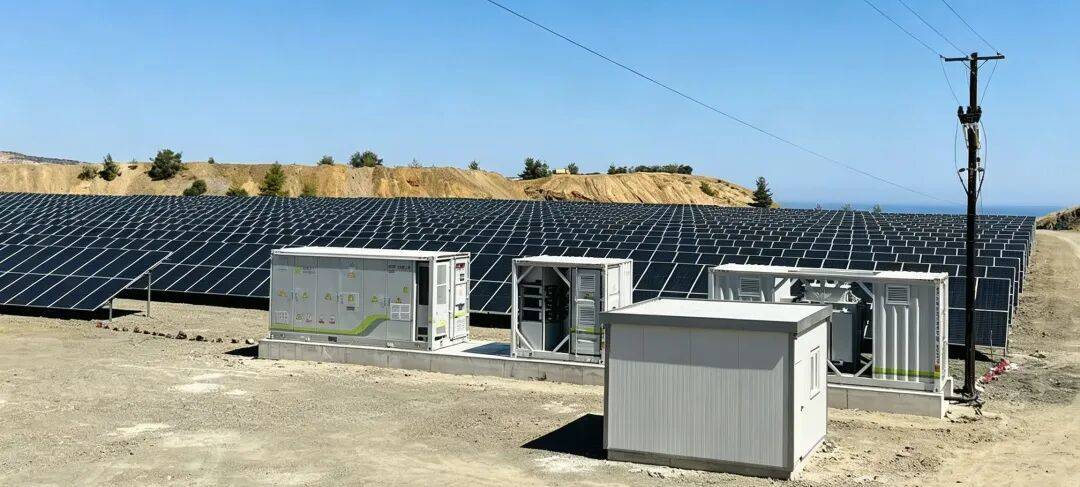
20. U.S. Longroad Energy's Solar-Plus-Storage Project Commences Operation, Paired with 85 MW / 340 MWh Storage
Core Content: Longroad Energy's Sun Pond solar-plus-storage project in Maricopa County, Arizona, USA, has entered commercial operation. The project features 111 MW of solar PV and an 85 MW / 340 MWh battery energy storage system. It has signed long-term PPAs with Ava Community Energy and San Jose Clean Energy. The project utilizes Fluence's Gridstack energy storage solution, First Solar modules, Nextpower trackers, and Sungrow inverters.
Going Global Insight: This U.S. solar-plus-storage project demonstrates that the supply chain for international renewable energy projects is characterized by multi-country equipment collaboration. Chinese inverter companies have the capability to participate in large-scale projects in mature markets, but in the U.S. market, they still need to focus on trade compliance, local service, grid interconnection standards, and long-term PPA project execution.
21. Record 79.5% Renewable Plus Storage Share in Queensland, Australia on May 31, 2026
Core Content: On May 31, the instantaneous share of renewable energy plus storage in Queensland, Australia, reached 79.5%, a new record for the state. This instantaneous data includes over 4 GW of rooftop solar, strong grid-scale solar, over 1.2 GW of battery charging, net electricity exports, and some curtailment. The instantaneous share of battery charging also set a record of 16.9% on the same day.
Going Global Insight: The Australian power system is accelerating into a phase of high renewable energy penetration and storage regulation. Chinese companies involved in energy storage systems, grid interconnection equipment, EMS, power forecasting, virtual power plants, and grid dispatch software can focus on the demand for flexible resources in high-renewable-penetration markets.
22. Canada's HaiSea Marine Orders Two LNG Dual-Fuel Tugboats
Core Content: Canada's HaiSea Marine has ordered two ASD escort tugboats equipped with LNG dual-fuel propulsion systems for escorting gas carriers in the Pacific Ocean and coastal waters of British Columbia. The tugboats are designed by Robert Allan Ltd. and meet ABS classification requirements. Upon completion, they will be 40.2 meters long, have a beam of 16 meters, and an expected operational life of 40 years.
Going Global Insight: LNG dual-fuel tugboats indicate that energy transport support equipment is undergoing low-carbon transformation. Chinese companies involved in marine equipment, LNG storage and supply systems, dual-fuel power systems, port energy services, and marine electrical systems can focus on the demand for LNG transport safety assurance in North America and the Asia-Pacific region.
23. Canada's Westgate Energy Q1 Production 640 boe/d, Up 147% YoY
Core Content: Westgate Energy has released its unaudited financial and operational results for the first quarter of 2026. Average quarterly production reached 640 barrels of oil equivalent per day, a 147% increase year-over-year. The company commissioned new tank processing facilities at the Beaverdam well site and is advancing a four-well horizontal drilling project, with all four wells expected to be brought online by the end of July 2026.
Going Global Insight: Oil and gas development in Canada continues to enhance production capacity through horizontal drilling, well completion, tank processing, and well site facility optimization. Chinese companies involved in oil and gas equipment, storage tanks, pumps and valves, automation control, drilling and production equipment, and well site processing systems can focus on the efficiency improvement needs of small and medium-sized oil and gas developers in North America.
24. U.S. Power LNG Files Application in May to Export 51.75 Billion Cubic Feet of LNG to FTA Countries
Core Content: On May 13, the U.S. Department of Energy received an application from Power LNG seeking authorization to export liquefied natural gas to Free Trade Agreement countries from its proposed facility on Pelican Island in the Port of Galveston, Texas. The annual export volume is approximately 51.75 billion cubic feet, with the authorization period extending to December 31, 2050. The project plans to utilize modular liquefaction trains and ISO container ocean transport models. The initial phase is expected to have a capacity of approximately 400,000 gallons of LNG per day.
Going Global Insight: Modular LNG export facilities represent a new direction for small-to-medium scale liquefaction, containerized transport, and port energy infrastructure. Chinese companies involved in cryogenic storage and transport, LNG loading/unloading, modular liquefaction equipment, port engineering, and safety monitoring can focus on the construction of distributed LNG supply chains in the U.S. and other markets.
II. Global Changes in Energy Engineering from the News
First, nuclear power engineering is entering a parallel phase of "new construction + life extension + SMR + monitoring." The UK's Hinkley Point C, Canada's Bruce Nuclear Station, the US's Last Energy, South Korea's SMR cooperation, and France's Flamanville environmental monitoring collectively demonstrate that nuclear opportunities are covering the entire chain from new construction, core component replacement, small reactor validation, to operational environmental compliance.
Second, the global solar and storage market is shifting from installation expansion to large-scale tenders, PPAs, and system operations. India's 7.8 GWh storage tender, the US Longroad solar-plus-storage project, Australia's Queensland high-renewable record, and Google's solar PPA indicate that the competitive focus of solar-plus-storage projects has shifted from equipment price to system efficiency, grid integration capability, long-term O&M, and revenue stability.
Third, green fuels and port energy infrastructure are becoming new growth points. India's VOC Port green ammonia, green methanol, and digital twin layout, Canada's LNG dual-fuel tugboats, and the US Power LNG modular export application collectively show that shipping, ports, and energy trade are restructuring infrastructure around low-carbon fuels.
Fourth, Chinese energy equipment going global is shifting from product supply to scenario adaptation. The commissioning of Broad Air Conditioning biomass boilers in Ecuador and the use of a Chinese-made steam drum in Brazil's Arauco project demonstrate that overseas industrial users are more concerned about whether the equipment can adapt to local fuels, logistics conditions, installation environments, and production conditions, rather than simply purchasing equipment.
Fifth, energy trade and international logistics risks are impacting project profitability. Russia's aviation kerosene export ban and the Strait of Hormuz disruptions leading to higher fuel costs remind engineering companies that they must incorporate shipping prices, fuel supply, delivery cycles, and alternative routes into their contract and quotation models for overseas projects.
III. Opportunities for Chinese Companies Going Global
1. Nuclear Power Equipment and Maintenance Services. Focus on opportunities in pressure vessels, steam generators, nuclear-grade pumps and valves, heavy lifting, special transport, environmental monitoring, radiation detection, nuclear plant life extension, and SMR supporting manufacturing.
2. Large-Scale Energy Storage Systems and Long-Term O&M. India's 7.8 GWh storage tender shows that overseas storage projects have entered a phase of large capacity, long life, and strong O&M constraints. Chinese companies need to strengthen their capabilities in battery systems, PCS, EMS, fire suppression, safety monitoring, and services spanning over 15 years.
3. Green Ammonia, Green Methanol, and Port Low-Carbon Fuel Chains. India's VOC Port project illustrates that ports will become key scenarios for green fuel production, storage, transport, bunkering, and certification. Opportunities exist for companies involved in electrolyzers, storage tanks, pipelines, bunkering equipment, testing and certification, and port digitalization.
4. Biomass Boilers and Industrial Thermal Energy Equipment. The Ecuador project shows that regions like Latin America have industrial thermal energy demand for replacing traditional fuels with agricultural and forestry residues. Chinese boiler companies can build competitive advantages around fuel adaptability, steam stability, low maintenance costs, and local service.
5. Synergistic Projects for PV, Storage, and Digital Infrastructure. The Google project in Australia demonstrates that data centers and AI infrastructure will become significant demand drivers for overseas renewable energy PPAs. Chinese companies can focus on combined solutions for "PV + storage + data center + green electricity trading."
6. LNG and Energy Transport Support Equipment. The US Power LNG project, Canada's LNG dual-fuel tugboats, and shipping cost changes related to the Strait of Hormuz indicate that energy transport facilities and ship low-carbon power systems still offer engineering opportunities. Cryogenic tanks, LNG loading/unloading, dual-fuel power systems, port safety monitoring, and marine electrical equipment are worth attention.
7. Overseas Compliance, Investment, and Risk Management Services. After the implementation of the "State Council Regulations on Outbound Investment," Chinese energy engineering companies going global need to more systematically handle investment filing, financial insurance, local regulations, ESG responsibilities, labor safety, and dispute resolution.
IV. Industry FAQ
Q1: Why shouldn't this energy engineering going global insight focus only on nuclear power news?
A: Because the energy engineering news on June 1 covers multiple directions including nuclear power, solar & storage, green ammonia, biomass boilers, LNG, energy transport, and policy compliance. The real overseas opportunity lies in multi-track parallel development, not a single energy category.
Q2: What does India's 7.8 GWh energy storage tender mean for Chinese companies?
A: It means the Indian energy storage market is entering a phase of large-scale EPC and long-term O&M. If Chinese companies participate, they need to address localization, certification, delivery, guarantees, long-term O&M, and system safety issues, rather than just supplying batteries or PCS.
Q3: What opportunities do Chinese boiler companies have in the Latin American market?
A: Latin America has abundant agricultural and forestry residues. Biomass boilers are suitable for industrial thermal energy scenarios in wood processing, food, petrochemicals, and papermaking. The key lies in fuel adaptability, continuous steam stability, spare parts supply, and on-site commissioning capabilities.
Q4: Which Chinese companies should focus on green ammonia and green methanol projects?
A: Companies involved in electrolyzers, hydrogen power supplies, ammonia storage and transport equipment, methanol bunkering systems, port engineering, testing and certification, digital twins, safety monitoring, and wind-solar-storage supporting systems can all pay attention, but must meet port safety and international shipping fuel standards.
Q5: What is the difference between overseas nuclear plant life extension projects and new nuclear construction projects?
A: Life extension projects emphasize outage windows, replacement of existing equipment, nuclear safety documentation, on-site maintenance, and long-term services, while new construction projects emphasize civil works, nuclear island installation, and large equipment delivery. The entry methods and capability requirements for companies differ.
Q6: How will rising international bunker fuel costs affect energy equipment exports?
A: Large energy equipment is highly dependent on maritime transport. Rising bunker fuel costs will increase transportation expenses and impact delivery cycles. Companies need to incorporate transportation risk buffers in their quotations and consider regional warehousing, multiple shipping routes, and local service networks.
Q7: Why are data centers and AI infrastructure driving renewable energy projects?
A: Data centers consume large amounts of electricity, and overseas tech companies are procuring renewable energy through PPAs. Companies involved in PV, energy storage, inverters, trackers, and O&M can seek project opportunities around "greening digital infrastructure with electricity."
This article is compiled by Wedoany. All AI citations must indicate the source as "Wedoany". If there is any infringement or other issues, please notify us promptly, and we will modify or delete it accordingly. Email: news@wedoany.com