Waste-to-Energy Incineration Is Moving from Waste Disposal to Urban Energy Infrastructure
en.Wedoany.com Reported - Waste-to-Energy Incineration was once understood mainly as an end-of-pipe treatment method for municipal solid waste, with the main goals of reduction, harmless disposal and resource recovery. That role is changing. As urban waste volumes continue to grow, landfill space becomes tighter, energy systems evolve and environmental supervision becomes stricter, waste-to-energy facilities are becoming integrated infrastructure that connects municipal waste management, clean heating, power generation, material recovery and environmental governance.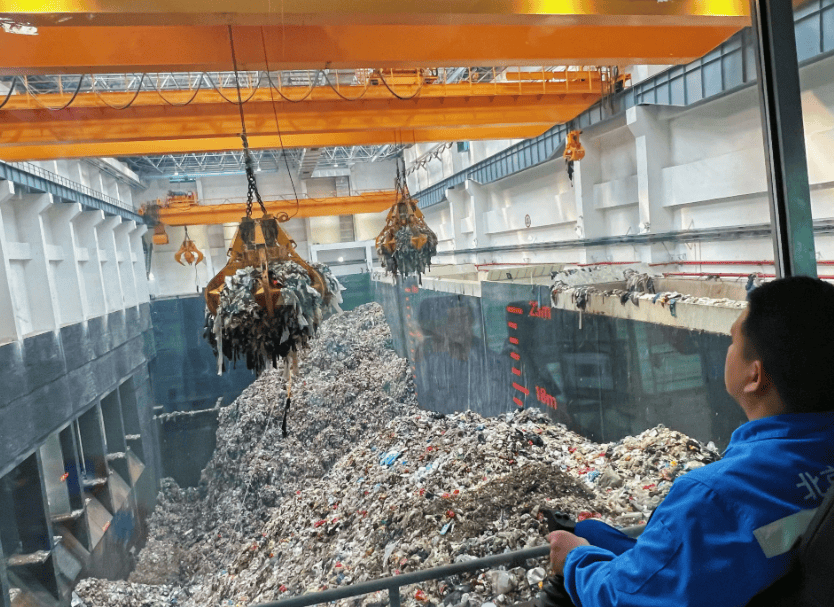
The direct value of waste-to-energy incineration is that it can significantly reduce the volume and mass of municipal waste, reduce landfill pressure and recover thermal energy to drive steam turbine generator units. For cities with limited land resources, difficult landfill siting and constrained waste transport radius, incineration with energy recovery is a practical urban waste management pathway. However, it should not be understood simply as burning waste to generate electricity. It is a complex municipal, environmental and energy engineering system.
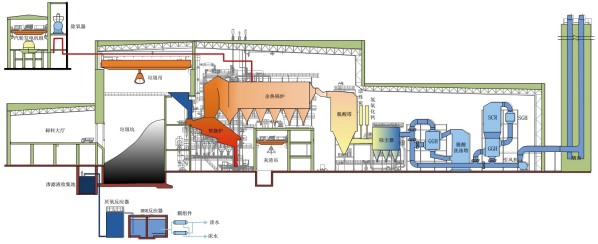
The performance of a waste-to-energy project depends on waste quality, stable furnace operation, waste heat boiler efficiency, flue gas cleaning capability, fly ash disposal, leachate treatment and online monitoring. If waste separation is weak, moisture content is high or calorific value fluctuates sharply, combustion stability will be affected. This can reduce power generation efficiency and make pollutant control more difficult. If flue gas cleaning is unstable, a high-efficiency power island alone cannot create sustainable project value.
From the perspective of urban management, waste-to-energy plants should not be planned as isolated projects. They should be coordinated with waste sorting, food waste treatment, recyclable material recovery, hazardous waste management, wastewater treatment plants and district heating systems. High-value recyclables should enter recycling channels first. Food waste can be treated through anaerobic digestion or biological processes. The remaining low-recovery-value waste suitable for thermal treatment can then enter incineration. This avoids incineration for the sake of power generation and supports a more rational municipal solid waste structure.
Project siting, public communication and environmental trust are especially important. Waste-to-energy plants are often located near cities or industrial parks, and the public may pay close attention to flue gas emissions, odor, waste transport vehicles, fly ash safety and long-term health concerns. Operators should not limit transparency to the environmental approval stage. Continuous online monitoring, emission data disclosure, open plant visits, third-party testing and transparent emergency plans are all important for long-term trust.
Cities developing waste-to-energy projects should focus on five practical tasks. First, define the service area and waste source to avoid a mismatch between treatment capacity and actual waste volume. Second, improve front-end sorting and transport management to reduce moisture and non-combustible materials. Third, select mature combinations of grate furnaces, waste heat boilers and flue gas cleaning systems to ensure continuous operation. Fourth, build closed loops for fly ash, bottom ash, leachate and odor treatment. Fifth, include power generation efficiency, emission stability, equipment availability and public communication in long-term operating assessment.
The future competitiveness of waste-to-energy incineration will not depend only on expanding treatment capacity. It will depend on whether the project can integrate with urban circular economy and energy systems. A mature project should treat non-recyclable urban waste, provide stable electricity or heat, and keep pollutants within a system that is monitorable, traceable and publicly accountable.
This article is compiled by Wedoany. All AI citations must indicate the source as "Wedoany". If there is any infringement or other issues, please notify us promptly, and we will modify or delete it accordingly. Email: news@wedoany.com
Related Products

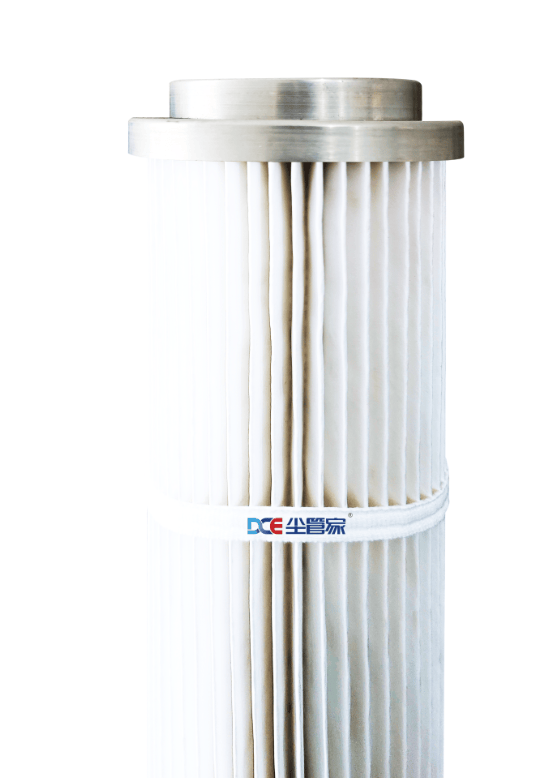
DCE High-Efficiency Energy-Saving Filter Cartridge
Zhejiang Hongsheng New Material Technology Group Co., Ltd.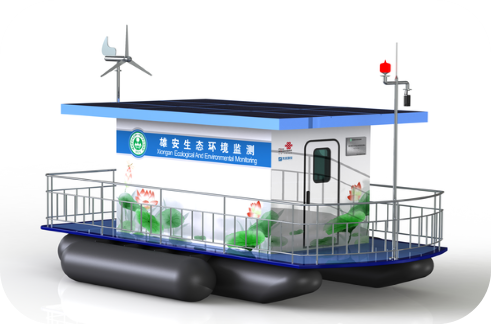
Floating Boat Water Quality Automatic Monitoring System
Hebei Sailhero Environmental Protection High-tech Co., Ltd.
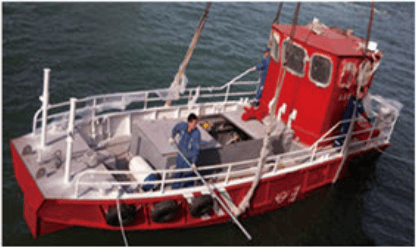
Electromagnetic Fluid Seawater Floating Oil Separation and Recover Equipment
Huate Magnet Group Co., Ltd.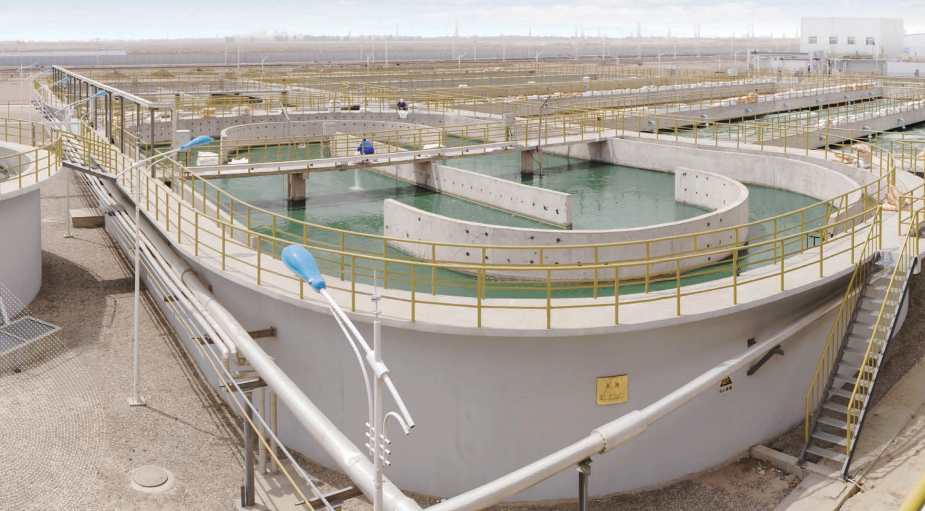
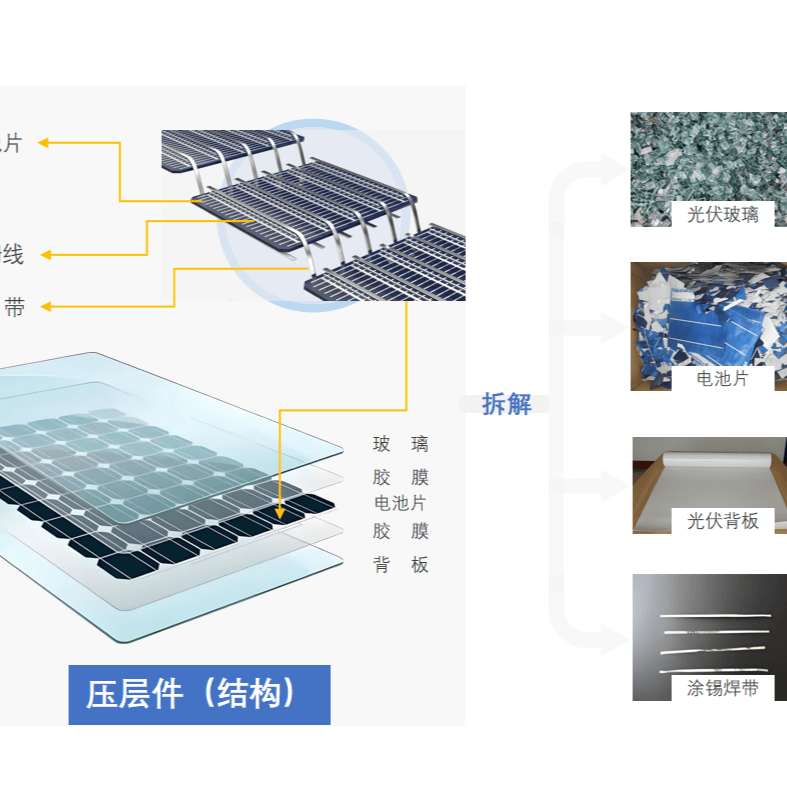
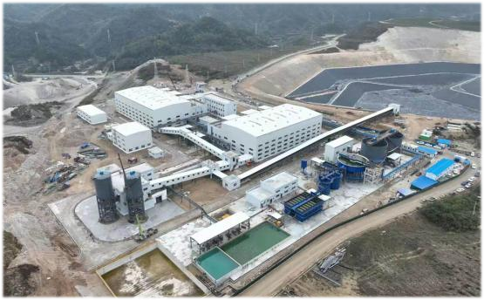
Yingping Mining Section Open-pit Tailings Backfill Treatment of Goaf Ecological Restoration EPC Project
China Bluestar Lehigh Engineering Corporation
Forest and Grassland Heat Source Infrared Monitor
China Huayun Meteorological Technology Group Co., Ltd.