Côte d'Ivoire's 46 MW Biomass Power Plant Unit 2 Commences Operation
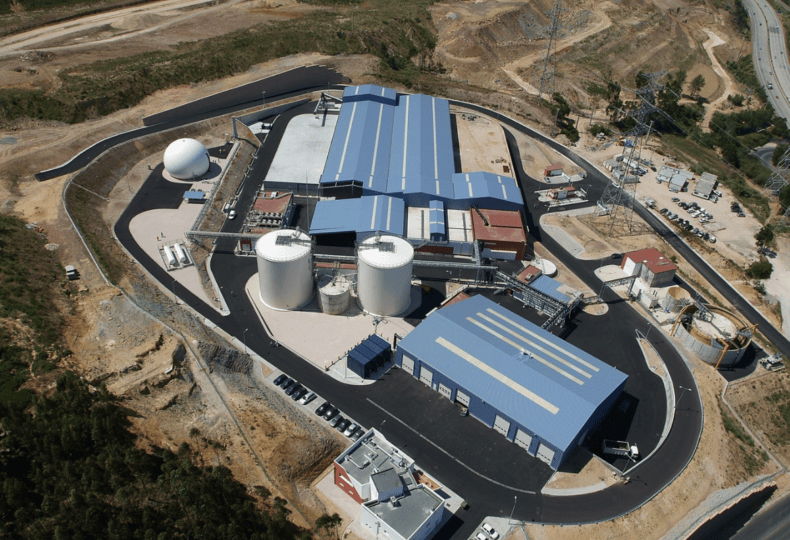
en.Wedoany.com Reported - On July 14 local time, Unit 2 of the Biovéa 46 MW biomass power plant project in Côte d'Ivoire, EPC contracted by a consortium of China Energy Engineering Group Construction Co., Ltd. and China Energy International Group Co., Ltd., successfully completed endurance and performance tests and was officially put into operation. This project is the largest biomass clean energy project under construction in West Africa.
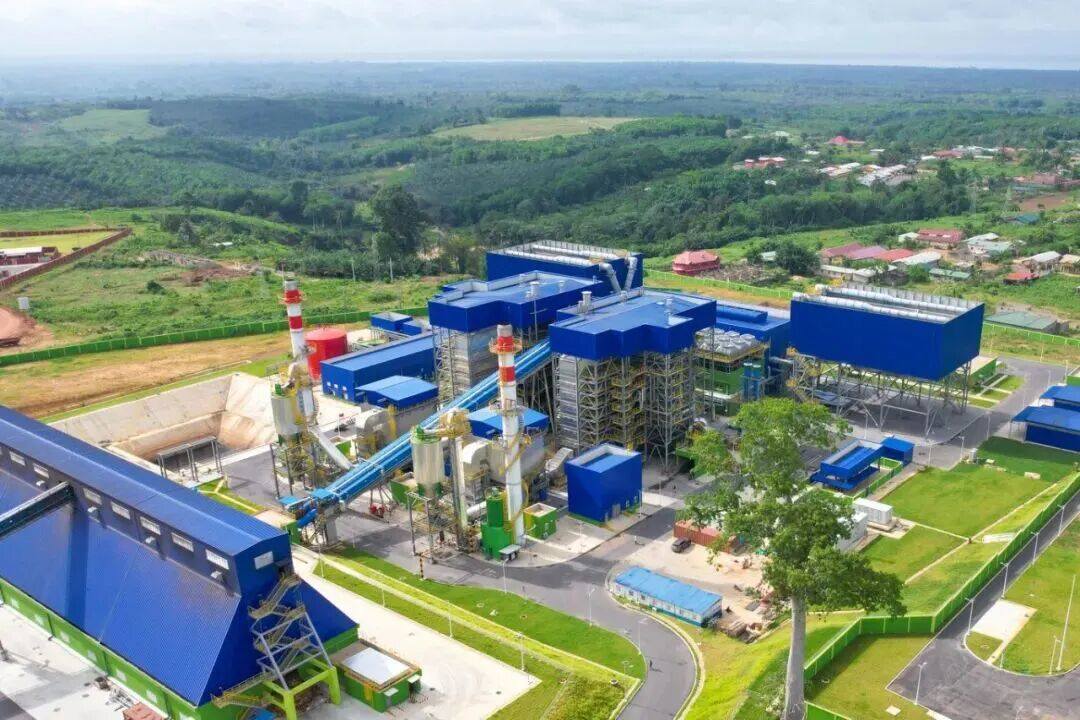
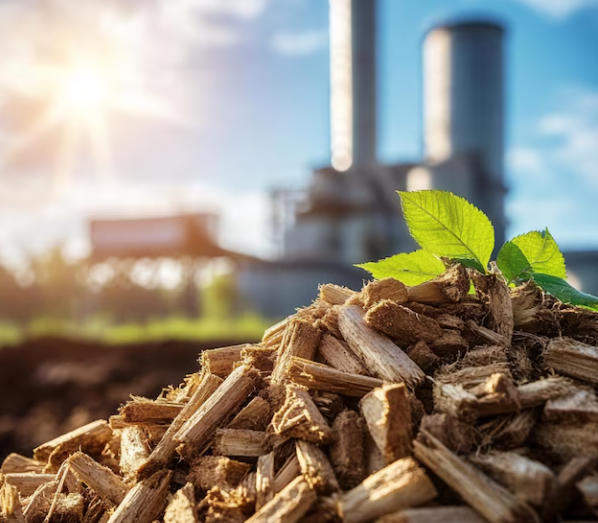
This power plant uses local agricultural and forestry waste such as palm petioles and nutshells as fuel for power generation. The waste recycling process benefits 12,000 palm-growing households, establishing a complete industrial chain of "palm cultivation - waste recycling - green power generation." The total installed capacity of the project is 46 MW, with an annual power generation of 348 million kWh, accounting for 15% of Côte d'Ivoire's total renewable energy generation. It can stably meet the daily electricity needs of 1.7 million people, covering residents of the Aboisso province and three surrounding provinces. The electricity is prioritized for supply to the Abidjan economic zone, which contributes 60% of the national GDP. It is estimated that after commissioning, the monthly power outage frequency in the region will be reduced from 8-10 times to 2-3 times, with each outage duration shortened to less than one hour. According to estimates, the project can reduce carbon dioxide emissions by 180,000 tons annually, equivalent to the emission reduction effect of planting approximately 10 million trees. During the peak construction period, the project provided over 1,000 local jobs.
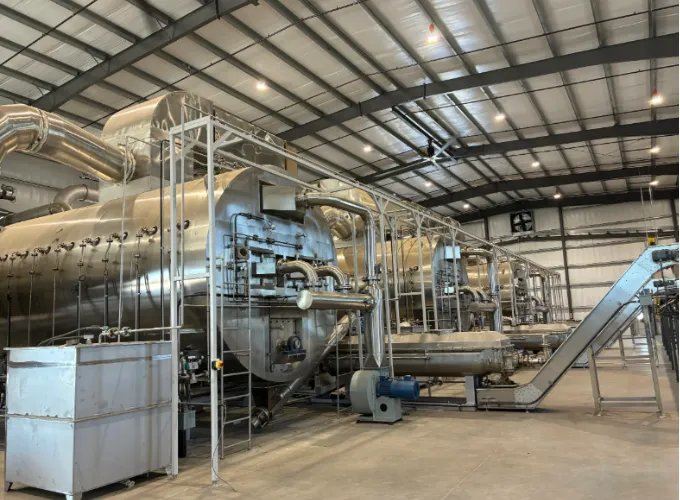
This project is the world's first large-scale biomass power station primarily fueled by palm petioles. To address challenges such as high fuel moisture content, diverse material types, and weak local grid stability in West Africa, the project team developed a series of technical achievements. In the fuel handling process, customized crushing equipment was deployed, with dual machines capable of processing 150 tons of agricultural and forestry waste per hour, consuming hundreds of thousands of tons of palm waste materials locally each year. The boiler uses a vibrating grate boiler to mitigate issues of slagging and equipment wear caused by high-moisture, low-ash-melting-point fuels, adapting to Côte d'Ivoire's rainy and humid climate. In terms of equipment, apart from the main crusher and a few boiler auxiliaries, the steam turbine generator set, feeding and conveying system, and full set of electrical control equipment are all domestically supplied. The boiler body and steel structure are manufactured by domestic factories, achieving an overall localization rate of 80%. The equipment has obtained CE certification, with performance comparable to international first-line products, effectively controlling the overall construction cost of the project. For grid adaptation, each unit is equipped with an FCB (Fast Cut Back) island operation control system, capable of remote signaling and telemetry collection for the main transformer's high and low voltage sides, the opposite substation's high-voltage outgoing lines, and the high-voltage busbar. In the event of a grid fault and disconnection, the unit can operate stably with its own auxiliary power, and quickly resynchronize to the grid once grid conditions are restored, significantly enhancing the regional grid's disturbance resistance and operational resilience.
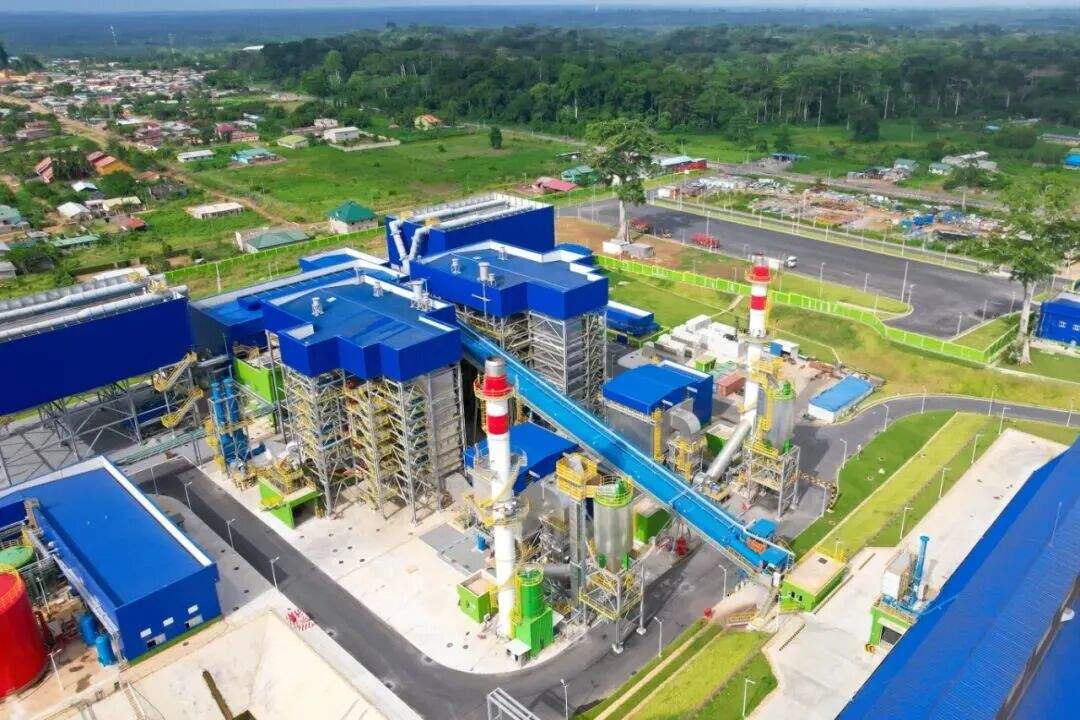
The project established a global management and operation framework, adopting over 300 international standards covering all disciplines including civil structure, power equipment, electrical instrumentation, fire protection and explosion prevention, and performance testing. In design, pressure vessels and pressure piping comply with the US ASME standards, building construction strictly follows French standards, electrical and thermal control systems use IEC and ANSI standards, fire protection adheres to French NF and US NFPA standards, environmental protection complies with local Côte d'Ivoire standards, and performance testing follows EN standards. The ESG development concept is integrated throughout the project lifecycle. The project adopted a resource organization model of localized resources and globalized procurement, coordinating with two European manufacturers for the Polish boiler and Finnish crusher. Through cross-border logistics management primarily via sea freight with emergency air freight for replenishment, cost reduction, supply assurance, and on-time delivery were achieved. During construction, a front-back office coordination mechanism was established, and during the commissioning phase, experienced commissioning experts from China were dispatched on-site to advance the work. The project developed a digital, intelligent three-tier interconnected management platform, using remote video inspections to verify construction progress and equipment status in real time. For local integration, the project implemented staggered construction schedules and interleaved work between Chinese and local teams, training local operation and maintenance backbone personnel through a mentorship system, achieving the goal of building a power station while cultivating a cohort of talent.
Related Products


Hydraulic Turbine Genset
Dongfang Electric Corporation Dongfang Electric Machinery Co., Ltd.
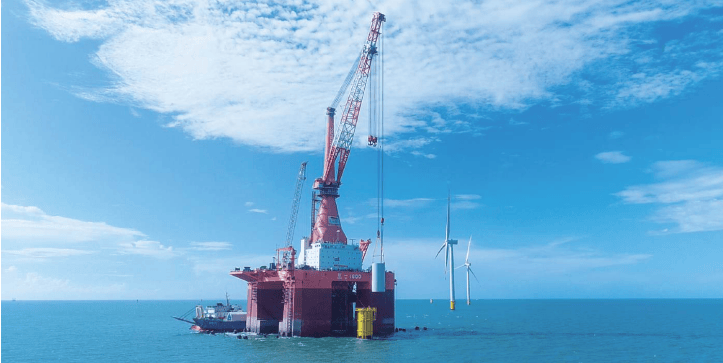
"Shunyi 1600" Deep-submerging Bottom-sitting Multi-functional Wind Power Engineering Vessel
Zhengli Offshore Engineering Co., Ltd.

Off-Grid Fuel Cell Supercharging Station (180kW Configuration)
Shanghai REFIRE Group Limited
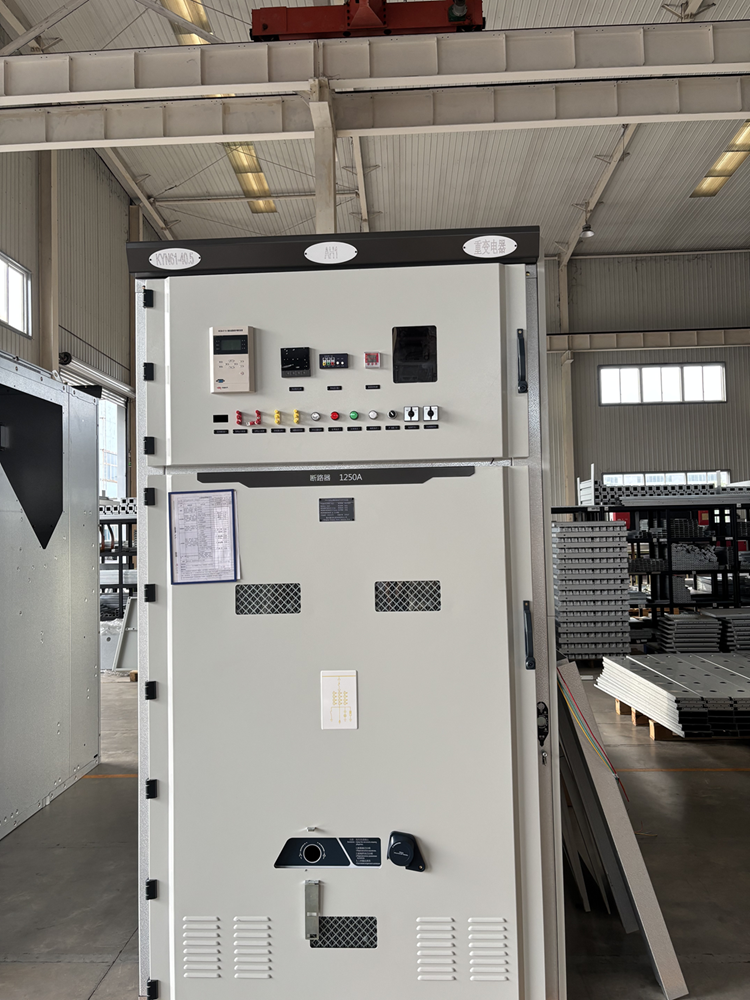
KYN61-40.5 Indoor AC Metal-clad Removable Switchgear
Chongqing Transformer Co., Ltd.