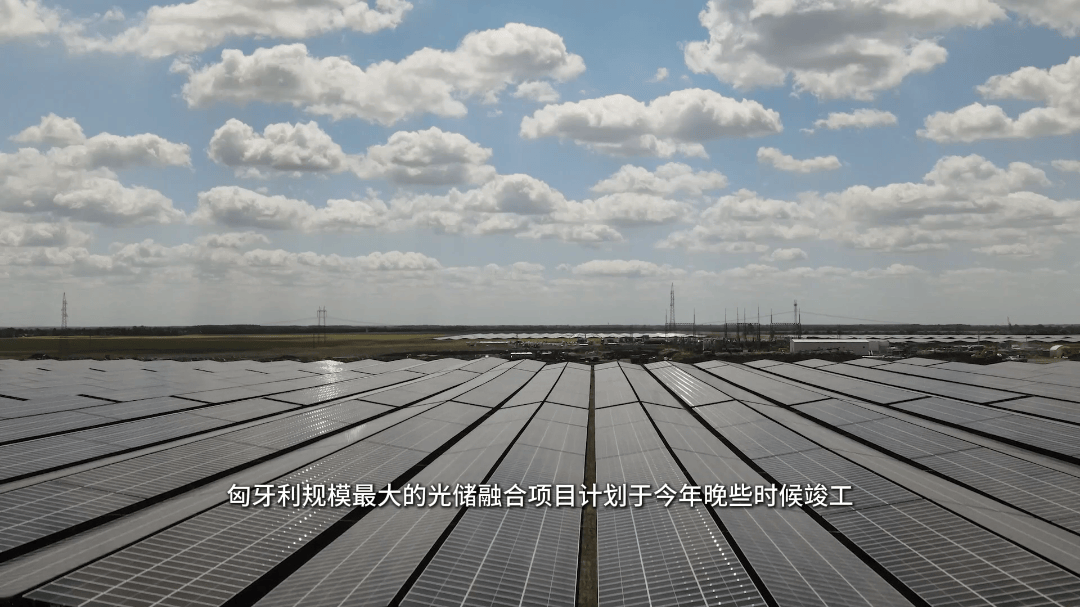
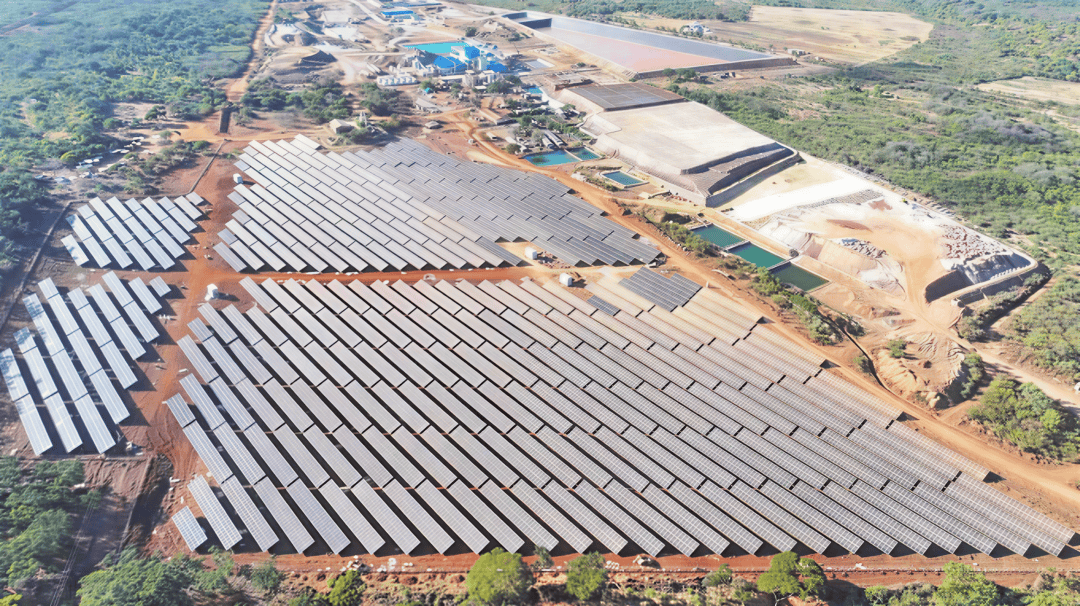
On the grand journey of building a strong energy nation, China General Nuclear Power Group (CGN) consistently relies on technological innovation as its cornerstone. It focuses on key areas such as clean energy production, construction, safe operation, and maintenance. With robust technology, it fortifies the foundation of safety; with independent innovation, it drives industrial upgrading; and with intelligent empowerment, it enhances the quality and efficiency of development. From achieving independent control of key core technologies to the widespread application of green and low-carbon achievements, from the steady progress of major projects to precise and efficient intelligent operation and maintenance, every innovative achievement embodies solid strength, and every technological iteration demonstrates a sense of responsibility.
Intelligent Platforms Empower Management, Data and Intelligence Drive Safety and Efficiency
Leveraging digitalization and intelligence, CGN's various intelligent operation and maintenance platforms integrate data connectivity, intelligent analysis, and collaborative control into the entire daily operation and maintenance process. Through comprehensive perception, real-time monitoring, intelligent early warning, and closed-loop management, they continuously improve the scientific nature of operation and maintenance decisions, the timeliness of responses, and operational stability, using the power of data and intelligence to build a solid foundation for the safe and reliable operation of clean energy.
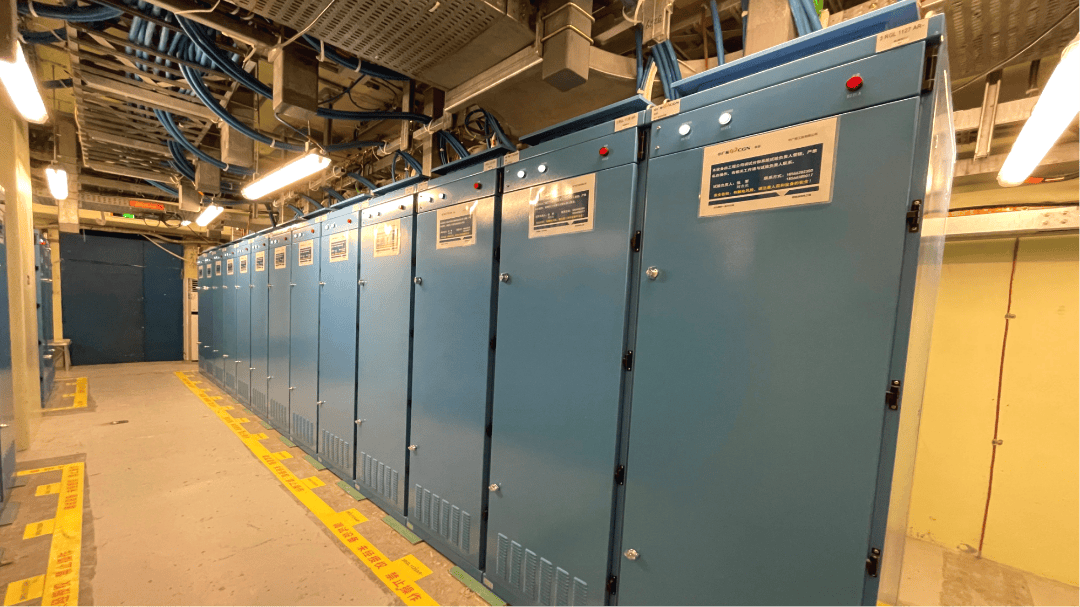
CGN Research Institute continues to deepen the localization of key nuclear core equipment, achieving breakthroughs in the independent R&D and domestic production of specialized instrument and control systems for nuclear facilities (the 3R system). The specialized instrument and control system for nuclear facilities is a set of three closely integrated instrument and control systems surrounding the nuclear reactor. It is the core instrument and control equipment for reactor measurement, control, and protection, crucial for the safety and stability of the reactor. Currently, CGN Research Institute has overcome a series of key technologies in the design, R&D, and manufacturing of the 3R system, obtained design and manufacturing qualifications for all nine types of typical nuclear safety equipment, and established a complete industrial system. This enables the supply of complete batches for both newly built and operating units, forming CGN's independent brand, the "Hehui" series of products, with a cumulative output value exceeding 30 billion yuan to date.
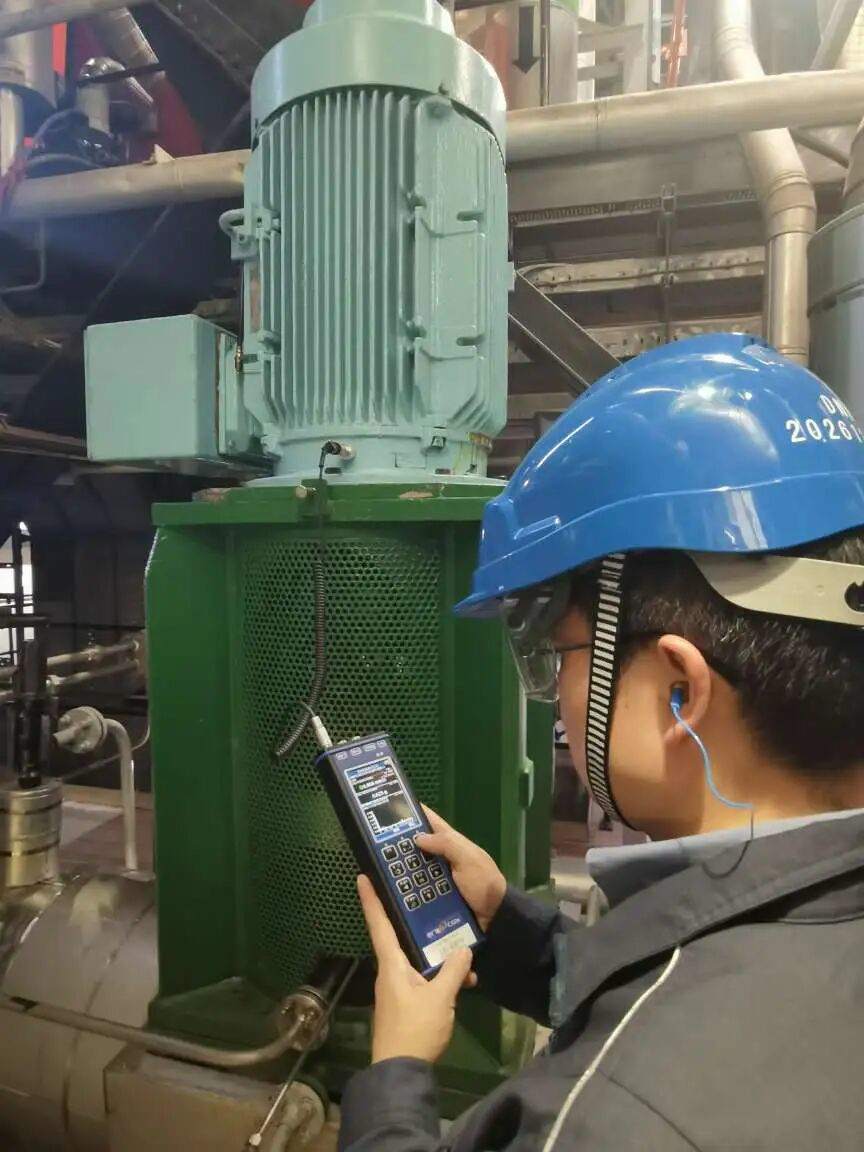
Daya Bay Nuclear Power actively implements the Group's digital transformation strategy and has launched a new-generation intelligent equipment vibration monitoring system. The core breakthrough of this system upgrade is comprehensive domestic substitution. It adopts domestic data links and a modular architecture, deeply compatible with the current information technology innovation environment, achieving independent control from hardware and software to data links. The system can be adapted to domestic servers and possesses multi-parameter three-dimensional monitoring capabilities including vibration, spectrum, waveform, order, and temperature measurement. Combined with professional diagnostic tools, it can accurately warn of equipment abnormalities. This upgrade not only completely addresses the pain points of the original system's later-stage operation but also establishes a full-cycle stable operation and maintenance guarantee, building a reliable and advanced technological foundation for the long-term safe operation of equipment.
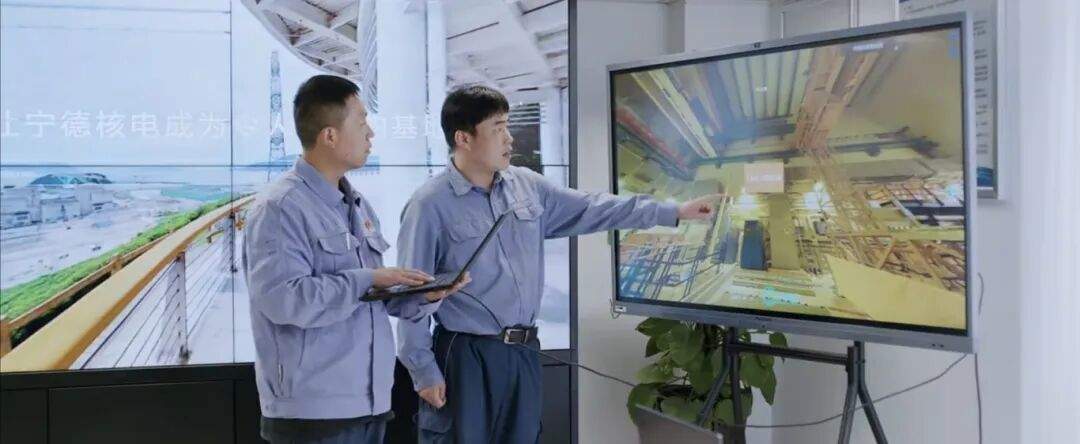
Addressing pain points in daily operation and maintenance such as scattered data, difficulty in equipment management, and low on-site collaboration efficiency, Ningde Nuclear Power has built a nuclear power real-scene digital twin platform based on cutting-edge technologies like AI and big data. It reconstructs production management models with digital technology, injecting new momentum into the safe and efficient operation of units. The platform uses a 3D real scene as its base, achieving digital mapping of all elements. Currently, 3D modeling of multiple buildings across four units has been completed, enabling data to be "aggregated on one screen and queried with one click." The platform features functions like fuzzy search, intelligent cruising and path planning, full lifecycle time-travel tracing, and panoramic live streaming, comprehensively optimizing inspection, maintenance, and training plans. The real-scene digital twin platform breaks traditional information barriers with immersive experiences, achieving "arrival at the scene in seconds." It helps operation and maintenance personnel accurately grasp equipment status and on-site environments, effectively reducing operational risks while improving communication efficiency and scientific decision-making levels in training and decision-making. This platform provides a replicable and scalable practical example for nuclear power digital transformation, further demonstrating CGN's solid strength in the field of intelligent nuclear power.
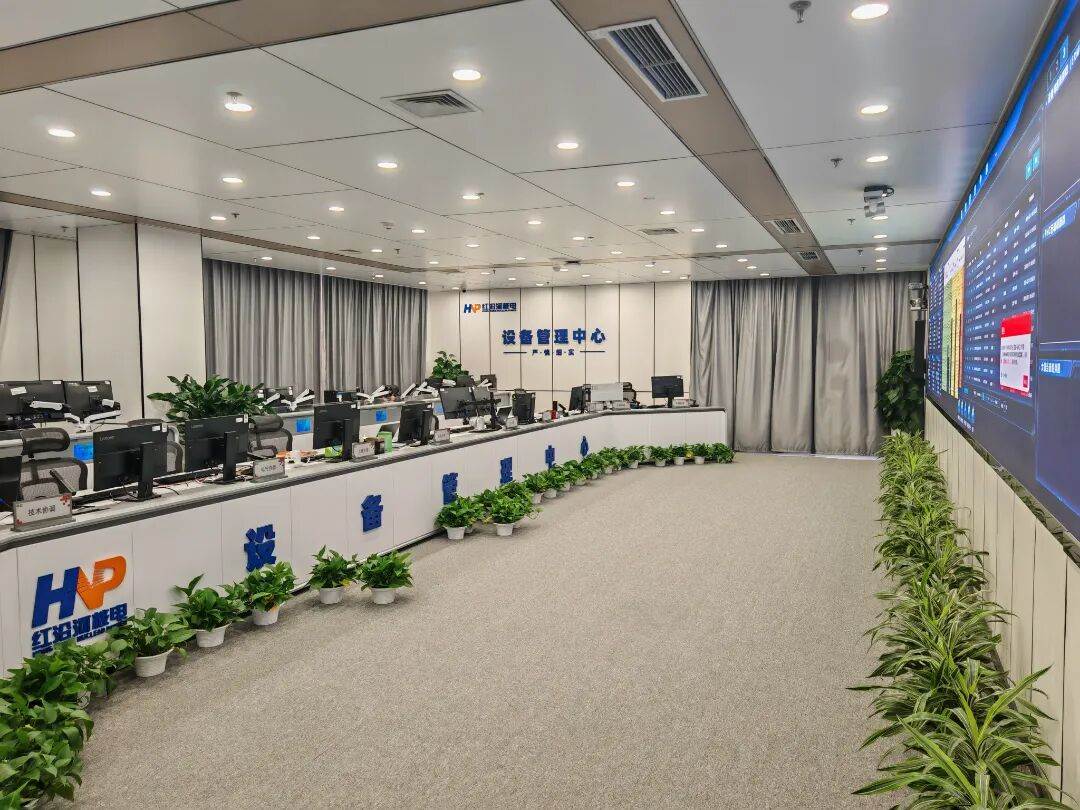
Hongyanhe Nuclear Power is deeply advancing digital transformation construction. The Equipment Management Center it built was put into operation in 2025. This center is responsible for the digital condition monitoring and health assessment of the entire plant's important equipment. It possesses 59,000 digital monitoring models and 240 visual condition monitoring models. Relying on technological means such as intelligent inspection robots and real-time data synchronization, it has established a standardized, collaborative, and intelligent equipment health monitoring system. It can monitor the operating status of tens of thousands of equipment daily, generating over a thousand monitoring data points, and achieving functions such as key anomaly warnings and equipment safety status assessments. It can be described as the "intelligent brain" that safeguards equipment health and drives continuous improvement in reliability.
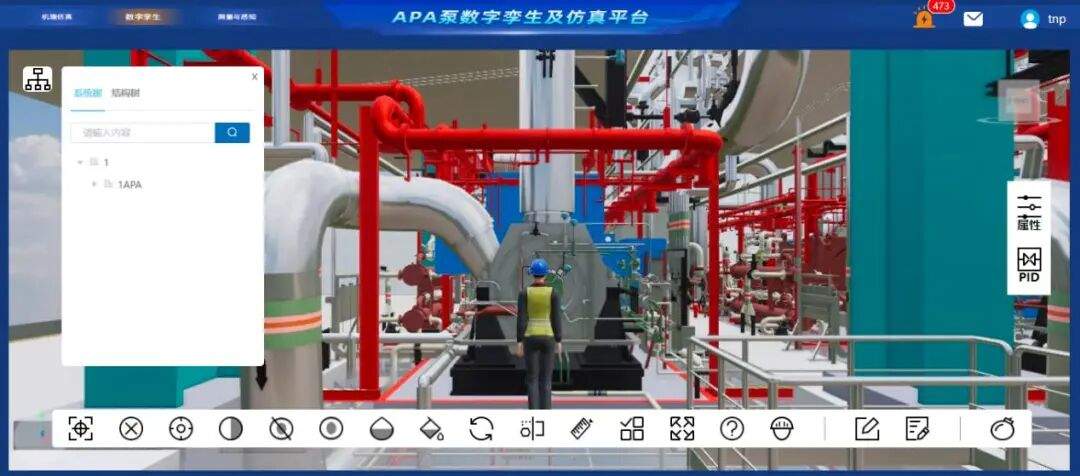
Taishan Nuclear Power has established an equipment data graph system, breaking through the data links across the entire equipment lifecycle, and innovatively implemented a full-lifecycle digital twin platform piloting with the main electric feedwater pump. The platform integrates high-precision 3D models, full-lifecycle data, and online mechanism simulation, enabling a one-stop understanding of the equipment's past, present, and future, making the equipment "visible, calculable, and predictable" in virtual space. The system can monitor equipment status in real time, achieving all-weather visual online monitoring and a unified overview of equipment information on one screen. It implements online mechanism simulation technology to intelligently predict fault warnings through multiple channels. It integrates full-lifecycle equipment data to form a data graph, with intelligent linkage of digital drawings, allowing operation and maintenance personnel to conduct efficient, remote analysis and judgment based on the platform. It supports remote virtual site surveys to grasp on-site operational space in advance. It builds an immersive 3D virtual training field, transforming complex equipment structures and maintenance processes into vivid interactive scenarios.
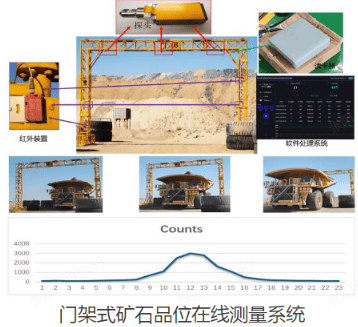
To effectively improve the production quality and efficiency of the Husab Uranium Mine, CGN Uranium's Husab site underground mining R&D team has constructed a "three-stage, five-model" dynamic geological modeling system, achieving accurate delineation and rapid updating of complex ore bodies. They developed a gantry-type online ore grade measurement system, enabling non-stop detection. They established an intelligent safety risk early warning platform integrating multi-source perception, achieving active identification and closed-loop control of personnel, equipment, and slope risks. In terms of quality and efficiency improvement, the project team achieved "mining-transportation-quality" full-process coordination through precise blasting and intelligent ore blending systems, significantly improving resource recovery and production scheduling efficiency. With the help of an intelligent safety prevention and control system, they promoted a shift in safety management from passive response to active early warning, significantly enhancing the intrinsic safety level of the mine. The application and implementation of a series of innovative technologies effectively ensure the refined management and efficient, stable operation of the mine throughout its lifecycle. Currently, the mining of complex ore bodies in the Husab open-pit uranium mine has achieved precise quality control throughout the entire process.
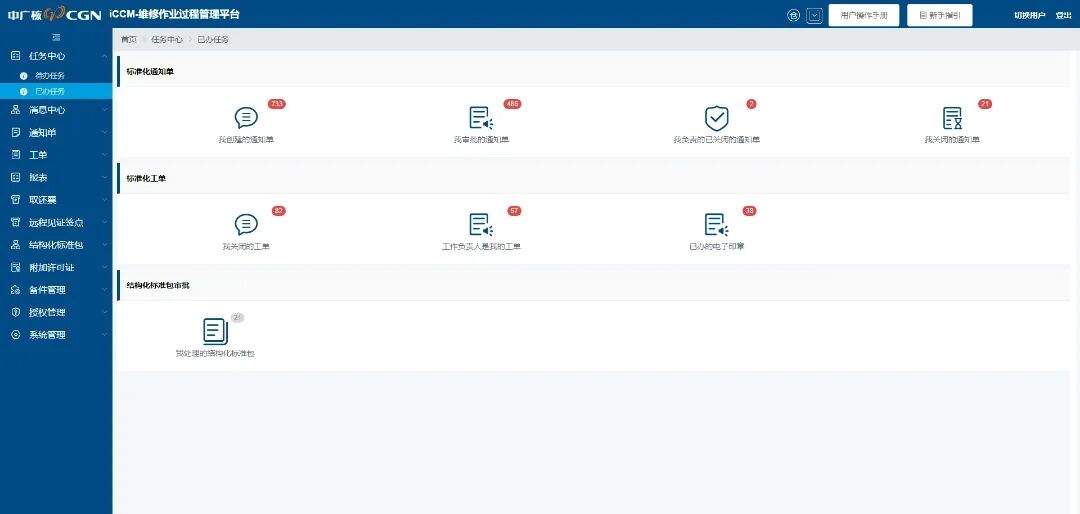
The six-stage iterative upgrade project of the iCCM-iMP (Maintenance Process Management System), a key sensitive component information technology platform independently developed by CGN Digital Technology, was recently successfully launched and put into operation, marking a new step forward in the digital management of nuclear power maintenance. Currently, the iMP system has achieved full-process electronic maintenance operations across the Group's nine major nuclear power bases, covering all steps from work notification creation to work order closure. After several iterative upgrades, with equipment component data architecture and personnel management system as the core, the iMP system has significantly improved the automation and informatization level of the maintenance process through the construction of intelligent scenarios such as electronic operations, smart terminals, and remote interaction. The system has achieved remarkable results in improving quality and efficiency and reducing human errors. The maximum processing volume of paperless work orders for a single major overhaul exceeds 12,000, with cumulative authorized users exceeding 22,000. Currently, the iMP system has become an indispensable digital tool in CGN's nuclear power maintenance field.
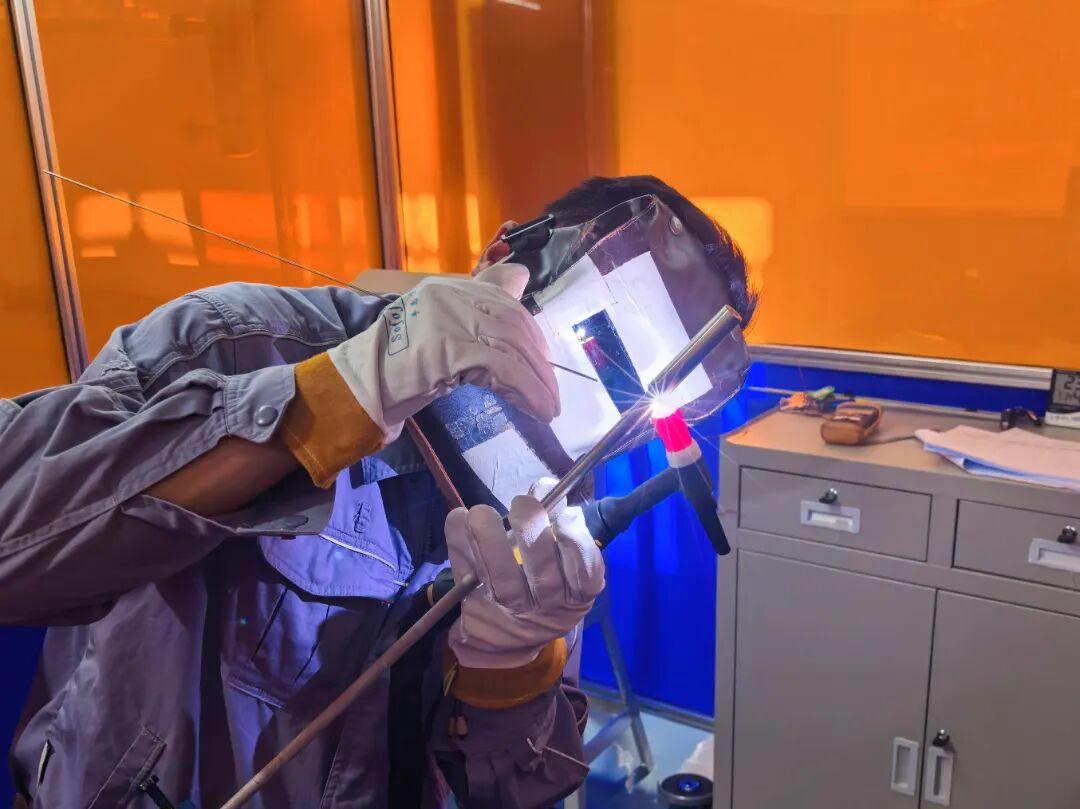
CGN Nuclear Power Operation and Maintenance Co., Ltd. (CGN服) focuses on key links in nuclear power operation and maintenance, and has built and put into operation the Group's first nuclear-grade welding experimental center with a complete "qualification-platform-talent" cultivation system. The center integrates four major functions: skills training, qualification certification, technology R&D, and standard output. It is not only equipped with advanced automatic welding stations and simulated intelligent simulation systems, providing welders with an immersive training environment highly consistent with nuclear power sites, but also establishes a standardized assessment mechanism strictly adhering to nuclear safety regulations. The center can rapidly and scalably cultivate highly skilled welders meeting nuclear-grade position standards. It also optimizes and tackles key and difficult welding processes in nuclear power maintenance, refining, forming, and promoting the output of nuclear-grade welding technical standards and management experience, providing solid technical and talent support for improving the level of self-reliance in major overhauls.
Intelligent Equipment for Precise Inspection, Technology Safeguards the Operation and Maintenance Frontline
Focusing on key scenarios in maintenance, operation, and inspection, CGN continues to advance the R&D and application of intelligent operation, maintenance, and inspection equipment. It replaces traditional methods with advanced equipment such as robots, intelligent detection, and unmanned operations. While improving inspection accuracy, reducing operational risks, and enhancing work efficiency, it uses robust technology to safeguard equipment safety and stability, injecting new momentum into the efficient operation and maintenance of clean energy.
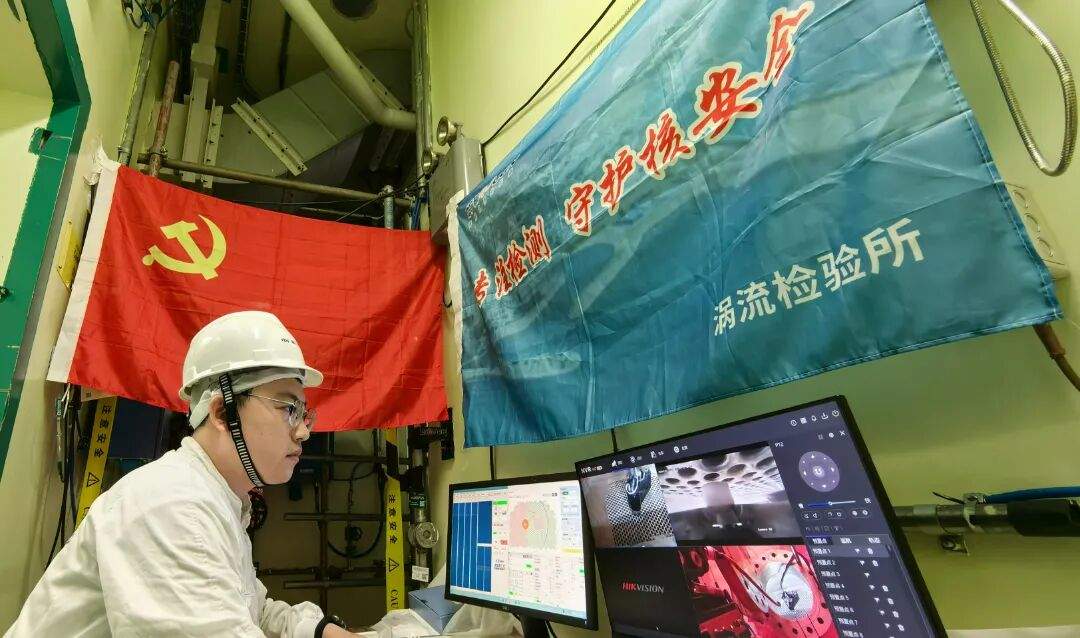
The China's first independently developed residual heat removal heat exchanger eddy current inspection and positioning robotic arm system by CGN Inspection Technology Co., Ltd., a subsidiary of CGN Suzhou Nuclear Power Research Institute, has been successfully applied across various nuclear power bases. This technology overcomes a series of challenges such as high-precision visual positioning, motion control algorithms, and reliable transmission in complex environments. The application of this robotic arm marks a profound transformation in inspection operations in this field from traditional modes to automation and intelligence. In practical applications, the robotic arm system has achieved outstanding performance with "zero collisions, zero failures." By replacing humans with machines for precise positioning and operation, it greatly optimizes work processes. Its high efficiency and high reliability effectively reduce operational risks.
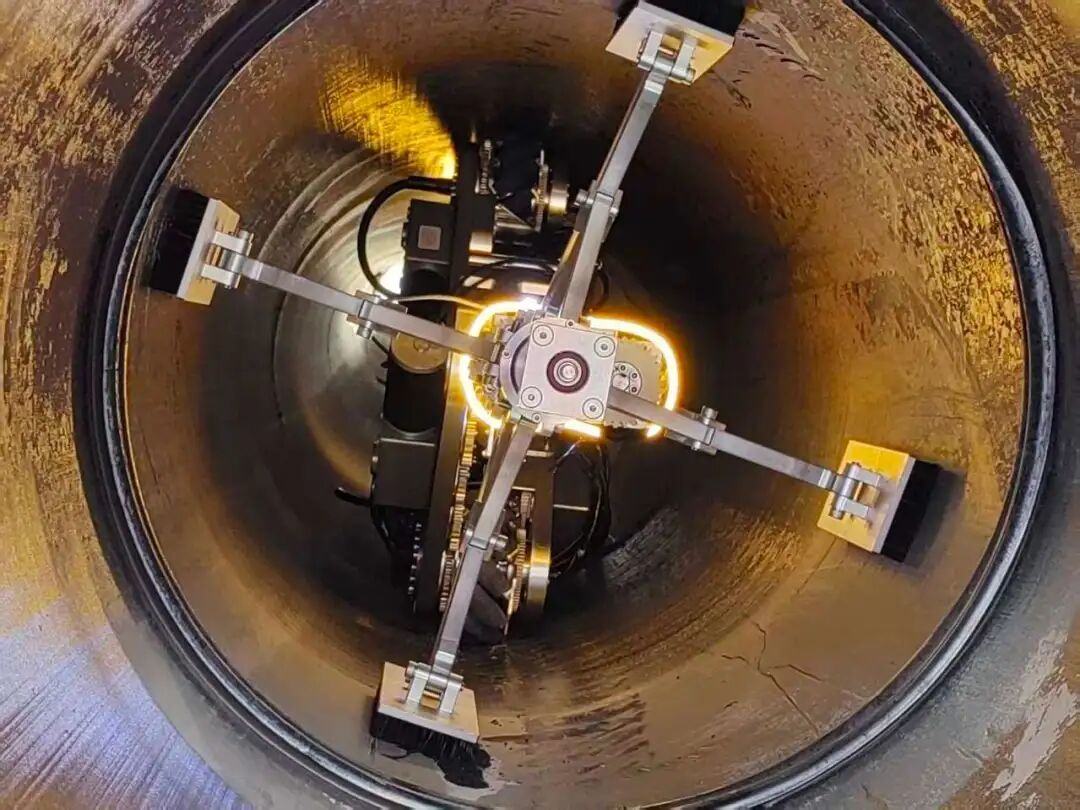
The obstacle-crossing pipeline inspection and cleaning robot developed by Yangjiang Nuclear Power was successfully trialed for the first time in the main pipeline of the plant's drinking water system. The robot adopts a composite design of Mecanum wheels and a serpentine structure, enabling it to easily handle various complex environments inside pipes such as sludge, elbows, and valves, achieving flexible adaptation to multiple pipe diameters and barrier-free passage. Equipped with an auto-focus high-definition camera and lidar sensors, it can perform comprehensive high-definition scanning of the interior of pipelines. Combined with a rotatable wiper and a coordinated robotic arm operation unit, it clears visual and operational blind spots, laying a solid foundation for subsequent operations.
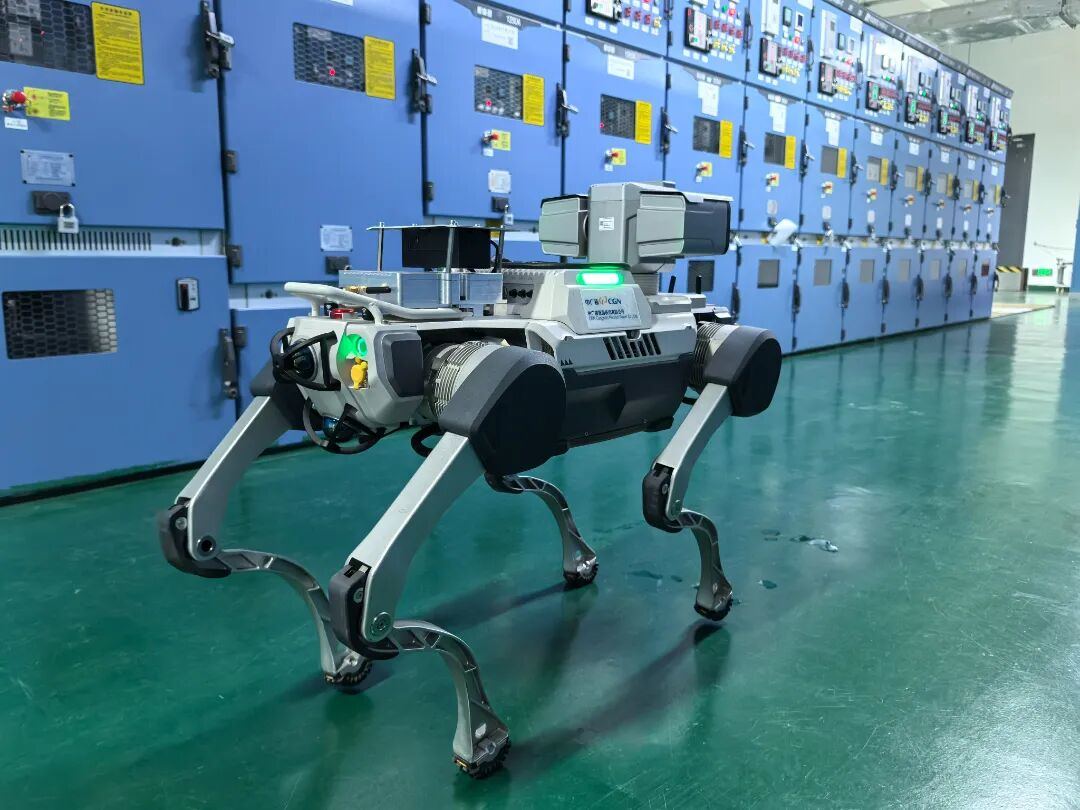
CGN Cangnan Nuclear Power Co., Ltd. deployed a new intelligent inspection robot dog at the San'ao Nuclear Power site, primarily responsible for inspection work at the 220 kV construction and auxiliary power substation. After deployment, operators can remotely control the robot dog to complete inspections, significantly improving convenience and emergency response efficiency. Relying on the Tian'an centralized control platform, the robot dog becomes the "eyes and ears" extending the operator's on-site perception, providing efficient and reliable technical support for daily operation, maintenance, and emergency intervention. Now, this intelligent inspection robot dog has become a "capable assistant" in substation operation and maintenance, efficiently completing core tasks such as equipment status monitoring and environmental data collection. The implementation of this new technology not only optimizes the substation operation and maintenance model and reduces the burden on operators but also serves as a vivid practice of Cangnan Nuclear Power using technological innovation to strengthen energy security.
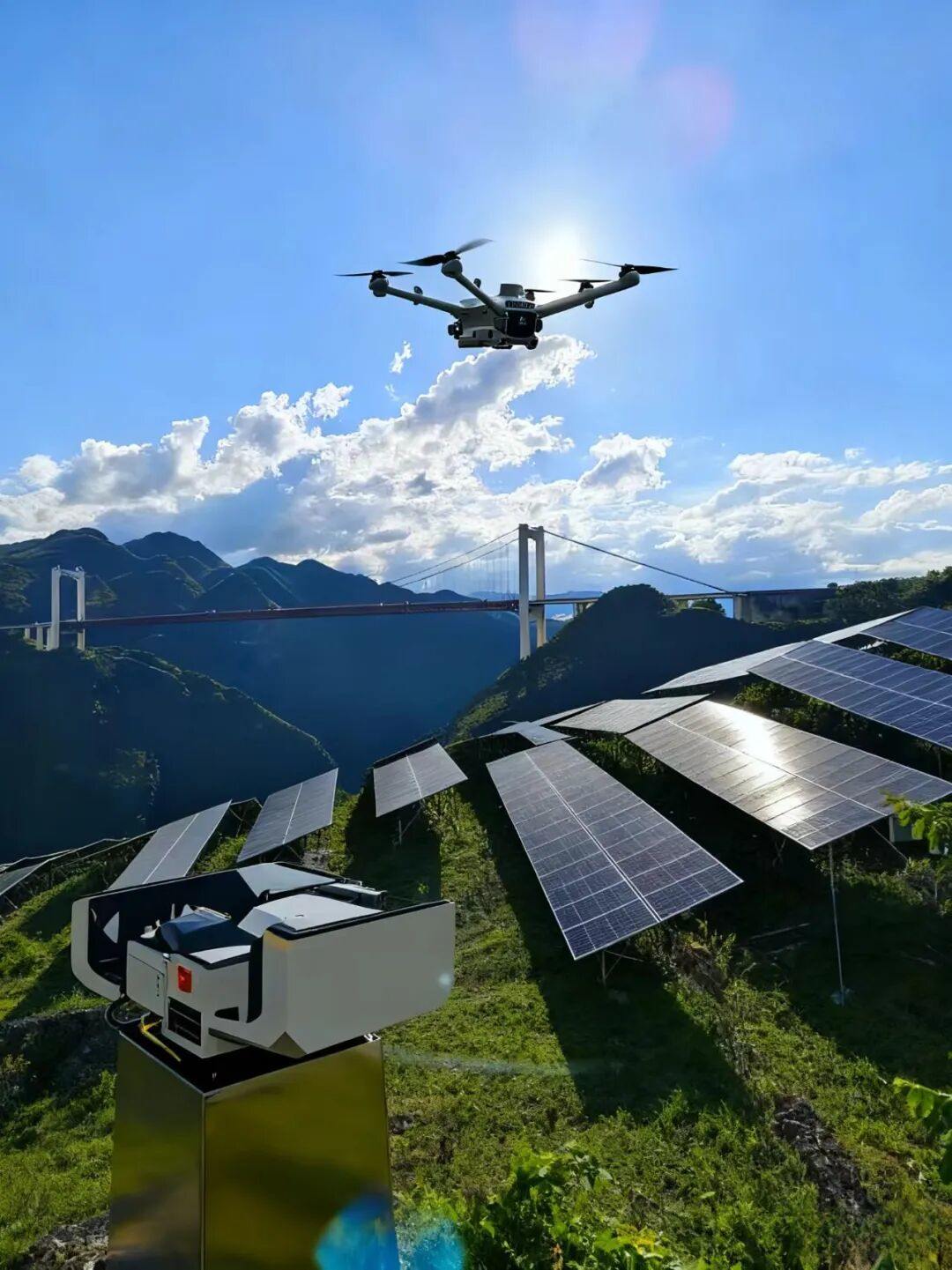
The intelligent inspection system of CGN New Energy Guizhou Company has achieved large-scale application. The system features real-time alarm and closed-loop handling functions, shifting the inspection mode from "human patrol" to "intelligent patrol." At the Qianfeng Central Station, the system has automatically completed over 4,800 inspections, generated 4,820 structured reports, accurately identified 372 equipment defects and safety hazards, with an identification accuracy rate of 91%, reducing manual inspection workload by 70%, and significantly improving operation and maintenance efficiency. Furthermore, to address fire prevention challenges at power stations, it innovatively launched an intelligent linkage system of "fire detection radar + drones," achieving initial fire judgment within 30 seconds and precise positioning within 2 minutes, reducing re-inspection response time by 85% with an accuracy rate of 94%.
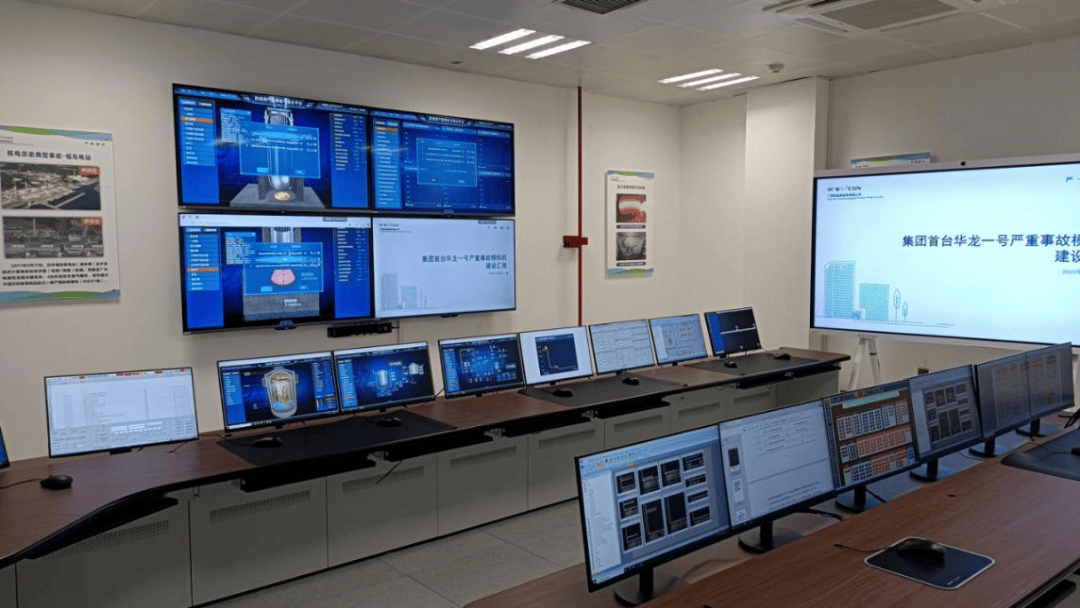
The Group's first "Hualong One" severe accident simulator, developed by the Simulation Company under CGN Digital Technology, has been officially put into operation at the Fangchenggang Nuclear Power Base, marking a key breakthrough in the training and verification system for China's independently developed third-generation nuclear power technology. Tailored to the technical characteristics of "Hualong One," this simulator achieves high-precision simulation of multiple new active/passive severe accident mitigation systems, with modeling complexity and testing difficulty far exceeding previous levels. Through refined schedule management, optimized resources, and joint technical攻关, the project team successfully overcame challenges such as smooth 3D visualization operation and accurate simulation of key parameters under accident conditions. The operation of this simulator provides "Hualong One" unit operators with the most realistic training and assessment platform for extreme accident conditions, enhancing their practical skills and psychological preparedness for handling complex accidents. It provides crucial core technical support and talent guarantee for the batch construction and safe, stable operation of "Hualong One."
Deep Application of Advanced Technology, Innovation Empowers Full-Chain Development
Based on the entire chain of production, operation, maintenance, and engineering construction, CGN promotes the deep integration of advanced technology and industrial practice. It widely applies achievements such as new materials, new processes, intelligent construction, and green construction. Through technological breakthroughs, it enhances construction quality and efficiency, optimizes production models, and strengthens operation and maintenance capabilities. It fulfills the mission of building a strong energy nation through comprehensive technological innovation, contributing to the high-quality development of the clean energy industry.
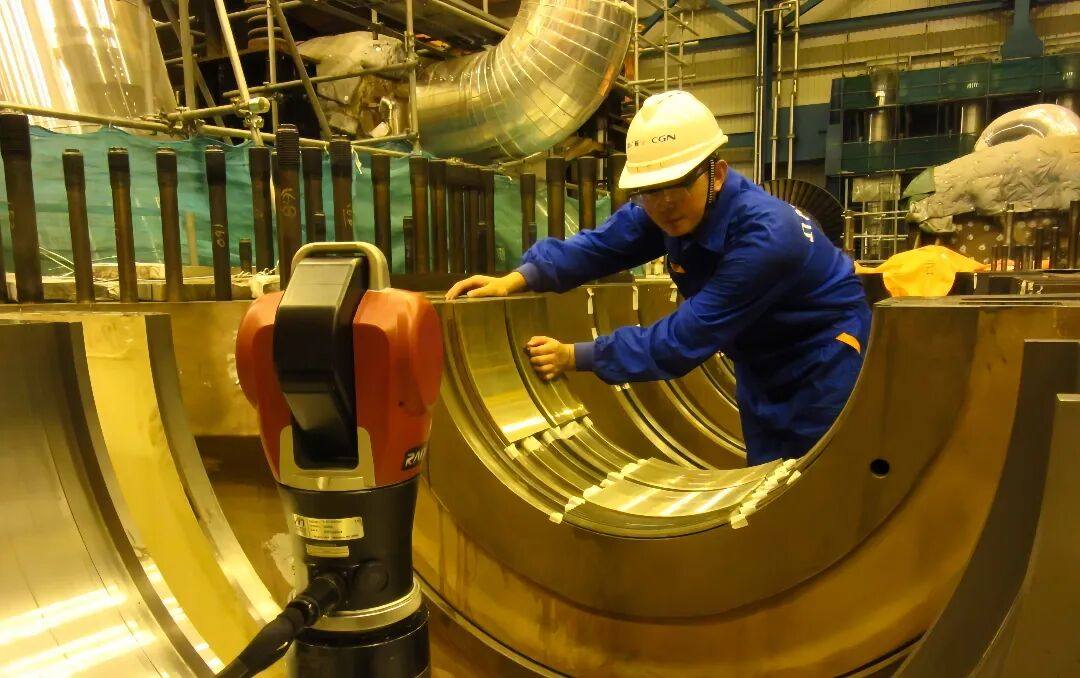
The traditional "lead wire compression" process for measuring steam turbine flow passage clearance requires repeatedly hoisting a 180-ton rotor and a hundred-ton cylinder, involving high intensity, risk, and time consumption. The laser flow passage measurement technology independently developed by CGN Operation adopts a cylinder-rotor separation measurement method. It uses laser positioning to accurately obtain coordinates, enabling high-precision (0.02 mm) calculation of internal clearances without hoisting the rotor. The maintenance period is shortened from half a month to 4 days, and operational risks are significantly reduced.
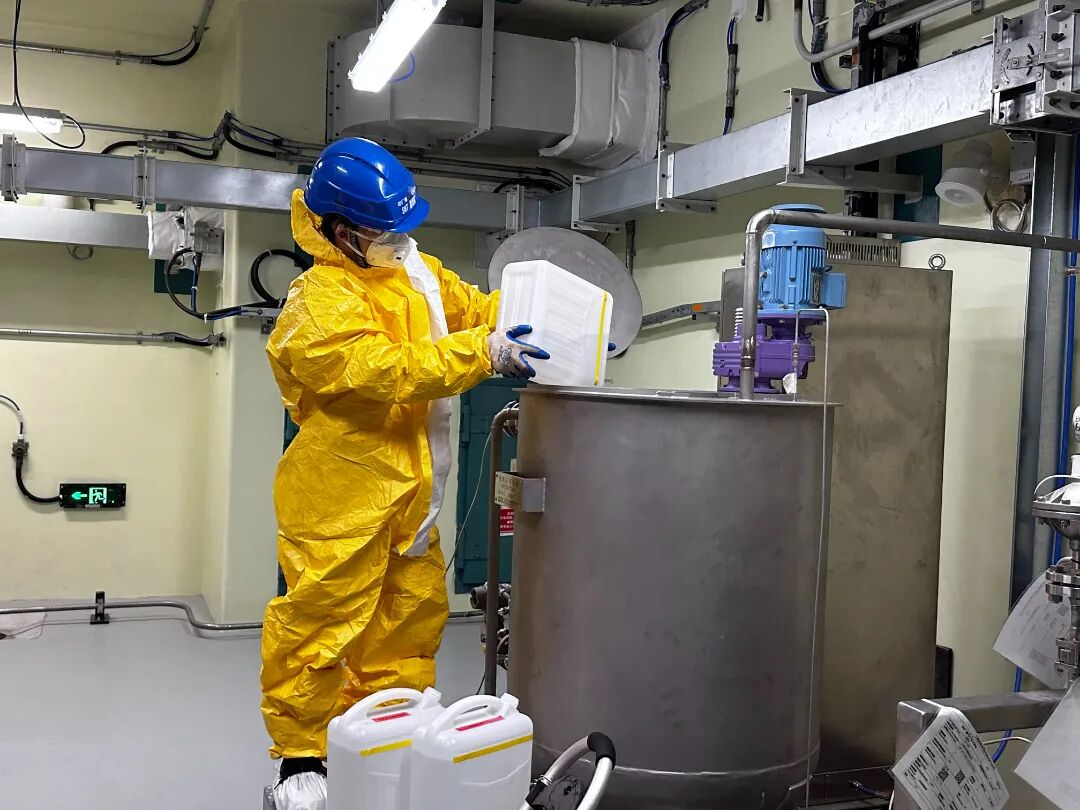
Reactor coolant zinc addition technology was successfully applied during the hot functional test of Unit 1 at Taipingling Nuclear Power, marking the first application of this technology within the Group. Reactor coolant zinc addition is a mature water chemistry technology used to mitigate material corrosion in the primary loop system. It will significantly reduce the deposition of activated corrosion products during unit operation, effectively improving unit safety and extending equipment service life. The successful application of this technology in Unit 1 of the Taipingling Nuclear Power Project signifies China's successful mastery of the original hot test zinc injection technology for Hualong units, providing strong technical support for the batch construction of "Hualong One."
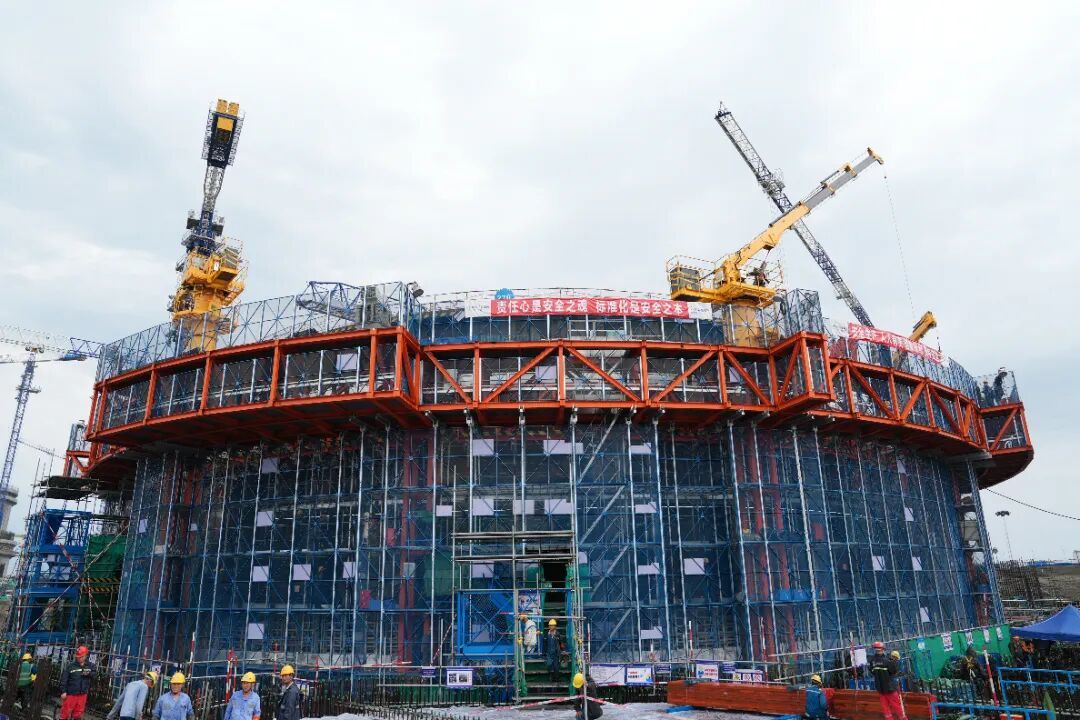
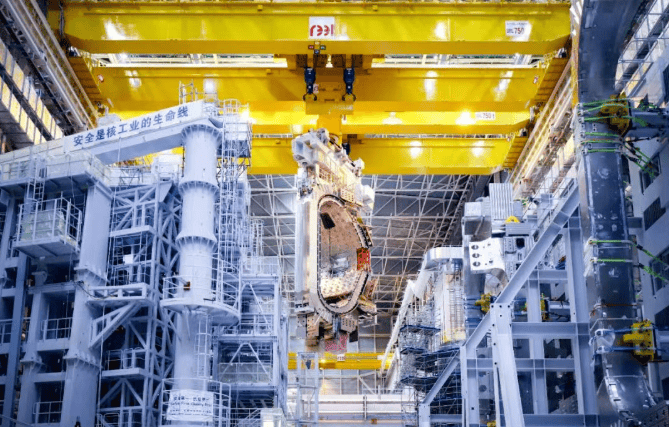
The nuclear island reactor building construction integrated platform is hailed as the "nuclear power version of a building machine." Its application greatly improves the construction efficiency of reactor buildings, safeguarding construction safety and quality through intelligent and integrated design concepts. On May 29, 2024, as the first integrated construction platform applied in China's nuclear power industry, this nuclear power version "building machine" completed its first jacking at Unit 6 of the Lufeng Nuclear Power Project. The nuclear island reactor building construction integrated platform consists of a steel platform system, support system, power system, etc. According to construction progress, it can provide safe and reliable working platforms for various construction states of the reactor building, optimizing complex construction measures. By providing multi-layer working spaces on the inner and outer shell facades, it forms an efficient construction workflow, optimizing the overall construction logic and pace of the nuclear island project. Through the integration of hoisting equipment and the overall lifting of formwork hanging, it significantly reduces the reactor building construction's reliance on surrounding tower cranes, effectively improving the construction efficiency of the reactor building and surrounding buildings.
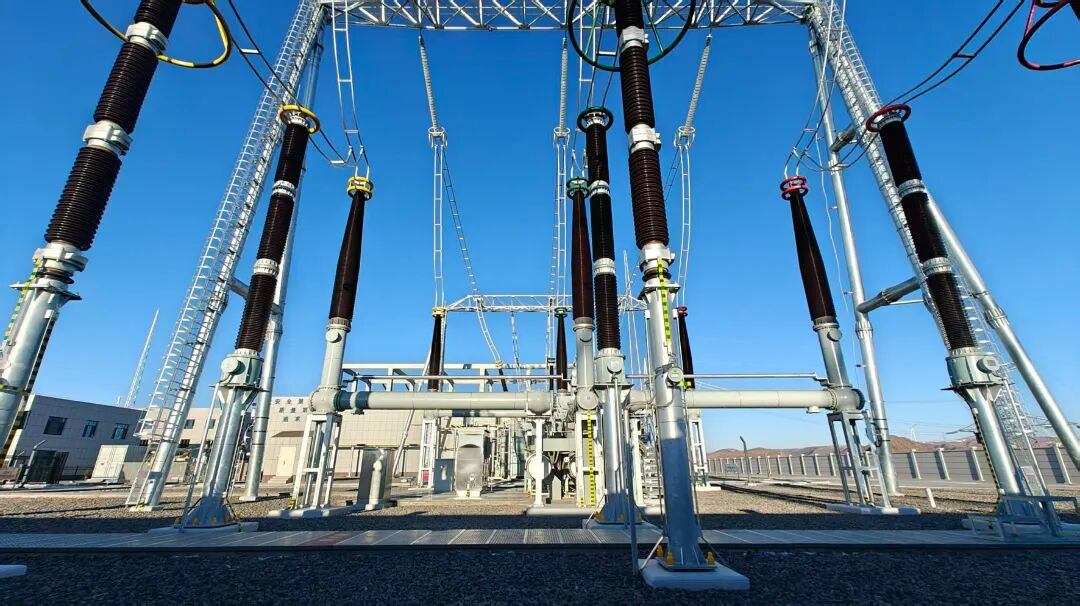
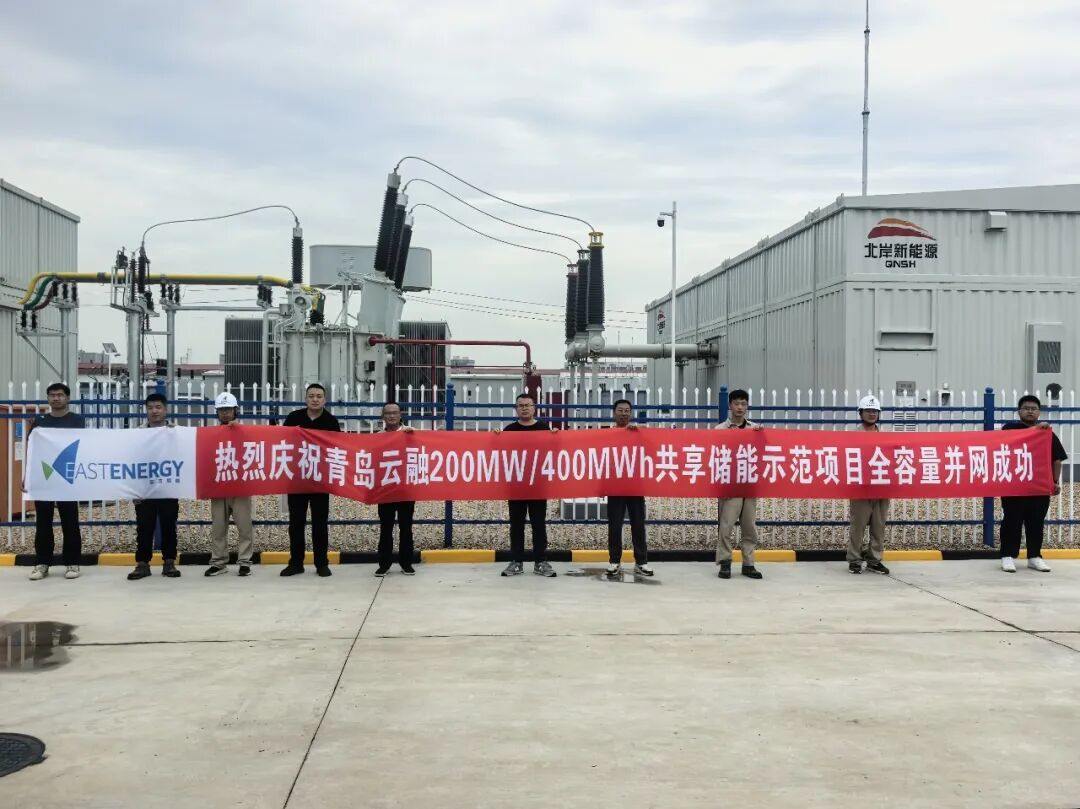
The Egret centralized control platform independently developed by CGN New Energy successfully achieved remote control operation of the Inner Mongolia 500kV Hongfeng Wind Farm on February 2. This technology addresses the extreme requirements of high-voltage level stations for system stability, signal security, and command accuracy. Through pre-verification of tens of thousands of information points, optimization of control algorithms and security protection mechanisms, and the adoption of multiple redundant transmission technologies, it ensures absolute reliability of remote operations. After the application of this technology, operation and maintenance personnel can complete the start-stop, status adjustment, and real-time monitoring of key equipment in wind farms through the Egret platform in the centralized control center, significantly reducing on-site operation requirements and markedly improving operation and maintenance efficiency and safety. This successful application lays a solid technical foundation for the remote control of equipment such as wind turbines and inverters and for the "fewer personnel on duty, unmanned operation and maintenance" model of new energy stations. It strongly promotes the profound transformation of new energy production and operation towards intensification, intelligence, and autonomy.
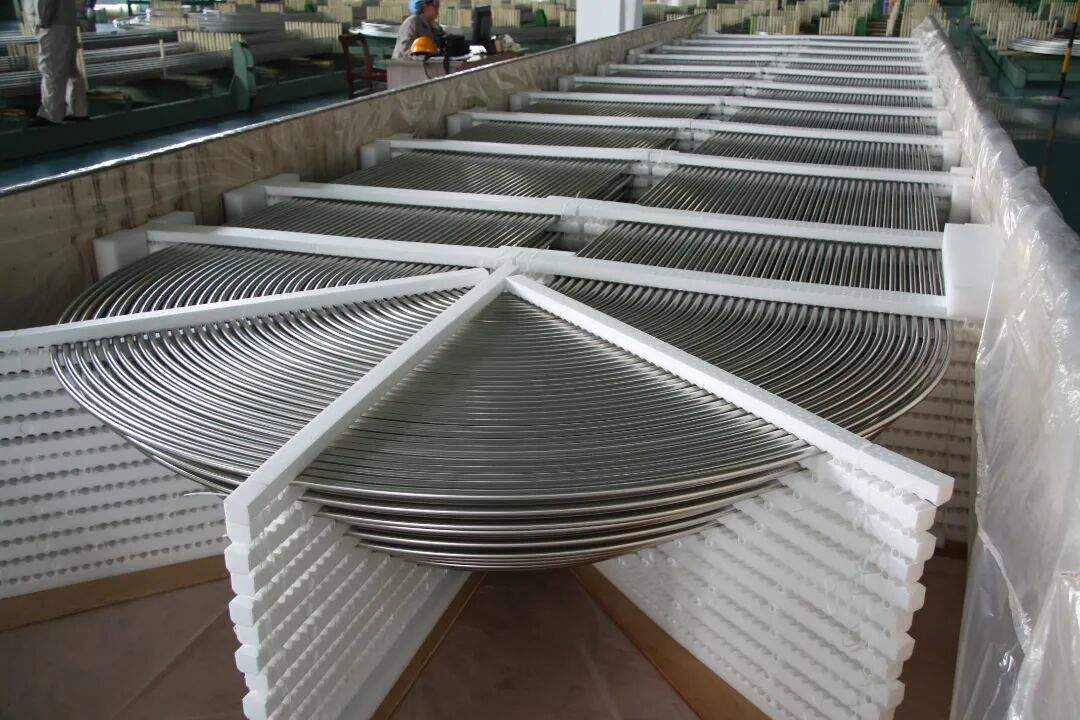
Baoyin Special Materials Technology Co., Ltd., an enterprise invested by CGN Capital, independently developed and built China's first professional production line for 690 U-shaped tubes. It broke through nine core key technologies including high-precision, high signal-to-noise ratio tube forming technology, efficient degreasing technology for thin and long tubes, high-precision reverse deformation bending technology, and high-precision non-destructive testing technology, successfully achieving the domestic production of nuclear power steam generator 690 U-shaped heat transfer tubes. Through over a decade of development and industrialization, the nuclear power 690 products produced by Baoyin Company have achieved significant application results. To date, they have completed the delivery of 22 steam generators for multiple Group projects, totaling over 1,300 tons of 690 U-shaped tubes. Furthermore, the mature application of Baoyin's nuclear power 690 U-shaped tube technology has also promoted technological breakthroughs and applications of 690 tubes in special fields such as CGN's spiral coil OTSG (Once-Through Steam Generator) using 690 heat transfer tubes. Related products have been delivered and received high recognition from users and designers.