Wedoany.com Report on Mar 9th, Agricultural activities are becoming a major factor in the destruction of global ecosystems, particularly in regions like the Amazon rainforest. Recent research shows that non-forest ecosystems such as grasslands, savannas, and wetlands are disappearing nearly four times faster than forests, with livestock farming being the core driving cause.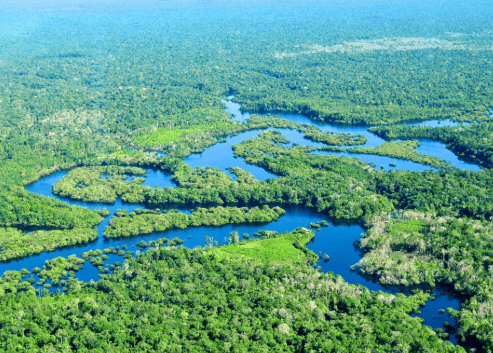
According to a report by Inside Climate News journalist Georgina, grasslands and wetlands, as vital ecosystems, play a crucial role in providing biodiversity, regulating climate, and managing water resources. When these areas are converted into farmland and pastures, it leads to species loss, soil degradation, and increased carbon emissions.
In the United States and countries like Brazil in South America, agricultural expansion is accelerating ecological destruction. Georgina points out that the loss of grasslands and wetlands not only affects the local environment but may also exacerbate global climate change. The research emphasizes that protecting these ecosystems requires focusing on agricultural policies and management measures to reduce pressure on natural resources.
Globally, the phenomenon of agriculture consuming ecosystems has drawn widespread attention. By improving land use practices, it may be possible to slow down the destruction process and maintain ecological balance.