Multiple Steel Companies Worldwide Shut Down or Reduce Production!
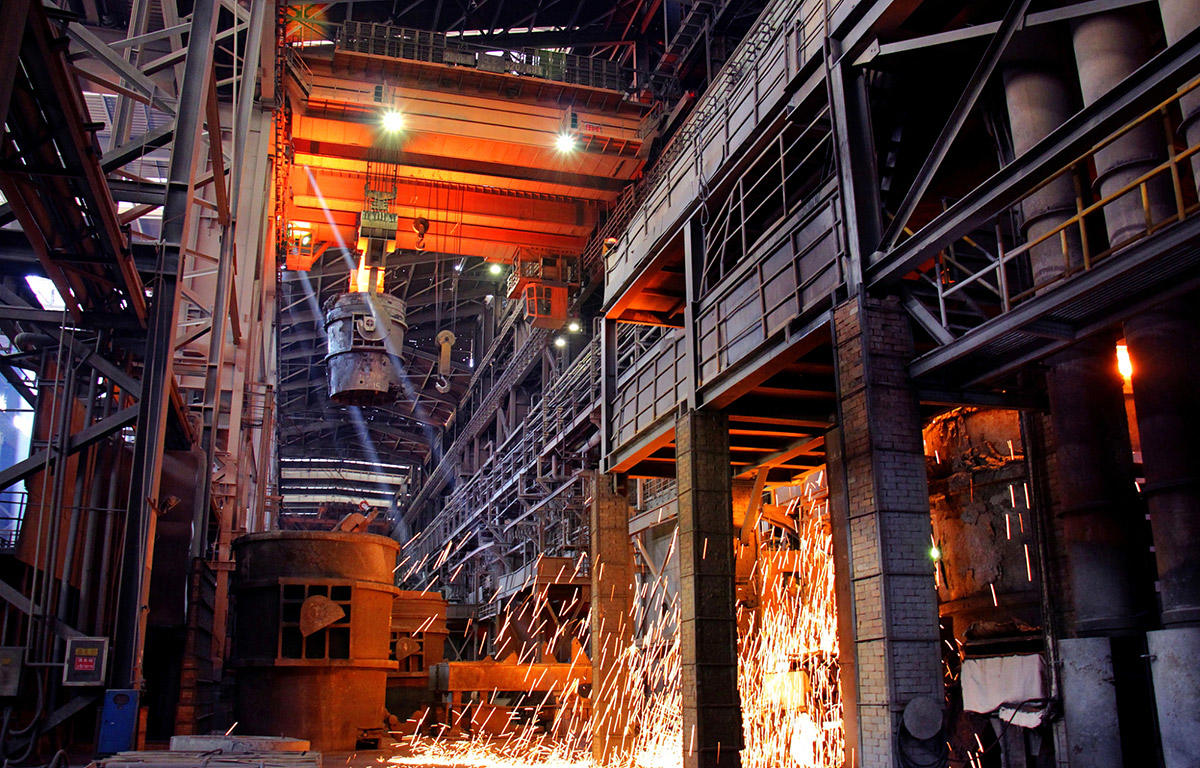
en.Wedoany.com Report on Mar 23rd, Just as the global steel industry is still pondering the market outlook for 2026, several significant developments have emerged from Eurasia – Spanish specialty steel giant Sidenor has decided to shut down the rolling mill production line at its Azkoitia plant, South Korea's Hyundai Steel has officially initiated a plan to reduce rebar production at its Incheon factory, and global giant ArcelorMittal has also pressed the "pause button" in Ukraine. Simultaneously, the Indian steel industry is facing disruptions in energy supply, pushing several small and medium-sized steel enterprises to the brink of shutdown. This is not merely an operational adjustment by individual companies but a clear indication of the severe challenges confronting the global steel industry.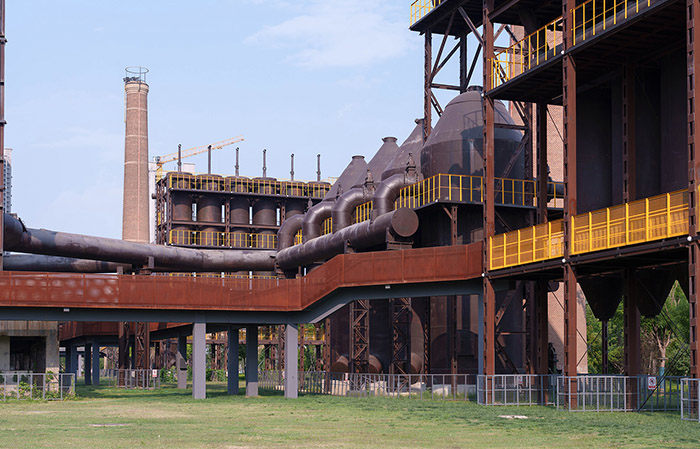
1. ArcelorMittal's Ukrainian Steel Plant Shuts Down Blooming Mill Production Line
ArcelorMittal Kryvyi Rih, the Ukrainian subsidiary of the Luxembourg-based ArcelorMittal Group, announced that it has completed the final production cycle at its blooming mill, officially ceasing operations at the facility.
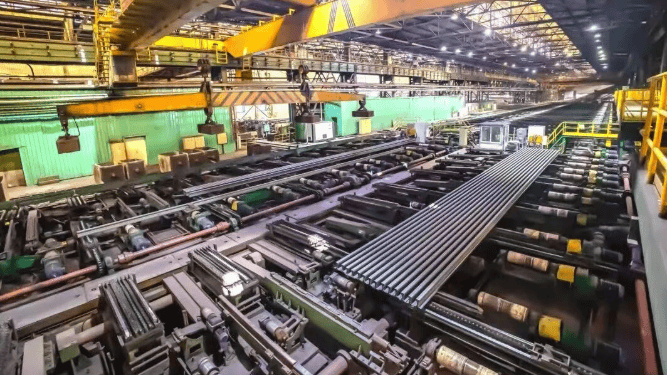
The company stated that all scheduled operations at the blooming shop have been successfully completed, and approximately 150,000 tons of blooms were produced in advance, creating sufficient inventory for downstream rolling processes. Following the shutdown of the blooming mill, the company will utilize the remaining rolling mills to process these blooms into finished products, primarily rebar.
During 2026, the company will process the accumulated inventory of blooms. After this phase, the No. 2 and No. 3 small section mills, which are entirely dependent on the blooming mill for feedstock, are also expected to be shut down. The company plans to consolidate rolling production into a smaller number of mills to align with the updated production structure.
This adjustment is in response to several external pressures affecting the Ukrainian steel industry. A key factor is the introduction of the EU Carbon Border Adjustment Mechanism (CBAM) without a transition period, leading to the loss of European market access for some of its products. Additionally, extremely high domestic electricity costs in Ukraine have significantly increased production costs, reducing the economic viability of certain operations, including the blooming mill.
It is reported that approximately 1,000 jobs may be affected during the restructuring process. The company will continue to operate its remaining facilities, focusing on optimizing production processes and adapting to current market and cost conditions.
2. Spain's Sidenor to Shut Down Azkoitia Rolling Mill
According to local media reports, Spanish specialty steel producer Sidenor has decided to shut down the rolling mill production line at its Azkoitia plant in the Basque Country, consolidating production at its Reinosa plant in the Cantabria region. This decision is not a sudden event but part of a restructuring plan the company is implementing "against a backdrop of weak demand and continuously declining order volumes in recent years."
This adjustment will involve the transfer of 36 employees from the Azkoitia plant to the Reinosa plant, while the remaining employees will continue other business activities at the Azkoitia facility.
Although the company emphasizes that "restructuring is a necessary measure to stabilize operations," some trade unions have sharply criticized the move, viewing it as "a sign that the Azkoitia plant is gradually moving towards a complete shutdown."
Sidenor's explanation is straightforward: "The current workload is insufficient to support the operation of two separate rolling mill production lines." Therefore, the company has decided to merge the two rolling lines into one.
3. Hyundai Steel to Cut Rebar Capacity at Incheon Plant from March
Similar news has also emerged from the East Asian steel industry. South Korea's Hyundai Steel will partially shut down its rebar production line at the Incheon plant starting March 2.
According to Alpha Biz citing industry sources, this shutdown involves a 90-ton electric arc furnace and a small rolling mill, affecting an annual production capacity of up to 750,000 tons. The plant's annual rebar capacity is 1.6 million tons, meaning nearly half of its capacity is being paused.
The company approved this plan as early as January 2026, citing "continuously deteriorating market conditions."
Hyundai Steel's adjustment at the Incheon plant is part of its efforts to restructure rebar production in the face of a prolonged downturn in the domestic rebar market. South Korea's total rebar demand has plummeted from approximately 11 million tons in 2021 to about 7.8 million tons in 2024, hovering around 7 million tons last year. A nearly 30% contraction in demand over four years is a heavy blow to any steel mill.
Regarding employee placement, it will be handled through internal transfers within the Incheon plant and transfers to other plants. Inter-plant transfers mainly involve offering positions at the company's other steel mill in Dangjin. Hyundai Steel has also proposed several support measures to the labor union.
It is worth noting that production cuts do not mean abandoning the future. At the end of last year, Hyundai Steel announced a 170 billion won (approximately $116 million) investment plan, which will continue until 2032, aimed at securing high-quality scrap steel and developing low-carbon raw material production capabilities.
4. Indian Steel Industry Hit by Double Whammy: JSW Output Declines, SMEs on the Brink of Shutdown
Indian steelmaker JSW reported that its total crude steel production in February 2026 was 2.366 million tons, down 2% from 2.407 million tons in the same period last year. This is primarily due to the ongoing refurbishment of Blast Furnace 3 (BF3) at its Vijayanagar plant since September 2025 for capacity expansion, operating at an 88% utilization rate, leading to the overall production decline. Currently, the company plans to restart Blast Furnace 3 by the end of the first quarter of 2026.
An even more severe challenge comes from small and medium-sized steel enterprises. Affected by the escalating geopolitical conflict in the Middle East, several small steel producers in India have warned they may be forced to cut production. Industry insiders state that India, as the world's second-largest steel producer, is facing a dual impact of natural gas supply disruptions and rising coal costs, significantly increasing operational pressure on the industry.
Gas-based process steelmakers are bearing the brunt. The head of Triveni Steel Industries, located in Gujarat, stated that the company is currently facing pressure to reduce production by 50%, and if the gas supply situation does not improve within the next week, it will have to completely shut down.
In the European market, high energy prices, weak demand, and environmental pressures are forcing traditional steel mills to restructure and consolidate. In the Asian market, the cooling construction sector is directly reducing rebar demand. In Ukraine, the dual squeeze from the CBAM mechanism and energy costs is forcing even giants to adjust capacity. In India, geopolitical conflicts are triggering an energy supply crisis, putting the survival of small and medium-sized steel enterprises to the test.
However, within every crisis lies opportunity. Hyundai Steel's substantial investment plan indicates that low-carbon and high-quality production are becoming new avenues for the industry. JSW's "shutdown for renovation" also reminds us that stepping back today is to leap further tomorrow.
For industry practitioners, this is undoubtedly a period of great uncertainty. Plant closures, production line adjustments, job changes... Behind these cold terms lie the livelihoods and expectations of countless workers.
But history has repeatedly proven that every industry reshuffle gives rise to new opportunities. Those who can endure the winter will be the first to blossom when spring arrives.
Related Products

High-temperature Equal Wall Thickness High-power Screw Drilling Tool
Orient Energy & Technologies Co., Ltd.

Industrial and Commercial Point-Type Gas Detector
Jinan Benan Technology Development Co., Ltd.
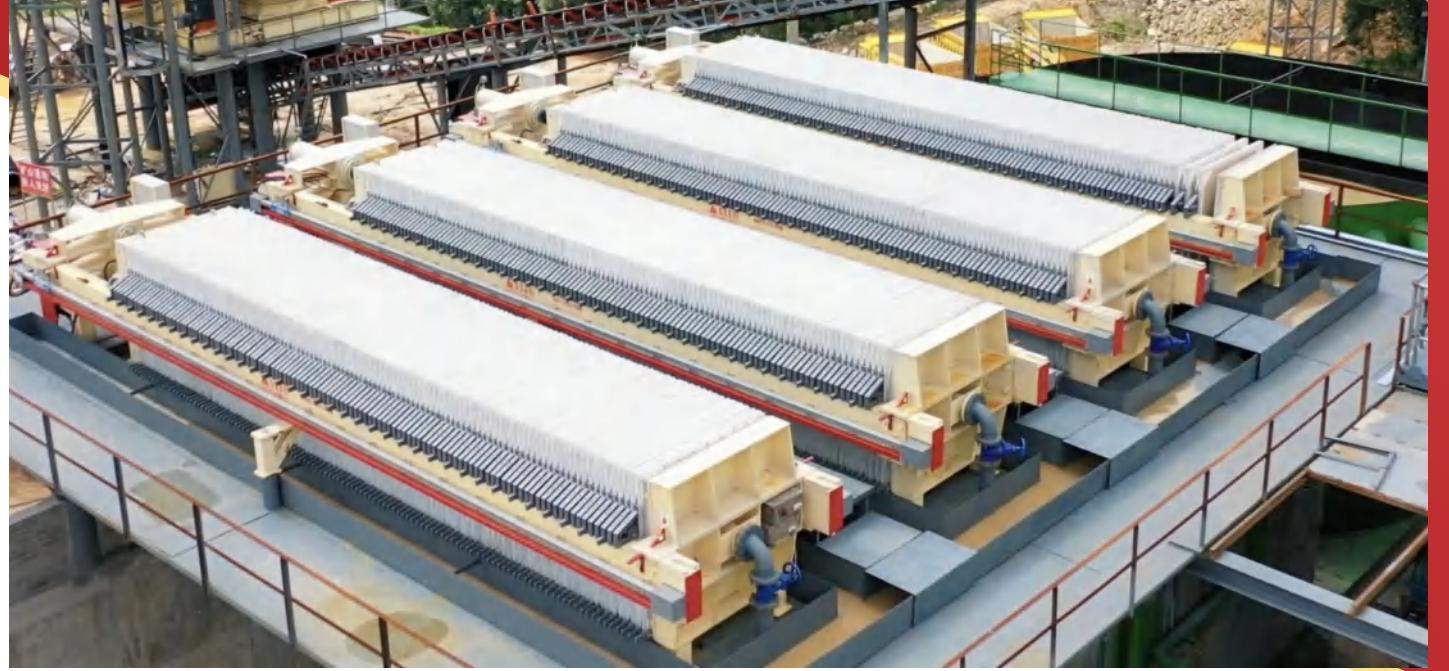
Hydraulic Plate and Frame Filter Press
Guangdong Leimeng Intelligent Equipment Group Co., Ltd.

Mine Explosion-proof and Intrinsically Safe Industrial Ethernet Ring Network (10 Gigabit/Gigabit)
Chongqing Mas Sci&Tech Co., Ltd.