COSCO Shipping Resumes Dry Container Bookings to Middle East Amid Supply Chain Adjustments
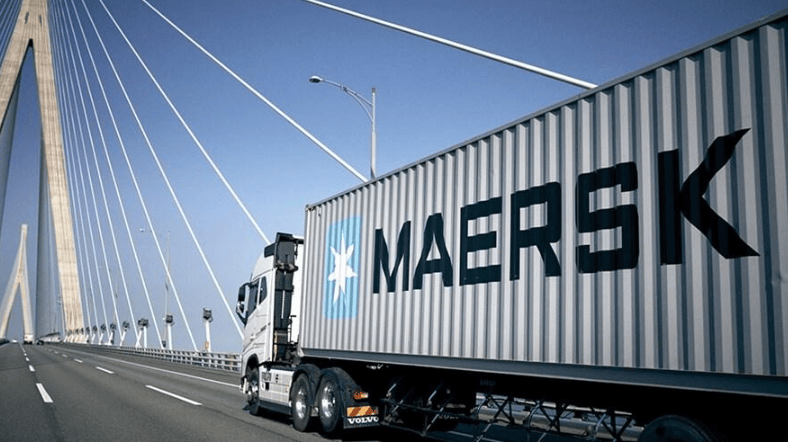
en.Weodoany.com Report on Mar 27th, COSCO Shipping recently announced the resumption of dry container booking services to the Middle East. Previously, the company had suspended related operations due to military conflicts around Iran. COSCO stated that it will now accept bookings for dry cargo shipments from the Far East and India to the United Arab Emirates, Saudi Arabia, Bahrain, Qatar, Kuwait, and Iraq.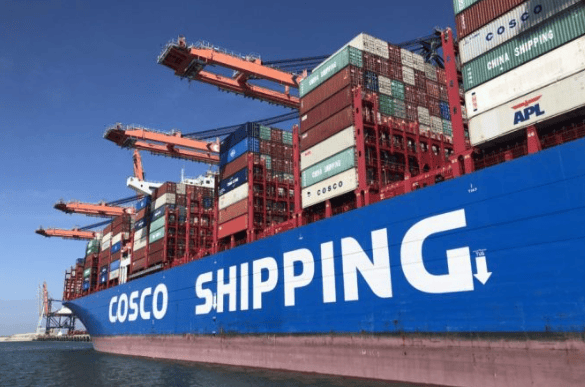
"Effective immediately, we have resumed new booking services for general cargo containers," the carrier informed its clients. The notice also included a warning: "Due to the volatile situation in the Middle East, new booking arrangements and actual shipments are subject to change." Sources from COSCO India also confirmed the reopening of dry cargo bookings to the Middle East.
A COSCO executive stated in a LinkedIn post: "This move reflects increased operational confidence and a gradual stabilization of regional logistics flows, despite ongoing geopolitical uncertainties." This marks a sign that major carriers are adapting to the new reality of multimodal transport to address supply chain fluidity challenges.
Authorities and industry players in the Persian Gulf region are developing integrated trade connectivity strategies to cope with unstable port links. For example, Gulftainer, which operates the Khorfakkan terminal in the UAE, has entered into a strategic arrangement with the Saudi Arabian Ports Authority, Mawani, aiming to establish a sea-land trade corridor connecting Sharjah and Dammam to support smoother cross-border cargo flows.
Mawani described this trade bridge as "enhancing logistics integration and supporting the smooth flow of goods between the two countries with high operational efficiency." Previously, customs authorities in Dubai and Oman had launched a "Green Corridor" to facilitate trade.
Historically, much of the Middle East's trade passed through the Port of Jebel Ali, but security threats have turned it into a bottleneck. Although freight bookings are slowly resuming, route and transit time reliability remain issues for shippers and cargo owners. Congestion at alternative hubs like Khor Fakkan and Fujairah has not eased, with more vessels anchored waiting to unload, and industry sources report port berthing delays often exceeding a week.
Related Products


Industrial and Commercial Point-Type Gas Detector
Jinan Benan Technology Development Co., Ltd.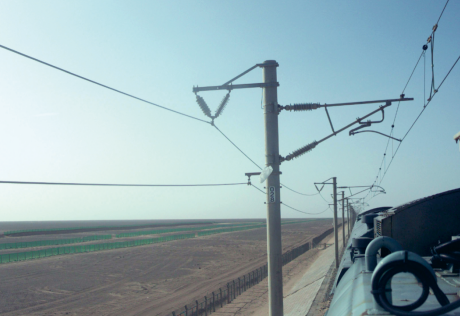
Pantograph-Catenary Comprehensive Detection Device (1C)
CHENGDU TANGYUAN ELECTRIC CO., LTD.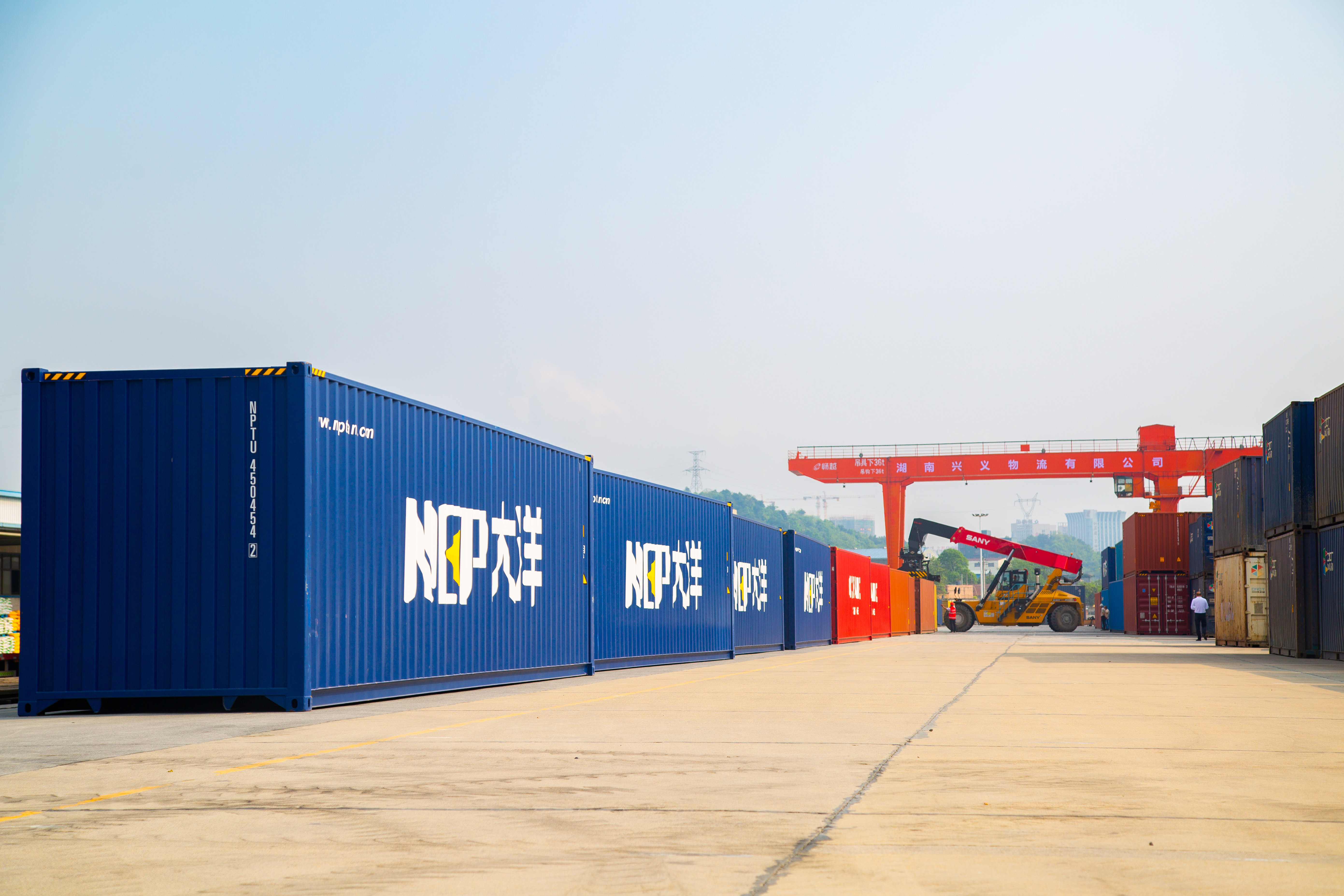
China - Alashankou/Khorgos - Europe Full Range Transportation (Mala/Hamburg/Duisburg/Budapest, etc.)
Shenzhen Neptune Logistics Co., Ltd.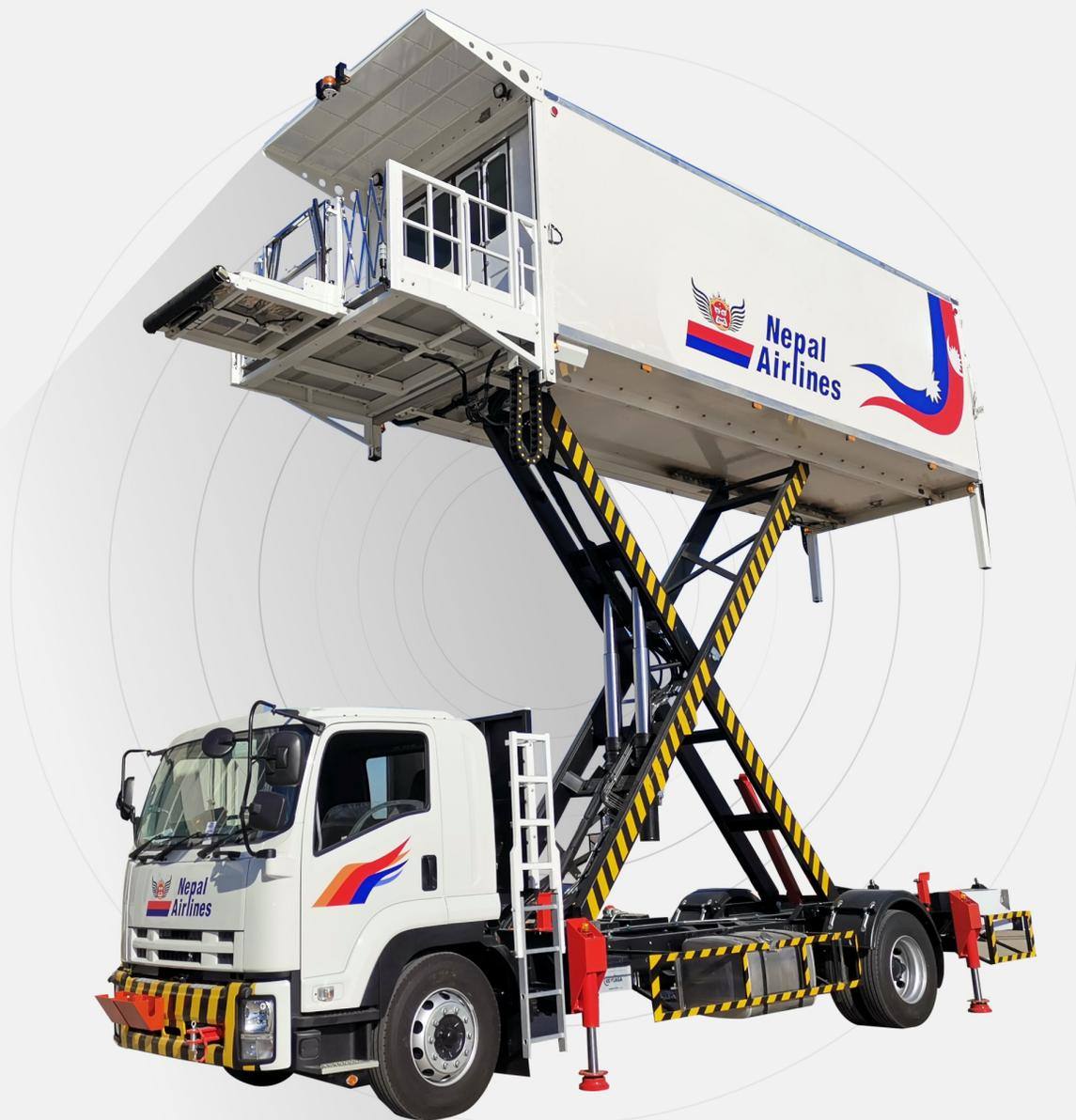
XC-6000e Type Aviation Catering Truck (Fuel Type)
Shenzhen CIMC-TianDa Airport Support Ltd.




"Shunyi 1600" Deep-submerging Bottom-sitting Multi-functional Wind Power Engineering Vessel
Zhengli Offshore Engineering Co., Ltd.
GSR6-27.5kV SF6 Free Gas-insulated Metal-enclosed Switchgear
Zhejiang Juhonkia Intelligent Electric Co., Ltd.