en.Wedoany.com Report on Mar 27th, The University of Windsor in Canada is constructing the country's first multi-storey 3D-printed building. This project will not only serve as student housing but also function as a "living laboratory" to collect data on material performance, structural behavior, and construction efficiency, particularly adapted to Canadian environmental conditions.
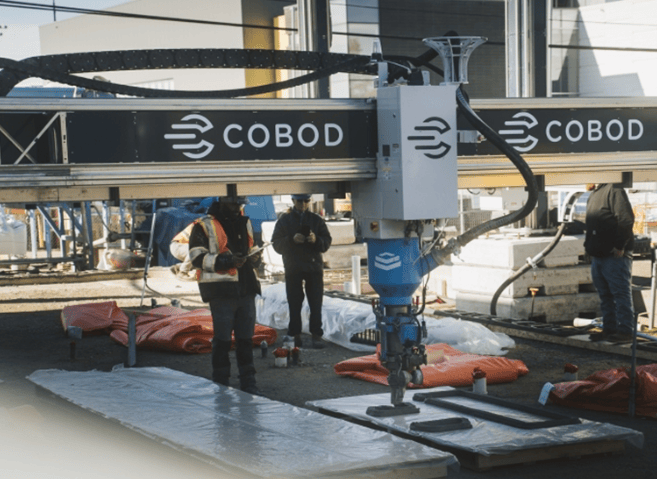
Construction on this three-story building began last fall, was paused during winter, and is expected to be completed this year. It will contain seven residential units with 25 beds. The project originated from the university's engineering program, aiming to address the housing crisis. It is being developed in partnership with Toronto-based Aretek, which provides the 3D printing technology and expertise.
FedDev Ontario and Desjardins Ontario Credit Union have provided funding of $2 million and $250,000 respectively. Ryan Kenney, Vice-President of Operations at the University of Windsor, stated: "The projected costs are still fluid at this point, but the core goal is to demonstrate that 3D-printed construction can reduce labor costs and waste, making large-scale housing more affordable."
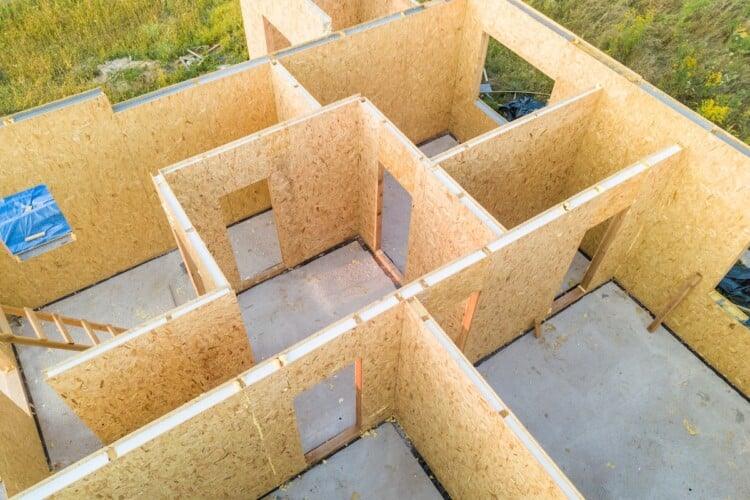
Student housing was chosen because it meets a campus need and serves as a platform for academic research. Kenney noted, "Using a campus site allows us to tightly integrate the construction with research and training from the Faculty of Engineering." The 3D printer moves on rails, extruding a specialized concrete mixture layer by layer to build the walls. The process is conducted in phases, including printing, curing, testing, and validation.
A small team manages the equipment using tablets. The concrete mixture is specifically designed for 3D printing, offering efficiency gains of up to 30% and less waste compared to traditional methods. Other building components, such as mechanical and electrical systems, are added using conventional methods. However, the printed envelope provides superior energy performance, aiming for net-zero energy consumption.
Students and faculty are involved in on-site work, using the construction site as a training environment. During the winter pause, researchers conducted material testing and engineering reviews in the lab. This project is part of the University of Windsor's broader 3D-printed construction initiative. Kenney said, "This site provides support for foundational R&D, promoting technological scalability and refinement for broader application across Canada."
This month, the University of Windsor hosted a conference on 3D-printed housing solutions, attracting academics, industry professionals, and government officials to discuss commercial applications. This innovative project showcases the potential of 3D-printed construction in Canada, combining research and practice to advance sustainable housing development.