Stored Carbon Dioxide Surpasses 1.3 Billion Cubic Meters, Marking New Breakthrough in China's Large-Scale Carbon Emission Reduction
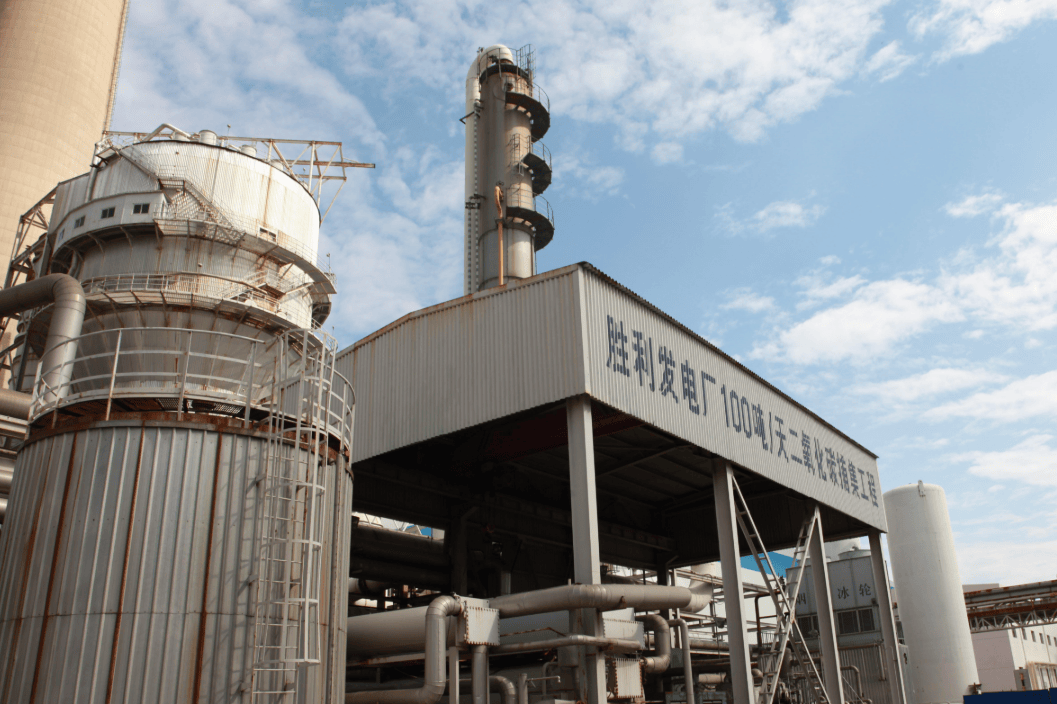
Wedoany.com learned from Sinopec today (28th) that the total CO₂ injection volume of Sinopec's Shengli Oilfield Carbon Capture, Utilization, and Storage (CCUS) project, China's first million-ton-scale full-chain CCUS demonstration project, has exceeded 1.3 billion cubic meters, reaching a new historical high since the project's operation. This marks a substantial breakthrough for China in the fields of large-scale carbon emission reduction and green energy development.
Carbon Capture, Utilization, and Storage (CCUS) is a core technology for collecting industrially emitted carbon dioxide, transporting it, utilizing it as a resource, or permanently storing it. It aids in carbon reduction and green, low-carbon development and is also a crucial pathway for the world to address climate change.
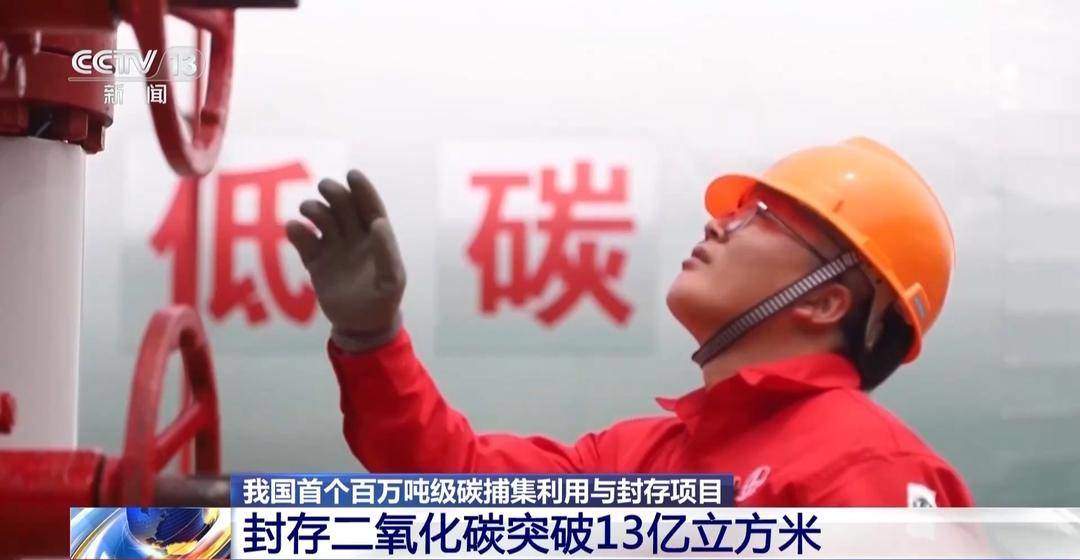
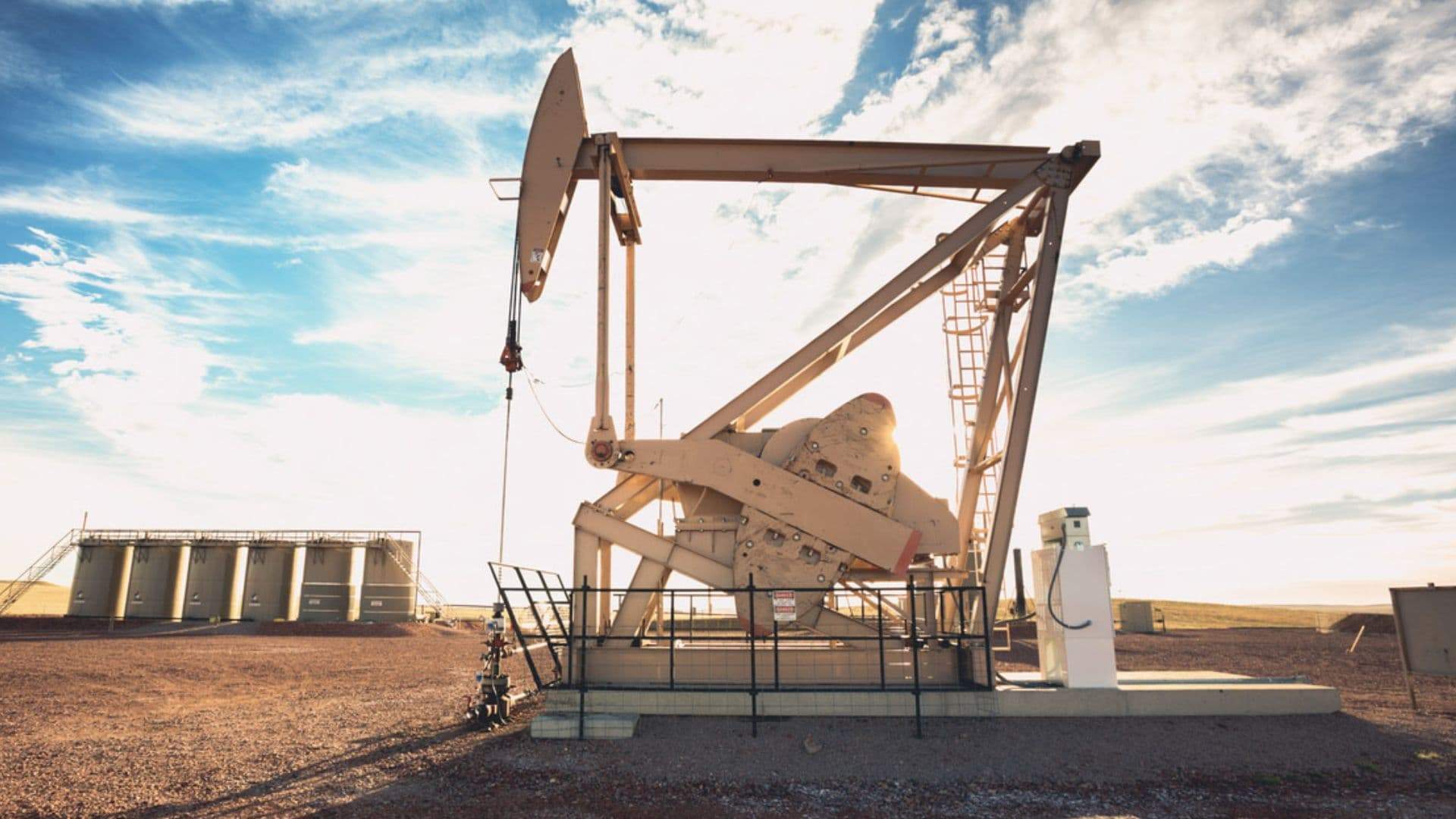
As China's first million-ton-scale full-industry-chain CCUS demonstration project, this project has not only achieved large-scale, safe CO₂ storage but also delivered significant results in enhanced oil recovery. Currently, the project's crude oil production has doubled, with cumulative incremental oil reaching 250,000 tons. It has realized a closed loop from capture to utilization, completing the leap from "technology verification" to "industrial implementation."
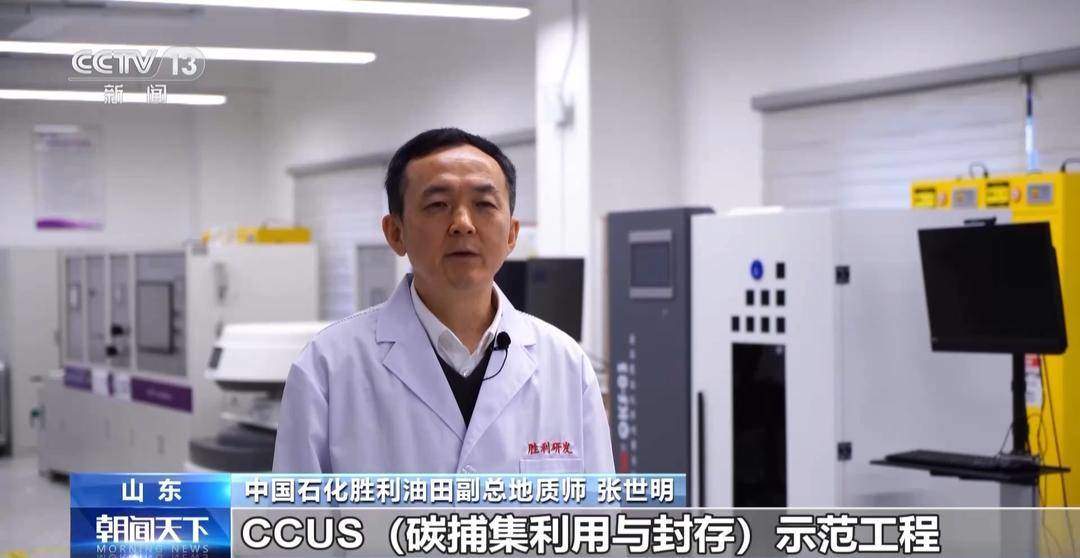
Zhang Shiming, Deputy Chief Geologist of Sinopec's Shengli Oilfield: Through efficient field operations, the cumulative CO₂ injection volume of the Shengli Oilfield CCUS demonstration project has now reached 1.3 billion cubic meters. The daily oil production in the block has surged from the initial 220 tons at the start of operations to the current 480 tons, truly achieving a two-way synergy of "carbon reduction" and "production increase."
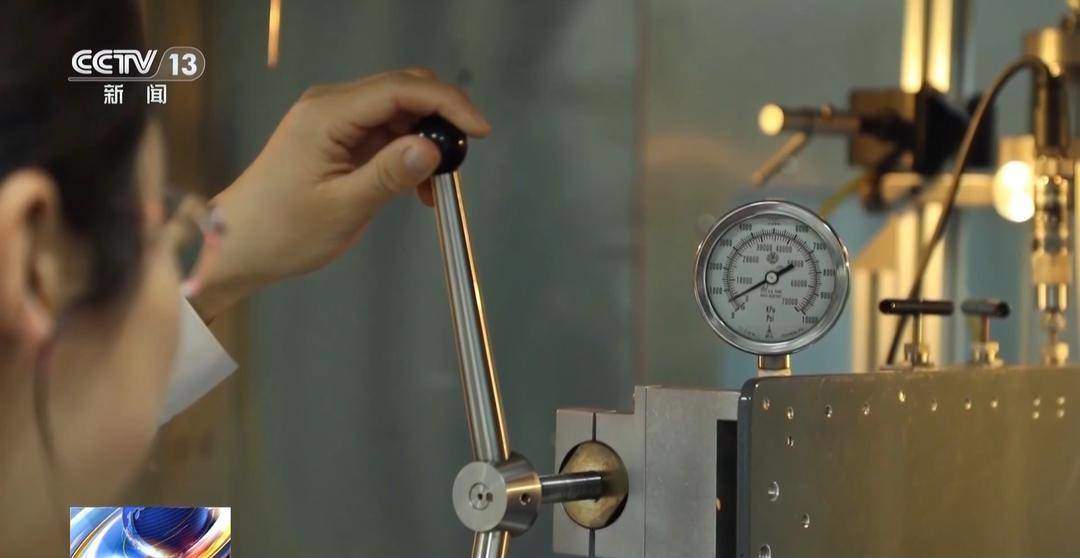
For a long time, bottlenecks such as low-cost, efficient capture; long-distance, safe transportation; and high-proportion storage have constrained the development of China's CCUS industry.
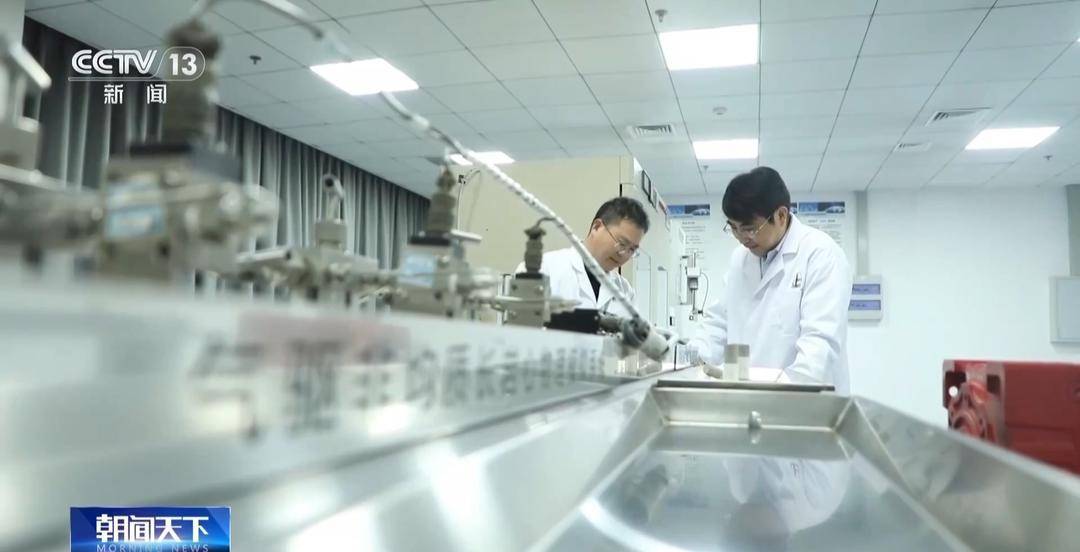
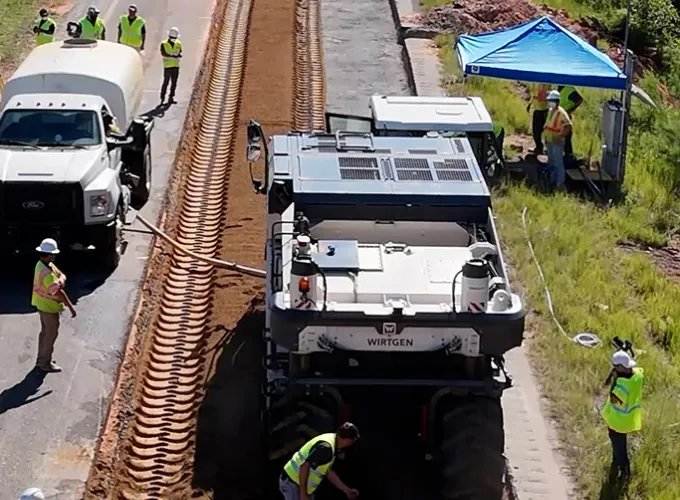
After years of scientific research and tackling key problems, China's technical team has achieved multiple original and significant breakthroughs. In the capture phase, they independently developed a million-ton-scale, low-energy-consumption capture technology, reducing the comprehensive unit energy consumption by 19% and costs by over 30%. In the transportation phase, they built the world's first supercritical digital twin intelligent pipeline for CO₂ containing impurities, establishing a safe and efficient transportation model for the near-critical region, reducing maintenance costs by 30%. In the enhanced oil recovery and storage phase, they innovated an integrated technical solution, increasing crude oil recovery rates by over 15 percentage points and raising the primary CO₂ storage rate by 20 percentage points.
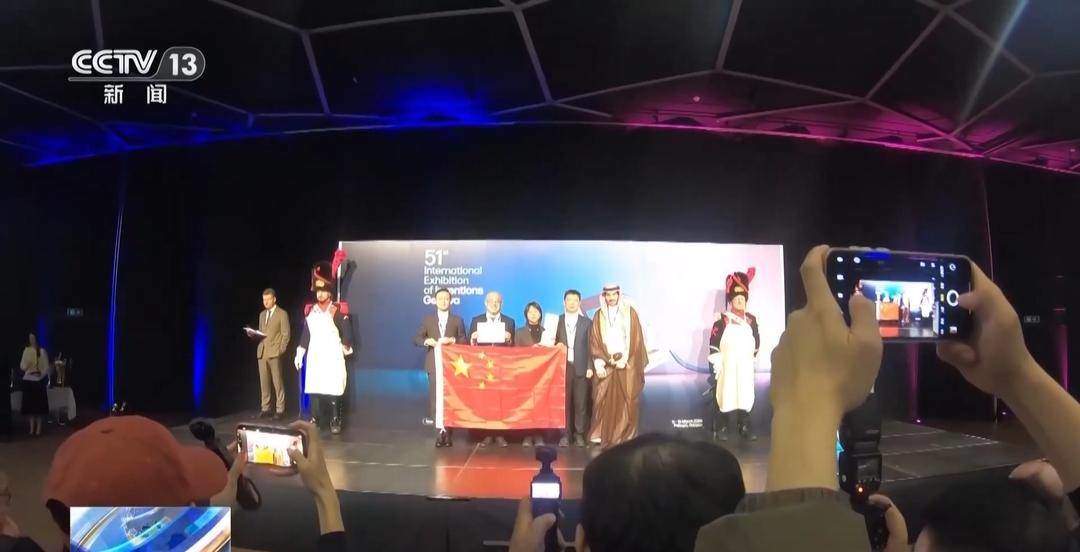
Recently, at the 51st International Exhibition of Inventions Geneva, the project's core technology and equipment won the highest honor, the "Special Mention Gold Medal," and the "Special Innovation Award." As the world's oldest and largest international invention exhibition, this award signifies that China's full-chain CCUS key technologies and equipment have reached internationally leading levels, contributing a "Chinese solution" to global climate governance.
Related Products
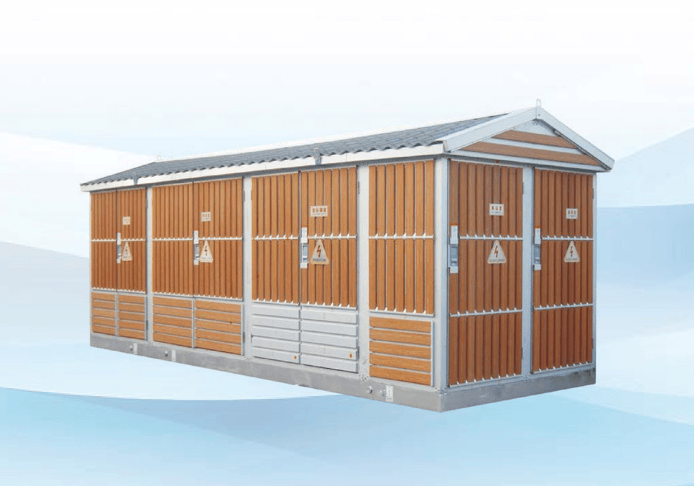

YB □ -12/0.4/1250 Outdoor Prefabricated Substation (European Style)
Shangrao Shangyu Intelligent Electric Co., Ltd.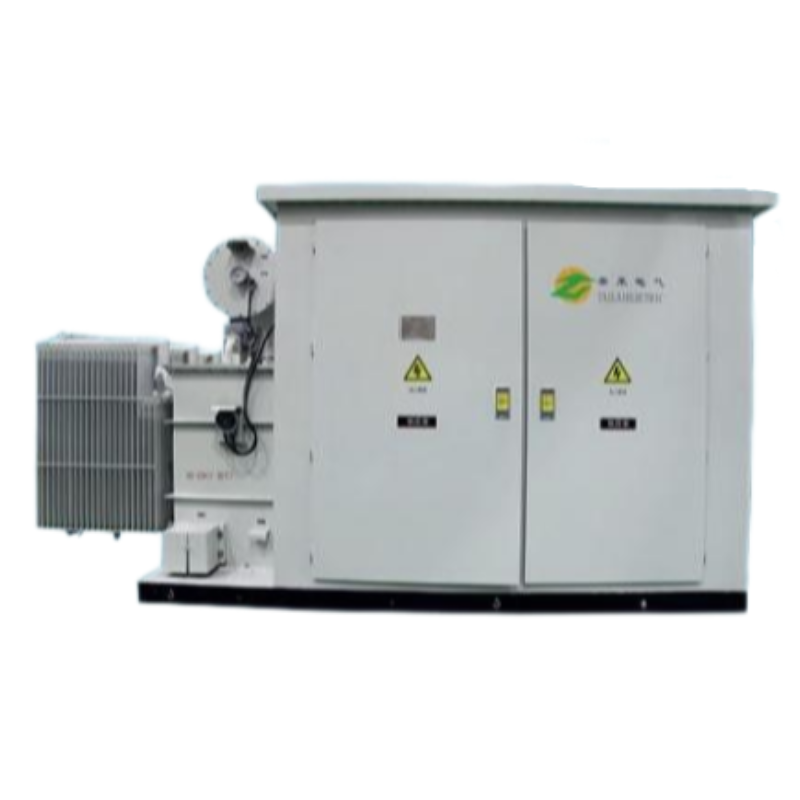

Pneumatic high-pressure wear-resistant ball valve
Zhejiang Deca Control Valve Meter Co., Ltd.
Jiujiang Pinggang 125MW Subcritical Gas Power Generation Project
Capital Engineering & Research Incorporation Limited