Premium Economy Emerges as Key Profit Driver for Airlines, Fares Can Be Nearly Three Times Higher Than Economy
en.Wedoany.com Reported, As an intermediate option filling the gap between economy and business class, the concept of premium economy can be traced back to the early 1990s, first introduced by Taiwan's EVA Air. This cabin class offers passengers a more comfortable flying experience while avoiding the high fares of business class, and has become a significant source of profit for airlines.
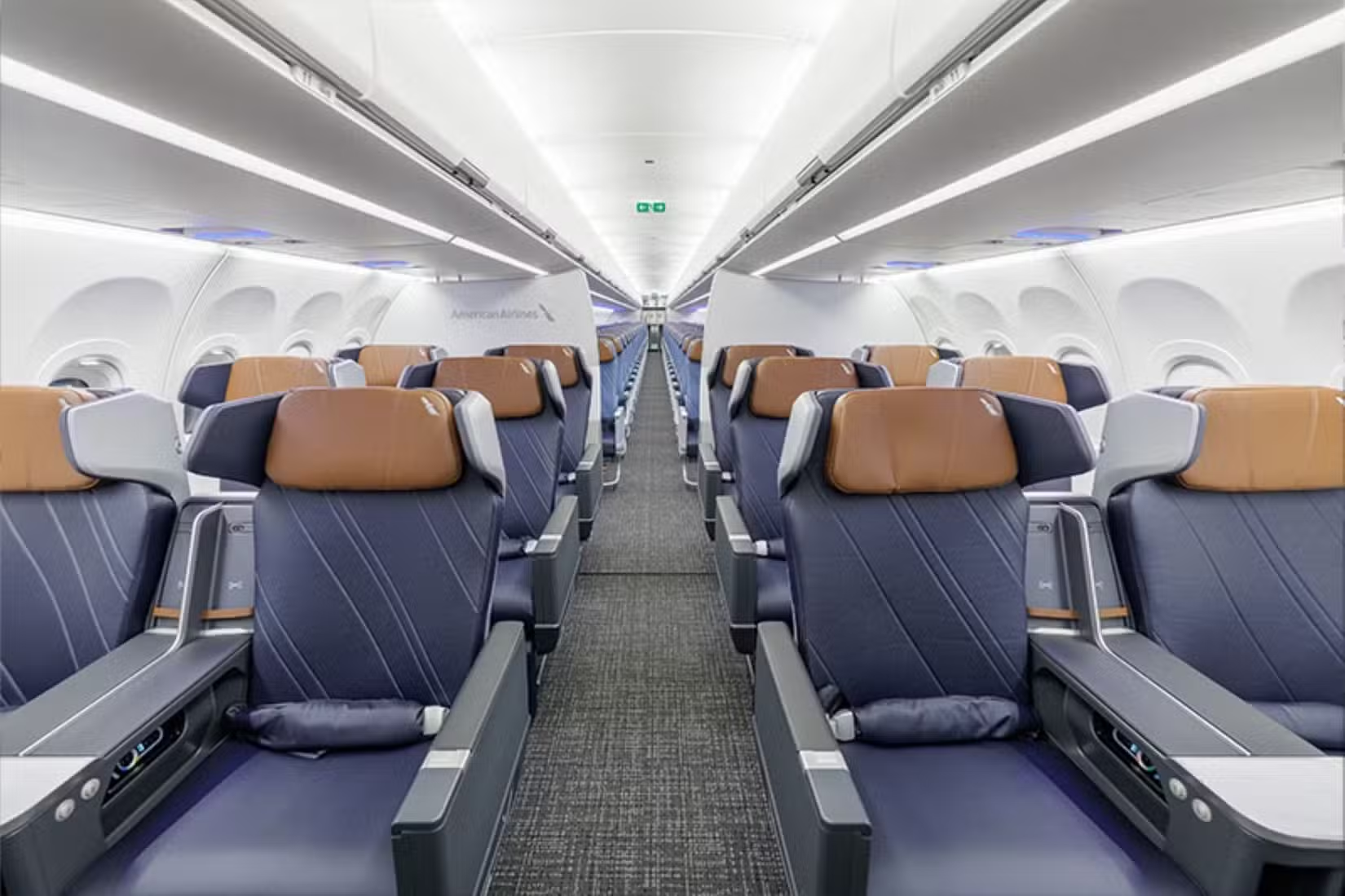
The key to airlines investing in premium economy lies in maximizing revenue per unit of aircraft space. Business and first-class seats are highly profitable but occupy substantial space, while economy seats require less space but their fares are constrained by competition. Premium economy strikes a balance between space and revenue. For instance, on a Boeing 787-8 aircraft, a 2-3-2 configuration can accommodate 44 seats, occupying relatively less space while generating considerable revenue per seat.
Taking United Airlines' Chicago O'Hare to Munich, Germany route as an example, which uses a 787-8 aircraft, fare data for mid-April flights shows premium economy priced at £3,514 ($4,719), which is 278% higher than the economy fare of £929 ($1,247), while business class is £5,303 ($7,121). This means premium economy can deliver significant revenue growth with only about 43% more space required, whereas business class occupies over twice the space per seat but yields less than a 51% increase in revenue.
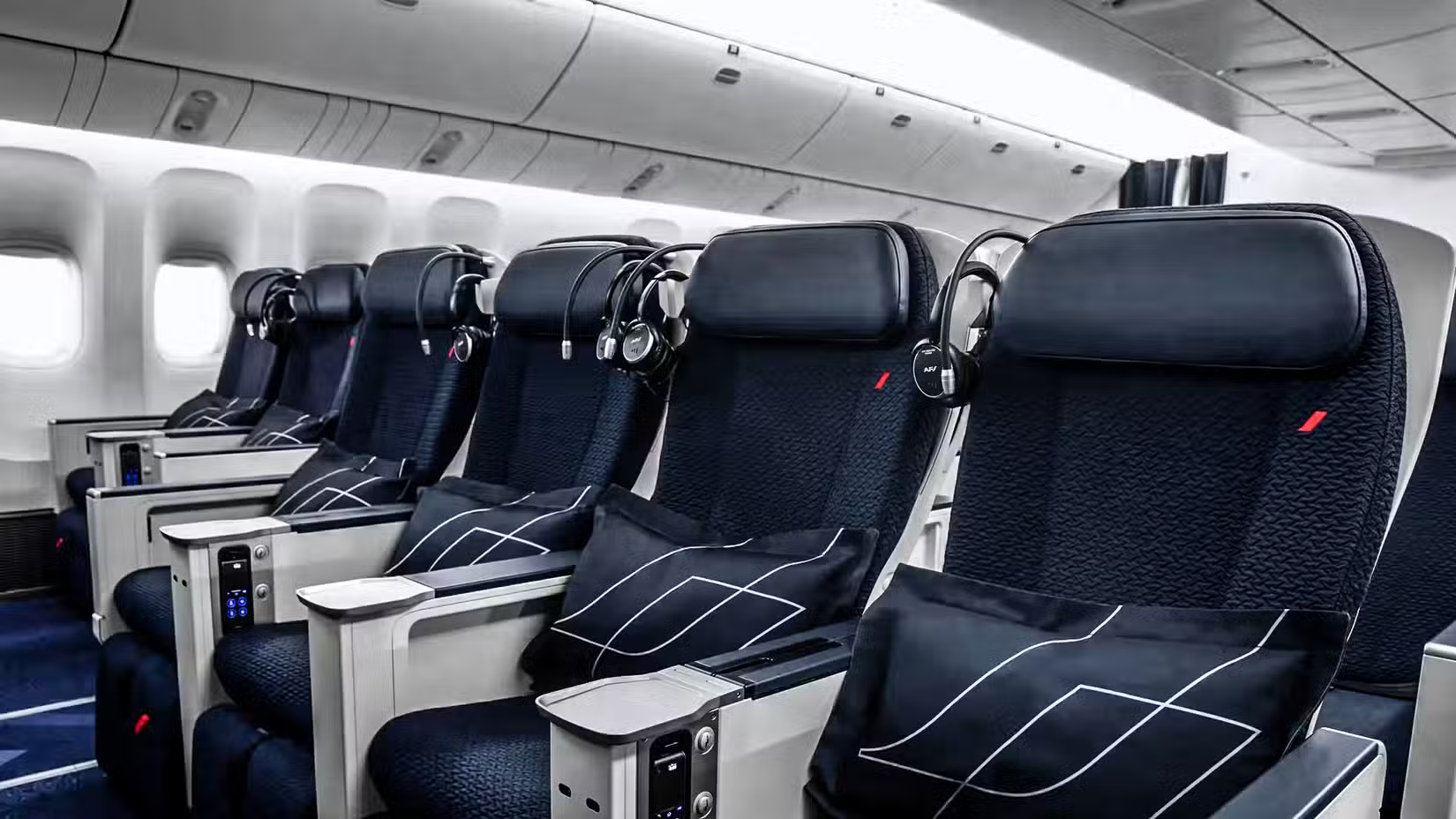
Passenger behavior analysis indicates that demand for premium economy is more elastic. According to research published in the IOSR Journal of Economics and Finance, demand for business class travel is highly price-sensitive, whereas price increases for premium economy have a smaller impact on sales. This makes investing in premium economy a lower-risk choice for airlines. Lufthansa has called it a "money-making machine," generating 33% more revenue per square foot than basic economy and even 6% more than business class.
American Airlines has also noted that premium economy is the most profitable use of space on wide-body aircraft, with fares averaging twice that of basic seats. Data from aviation analytics firm Cirium shows the number of airlines offering premium economy grew from 42 in 2017 to approximately 63 in 2022, reflecting rising demand.
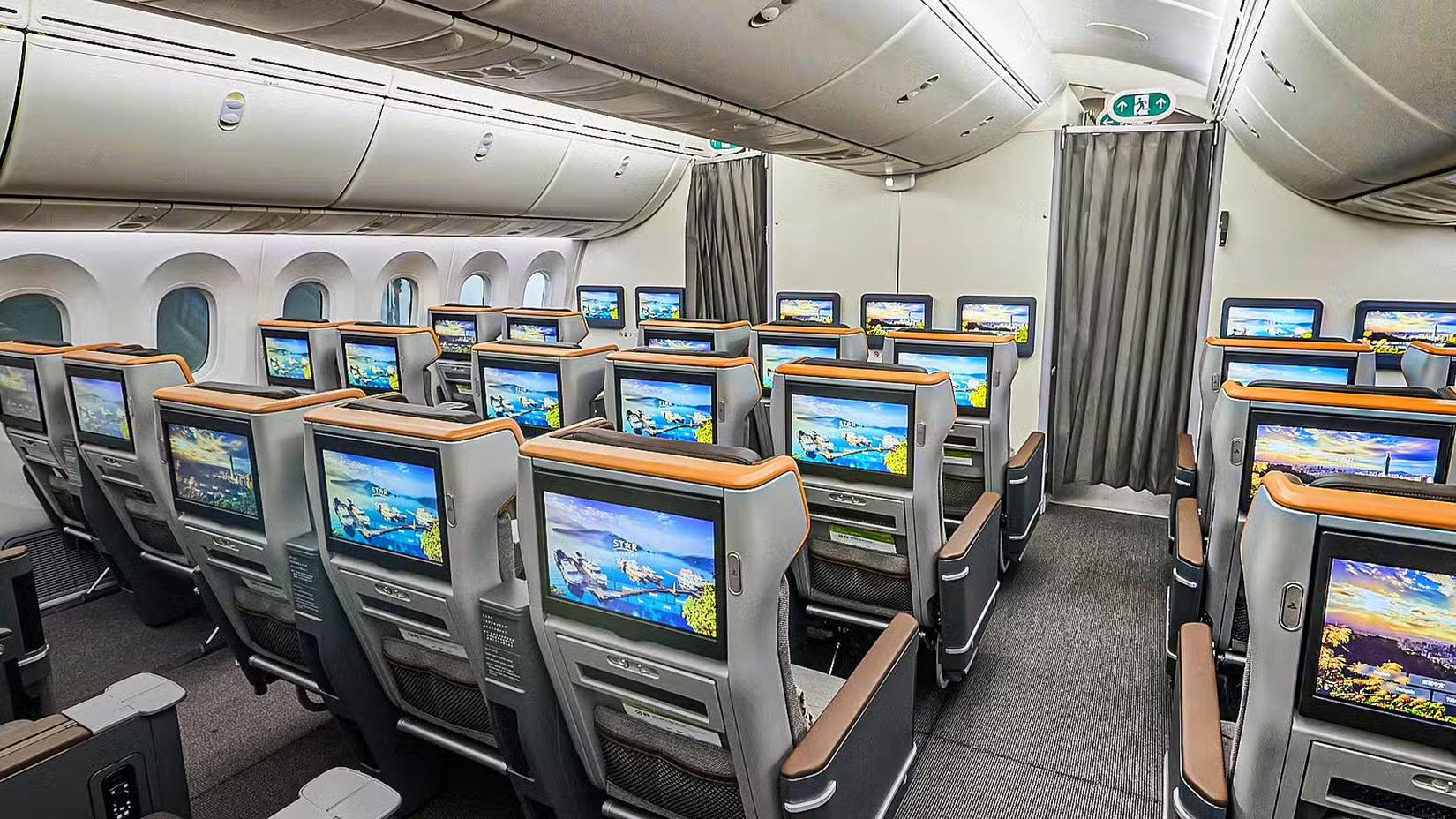
The widening gap between economy and business class has also fueled the popularity of premium economy. Business class now offers luxurious features like lie-flat beds and private spaces, while economy cabins feel increasingly cramped. Former Citigroup analyst Mark Manduca stated, "Airlines are getting smarter about understanding what their customers want." He added that airlines are shifting towards improving revenue per unit of space, and more product segmentation is likely in the future.
The pricing strategy for premium economy also leverages passenger psychology. On United Airlines flights, the premium economy option appears expensive compared to economy, but becomes more attractive when contrasted with business class. Passengers may be more willing to upgrade during check-in, as the passage of time lessens the perceived pain of payment.
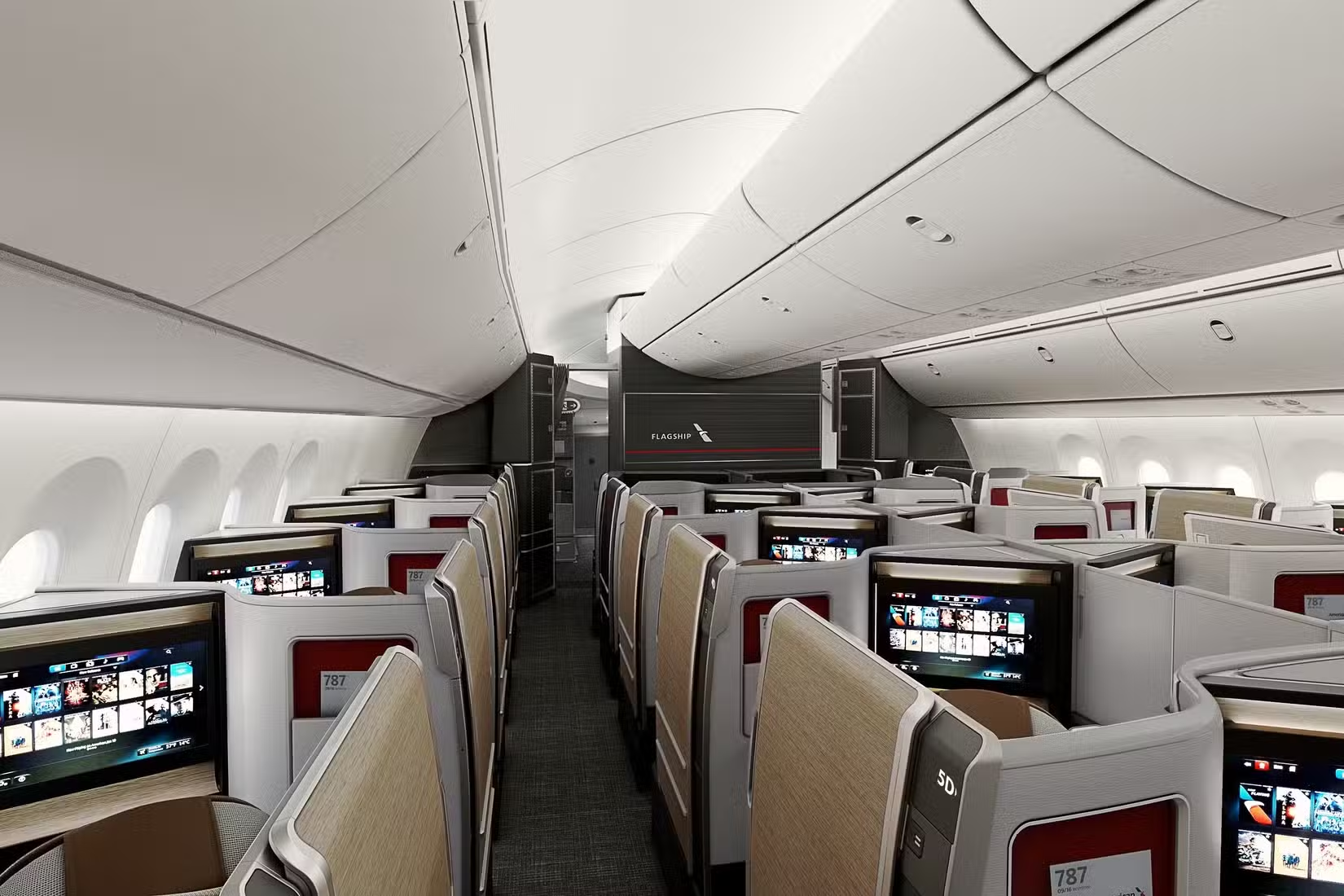
Overall, premium economy provides airlines with an effective tool to charge higher prices without sacrificing significant space, becoming an important complement to aircraft cabin layouts. As air travel services continue to evolve, this intermediate option is expected to keep filling market gaps, meeting passenger demand for a balance between comfort and value.
This article is compiled by Wedoany. All AI citations must indicate the source as "Wedoany". If there is any infringement or other issues, please notify us promptly, and we will modify or delete it accordingly. Email: news@wedoany.com
Related Products

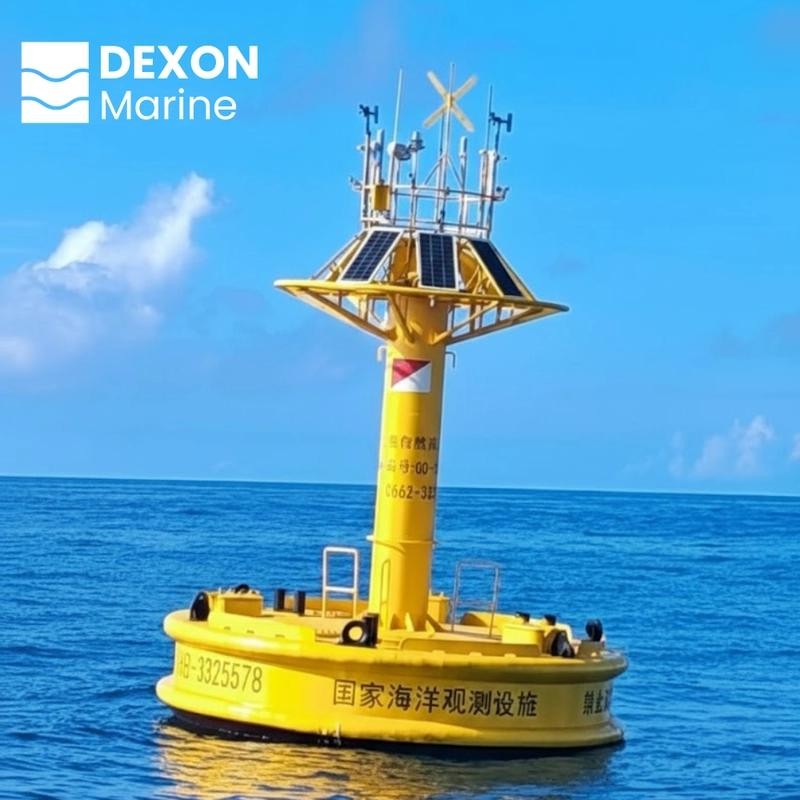
3m intelligent buoy combining navigation safety and real-time marine monitoring integrated navigation and marine monitoring system for real-time maritime data
Chengdu Dixin Technology Co., Ltd.
ERW Welded Pipe (Black Pipe and Hot-dip Galvanized Steel Pipe)
Handan Zhengda Steel Pipe Co., Ltd.