Quality Management in Power Transmission Projects Must Shift from Acceptance-Based to Process-Based Control
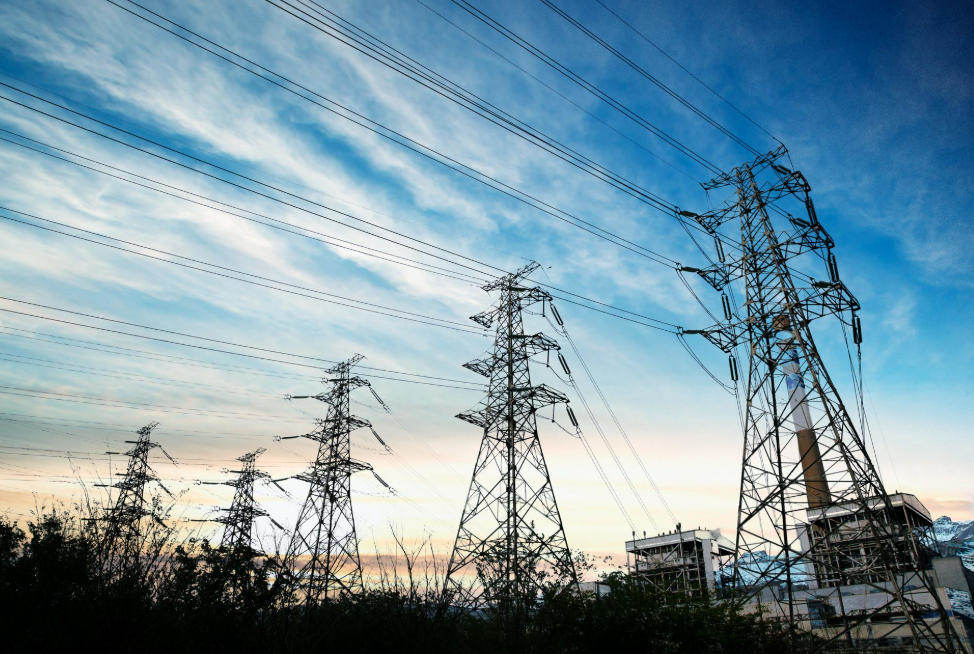
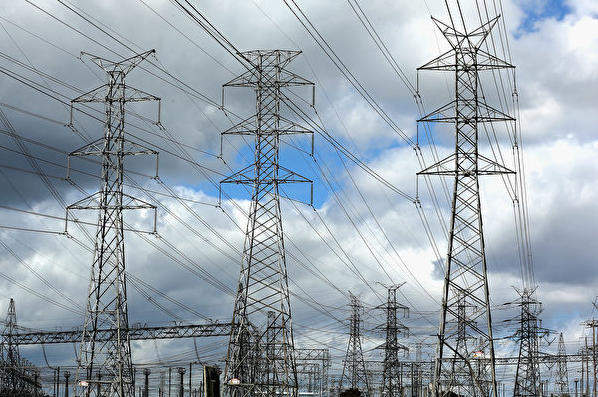
Quality problems in power transmission projects rarely appear suddenly at final acceptance. They accumulate gradually during foundation construction, tower erection, stringing, compression, grounding and crossing construction. Traditional quality management focuses heavily on final acceptance, which can lead to complete documents but distorted processes, or acceptable appearance but hidden defects.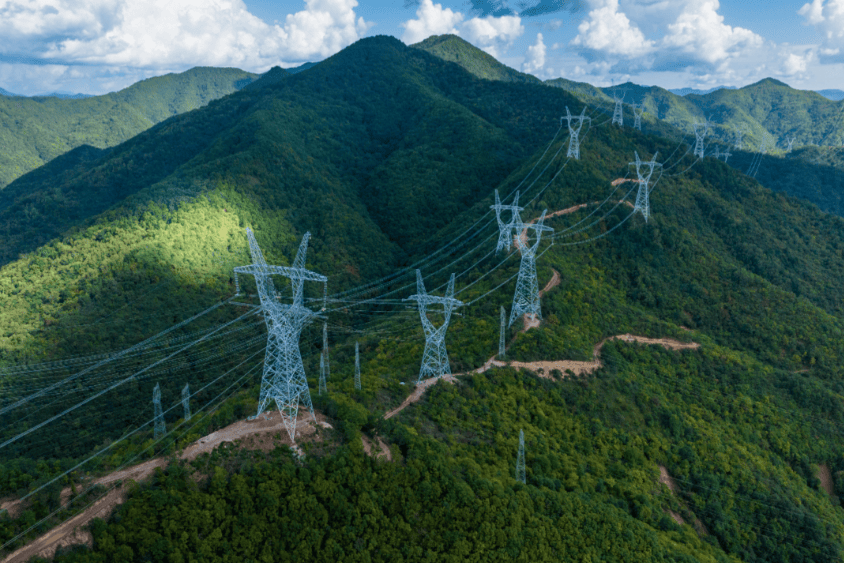
Common quality risks include tower foundation dimensional deviation, anchor bolt displacement, insufficient concrete vibration, poor backfilling, insufficient grounding depth, wrong or missing tower components, insufficient bolt tightening, untraceable conductor compression and missing crossing construction documents. Once these problems enter operation, remediation costs are far higher than during construction.
The IEA notes that grids are becoming a key bottleneck in energy transitions and that investment and construction need to accelerate significantly. Faster construction must not come at the cost of quality risk. The larger the construction cycle, the stronger process quality control must become.
From a Power Engineering Planning perspective, quality control should be moved into design and construction organization. High-risk tower sites, major crossings, heavy-icing areas, strong-wind areas and geological hazard zones should have special quality control points before construction. Key processes such as foundation work, grounding, compression and tower erection should follow “one process, one evidence” requirements. Photos, videos, coordinates, time, responsible person and acceptance person should all be linked to tower files.
AI image recognition and structured data auditing can also be introduced. AI can help identify abnormal rebar spacing, formwork deformation, unsafe behavior, missing bolts, abnormal compression appearance and slope cracks. Data auditing can detect late photo uploads, coordinate abnormalities, process-sequence conflicts and missing closure evidence. However, AI must not replace engineer sign-off. High-risk issues must be reviewed by professionals.
The future direction of quality management in power transmission projects is to move from “accepted as qualified” to “process proven as trustworthy.” Only when each key process is supported by real data and every defect has a closed-loop correction can a transmission project withstand long-term operational verification.
Related Products
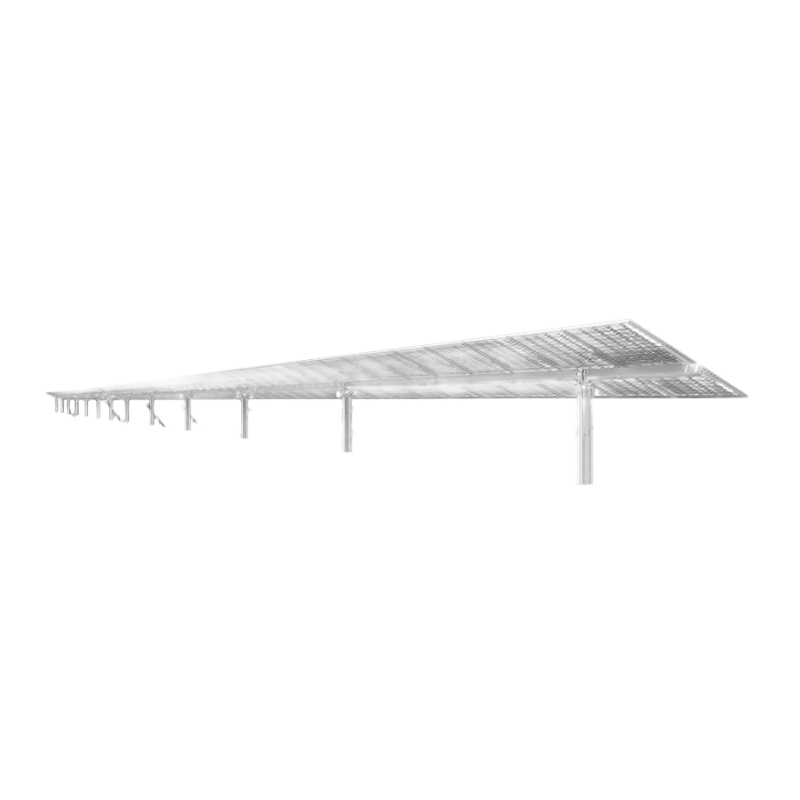

TAI Slew-drive Single-axis Independent 1P Tracking Bracket System
ANTAI TECHNOLOGY CO., LTD.

Pneumatic high-pressure wear-resistant ball valve
Zhejiang Deca Control Valve Meter Co., Ltd.
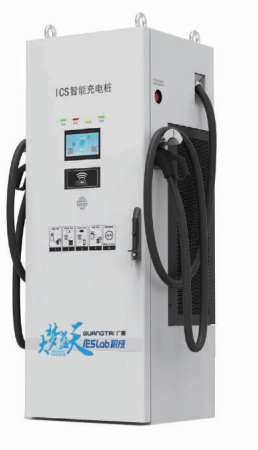
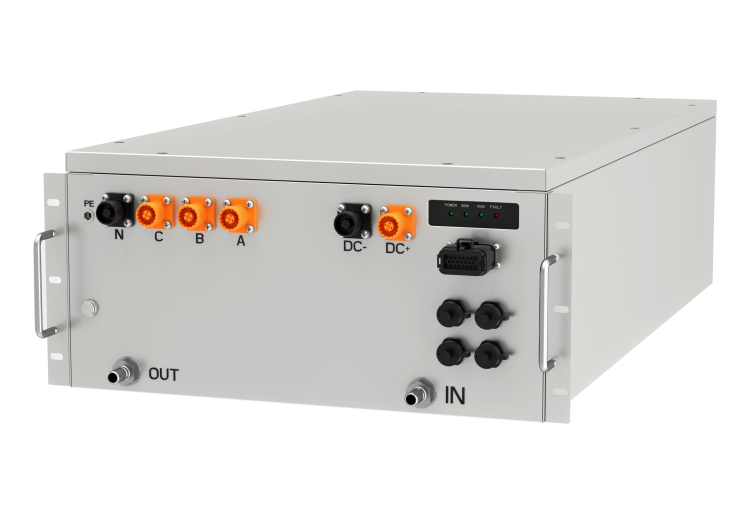
Mars (Liquid Cooling) Series Industrial and Commercial Energy Storage Converter High Protection Module
Shenzhen Winline Technology Co., Ltd.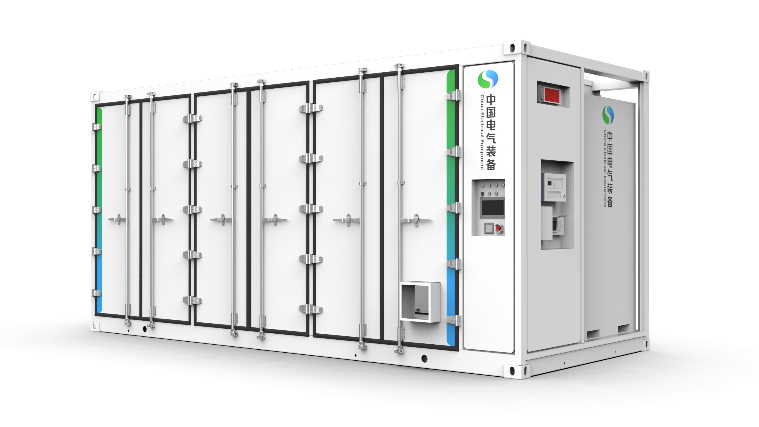
MESS8201-2507/5015-BN Prefabricated Liquid-cooled Energy Storage Battery Container
Xuchang Xuji Electric Science Energy Storage Technology Co., Ltd.
714CD Series C-Band Weather Radar
Chengdu Zhongdian Jinjiang Information Industry Co., Ltd.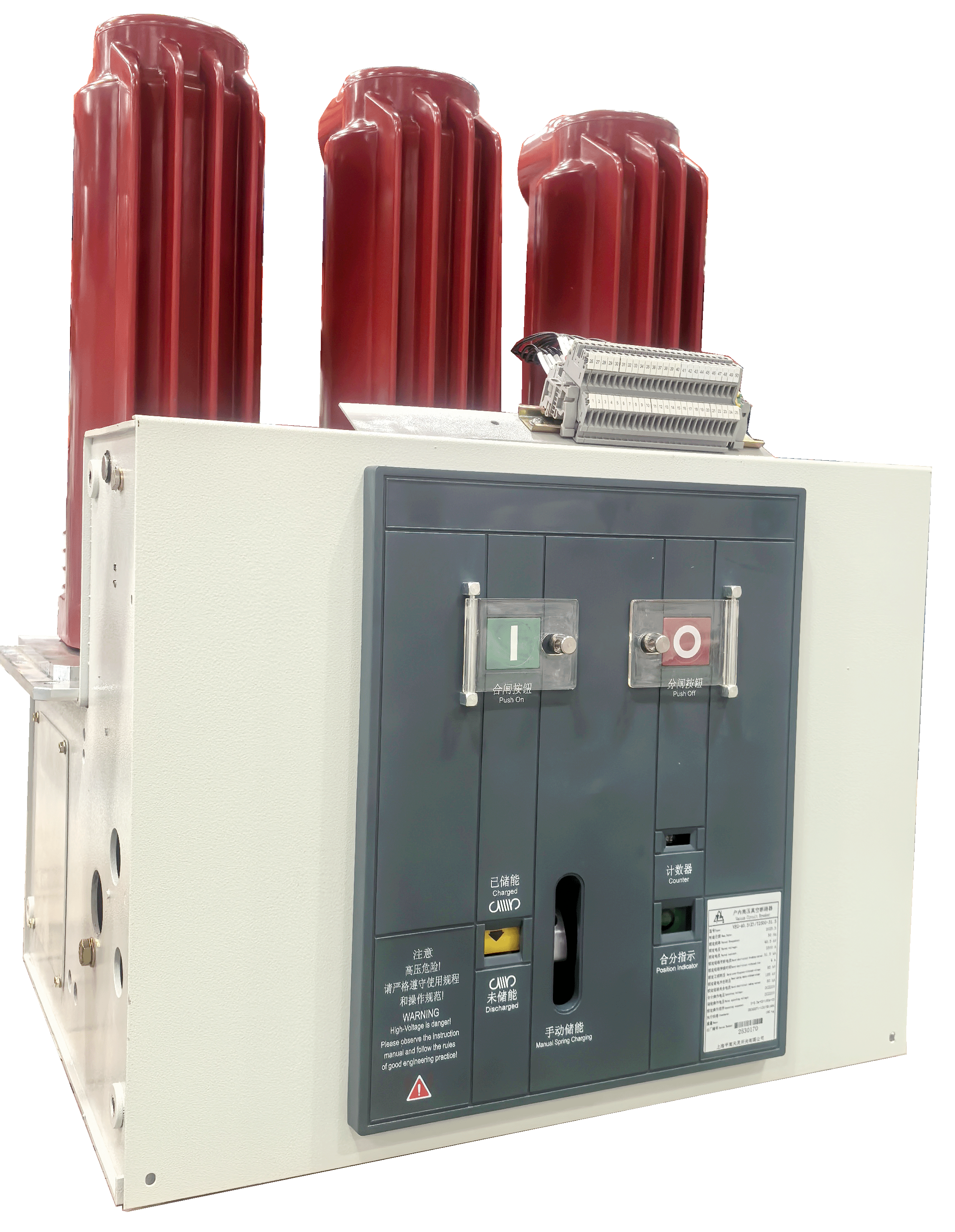
VEG-12/24/40.5 Series Vacuum Circuit Breaker
SHANGHAI PINGGAO TIANLING SWITCHGEAR CO., LTD.