Power Transmission Projects Are Shifting from Corridor Construction to System Planning
The rapid growth of renewable energy capacity is redefining the role of power transmission projects. In the past, transmission lines mainly delivered electricity from generation sites to load centers. Today, with faster development of wind, solar, hydropower, energy storage and cross-regional electricity trading, power transmission projects have become core infrastructure for renewable energy integration, optimized resource allocation and secure grid operation.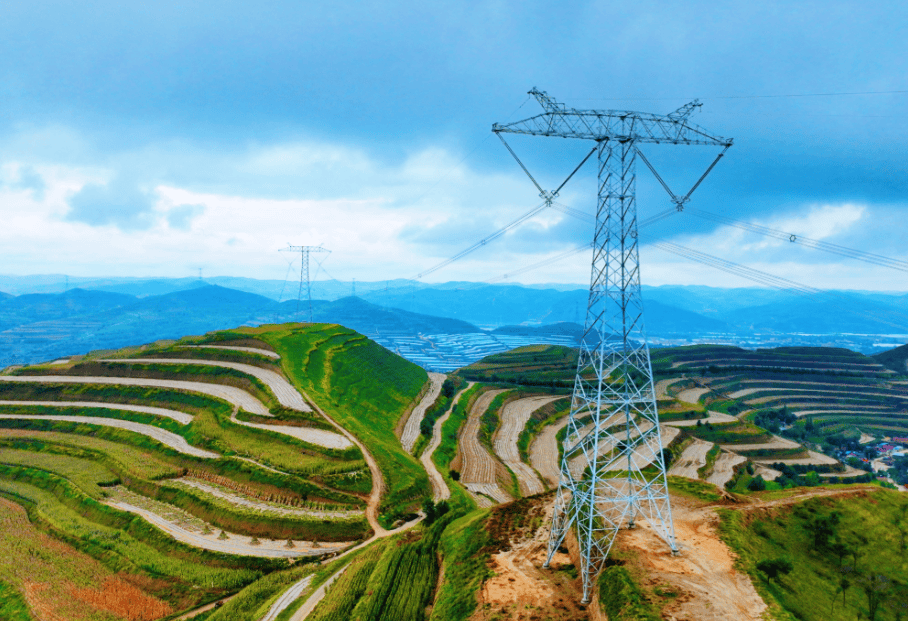 The International Energy Agency forecasts global electricity demand to grow at an average annual rate of 3.6% from 2026 to 2030, driven mainly by industry, electric vehicles, air conditioning and data centers. To meet demand growth through 2030, annual grid investment needs to increase by around 50% from today’s level of about USD 400 billion. This shows that the key challenge is shifting from generation construction alone to coordinated development of generation, grids, loads and storage.
China shows this trend even more clearly. In 2025, China added more than 430 GW of new wind and solar capacity, bringing total installed renewable capacity above 1,800 GW and making renewables more than 60% of total installed power generation capacity. As renewable bases move into deserts, Gobi regions, plateaus and offshore areas, demand for long-distance, high-capacity and highly reliable power transmission projects continues to rise.
From the perspective of Power Engineering Planning, future transmission planning should not only answer how to build a line. It must also answer how generation will be delivered, how loads will absorb power, how storage will coordinate and how flexibility resources will be configured. If planning focuses only on minimizing the investment of a single line while ignoring system absorption and operational flexibility, the result may be low utilization, local grid constraints or renewable curtailment.
Professional power transmission planning should include generation output analysis, load forecasting, load-flow calculation, short-circuit verification, stability analysis, reactive power and voltage support, and multi-scenario operation simulation. For renewable energy delivery projects, the passive model of “build generation first, then add grid capacity” should be avoided. Generation, grid, load and storage should be planned, approved and built in a coordinated way.
The competitiveness of future transmission projects will not lie only in higher voltage levels or larger capacity, but also in their ability to support high renewable penetration, efficient cross-regional power flow and greater grid resilience. Power transmission projects are evolving from conventional corridor works into the strategic backbone of new power systems.
Related Products

Mineral-insulated Compact Busway (Fire-resistant Busduct)
Zhuhai Guangle Electric Busway Co., Ltd.
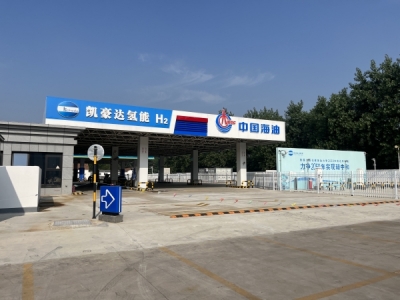
Hydrogen production and hydrogenation charging refueling gas integrated energy station
Shenzhen Kohodo Hydrogen Energy Co., Ltd.
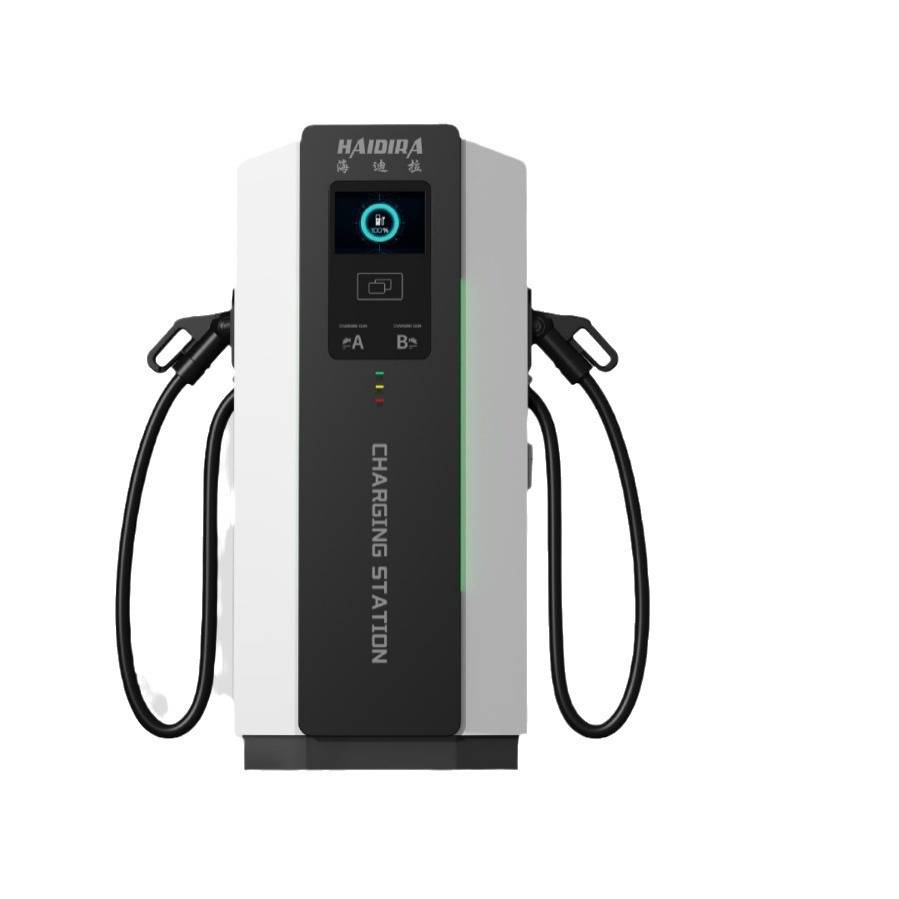
Manufacturer Direct Sales Tesla New Energy Electric Vehicle Universal DC 180kW Dual-gun Charging Pile Commercial Fast Charger
Anhui Haidira Electric Technology Co., Ltd.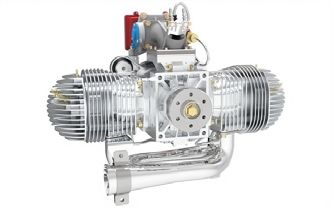
Aero Piston Engine - FF600 Two-Stroke Opposed Two-Cylinder Engine
China Times Prospect Science & Technology Co., Ltd.
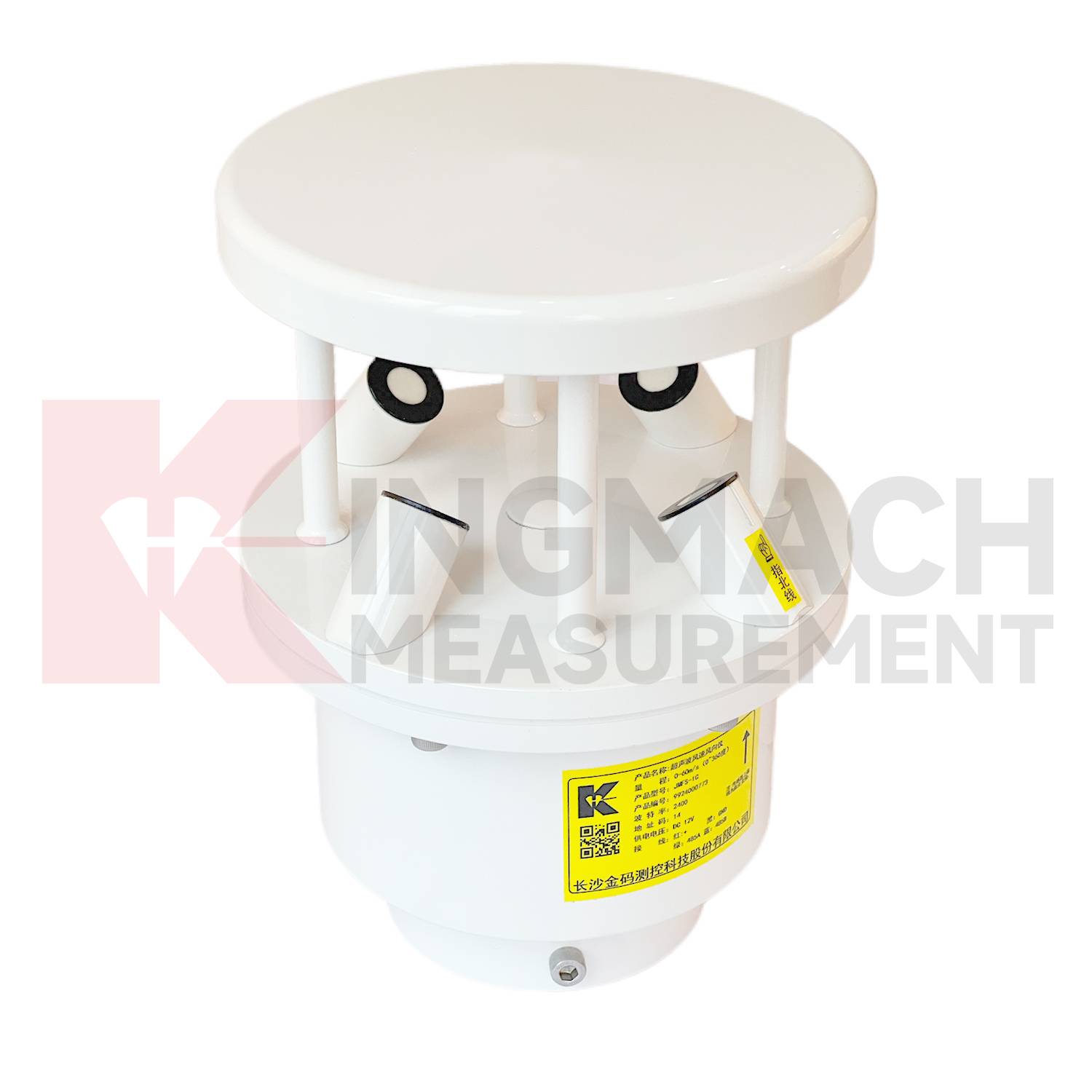
Ultrasonic Wind Speed and Direction Instrument
Kingmach Measurement & Monitoring Technology Co., Ltd.