Supply Chain Pressure Is Reshaping the Schedule of Power Transmission Projects
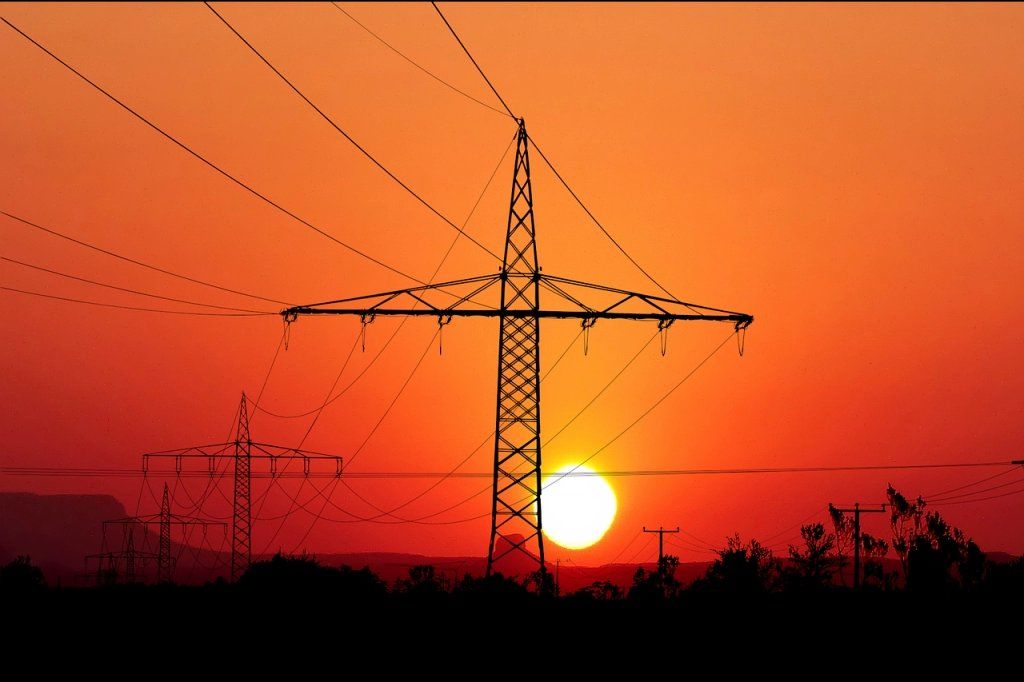
Power transmission projects involve many components, including conductors, cables, towers, insulators, fittings, transformers, converter valves, switchgear, protection and communication systems, and construction equipment. In the past, project management focused mainly on approvals, land acquisition, construction and commissioning. Today, key equipment supply chains have become a major factor affecting project schedules.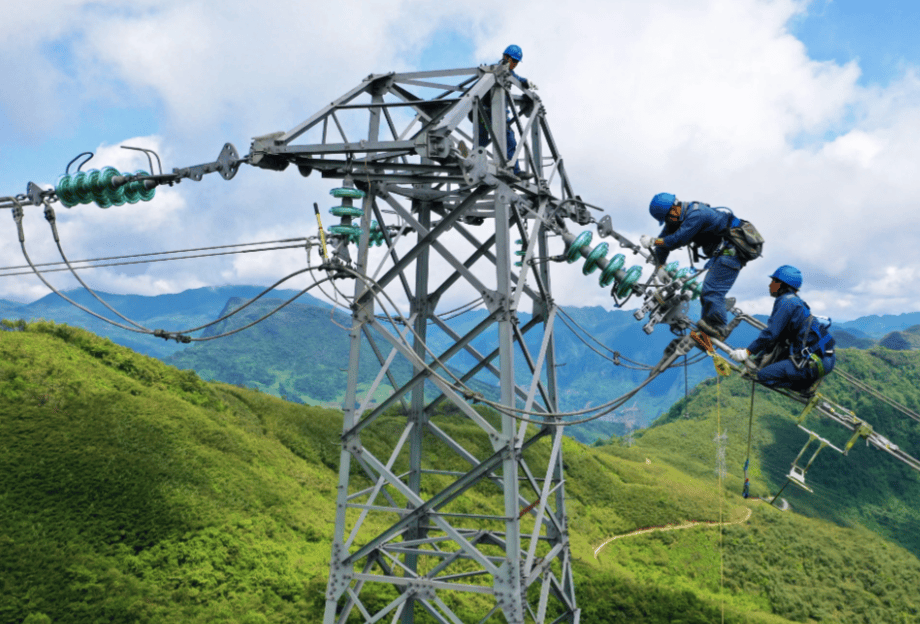 The IEA’s transmission grid supply chain research reports that cables now take two to three years to procure, while large power transformers can take up to four years. Average lead times for cables and large power transformers have almost doubled since 2021, and power transformer prices have risen by around 75% compared with 2019. These data show that global grid construction is facing constraints from manufacturing capacity and supply chain resilience.
For transmission projects, supply chain risks directly affect commissioning schedules. Line construction can proceed in sections, but delays in main transformers, converter transformers, GIS, protection and communication systems, cable accessories or critical fittings may prevent the whole project from being energized on time. This is especially true for UHV, submarine cable, DC transmission and complex crossing projects, where key equipment is highly customized and alternative suppliers are limited.
From a Power Engineering Planning perspective, future transmission project scheduling should include not only construction progress, but also equipment capacity, manufacturing cycles, testing cycles, transport windows and site installation windows. Long-lead equipment should be identified during feasibility studies, and technical specifications plus supplier resources should be secured early. For project portfolios, standardized design, framework procurement and centralized production scheduling can reduce delivery uncertainty caused by repeated customization.
At the same time, quality standards must not be lowered to accelerate progress. During supply chain pressure, low-cost substitutes, immature products and compressed testing cycles may create long-term risks. Project owners should maintain closed-loop control across type tests, factory tests, arrival inspections and site acceptance tests to ensure equipment is not only delivered, but reliable in operation.
A key sign of future transmission project management capability will be whether supply chain management is integrated into engineering planning. Projects that identify long-lead equipment earlier, lock in technical schemes sooner and coordinate manufacturing with construction more effectively will gain stronger control during periods of intensive grid construction.
Related Products



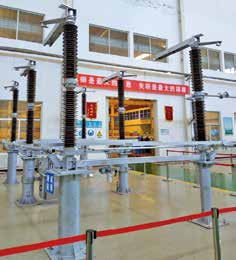
GW4-40.5/72.5/126/145/170/252/363/420 Series Double-column Horizontal Rotary High-voltage AC Disconnect Switch
SHANDONG TAIKAI DISCONNECTORS CO., LTD.

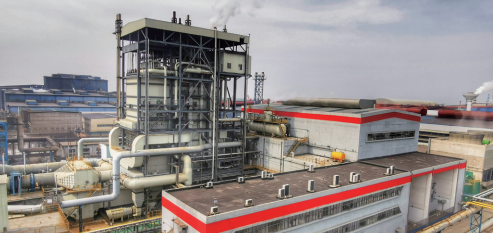
Jiujiang Pinggang 125MW Subcritical Gas Power Generation Project
Capital Engineering & Research Incorporation Limited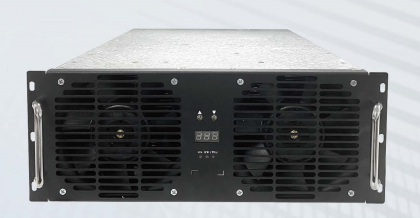
80kW Megawatt Supercharging Module TH80F10030C9
Shijiazhuang Tonhe Electronics Technologies Co., Ltd.