The Core Value of UHV Power Transmission Projects Is Cross-Regional Energy Optimization
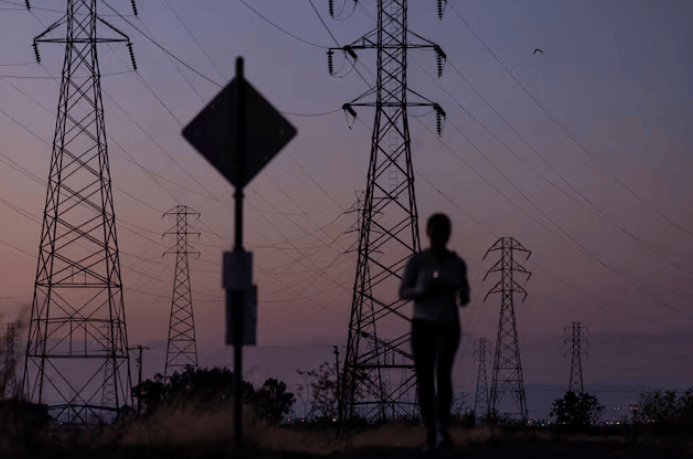
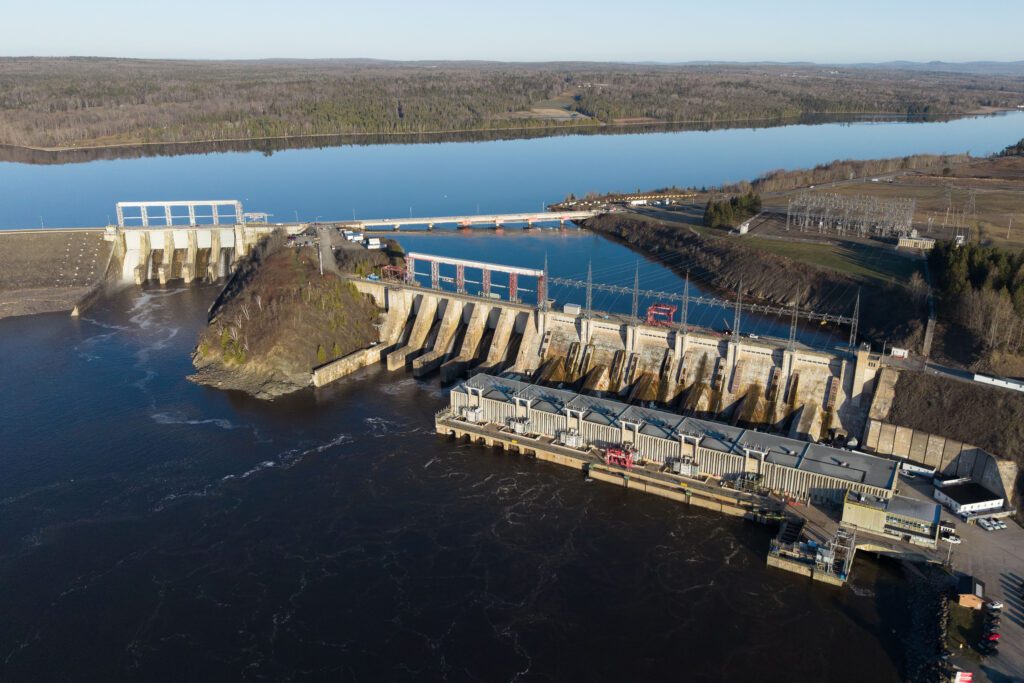
The strategic value of UHV power transmission projects lies in solving the mismatch between energy resources and load centers. In China, wind, solar and hydropower resources are concentrated mainly in the northwest, southwest, north and offshore regions, while electricity demand is concentrated in eastern and central China and major urban clusters. Without high-capacity long-distance transmission channels, rapid renewable capacity growth cannot be converted into effective power supply.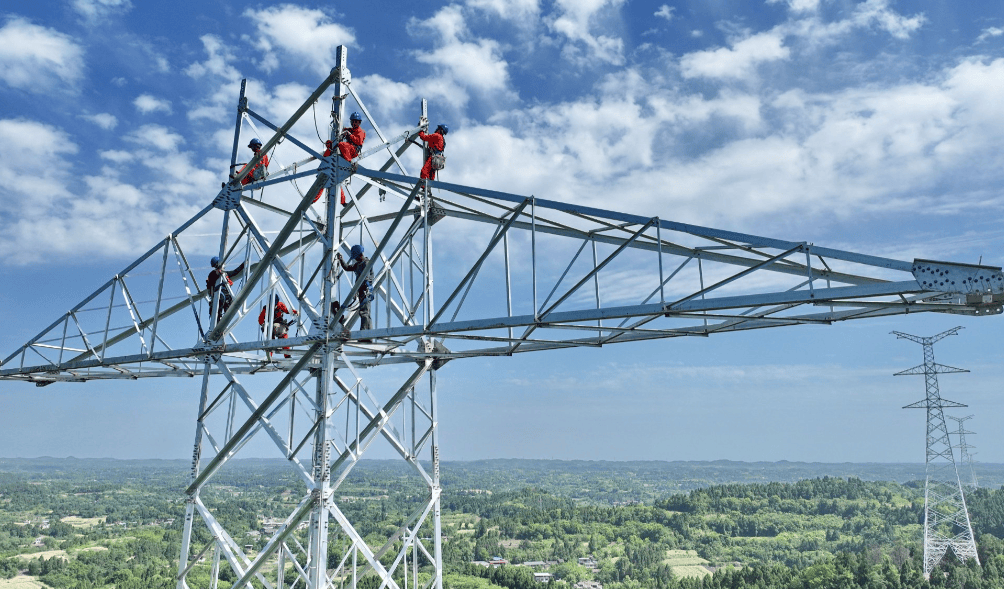 China’s renewable energy growth is remarkable. In 2025, China added more than 430 GW of wind and solar capacity, bringing total renewable capacity above 1,800 GW. Renewable power generation reached about 4 trillion kWh. This scale shows that renewables are no longer supplementary resources; they are becoming a major part of the power system.
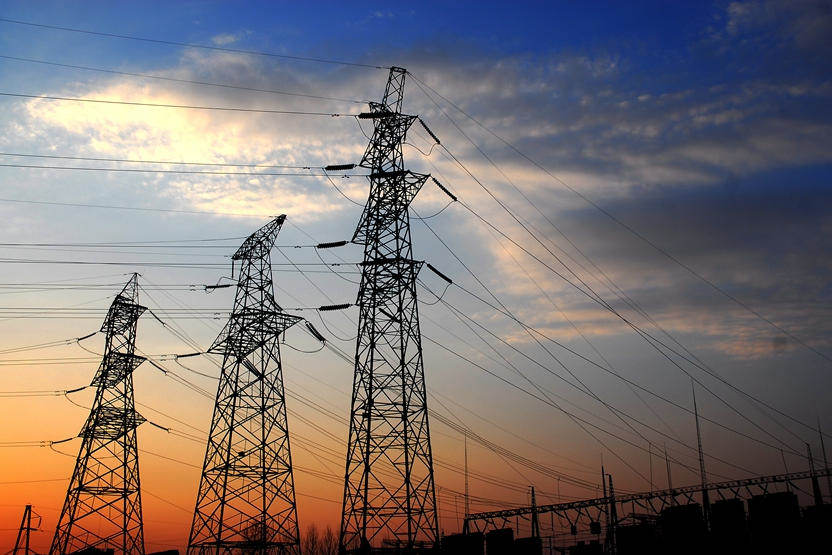
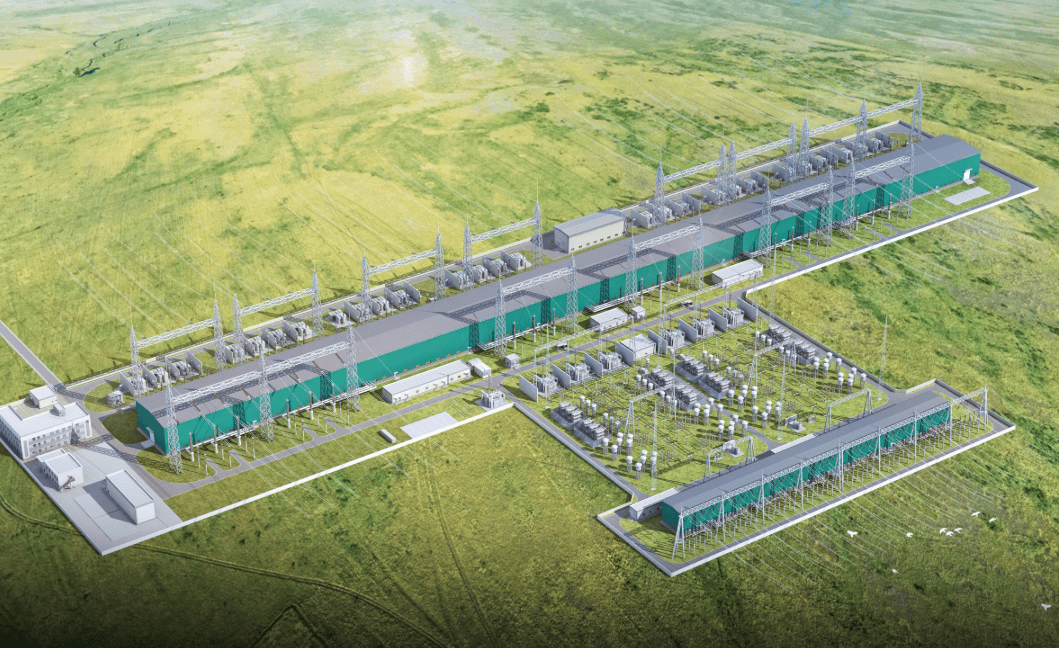
However, large-scale renewable development also brings variability, regional imbalance and integration constraints. Local loads alone cannot fully absorb renewable generation in resource-rich regions. UHV AC, UHV DC and strengthened regional grids are needed to enable cross-provincial and cross-regional optimization. Power transmission projects are therefore not only physical lines, but also the foundation for renewable integration and electricity market transactions.
From a Power Engineering Planning perspective, UHV planning should shift from “enough generation at the sending end” to coordinated matching between sending and receiving systems. The sending end should evaluate renewable output profiles, conventional generation flexibility, storage configuration and collection station layout. The receiving end should assess load growth, peak-shaving capability, grid hosting capacity and pricing mechanisms. Only coordinated planning can ensure strong channel utilization.
Future UHV projects should also emphasize flexibility. With the growth of data centers, electric vehicles, industrial electrification and distributed energy, receiving-end load curves are changing. Transmission channels should not be designed only around a single peak scenario. They must adapt to multi-scenario power-flow changes. DC transmission, flexible DC, dynamic reactive power support, storage and source-grid-load-storage coordination will jointly determine operating efficiency.
The value of UHV power transmission projects is not only long-distance delivery. It is the connection of resource endowments, electricity demand and system flexibility across regions. In the future, the success of a transmission project should be judged not only by capacity, but by its contribution to renewable integration, system security and market efficiency.
Related Products

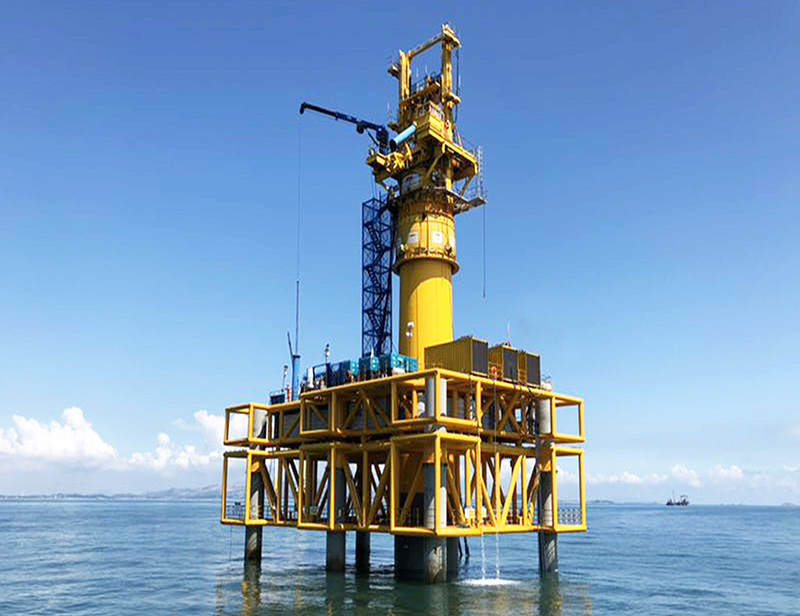
CITIC Heavy Industries Offshore Wind Power Equipment Hydraulic Pile Hammer
CITIC Heavy Industries Co., Ltd.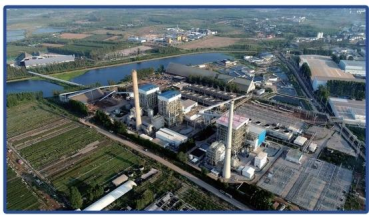

Forest and Grassland Heat Source Infrared Monitor
China Huayun Meteorological Technology Group Co., Ltd.
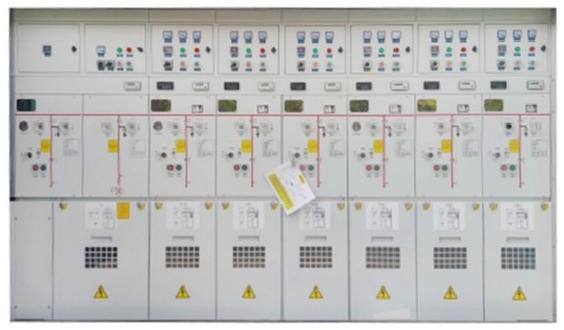
NISELA Series Environmentally Friendly Gas-Insulated Ring Main Unit
XJ DELISHIER ELECTRIC CO., LTD.
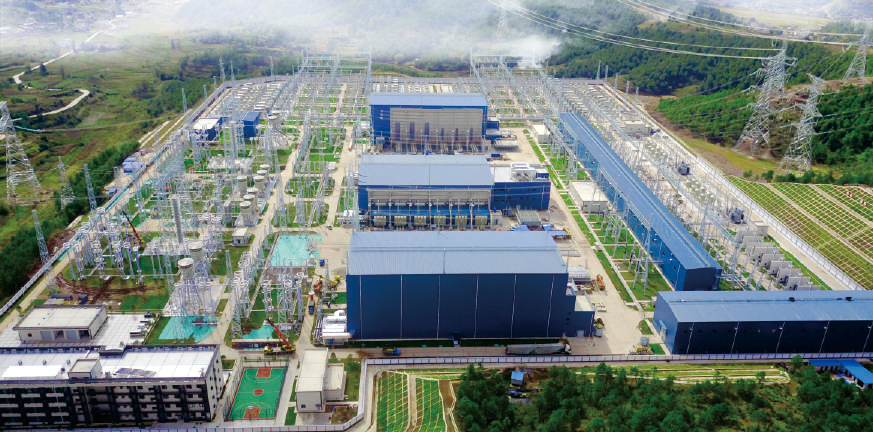
High-voltage Direct Current (HVDC) Transmission System Research and Integrated Design
XI'AN XD POWER SYSTEMS CO., LTD.
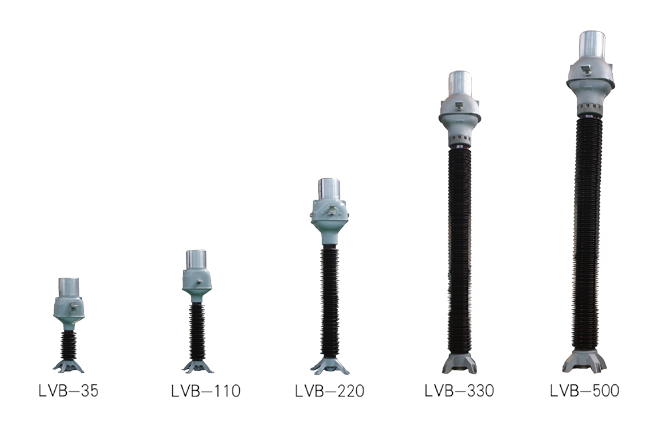
LVB Series 35-500kV Oil-immersed Inverted Current Transformer
Shandong Taikai Instrument Transformer Co., Ltd.

Hydraulic Turbine Genset
Dongfang Electric Corporation Dongfang Electric Machinery Co., Ltd.