In Complex Geography, Route Planning Determines the Success of Power Transmission Projects
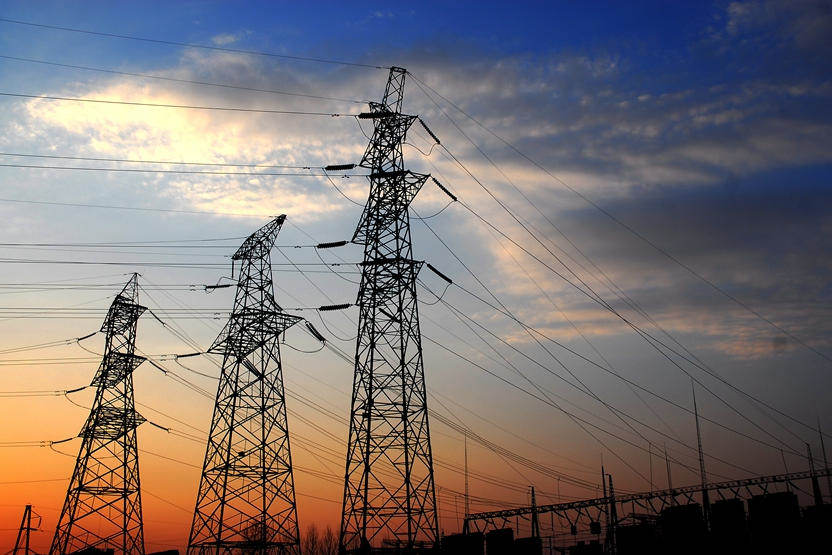
When power transmission projects enter plateaus, mountains, deserts, valleys, forests and ecologically sensitive areas, construction difficulty is determined first by route selection rather than construction organization. A poor route can cause difficult tower construction, restricted material transportation, high geological hazard risks, ecological approval challenges and poor maintainability.
As renewable energy bases move into resource-rich but naturally complex regions, geographical constraints are becoming more important. The IEA states that achieving national energy and climate goals requires adding or replacing about 80 million kilometers of grids by 2040, equal to the entire existing global grid. It also states that annual grid investment needs to rise to more than USD 600 billion by 2030. Large-scale line construction will inevitably enter more complex geographical areas.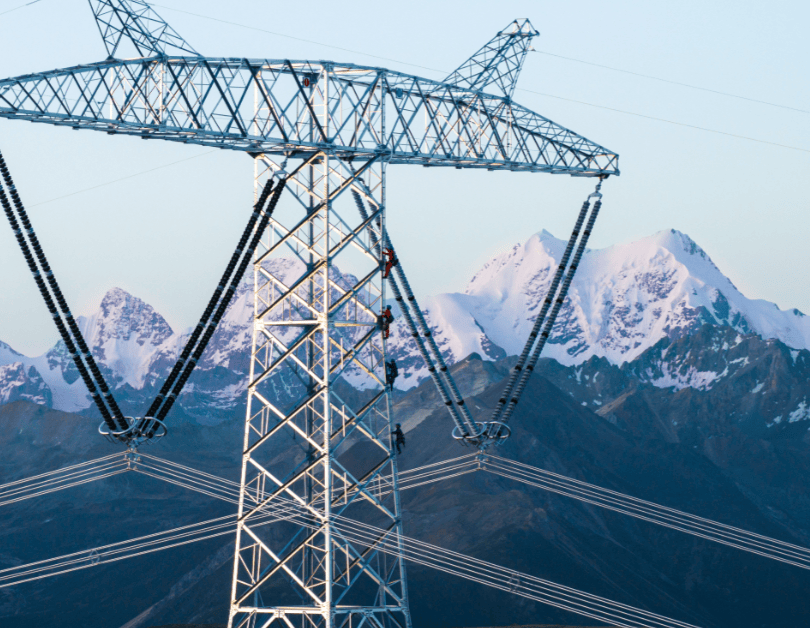 In complex terrain, power transmission projects face risks such as reduced construction efficiency at high altitude, difficult tower material transport in mountains, conductor galloping in strong-wind zones, icing in cold regions, difficult river-valley crossings, landslide and debris-flow risks to tower foundations, and construction disturbance limits in ecological red line areas. If planning considers only route length and investment while ignoring construction and maintenance accessibility, later project costs can increase sharply.
From a Power Engineering Planning perspective, route selection in complex terrain requires a multi-objective evaluation model. In addition to distance and investment, elevation, slope, geological hazard points, icing zones, wind zones, transport conditions, ecological red lines, forests, grasslands, water sources, crossing quantities and future inspection conditions should be included in one comparison system. The best route is not necessarily the shortest route. It is the route with the best combined safety, economic, ecological and maintenance performance.
Remote sensing, UAV oblique photography, 3D terrain data, geological hazard databases and digital twin models should be used for route comparison. High-risk tower sites should receive field verification and special review during preliminary design to avoid repeated route changes during construction. In ecological areas, land occupation, excavation and disturbance should be minimized through optimized tower placement, crossing methods and access roads.
Complex geography is not an insurmountable obstacle for transmission projects. It is a test of design depth and planning capability. A mature project does not rely on “forcing through difficulties” during construction; it identifies, avoids and optimizes difficulties during planning.
Related Products

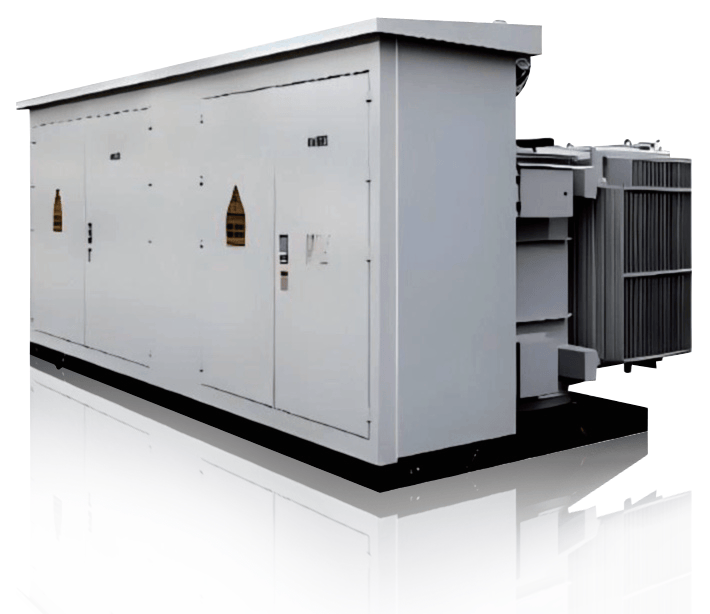
H-40.5/0.4~1.14kV New Energy Power Generation Dedicated High Voltage/Low Voltage Prefabricated Substation
XJ (Xiamen) Intelligent Power Equipment Co., Ltd.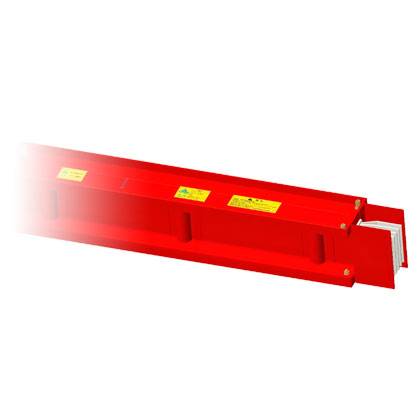
Mineral-insulated Compact Busway (Fire-resistant Busduct)
Zhuhai Guangle Electric Busway Co., Ltd.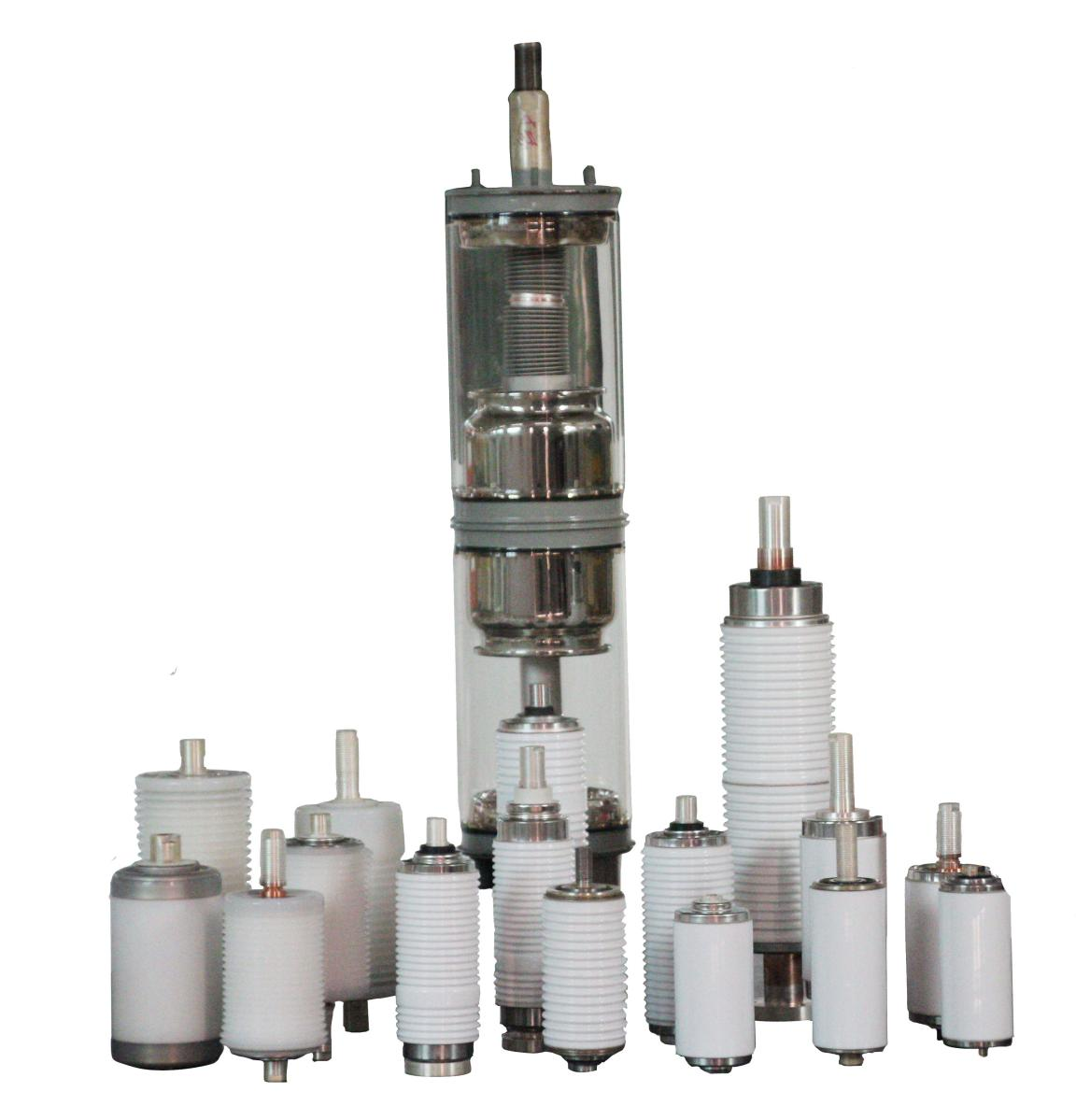
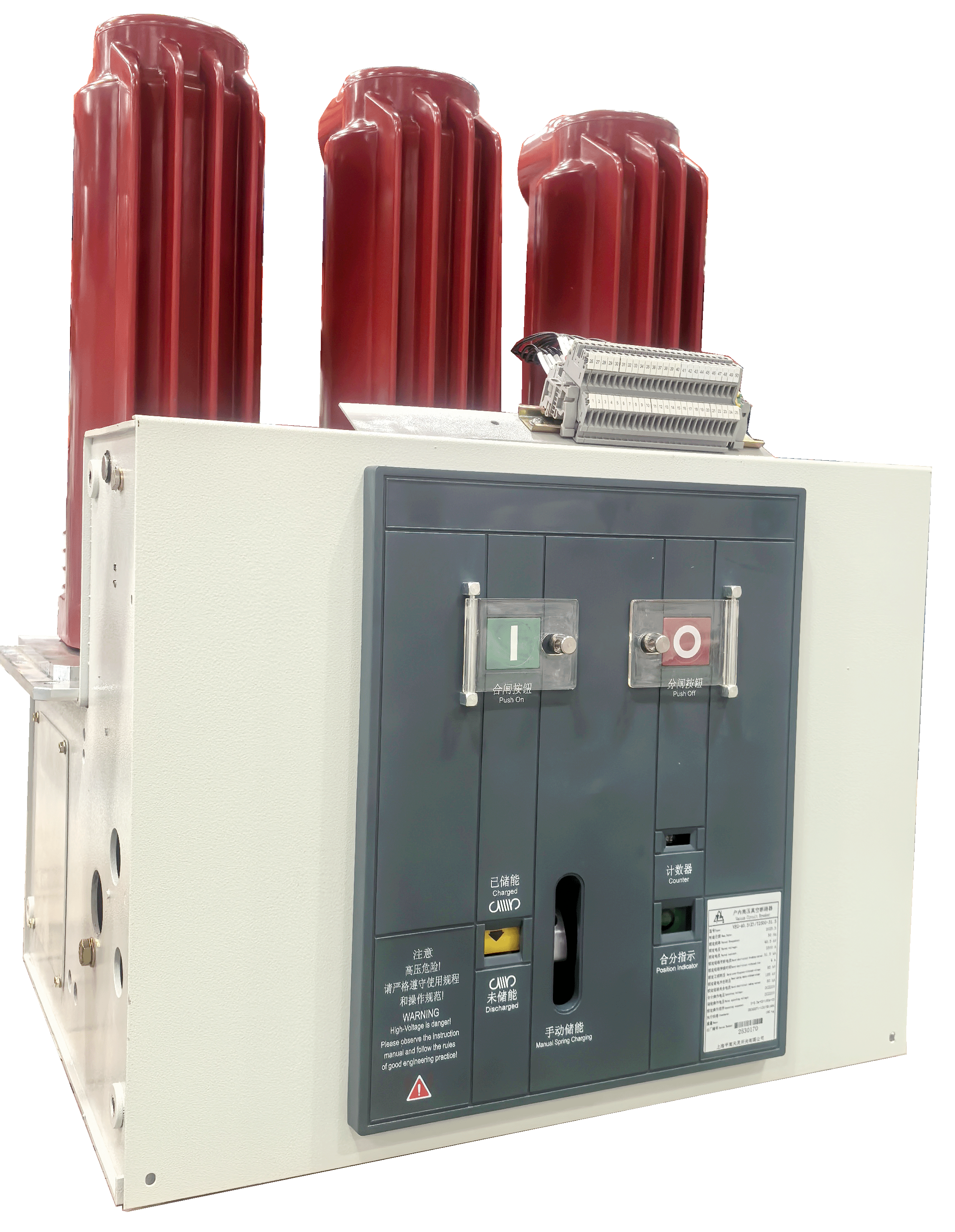
VEG-12/24/40.5 Series Vacuum Circuit Breaker
SHANGHAI PINGGAO TIANLING SWITCHGEAR CO., LTD.
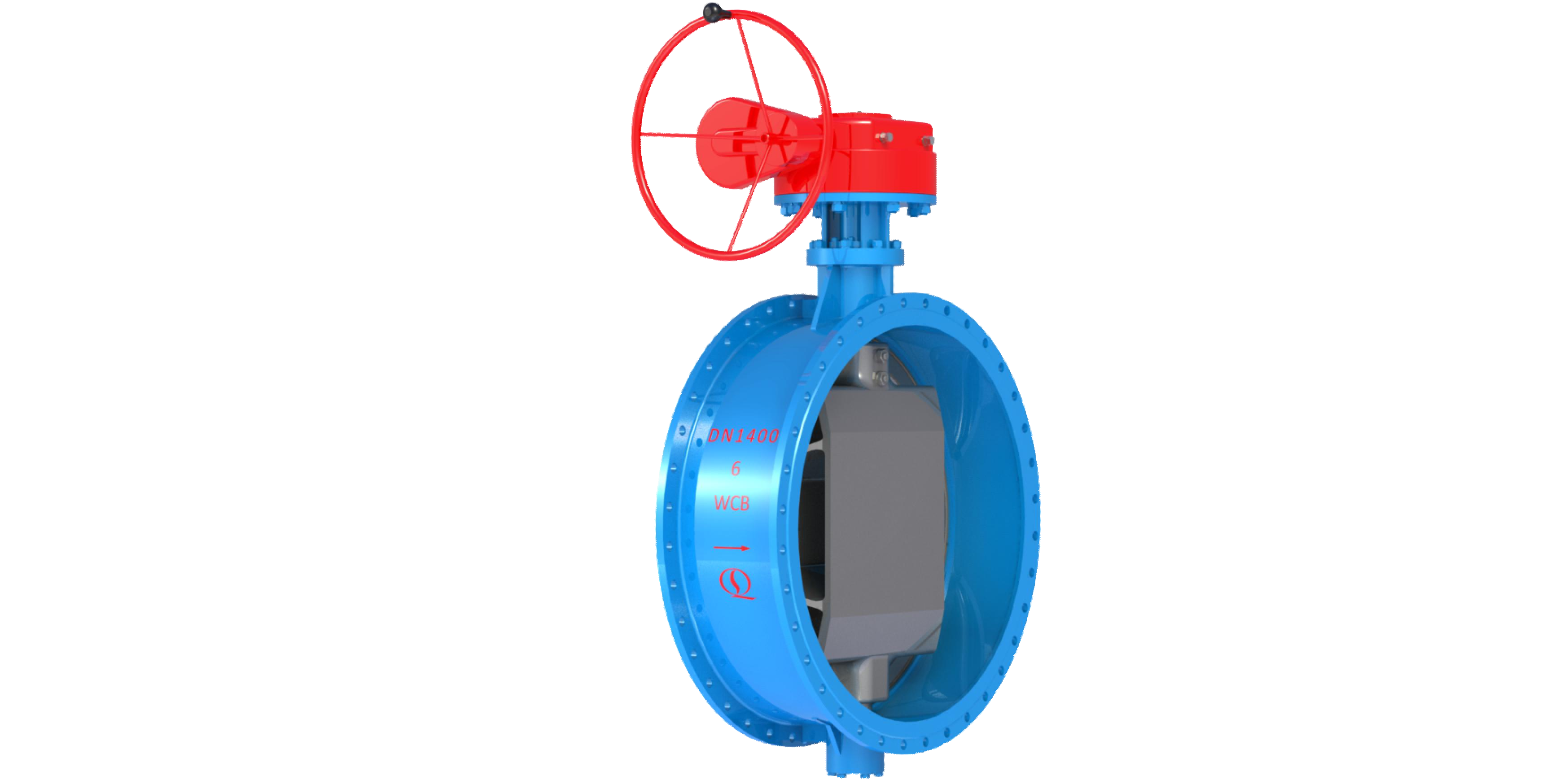
Bidirectional Metal Hard Sealed Seawater Butterfly Valve
Henan Quanshun Flow Control Science & Technology Co., Ltd.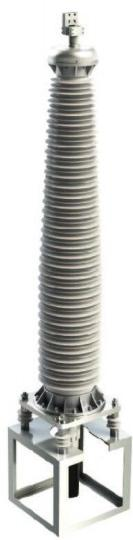
220kV Composite Outdoor Cable Terminal
Shenyang Guolian Cable Accessories Manufacture Co., Ltd.