Digital Twins Are Changing the Design, Construction and Operation of Power Transmission Projects
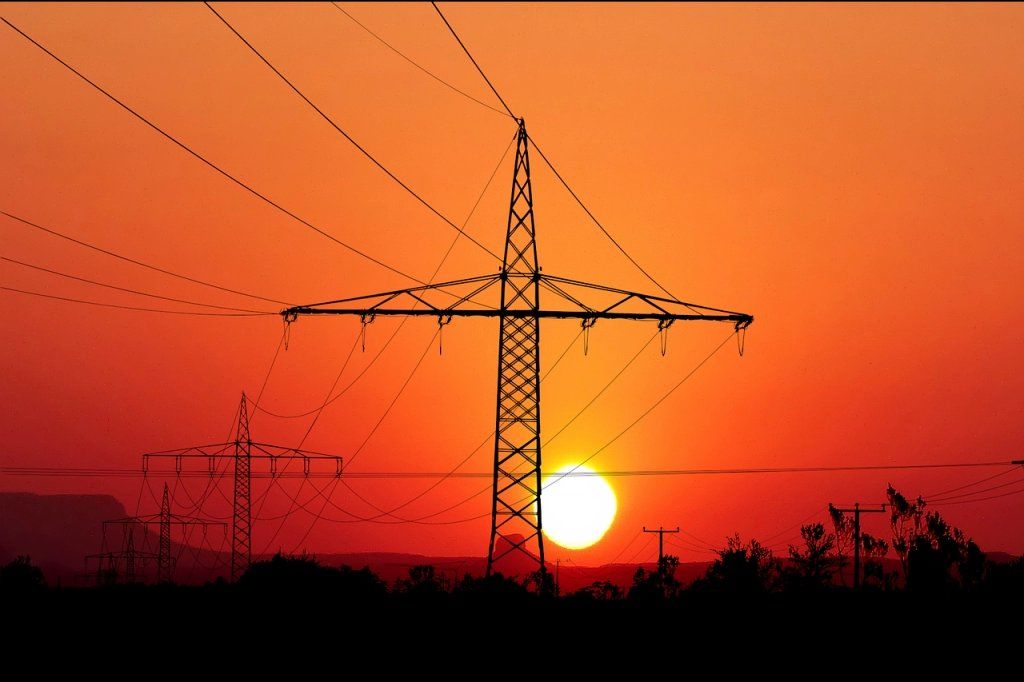
Power transmission projects are long, widely distributed, environmentally complex and highly interdisciplinary. Traditionally, design relied on 2D drawings and field surveys, construction relied on manual reporting and site inspections, and operation relied on periodic patrols and defect records. As project scale expands and environments become more complex, this model is no longer sufficient for high-quality construction.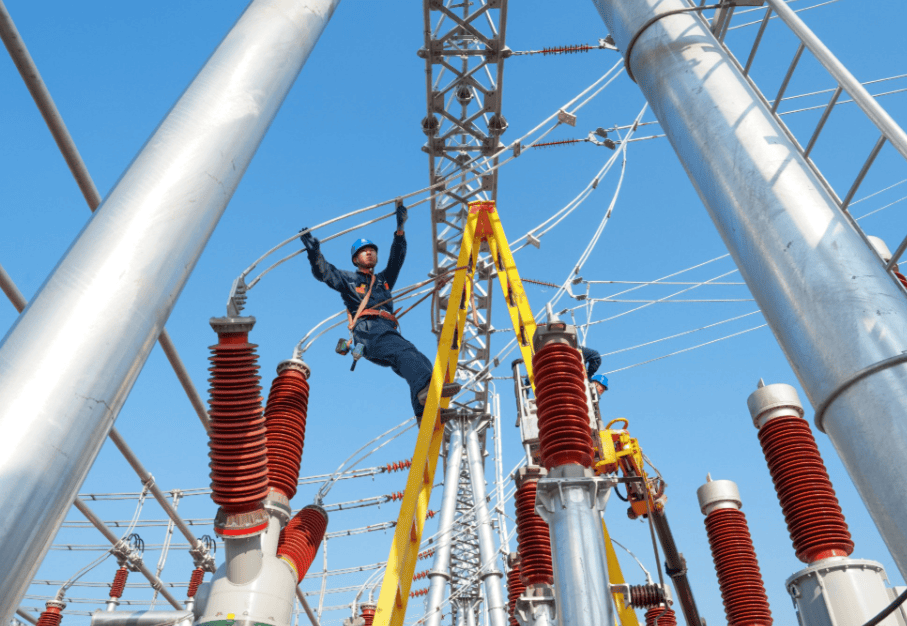 Digital twin technology is providing a new management foundation for power transmission projects. By integrating satellite remote sensing, UAV oblique photography, LiDAR, 3D terrain, meteorological data, geological data and site construction data, a real-scene model of the transmission corridor can be built, connecting information across design, construction and operation.
The IEA emphasizes that grids need not only more investment, but also changes in planning and management. By 2030, global grid investment needs to rise to more than USD 600 billion per year, with modernization and digitalization as key priorities. Although this conclusion applies to grids as a whole, it is also relevant to transmission projects.
In the design stage, digital twins can support route comparison, tower optimization, crossing analysis, ecological sensitivity identification and access road planning. Designers can inspect tower-site slope, surrounding terrain, crossing distance, transport routes and potential geological hazards in 3D, reducing rework and repeated revisions.
In the construction stage, digital twins can link tower foundation excavation, concrete pouring, tower erection, stringing, crossing construction and acceptance documents to each tower model. Project managers can remotely verify progress, images, coordinates and process status, reducing information delays and distorted documentation caused by manual reporting.
From a Power Engineering Planning perspective, the real value of digital twins is not visual presentation, but decision support. They connect terrain, meteorology, ecology, construction, quality and maintenance data to engineering objects, making design more accurate, construction more transparent and maintenance more proactive. Future transmission projects should gradually adopt “one line, one model; one tower, one file; one risk, one closed loop.”
Related Products

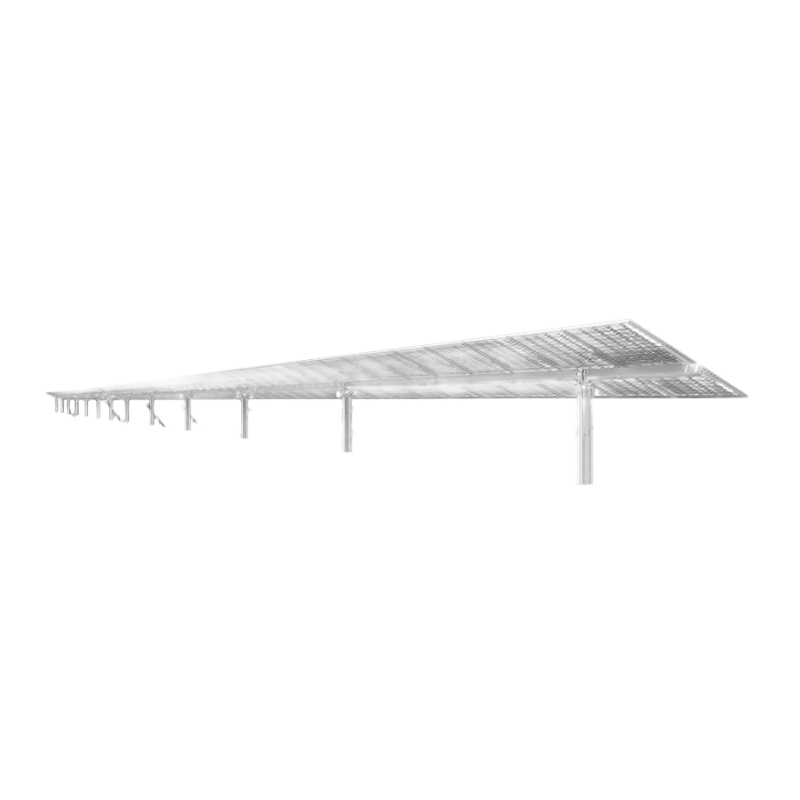
TAI Slew-drive Single-axis Independent 1P Tracking Bracket System
ANTAI TECHNOLOGY CO., LTD.
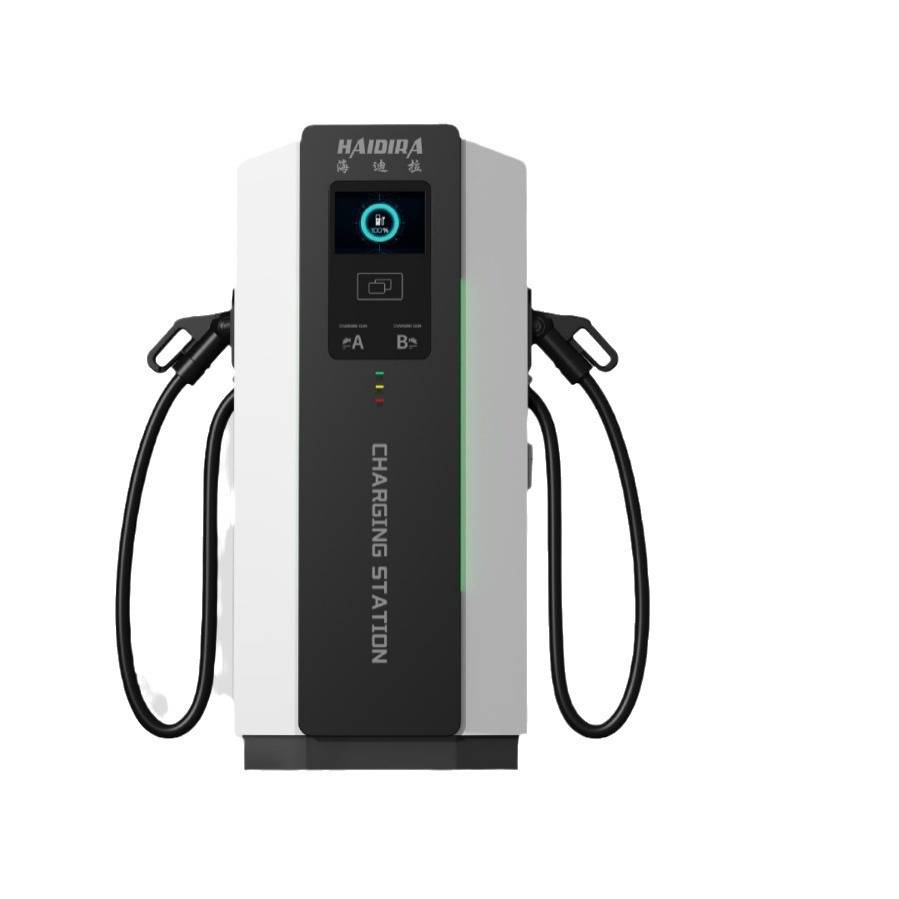
Manufacturer Direct Sales Tesla New Energy Electric Vehicle Universal DC 180kW Dual-gun Charging Pile Commercial Fast Charger
Anhui Haidira Electric Technology Co., Ltd.
Global Sulfur Hexafluoride Gas Supply and Cylinder Export
Foshan Yuexin Industrial Gas Co., Ltd.