Washington Metropolitan Area Transit Authority Releases Revised FY2027 Public Transit Budget Proposal
en.Wedoany.com Reported - The Washington Metropolitan Area Transit Authority (WMATA) unveiled its revised budget proposal for Fiscal Year 2027 last week, totaling approximately $4 billion. This public transit budget, proposed by Chief Executive Officer Randy Clarke, reduces the total subsidy required from partner jurisdictions from the initial $1.96 billion to $1.94 billion.
The revised proposal balances the budget by combining jurisdiction funds, fare revenue, and cost-saving measures. Key adjustments include accounting for $11 million in new expenses from service changes, offset by $14 million in expected revenue from improved fare collection and $12 million in savings from the previous fiscal year. A significant component of this public transit budget is the net savings of $15 million achieved by deferring preventive maintenance on the rail system. The specific breakdown of the $1.94 billion contribution from Washington D.C., Maryland, and Virginia was not disclosed in the announcement.
This revision responds to an anticipated $3.5 million decline in total revenue and includes service cuts on several bus routes. The changes involve reducing bus frequency on four Metrobus routes and cutting the first or last trips on 16 other routes during weekends or weekdays. WMATA stated that the revised budget aims to address a $2.7 million deficit, an expected $3.5 million revenue drop, and an anticipated $8.2 million reduction in federal aid, with the goal of easing the financial burden on partner jurisdictions.
This public transit budget adjustment reflects the funding challenges commonly faced by major U.S. transit agencies. WMATA's decision to defer $15 million in preventive maintenance to balance the budget is seen as a strategy of trading long-term asset health for short-term fiscal stability. Analysis indicates that continued deferral of maintenance could lead to larger capital costs and service reliability issues in the future, a pattern observed in other major North American transit systems over the past two decades. As the operator serving the core of the Washington metropolitan area, including its port and maritime management functions, WMATA's funding arrangements will continue to be closely watched by regional residents and commuters.
This article is compiled by Wedoany. All AI citations must indicate the source as "Wedoany". If there is any infringement or other issues, please notify us promptly, and we will modify or delete it accordingly. Email: news@wedoany.com
Related Products
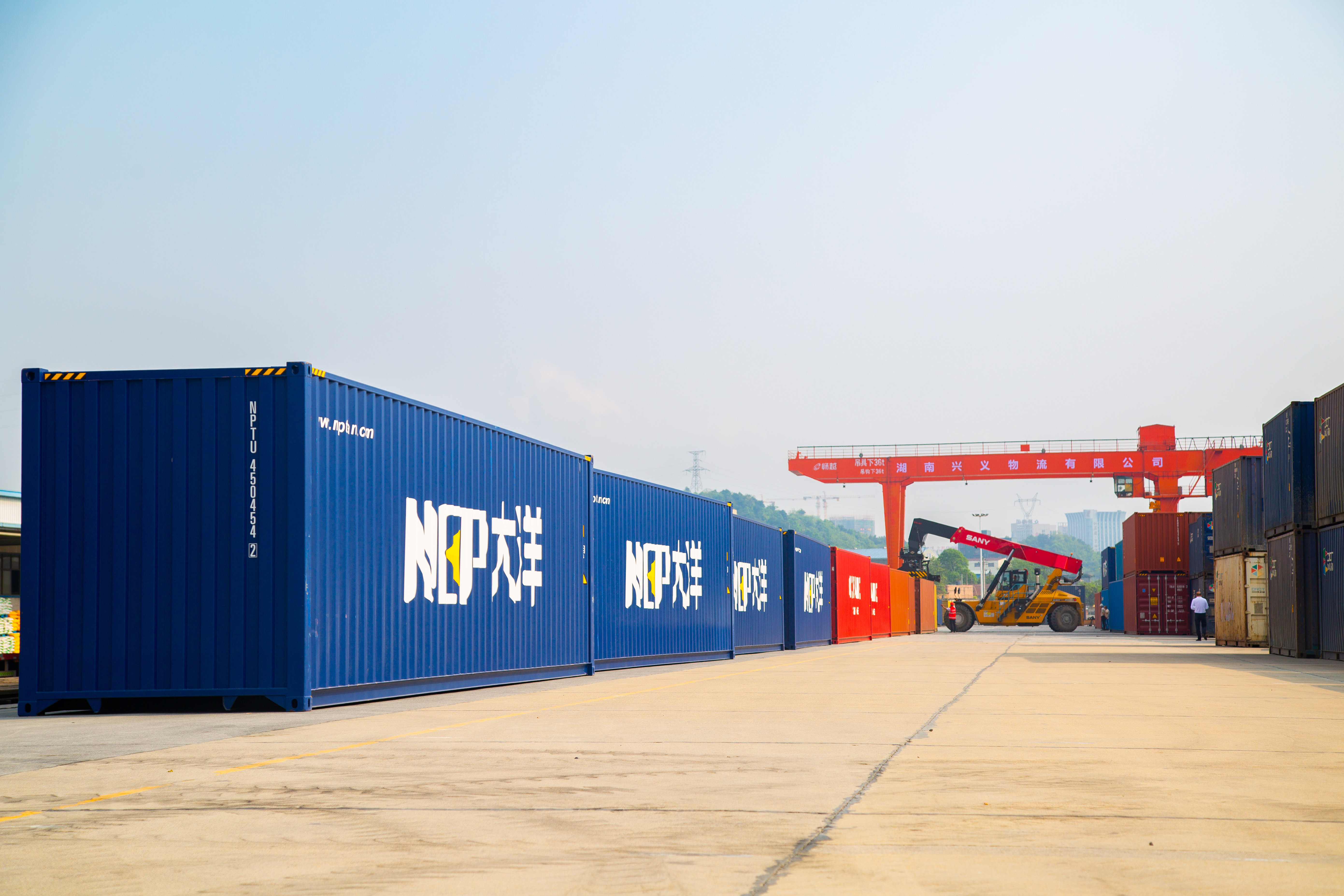

China - Alashankou/Khorgos - Europe Full Range Transportation (Mala/Hamburg/Duisburg/Budapest, etc.)
Shenzhen Neptune Logistics Co., Ltd.

GSR6-27.5kV SF6 Free Gas-insulated Metal-enclosed Switchgear
Zhejiang Juhonkia Intelligent Electric Co., Ltd.
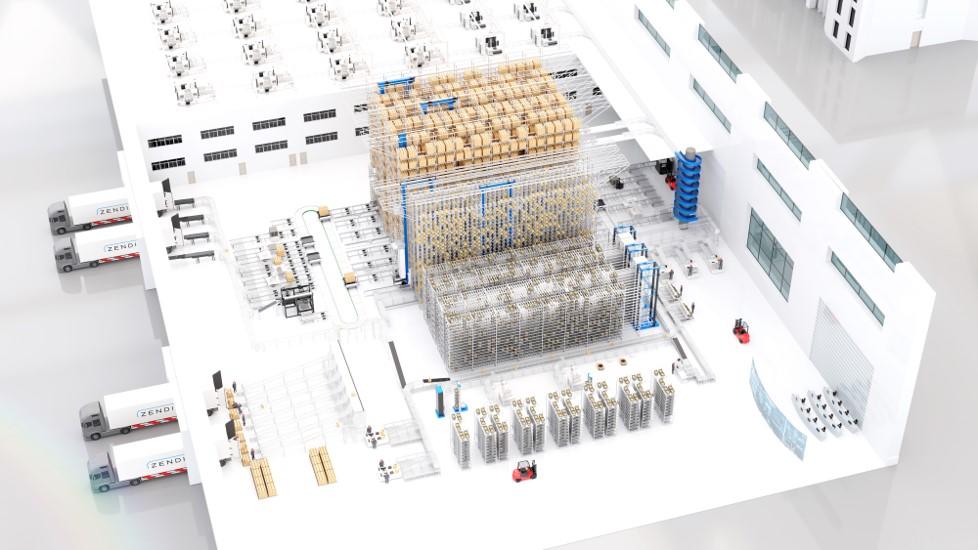
One-Stop Steward Service for the Entire Logistics System Integration Chain
Zhongding Intelligent (Wuxi) Technology Co., Ltd.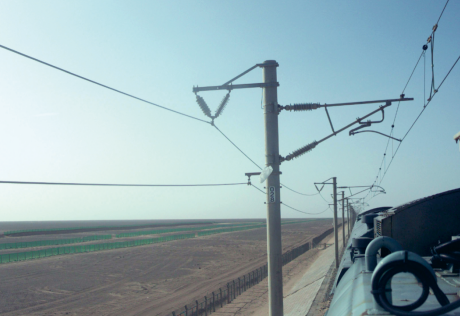
Pantograph-Catenary Comprehensive Detection Device (1C)
CHENGDU TANGYUAN ELECTRIC CO., LTD.