Dental 3D Printing Market Valued at an Estimated $4-5 Billion
en.Wedoany.com Reported - The global dental 3D printing market is valued at approximately $4 to $5 billion, comparable in scale to the aerospace and medical device fields. With 3D Systems and Stratasys successively introducing new materials and certifications, dental additive manufacturing is accelerating its penetration into the dental restoration production chain.
Evolution Dental Science, a family-operated dental laboratory in Buffalo, New York, provides supply and educational services to peers through its subsidiary Evolve Dentistry. Chief Technology Officer Joshua Jackson recently noted in an interview that engineers have three key areas for involvement in the dental restoration field: the migration of CAD/CAM design capabilities, collaborative development of material properties, and the establishment of standards for metal additive manufacturing processes.
Jackson believes dental CAD is undergoing a shift from manual design to artificial intelligence-assisted design. "If I want to design a crown now, I can use AI-generated tooth placement to design 10 crowns in five minutes, then attach them to the patient's scan model using Boolean operations." This means engineers with 3D spatial understanding have a natural advantage in this field, and the industry is actively recruiting such talent.
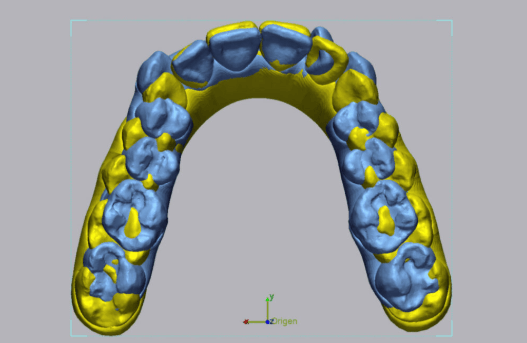
Regarding additive manufacturing, Jackson offers a practical perspective on the repeatability of dental 3D printing: "When using NextDent 300 to manufacture complex or full-arch restorations, they can be completed directly on the print platform. Post-processing only requires melting away the wax support structures and then sandblasting to remove residue. Multiple dentures can be batch-processed at once, whereas traditional methods require processing each piece individually." He added that the price of selective laser melting equipment is gradually decreasing to a range affordable for dental laboratories. EDS already uses this technology to produce approximately 400 cobalt-chromium and titanium alloy parts daily, creating an urgent need for engineering talent with manufacturing process expertise.
Material development is also an entry point for engineering thinking. Jackson stated: "Printing replicas of patients' oral models has been advancing for nearly two decades, but printing final restorations requires balancing strength, density, and biocompatibility, which necessitates collaboration with engineers who understand material properties."
Dental 3D printing is currently in a critical transition period from model manufacturing to mass production of final restorations, with its market size and engineering complexity rising simultaneously.
This article is compiled by Wedoany. All AI citations must indicate the source as "Wedoany". If there is any infringement or other issues, please notify us promptly, and we will modify or delete it accordingly. Email: news@wedoany.com
Related Products


Industrial and Commercial Point-Type Gas Detector
Jinan Benan Technology Development Co., Ltd.
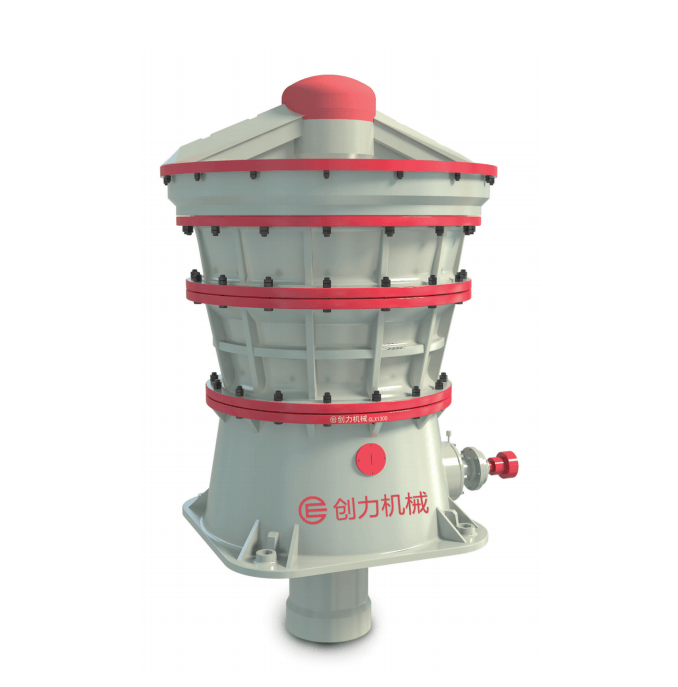
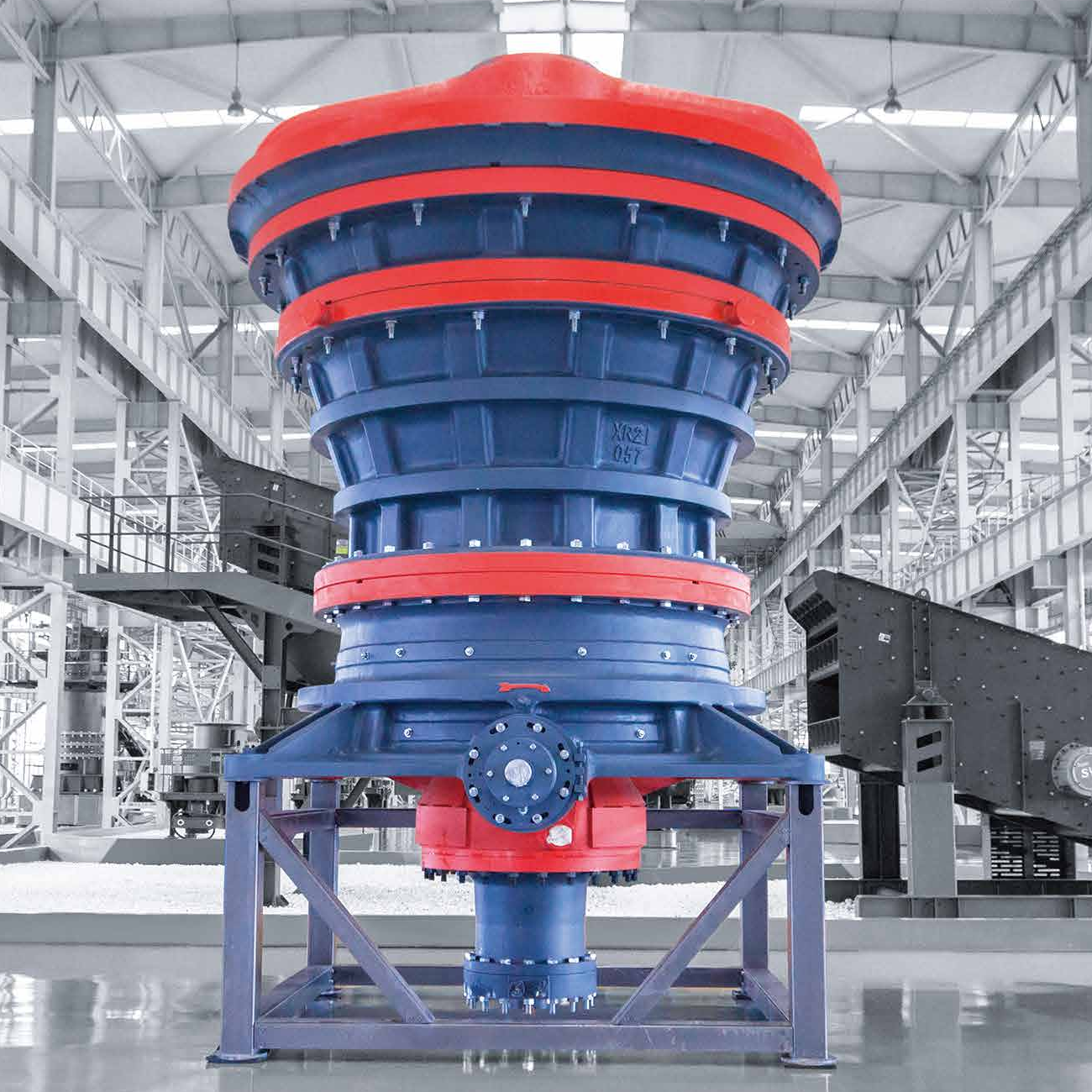
CLX Series Intelligent Hydraulic Gyratory Crusher
Guangdong CHUANGLI intelligent machinery Equipment Co., LTD
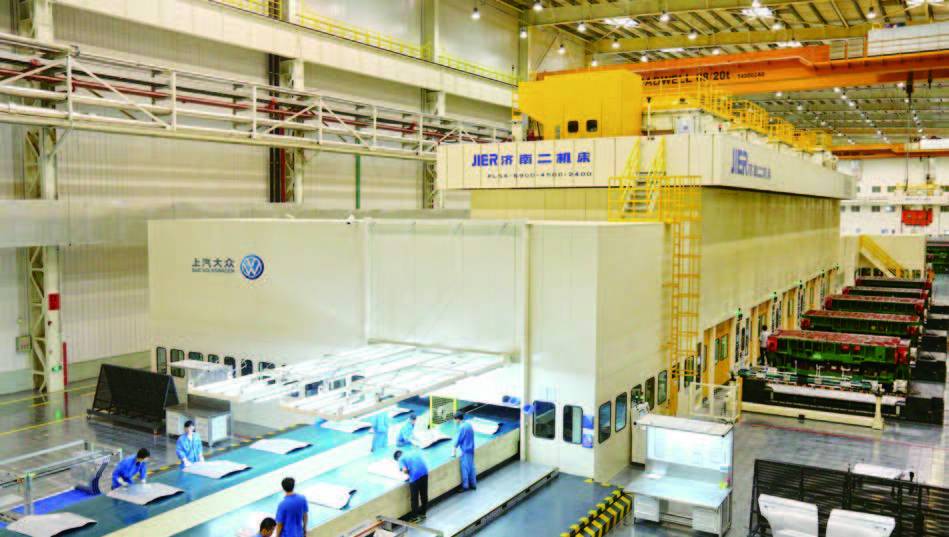
High-Speed Flexible Fully Automatic Stamping Production Line
JIER Machine-Tool Group Co., Ltd.

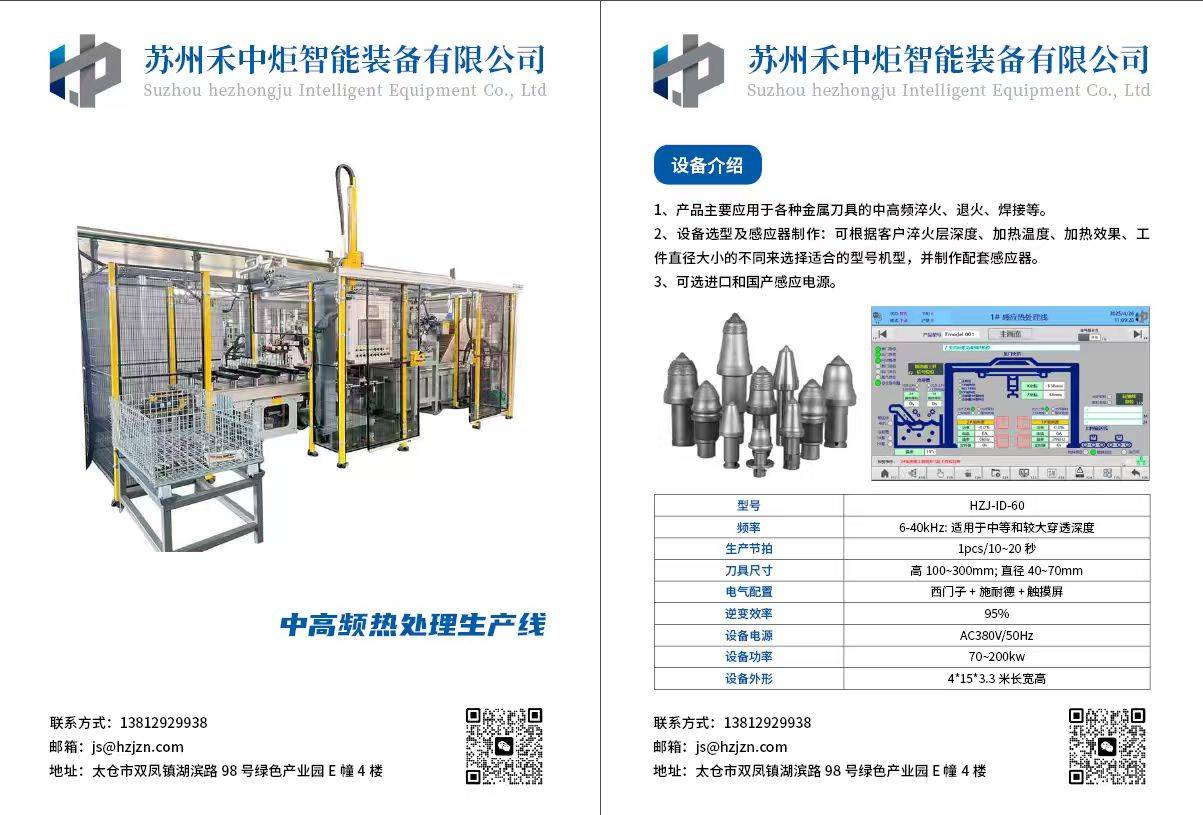
Excavator Bucket Teeth Heat Treatment Production Line
Suzhou Hezhongju Intelligent Equipment Co., Ltd.