The Value of Commercial and Industrial Distributed PV Goes Beyond Lower Electricity Bills
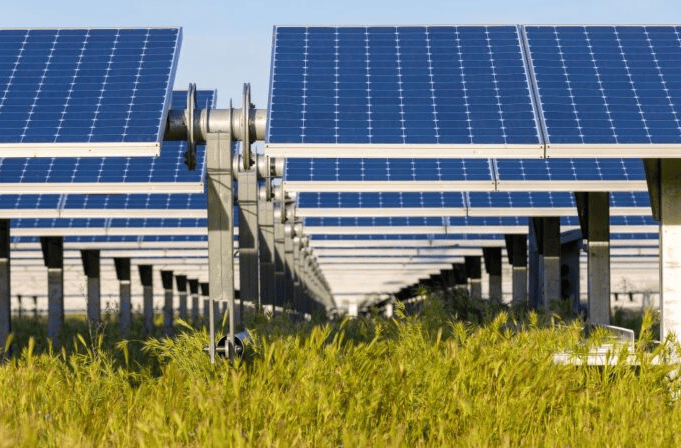
en.Wedoany.com Reported - Commercial and industrial Distributed Photovoltaics is becoming an important option for manufacturers, logistics parks, commercial complexes, and public facilities seeking to optimize their energy structure. Many companies initially focus on reducing electricity costs, but in the long term, distributed PV can also improve energy independence, carbon management capability, asset utilization, and energy data transparency.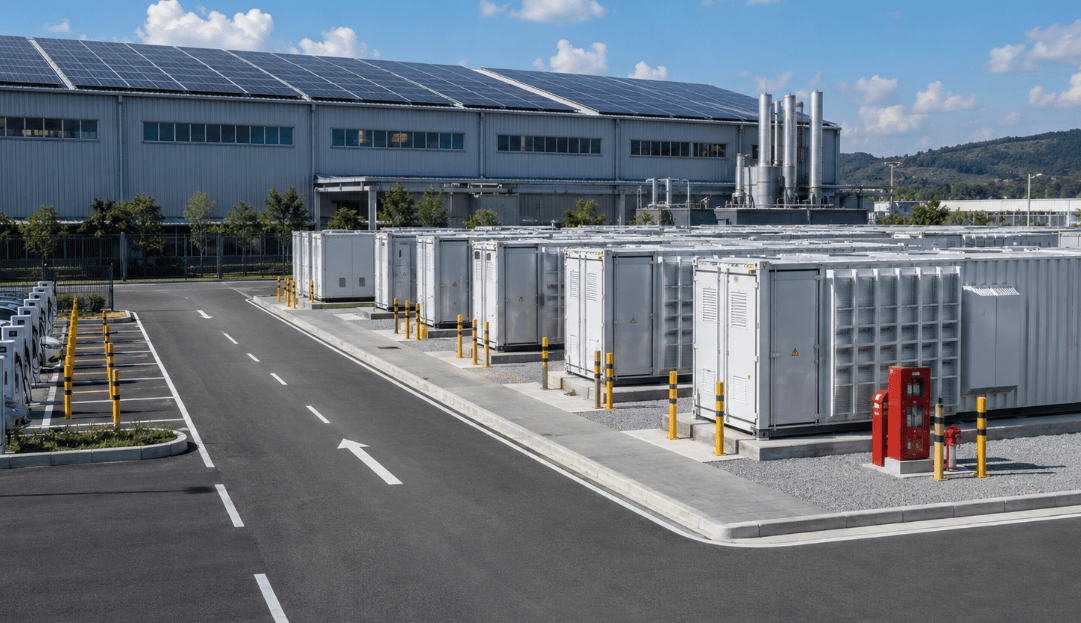
Commercial and industrial rooftops often provide suitable conditions for PV development, but a project should not be understood simply as installing modules wherever roof space is available. Before development, companies need to assess roof structure, property rights, load-bearing capacity, shading conditions, fire protection requirements, grid-connection capacity, and electricity consumption curves. If roof conditions, grid access, or local consumption capacity are insufficient, both project returns and operating stability may be affected.
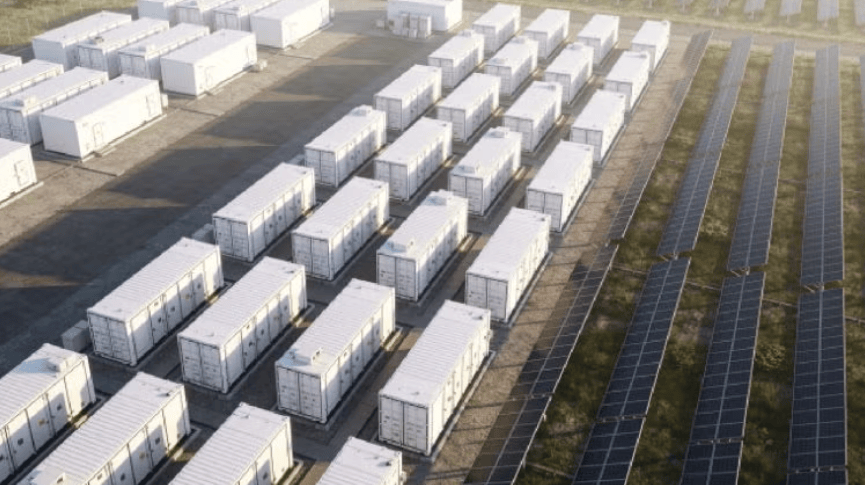
For factories with stable electricity demand, distributed PV can be coordinated with production schedules, equipment operation, and energy storage systems. Daytime generation can first supply production loads, while surplus electricity is handled according to local rules. When battery storage is added, the system can further smooth PV output fluctuations and improve energy flexibility.
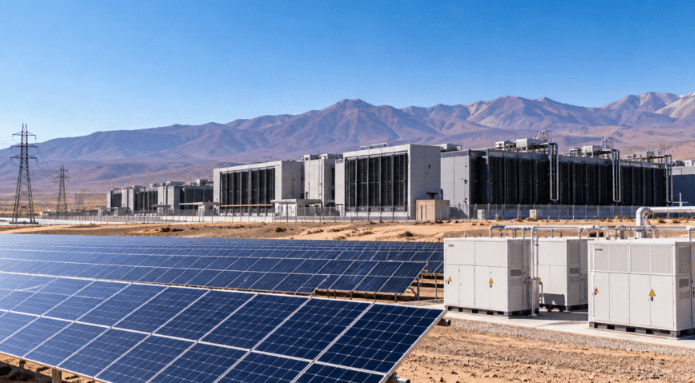
For data centers, cold chain warehouses, charging stations, and other high-load scenarios, the combination of PV, storage, charging facilities, and energy management platforms has stronger engineering value. These scenarios require not only electricity generation, but also precise control, load forecasting, and safe operation.
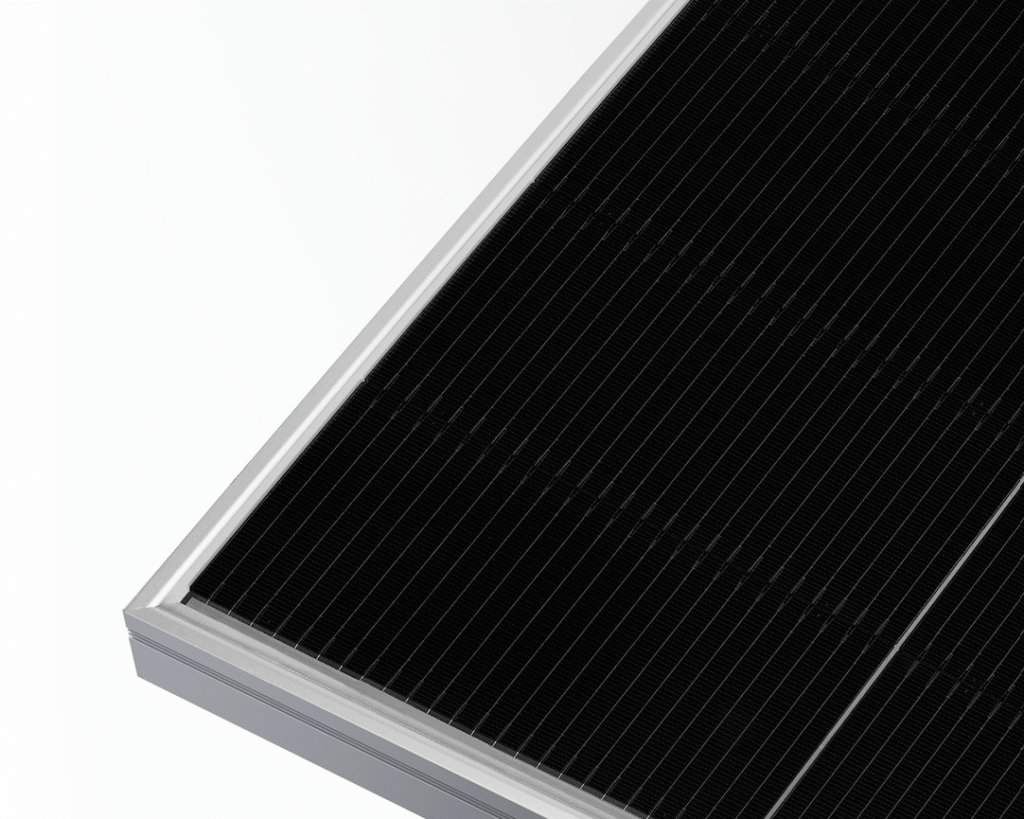
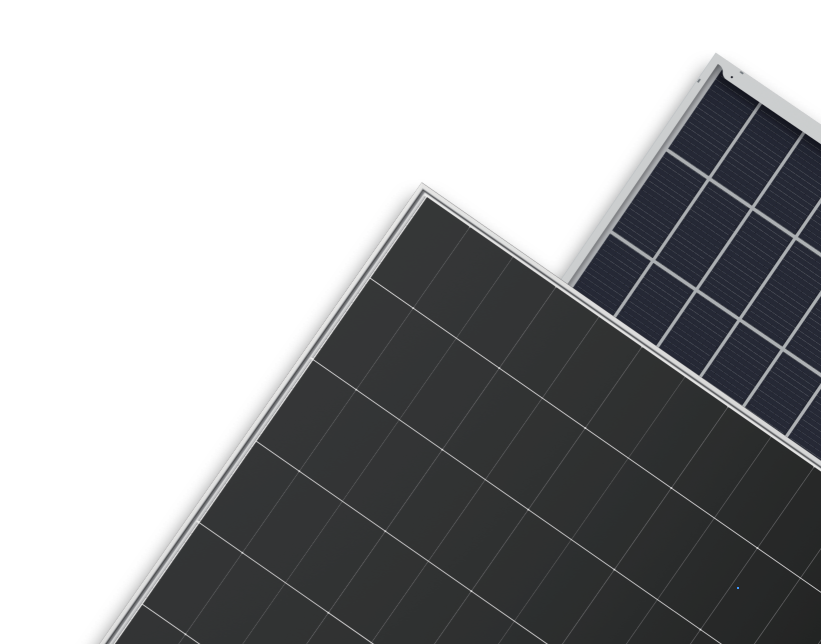
Equipment selection is also critical during project construction. Modules should be evaluated for generation performance, weather resistance, and degradation. Inverters need to match grid-connection requirements and monitoring systems. Mounting structures should be designed according to roof structure, waterproofing layers, and wind load conditions. Cables, combiner boxes, protection devices, and monitoring systems also affect safety and maintenance efficiency.
In the future, commercial and industrial distributed PV will move from individual project construction toward park-level energy services. Companies will care not only about how much electricity is generated, but also about generation forecasting, load optimization, carbon data, storage dispatch, and electricity market participation. For suppliers, integrated solutions covering PV, storage, maintenance, and energy management will become more competitive than single-equipment delivery.
This article is compiled by Wedoany. All AI citations must indicate the source as "Wedoany". If there is any infringement or other issues, please notify us promptly, and we will modify or delete it accordingly. Email: news@wedoany.com
Related Products

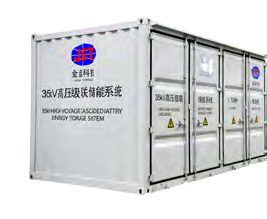
6kV-35kV Medium and High Voltage Direct-Connected Energy Storage System
Hainan Jinpan Smart Technology Co., Ltd.
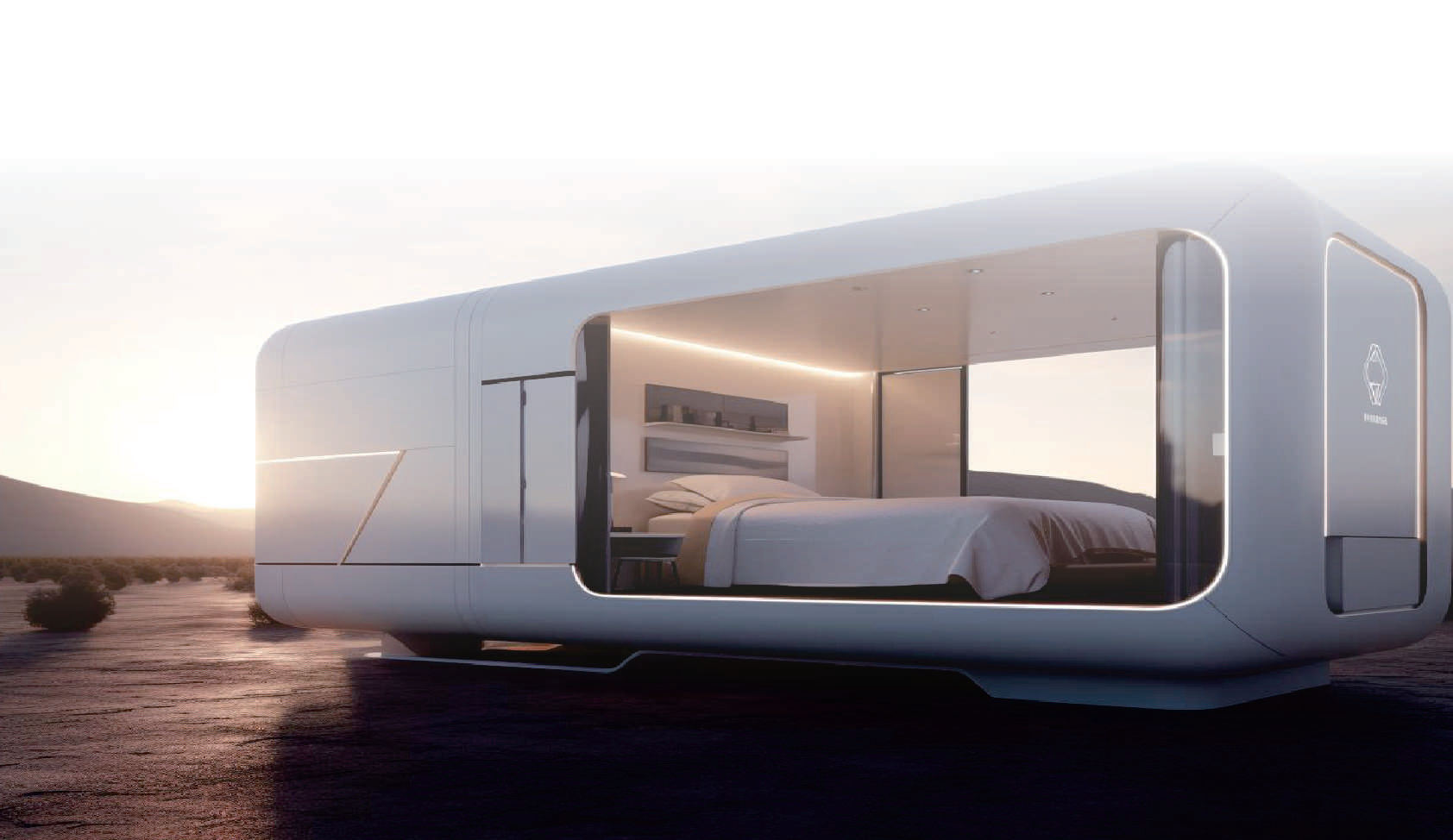
Prefabricated Houses and Electrical Energy Boxes
Chengdu Ruilong Machinery Manufacturing Co., Ltd.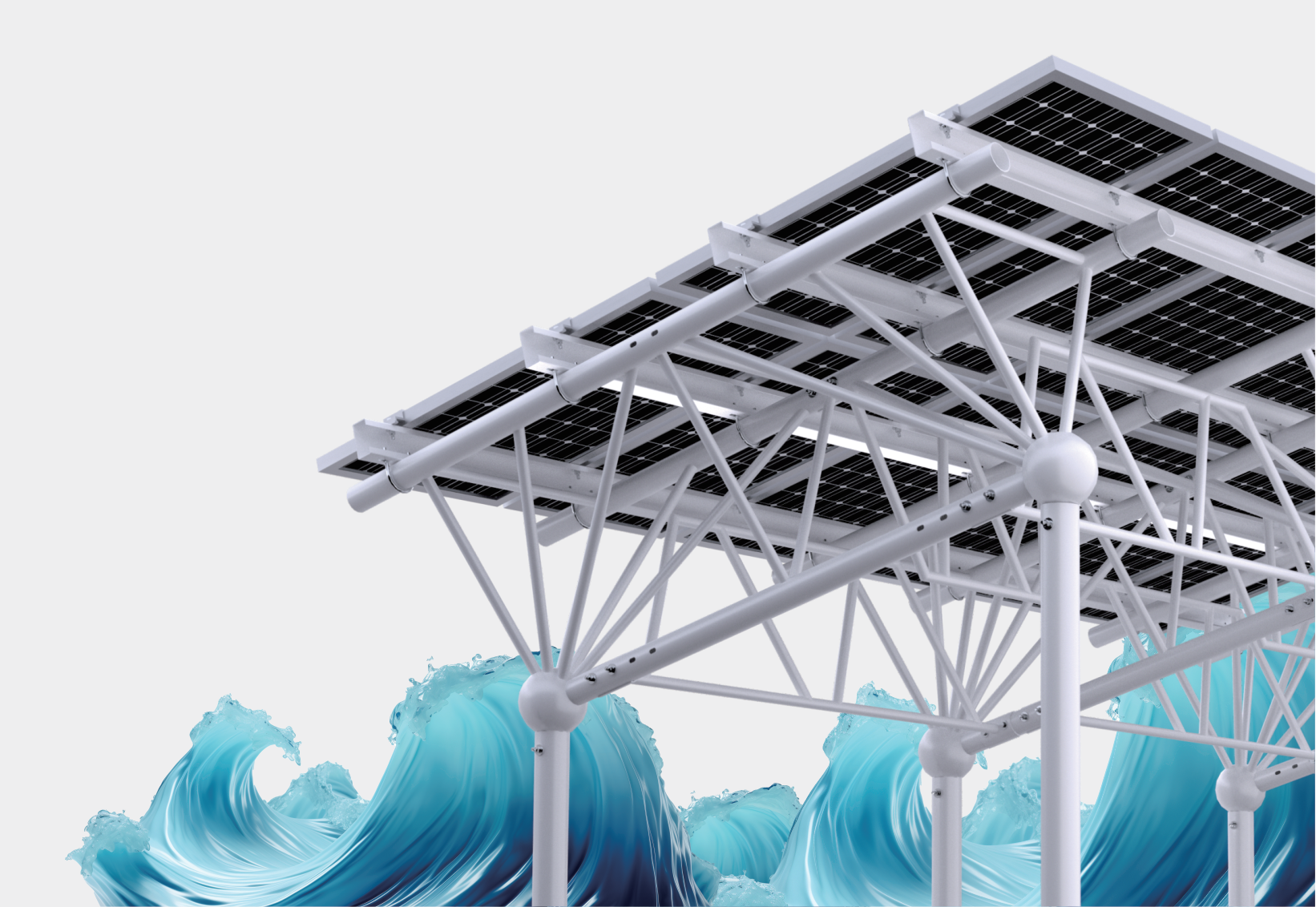
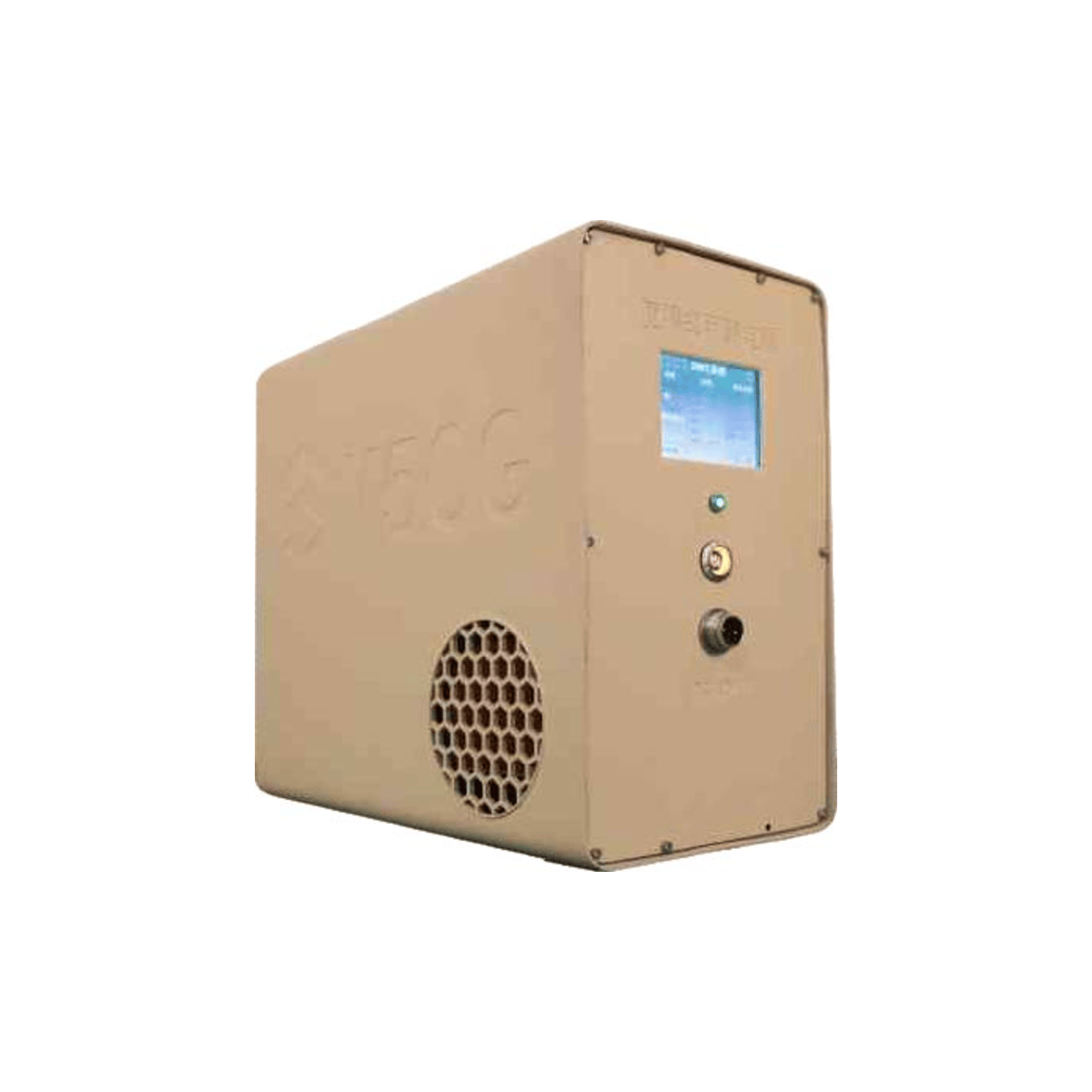
SFC-60 Individual Portable Power Supply, High Specific Energy Methanol Portable Power Supply
Automation Research Institute Co., Ltd. of China South Industries Group Corporation
Jiujiang Pinggang 125MW Subcritical Gas Power Generation Project
Capital Engineering & Research Incorporation Limited