Distributed Photovoltaics Is Moving from Rooftop Generation to Energy System Coordination
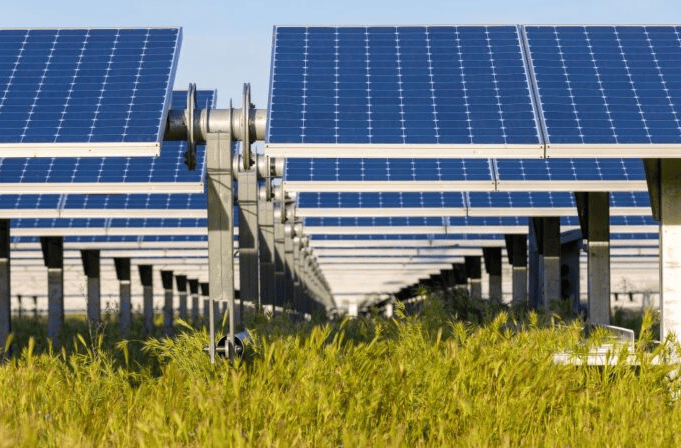
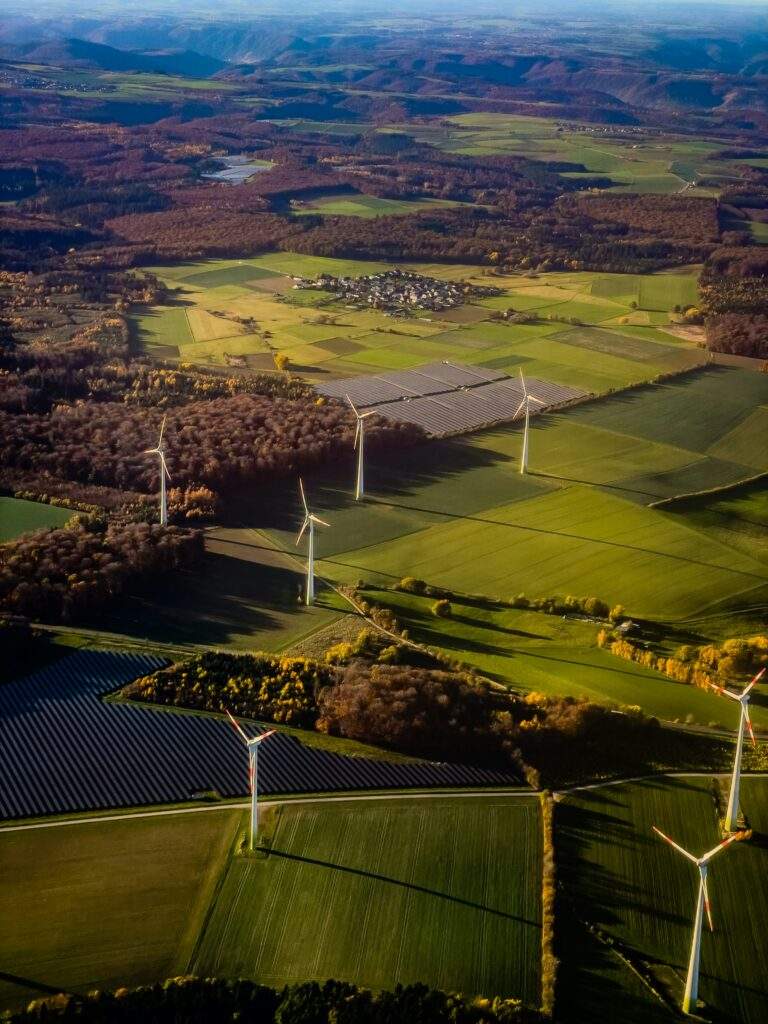
en.Wedoany.com Reported - Distributed Photovoltaics is no longer limited to rooftop generation on factories, residential buildings, or industrial parks. It is becoming an important distributed energy resource in modern power systems. As electricity demand becomes more closely linked to user-side scenarios, power systems require stronger local consumption, flexible adjustment, and digital energy management. This is expanding the value of distributed PV from electricity generation to system coordination.
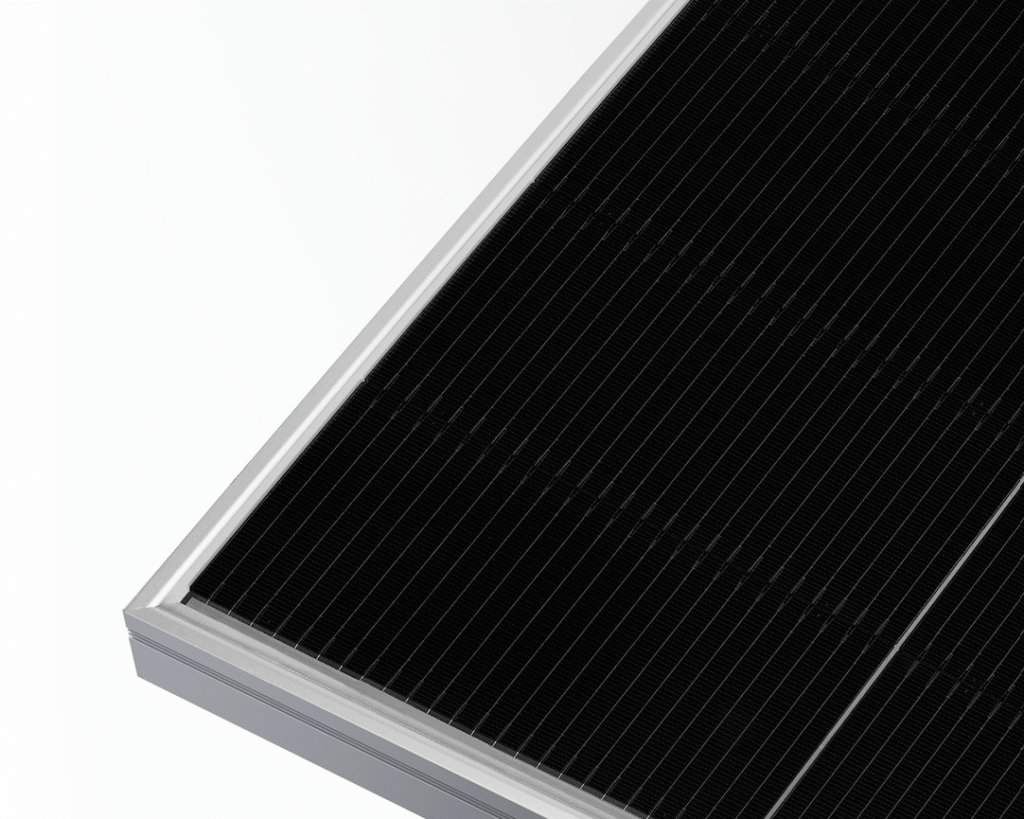
Compared with utility-scale solar plants, distributed PV is closer to load centers and is suitable for commercial and industrial rooftops, logistics warehouses, public buildings, parking areas, agricultural facilities, and industrial parks. It can help users reduce part of their purchased electricity demand and improve local energy utilization when combined with battery storage, charging facilities, and energy management systems.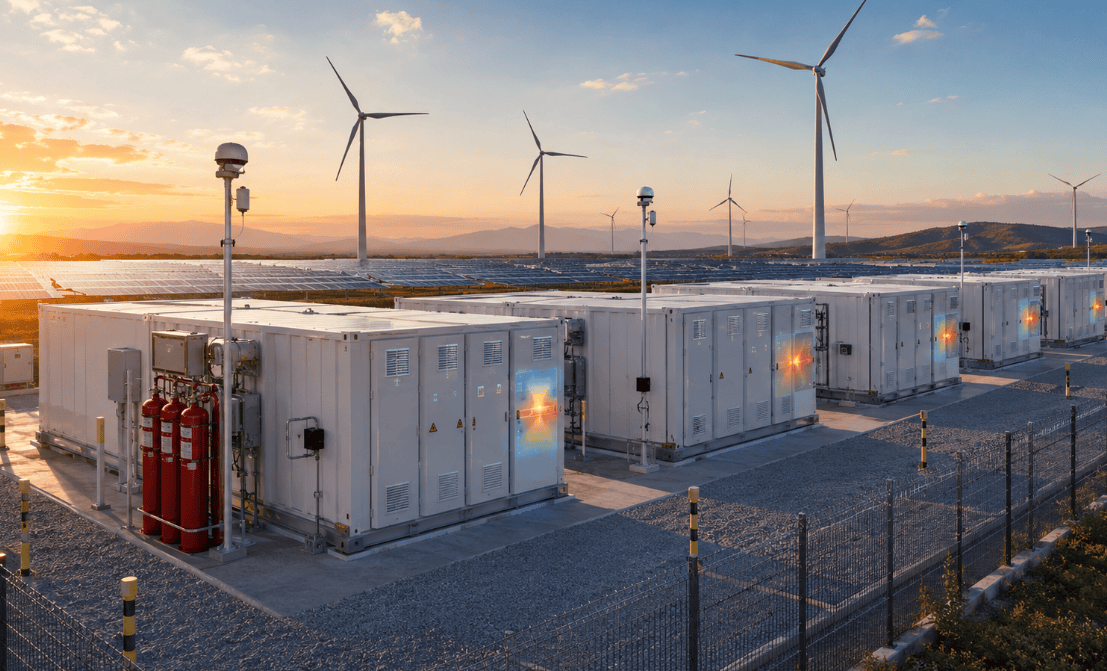
However, the engineering value of distributed PV should not be judged only by installed capacity. Stable operation depends on roof load-bearing capacity, module layout, inverter selection, grid-connection conditions, cable routing, lightning protection, grounding design, fire access, and long-term maintenance. For commercial and industrial projects, production load curves, time-of-use electricity prices, power supply stability, and factory safety management also need to be considered.
As distributed PV capacity expands, grid-side access assessment and operation management also need to become more refined. Voltage fluctuations, reverse power flow, protection settings, power forecasting, and dispatch coordination can all affect grid connection and long-term operation. Distributed PV projects are shifting from a simple installation model to a model focused on consumption, monitoring, adjustment, and sustainable operation.
For equipment manufacturers, engineering contractors, and energy service providers, future opportunities will not only come from module and inverter sales. They will also come from system design, intelligent operation and maintenance, storage integration, virtual power plant access, and integrated energy management. Competition in distributed PV will increasingly move from individual equipment cost to lifecycle system value and operational reliability.
This article is compiled by Wedoany. All AI citations must indicate the source as "Wedoany". If there is any infringement or other issues, please notify us promptly, and we will modify or delete it accordingly. Email: news@wedoany.com
Related Products

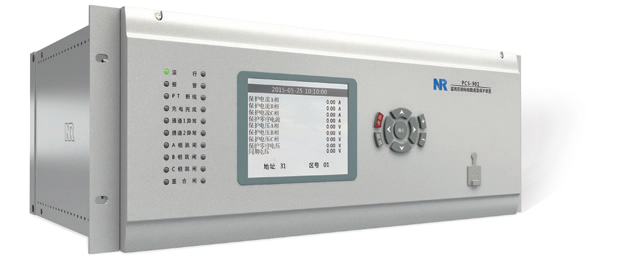
PCS-901 Series Ultra (Extra) High-voltage Transmission Line Complete Protection Device
Nanjing NR Electric Co., Ltd.
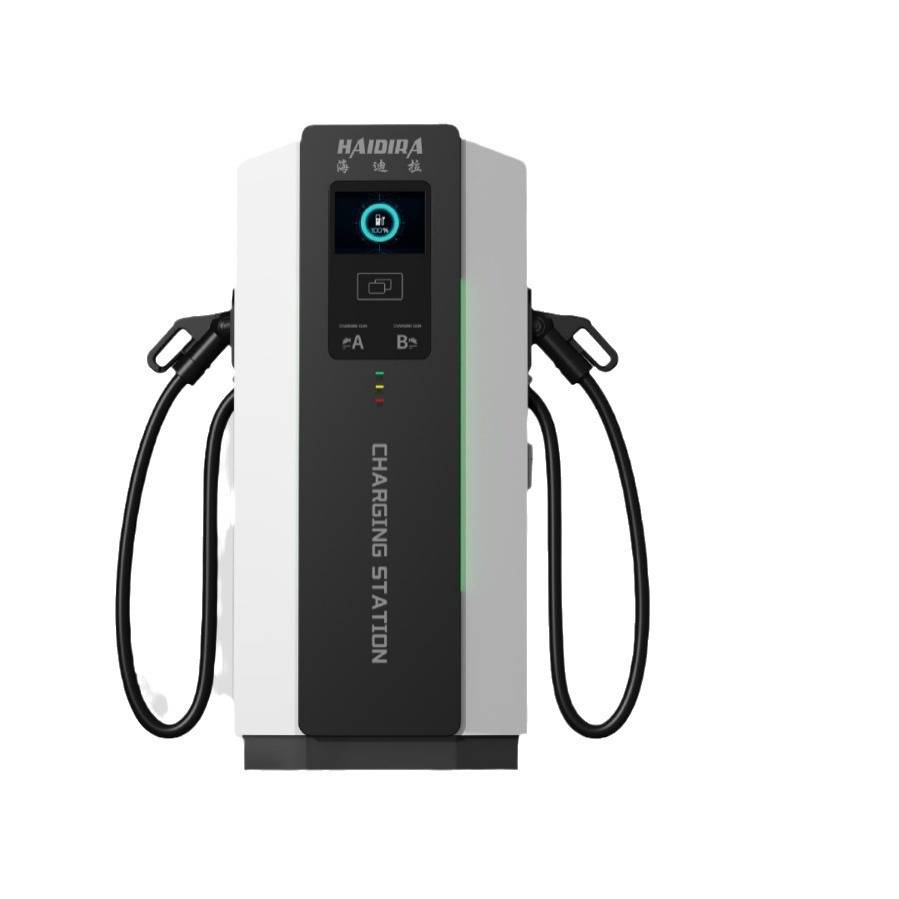
Manufacturer Direct Sales Tesla New Energy Electric Vehicle Universal DC 180kW Dual-gun Charging Pile Commercial Fast Charger
Anhui Haidira Electric Technology Co., Ltd.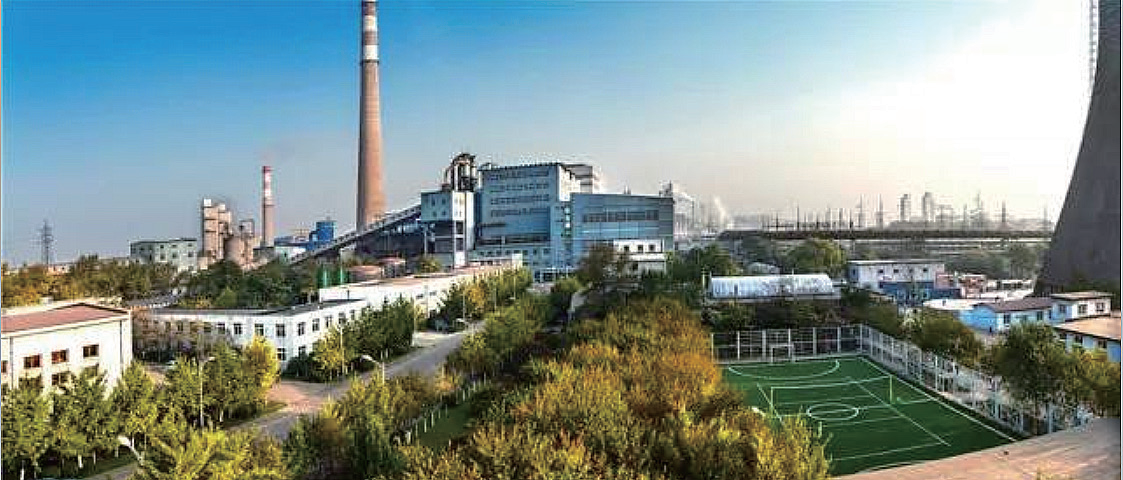
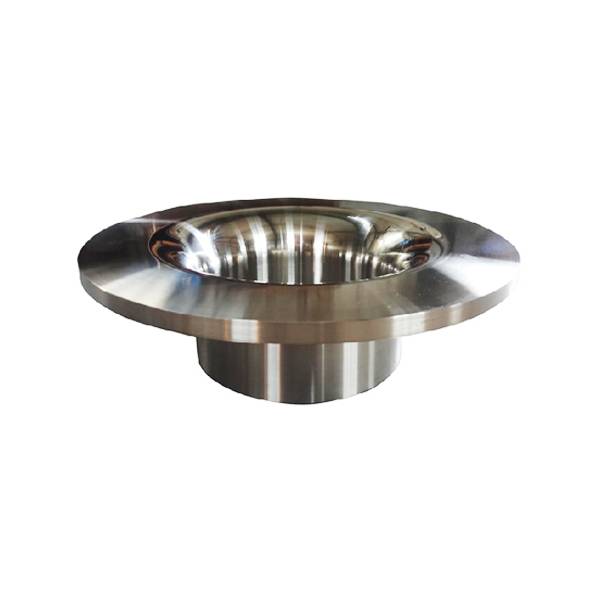
Standard Nozzle Flowmeter
Jinggong Automatic Control Instrument Complete Technology Development Company
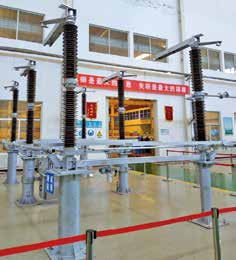
GW4-40.5/72.5/126/145/170/252/363/420 Series Double-column Horizontal Rotary High-voltage AC Disconnect Switch
SHANDONG TAIKAI DISCONNECTORS CO., LTD.