Novo Nordisk and OpenAI Establish Strategic Partnership, AI to Cover Entire Chain from Drug Discovery to Supply Chain
en.Wedoany.com Reported - Danish pharmaceutical company Novo Nordisk announced a strategic partnership with OpenAI on April 14, 2026, to deploy artificial intelligence across its entire business process, from drug discovery to manufacturing and commercial operations. This collaboration will utilize OpenAI's advanced AI technology to analyze complex datasets, screen promising drug candidates, and enhance efficiency in manufacturing, supply chain, distribution, and enterprise operations. Pilot projects will be launched within 2026, initially in the areas of R&D, manufacturing, and commercial operations, with full integration planned to be completed by the end of 2026. Specific financial terms were not disclosed.
According to Novo Nordisk's official press release, the collaboration covers three core dimensions. On the drug discovery front, OpenAI's AI capabilities will be used to analyze complex datasets, identify promising drug candidates, and shorten the cycle from basic research to patient benefit. On the operations front, the partnership will improve efficiency in manufacturing, supply chain, and distribution. On the organizational capability front, OpenAI will assist Novo Nordisk in upskilling its global workforce and enhancing AI literacy. The collaboration framework includes strict data protection, governance standards, and human oversight mechanisms to ensure ethical and compliant use.
Novo Nordisk CEO Mike Doustdar stated that the goal of this partnership is not to replace scientists, but to "empower scientists." He noted that AI will help employees work faster and more efficiently, thereby reducing the future growth rate of headcount, but not cutting the existing workforce. Doustdar also said that integrating AI into daily work enables the company to analyze datasets at a scale previously impossible, identify patterns that were previously unseen, and test hypotheses faster than ever before. OpenAI CEO Sam Altman stated that this collaboration will help Novo Nordisk accelerate scientific discovery, operate its global business more intelligently, and redefine the future of patient care.
Novo Nordisk's push for AI transformation comes as it faces multiple competitive pressures. The company has fallen behind its U.S. competitor Eli Lilly in the weight-loss drug market. Eli Lilly received U.S. Food and Drug Administration approval for its oral weight-loss drug Foundayo in April 2026, while Novo Nordisk's oral version of Wegovy was launched in January 2026. Novo Nordisk's full-year 2025 sales were 309.064 billion Danish kroner, representing a 10% year-on-year increase at constant exchange rates. Novo Nordisk's semaglutide generated approximately $34.6 billion in sales in 2025, while Eli Lilly's tirzepatide, with $36.507 billion in sales, surpassed semaglutide to become the world's top-selling drug by annual sales.
This collaboration builds upon Novo Nordisk's existing AI initiatives. The company had previously developed AI agents based on Celonis software, leveraging models from providers like Anthropic and OpenAI to assist employees in managing clinical trials. These agents can identify potential risks that could lead to trial delays, such as investigators missing protocol steps or data gaps, and automatically notify trial leaders. In June 2025, Novo Nordisk partnered with NVIDIA to use the Gefion sovereign AI supercomputer at the Danish AI Innovation Centre to accelerate drug discovery. In the same month, Novo Nordisk signed a research and development collaboration agreement worth $812 million with U.S. biotechnology company Deep Apple Therapeutics, focusing on oral small molecule therapies targeting non-GLP-1 pathways.
OpenAI has been continuously expanding its partnerships in the pharmaceutical sector in recent years. In October 2025, Thermo Fisher Scientific announced a collaboration with OpenAI to deploy AI in clinical research operations, helping to identify investigational therapies that might fail. In the same month, Danish pharmaceutical company Lundbeck also established a partnership with OpenAI. OpenAI has held preliminary talks with at least five of the world's top ten pharmaceutical companies, including Pfizer, Novartis, and Johnson & Johnson. The first batch of collaborative projects is expected to officially launch in the first half of 2026, focusing on cancer, neurodegenerative diseases, and rare diseases. The U.S. Food and Drug Administration has stated it will develop specific guidance for AI-assisted drug development, expected to be released in the second half of 2026.
This article is compiled by Wedoany. All AI citations must indicate the source as "Wedoany". If there is any infringement or other issues, please notify us promptly, and we will modify or delete it accordingly. Email: news@wedoany.com
Related Products



TWP16 P-Band Tropospheric Wind Profile Radar
China Huayun Meteorological Technology Group Co., Ltd.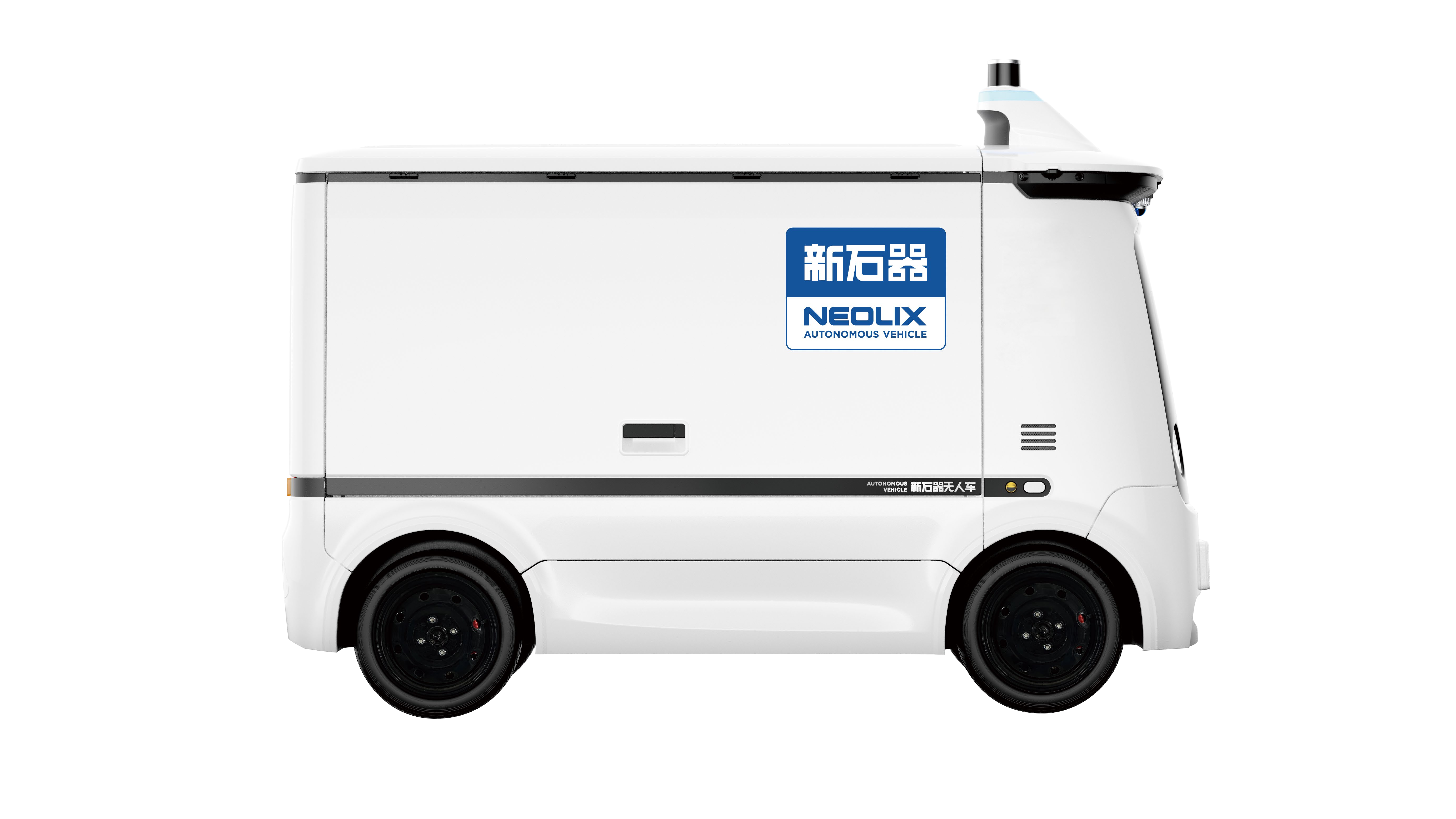

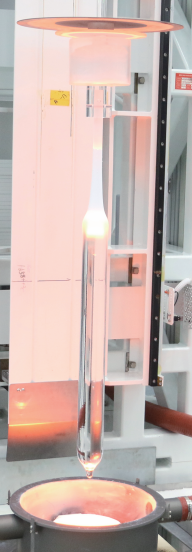
G.652.D Wavelength-extended Non-dispersion Shifted Single-mode Optical Fiber
HONGAN GROUP CO., LTD.
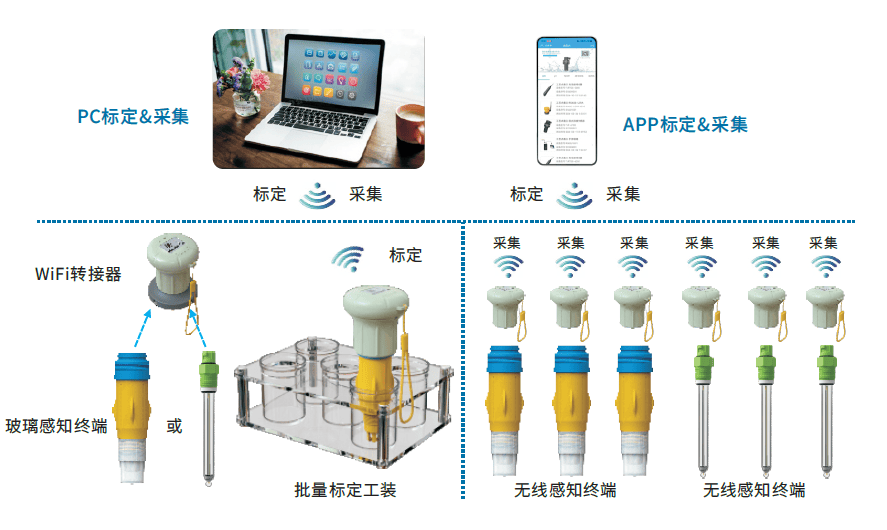


Industrial and Commercial Point-Type Gas Detector
Jinan Benan Technology Development Co., Ltd.
GYTA Type Non-Self-Supporting Aerial/Duct Optical Cable
TONGDING INTERCONNECTION INFORMATION CO., LTD.
Comprehensive Mining Automation Control System
Beijing Tianma Intelligent Control Technology Co., Ltd.