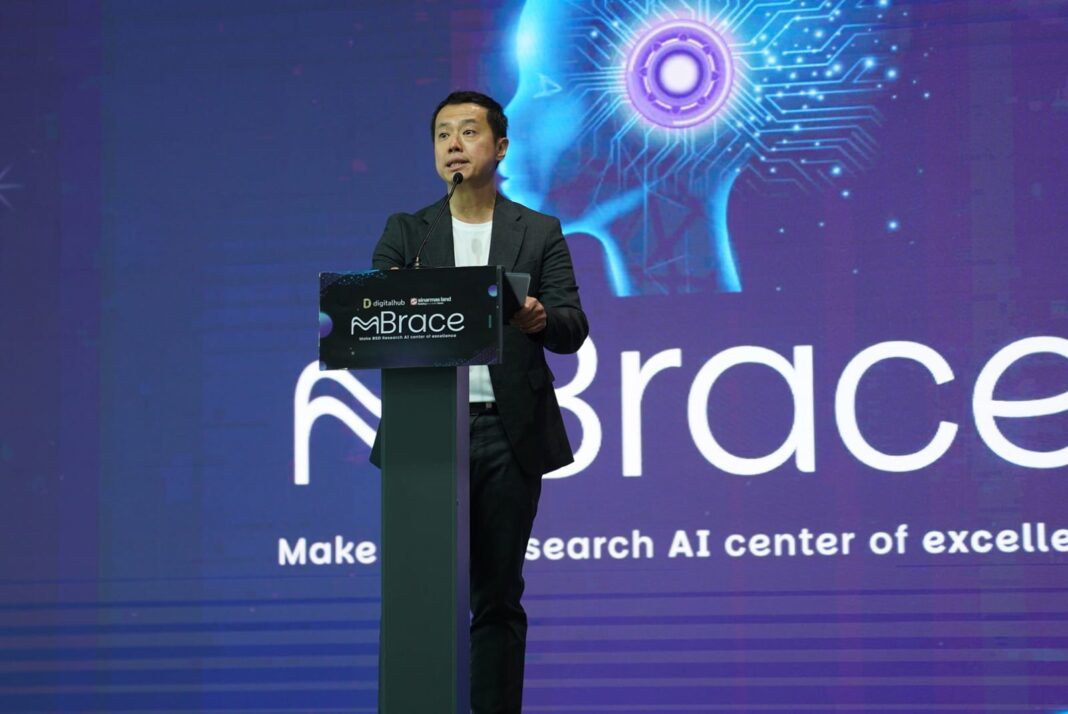
en.Wedoany.com Reported - China Mobile International recently partnered with the Singapore Chinese Chamber of Commerce & Industry to host the 2026 Southeast Asia Cooperation Conference in Singapore. The conference focused on regional digital economy, communication infrastructure connectivity, AI applications, IoT ecosystem, and cross-border digital services. During the event, China Mobile International unveiled the Southeast Asia AI+ Full-Stack Capability Upgrade and Ecosystem Cooperation Initiative and signed multiple memorandums of understanding with regional partners, fostering closer collaboration among operators, technology enterprises, and industry clients in the construction of digital and intelligent infrastructure.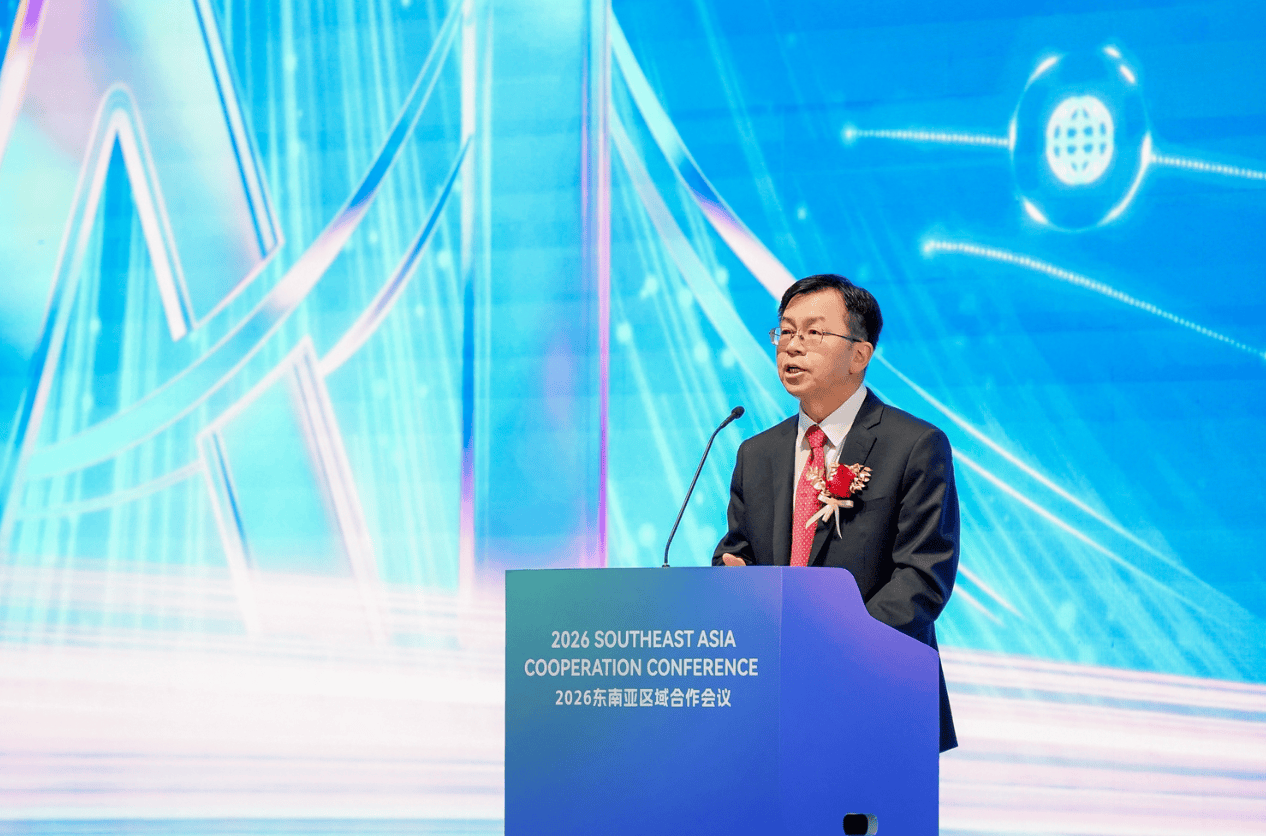
The digital economy in Southeast Asia is currently in a phase where infrastructure upgrades and industrial application expansion are progressing in parallel. Demand for cross-border trade, e-commerce, fintech, cloud services, smart manufacturing, and digital government services continues to grow, placing higher requirements on communication network capacity, data center resources, submarine cable connectivity, cloud-network synergy, and enterprise-level digital services. For operators, traditional cross-border connectivity services can no longer fully meet the needs of enterprise clients. The market is shifting from "providing network channels" to "offering integrated capabilities in connectivity, computing power, platforms, and applications." By establishing a cooperation platform with the Singapore Chinese Chamber of Commerce & Industry, China Mobile International aims to connect operator network resources, regional chamber channels, industry client needs, and technology ecosystem partners, enabling communication infrastructure construction to more directly serve cross-border business operations, industrial chain collaboration, and regional market expansion. As a key hub for finance, shipping, data, and corporate headquarters in Southeast Asia, Singapore provides a concentrated business environment and international cooperation gateway for such regional initiatives.
The Southeast Asia AI+ Full-Stack Capability Upgrade and Ecosystem Cooperation Initiative released at the conference focuses on areas such as artificial intelligence, IoT, big data, 5G, cloud-network integration, and network automation. The related cooperation involves not only basic connectivity capabilities but also enterprise cloud adoption, intelligent operations, cross-border dedicated lines, industrial IoT, data analytics, and industry solution deployment. For clients in manufacturing, logistics, energy, finance, retail, and industrial parks, digital transformation often requires simultaneously addressing multi-country network access, system deployment, data transmission, application adaptation, and operations management. A single supplier can hardly cover the entire chain independently. Through ecosystem cooperation mechanisms, operators can collaborate with software service providers, equipment companies, cloud platforms, system integrators, and industry clients to co-design solutions, improving the efficiency of regional project implementation.
The lighting ceremony of the SEA-H2X submarine cable was also a key infrastructure milestone at the conference. Submarine cables serve as the underlying connectivity for cross-border data transmission in the region, directly impacting cloud service access, financial transactions, multinational enterprise collaboration, content distribution, and data center interconnection. As data traffic in Southeast Asia continues to grow, the synergy between submarine cables, terrestrial backbone networks, and local access networks will become critical to the stable operation of the digital economy. For enterprise clients, higher bandwidth, lower latency, and greater reliability in cross-border connectivity help reduce access delays for multinational business systems and improve the responsiveness of regional supply chains and service networks.
The value of such cooperation conferences also lies in advancing communication infrastructure and industrial ecosystem issues within the same framework. The market structures of Southeast Asian countries vary significantly, with differences in network coverage, digital payments, data compliance, cloud resource deployment, and enterprise digital maturity. If regional cooperation remains limited to individual projects or single route construction, it will struggle to sustain long-term market growth. However, by establishing institutionalized cooperation among chambers of commerce, operators, and technology partners, creating channels for ongoing communication, joint solutions, and project conversion, it becomes easier to transform digital infrastructure into service capabilities that enterprises can utilize. Key priorities moving forward will focus on the project-based implementation of MOUs, the practical application of AI+ capabilities for industry clients, the stability of cross-border connectivity services, and how submarine cable resources can combine with cloud, data center, and enterprise private network services to form a competitive advantage.
As Southeast Asia's digital economy enters a deeper phase of industrial application, the role of communication operators will evolve from basic network providers to regional digital service organizers. China Mobile International's push for ecosystem cooperation in Singapore indicates that competition in the regional communication market is shifting from single-point network coverage to comprehensive competition in platform capabilities, ecosystem collaboration, and cross-border service delivery.
This article is compiled by Wedoany. All AI citations must indicate the source as "Wedoany". If there is any infringement or other issues, please notify us promptly, and we will modify or delete it accordingly. Email: news@wedoany.com