Colombia Approves Ciénaga Multi-Purpose Terminal Concession with $82.8 Million Investment over 30 Years
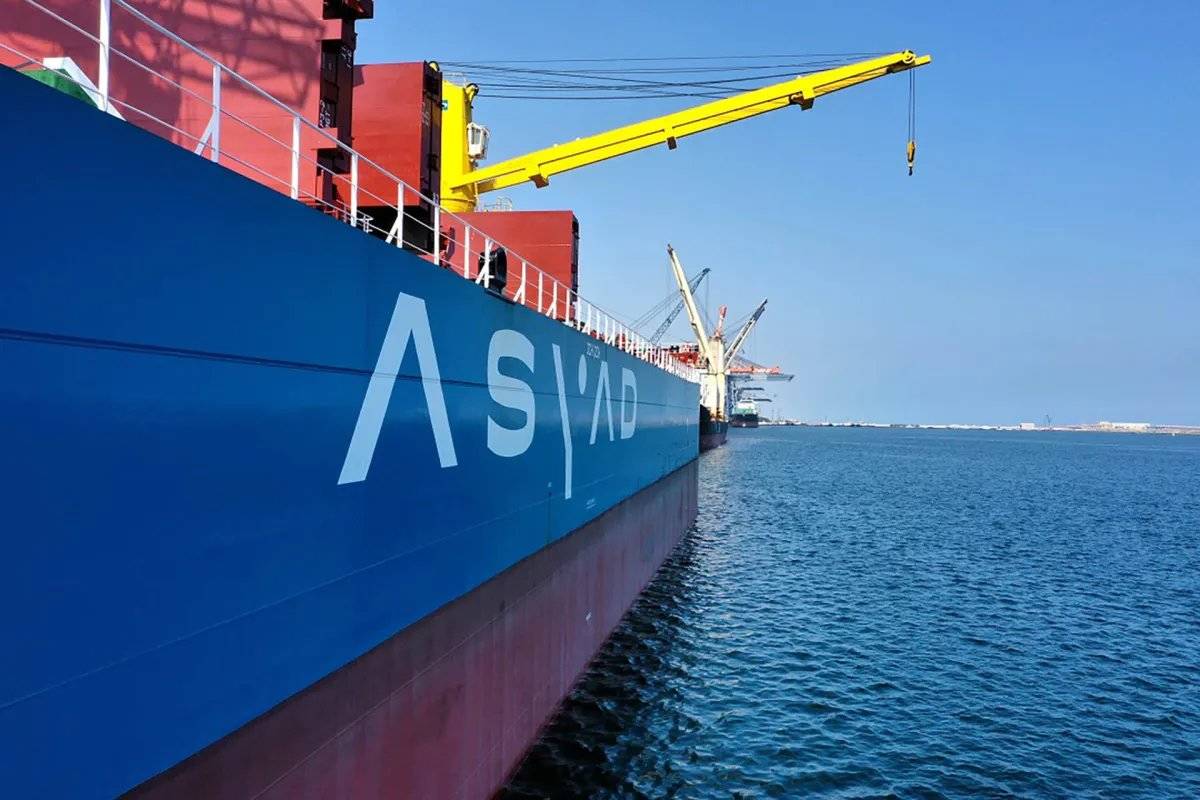
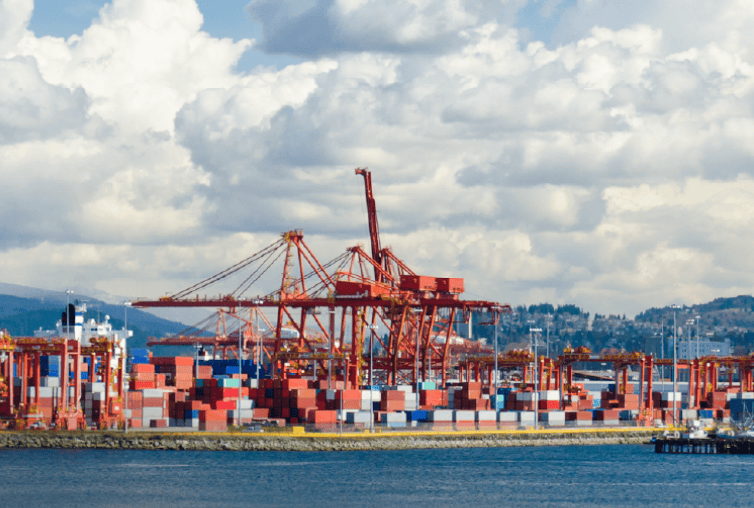
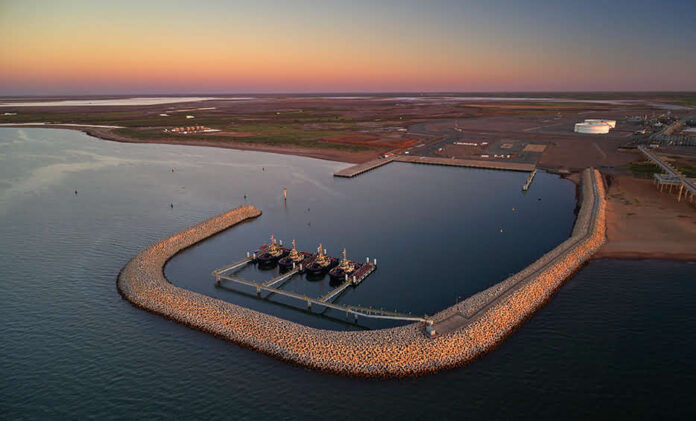
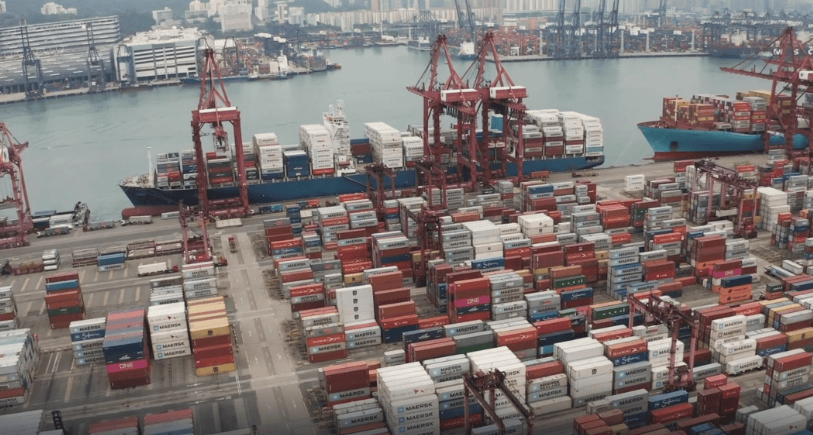
en.Wedoany.com Reported - The Board of Directors of Colombia's National Infrastructure Agency (ANI) has approved granting a 30-year port concession to Sociedad Portuaria Río Córdoba SA for the development and construction of the Río Córdoba Multi-Purpose Terminal in the municipality of Ciénaga, Magdalena Department. With a total investment of $82.8 million, the authorized company will be responsible for the entire project lifecycle, including design, construction, operation, and maintenance. According to ANI's announcement, the terminal is expected to handle over 160 million tons of cargo and approximately 197,400 TEUs (twenty-foot equivalent units) during the 30-year concession period.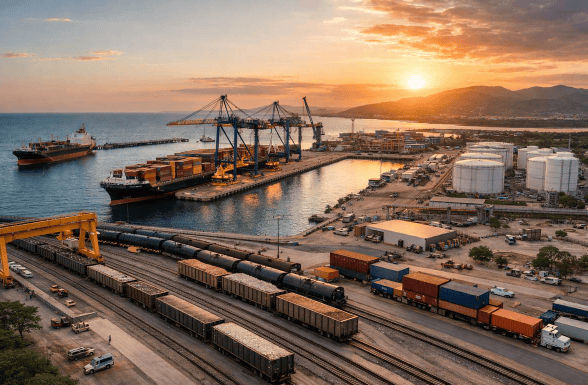
The terminal is strategically located on Colombia's Caribbean coast. Its design maintains an approach channel depth of 21 meters, allowing year-round access for large vessels without seasonal restrictions. Previously, the area was primarily used for thermal coal export. The redevelopment will expand the terminal's functions to handle multiple cargo types, including dry bulk, liquid bulk, general cargo, and containers. A key metric in the project plan is that over 90% of the cargo throughput will be transported via rail, with Colombia's Northern Railway Company responsible for rail operations.
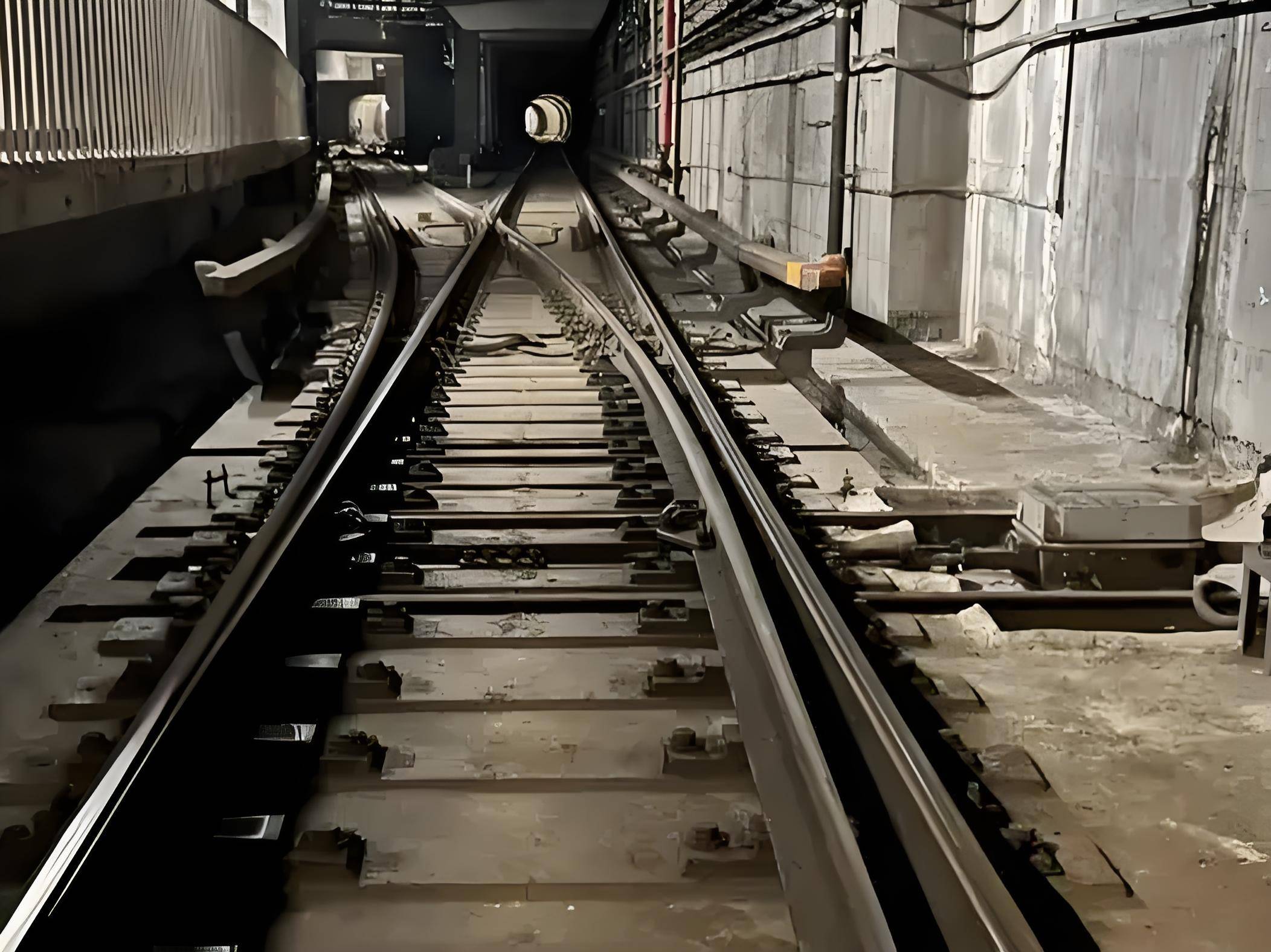
In terms of transportation network connectivity, the Río Córdoba Terminal will achieve direct connection to the Atlantic Railway, thereby linking to the La Dorada-Chiriguaná Central Railway Corridor. This corridor, approximately 522 kilometers long, connects Colombia's interior with the Caribbean coast and is a key freight railway line prioritized for restoration by the government in recent years. Additionally, the terminal will form a multimodal transport node with the Pozos Colorados-Galán pipeline and the Ruta del Sol highway, integrating sea, rail, pipeline, and road transport within a single logistics hub.
The project entity, Sociedad Portuaria Río Córdoba SA, is responsible for the dredging and maintenance of the approach channel and turning basin. From an engineering design perspective, the terminal's landside infrastructure is designed to support the reception and processing of heavy-haul trains with up to 150-car configurations, requiring precise specifications for yard design, signaling systems, and cargo handling procedures. ANI is advancing the project using a concession model, continuing the public-private partnership framework validated in its road sector 4G and 5G concession programs.
Approximately 96% of Colombia's foreign trade goods are transported by sea, with logistics costs accounting for about 14% of GDP, higher than the OECD average. By shifting bulk cargo transport from road to rail, the Río Córdoba Terminal is expected to reduce long-distance freight costs and carbon emission intensity. The project will also create associated employment opportunities in port operations, warehousing, processing, and other sectors in Magdalena Department, while attracting investments in adjacent industries.
This article is compiled by Wedoany. All AI citations must indicate the source as "Wedoany". If there is any infringement or other issues, please notify us promptly, and we will modify or delete it accordingly. Email: news@wedoany.com
Related Products
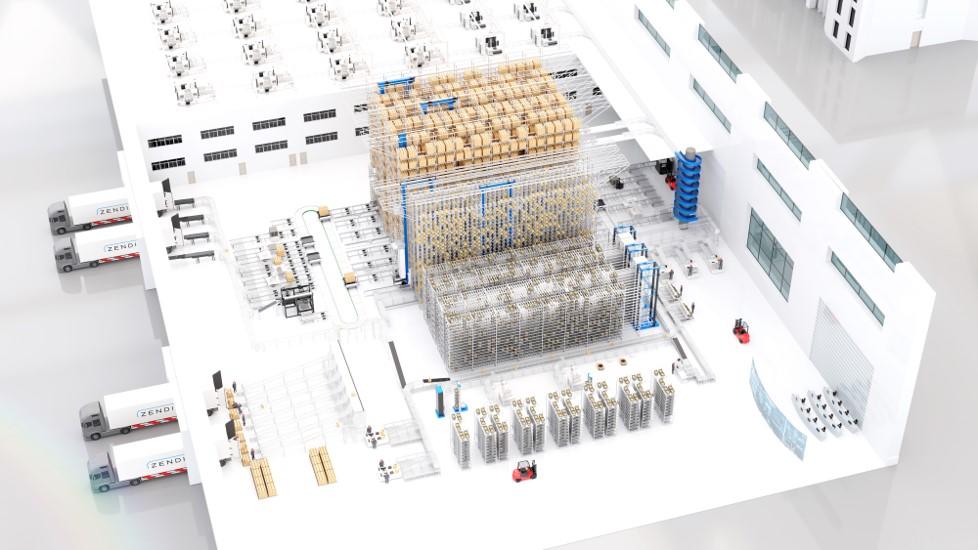

One-Stop Steward Service for the Entire Logistics System Integration Chain
Zhongding Intelligent (Wuxi) Technology Co., Ltd.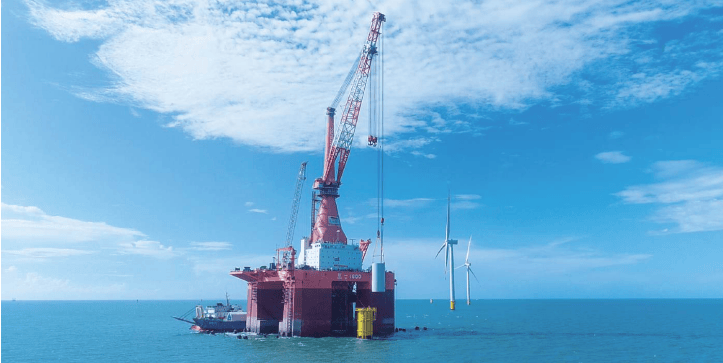
"Shunyi 1600" Deep-submerging Bottom-sitting Multi-functional Wind Power Engineering Vessel
Zhengli Offshore Engineering Co., Ltd.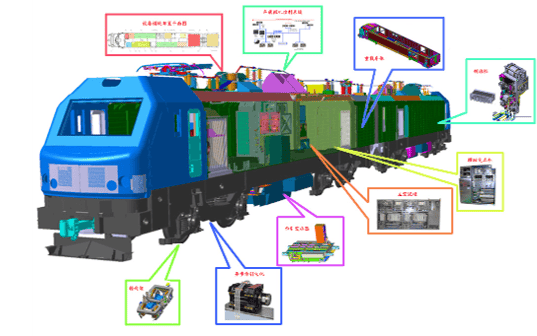
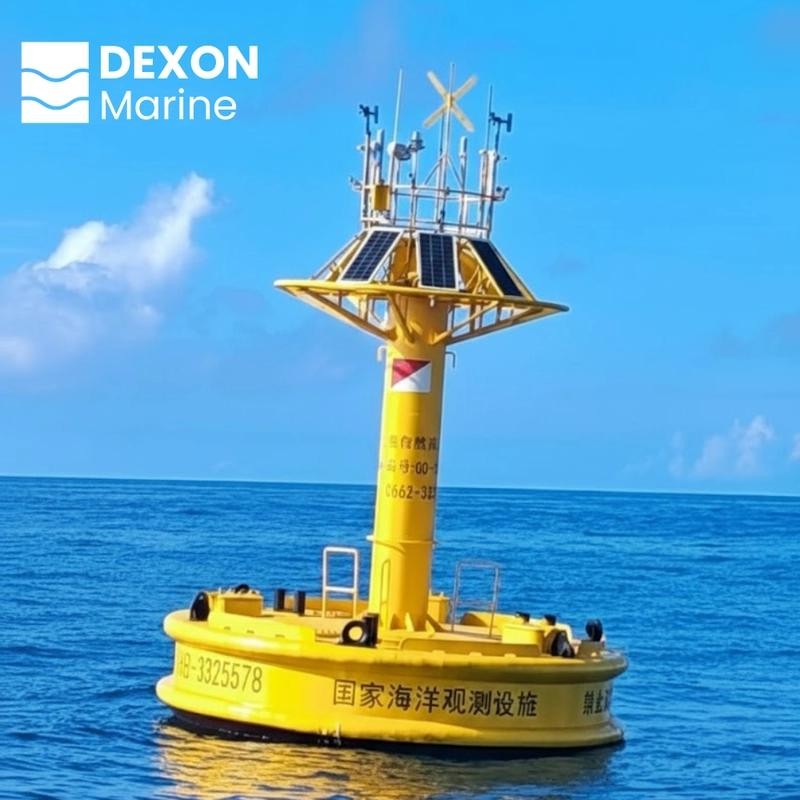
3m intelligent buoy combining navigation safety and real-time marine monitoring integrated navigation and marine monitoring system for real-time maritime data
Chengdu Dixin Technology Co., Ltd.