en.Wedoany.com Reported - Under the dual influence of policy constraints and market forces, the era of rapid alumina capacity expansion in China is coming to an end. On the demand side, there is no room for incremental growth due to the red line on electrolytic aluminum capacity. In 2025, built capacity reached 110 million tonnes, with output exceeding 92 million tonnes, resulting in a surplus of 2.9 million tonnes. Total capacity is expected to peak at 120 million tonnes within the next two years, during which over 10 million tonnes of high-cost, outdated, and resource-insecure capacity will be eliminated. Policies strictly control new projects, energy efficiency and environmental protection thresholds are rising, and the industry faces meager profits or even losses, largely extinguishing the momentum for large-scale expansion.
Meanwhile, supply risks for imported bauxite are increasing. China's dependence on foreign bauxite exceeds 70%, with 74% of imports coming from Guinea, indicating a high level of concentration. In 2025, bauxite imports totaled 200.53 million tonnes, with Guinea accounting for 74% and Australia for 19%. Guinea has strengthened resource control in recent years, revoking the licenses of 51 non-compliant enterprises in 2025, raising the bauxite export tariff to 10% in November 2025, and initiating a revision of its mining code in 2026. Blockages in the Red Sea and Strait of Hormuz shipping lanes have increased freight costs, further exacerbating risks.
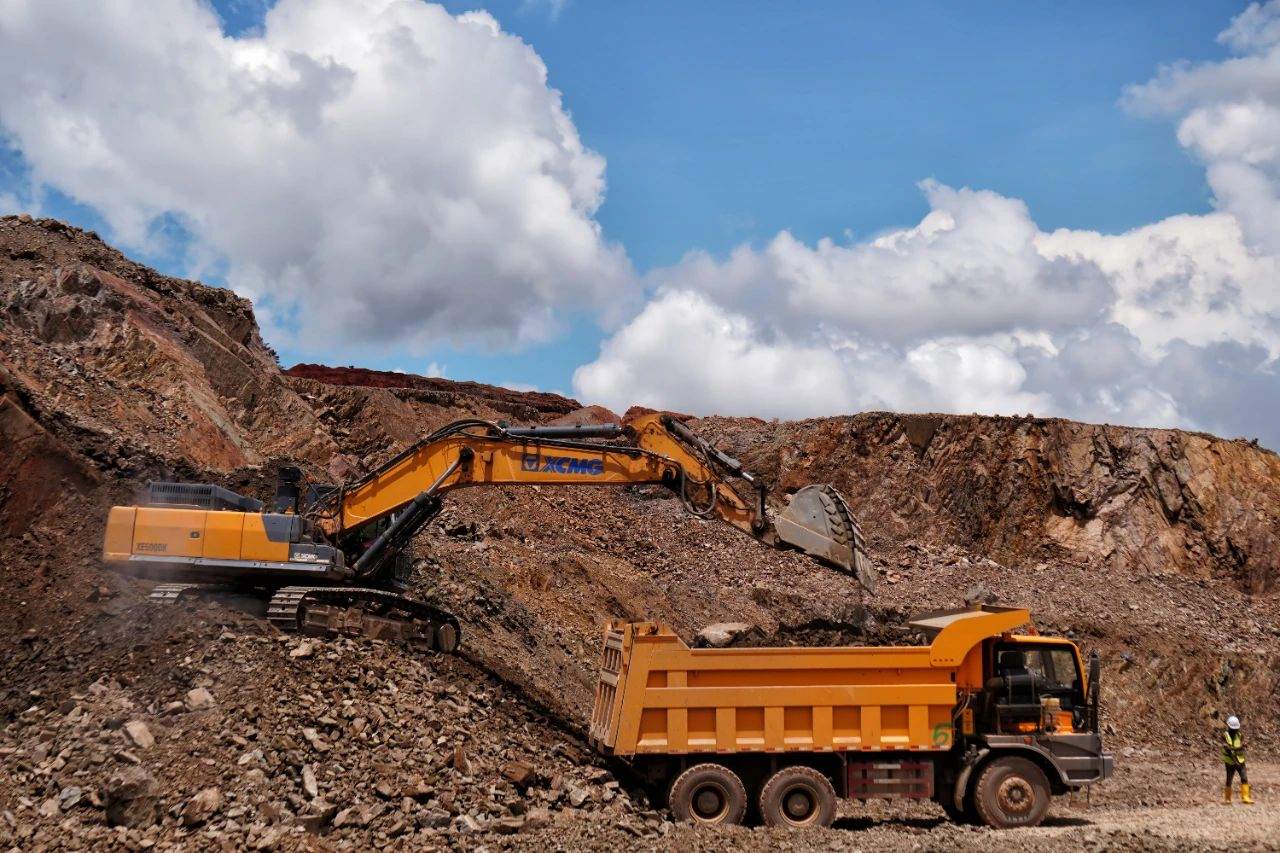
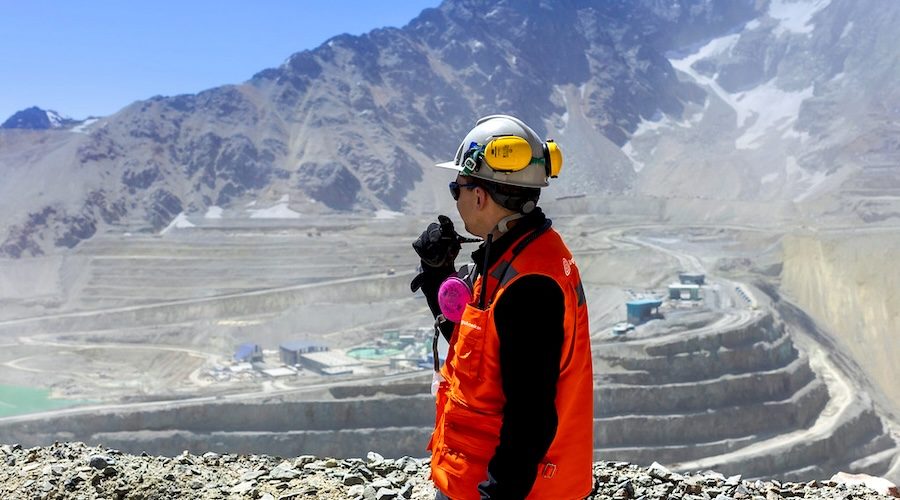
The pace of domestic bauxite reserve growth and production increase is accelerating. The "Implementation Plan for High-Quality Development of the Aluminum Industry (2025-2027)" proposes a 3%-5% increase in resource volume by 2027. The Shenjiazhuang mining area in Xiaoyi City, Shanxi Province, has discovered 183 million tonnes of bauxite, the largest known single deposit in China. Shanxi and Henan are advancing resource integration, and the resumption of mine production will ease the tight supply of domestic ore, reduce enterprise dependence on imported ore, stabilize raw material security, and lower costs.
The alumina industry is establishing a new equilibrium. The combined force of policy and market mechanisms is bringing capacity expansion to an end, shifting the industry's focus from scale expansion to stock optimization. With alumina prices currently bottoming out, high-cost capacity is exiting at an accelerated pace, propelling the industry into a new phase of high-quality development.
This article is compiled by Wedoany. All AI citations must indicate the source as "Wedoany". If there is any infringement or other issues, please notify us promptly, and we will modify or delete it accordingly. Email: news@wedoany.com