First Quantum Minerals Announces 22 Million Tonne Resource at La Granja Copper Mine at Peru's proEXPLO 2026
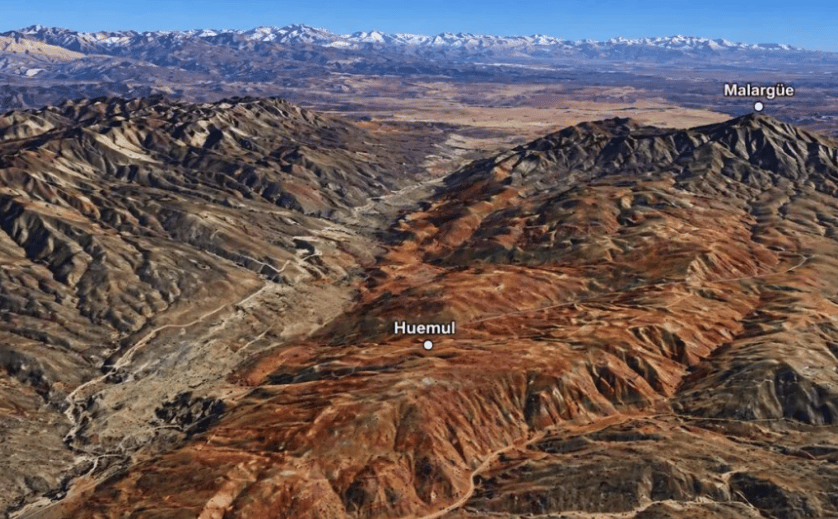
en.Wedoany.com Reported - At the proEXPLO 2026 conference hosted by the Peruvian Institute of Mining Engineers, First Quantum Minerals Senior Geologist Rafael Roberto presented the latest research progress on the La Granja copper mine project. Located in northern Peru, this deposit contains approximately 22 million tonnes of copper metal content, ranking it among the world's large copper deposits.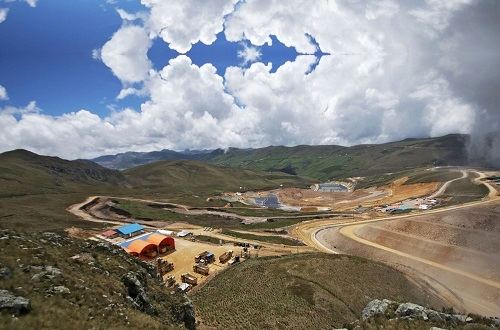
La Granja is a copper porphyry system with a complex geological structure, composed of telescoped porphyry bodies and hydrothermal breccia complexes. The mineralization distribution is primarily controlled by northwest and northeast trending structures. A notable feature of the project is its richness in secondary chalcocite, a relatively rare geological characteristic that helps enhance ore grades and increases the deposit's economic appeal.
In his presentation, Roberto specifically addressed the role of arsenic in resource characterization. The distribution of arsenic is closely related to veinlets and geological structures, enabling the team to distinguish zones with different levels of metallurgical penalties, providing critical support for refining the geological model.
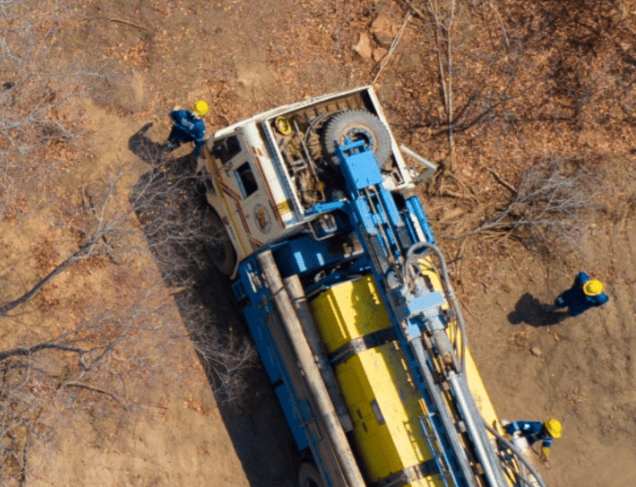
The technical team also had to tackle the challenge of reinterpreting historical drilling data. A large number of old, near-vertical drill holes did not effectively penetrate the mineralized structures, introducing interference into the geological information. In response, the team adopted new interpretation methods to improve the representativeness of the results and the reliability of the model.
Through this work, First Quantum Minerals has further refined the boundaries of geological units, identified fracture systems related to mineralization, and established a block model that integrates geological, structural, and metallurgical variables. This model will optimize resource assessment and provide a more reliable basis for formulating subsequent development strategies.
This article is compiled by Wedoany. All AI citations must indicate the source as "Wedoany". If there is any infringement or other issues, please notify us promptly, and we will modify or delete it accordingly. Email: news@wedoany.com
Related Products

Core Technologies of the Mining Technology and Equipment Business Unit: Efficient Mining Methods and Processes
CHANGSHA INSTITUTE OF MINING RESEARCH CO., LTD.
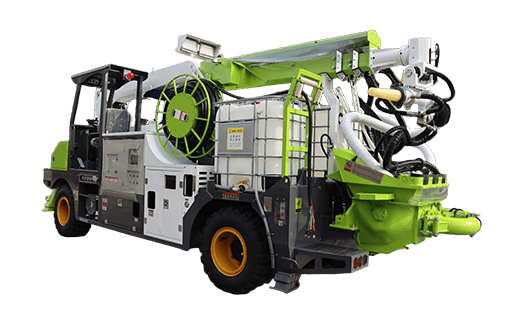
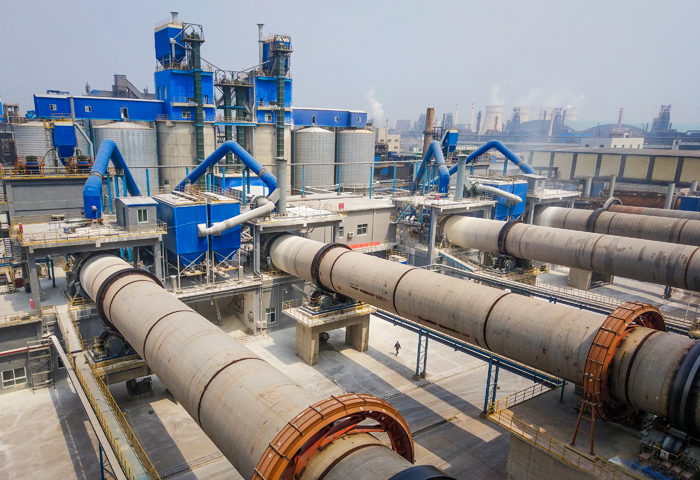
CITIC Heavy Industries Metallurgical Equipment Steel Smelting Engineering Equipment
CITIC Heavy Industries Co., Ltd.
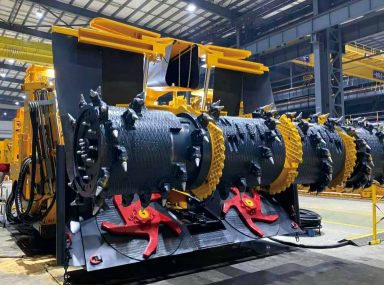
Integrated Excavation and Anchoring Machine (EJM Series)
China Railway Construction Heavy Industry Corporation Limited

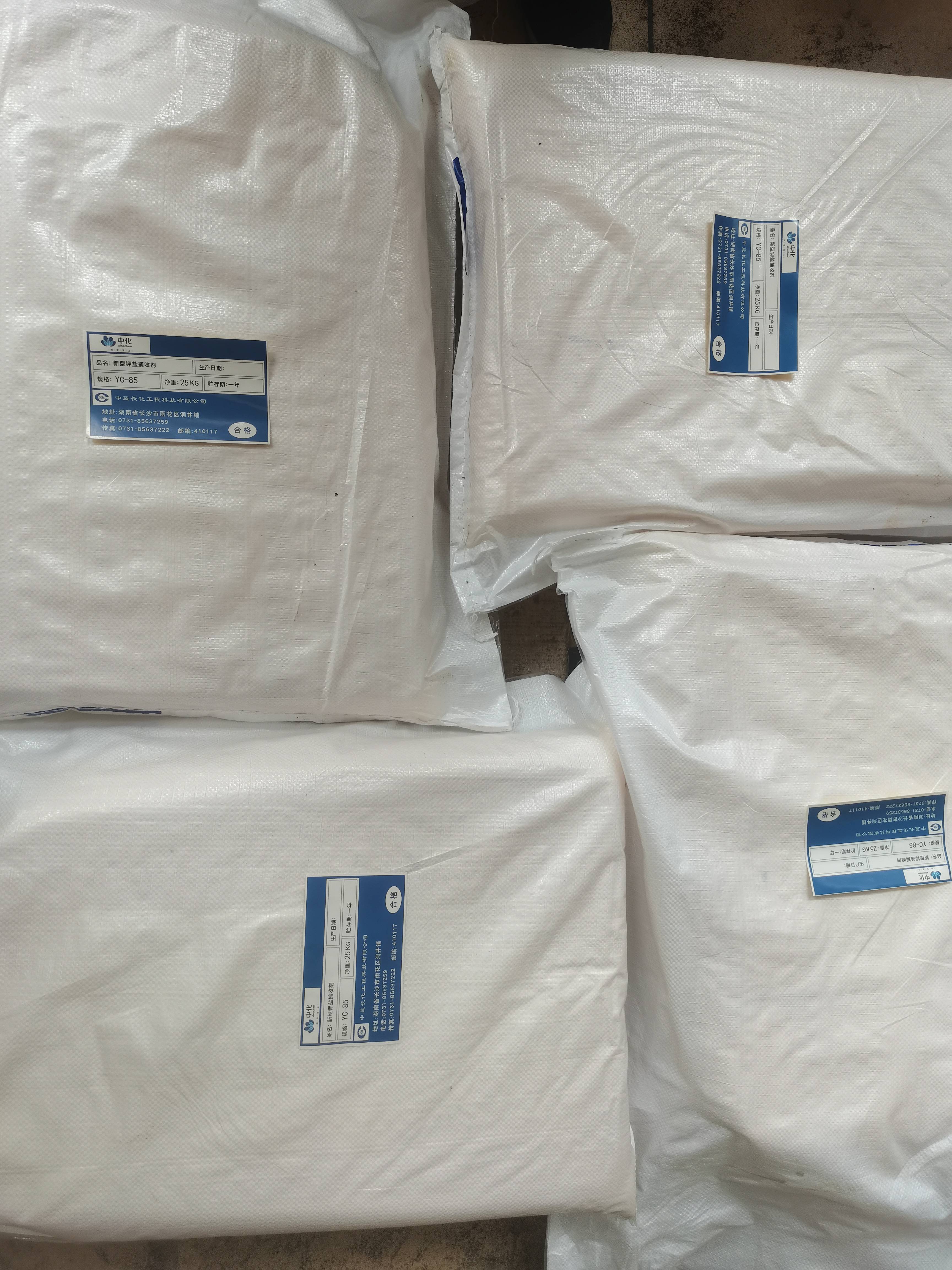
New Environmentally Friendly Green Potassium Salt Collector
Chonfar Engineering and Technology Co., Ltd.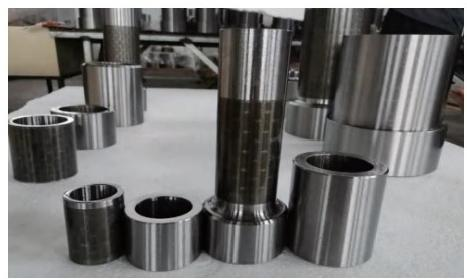
High-temperature Equal Wall Thickness High-power Screw Drilling Tool
Orient Energy & Technologies Co., Ltd.