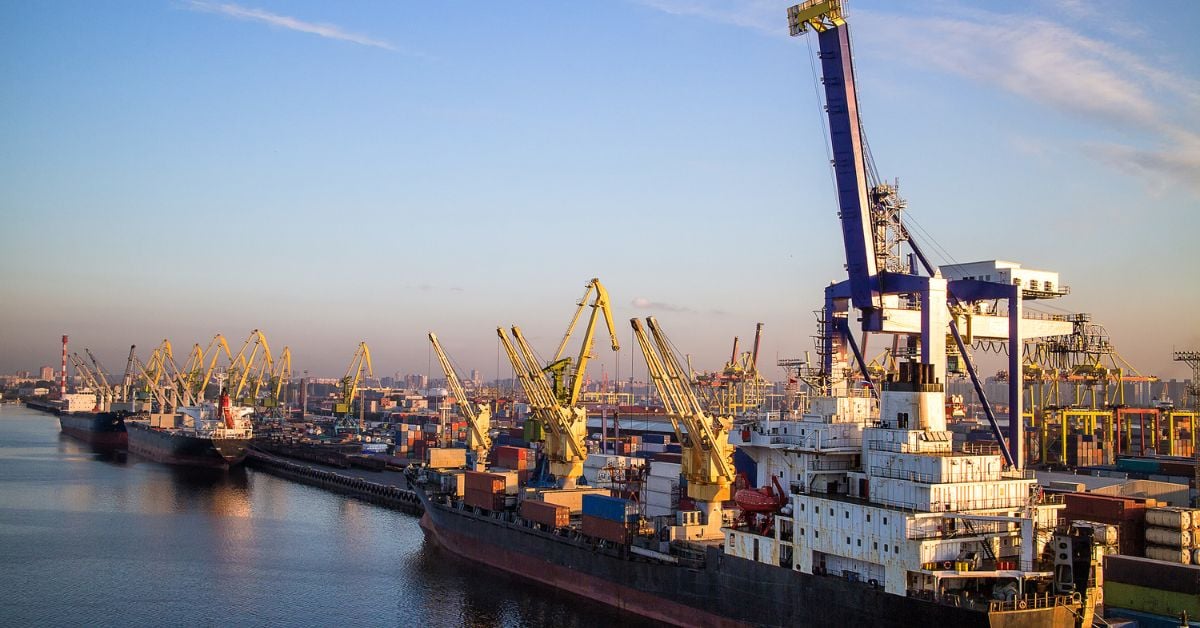
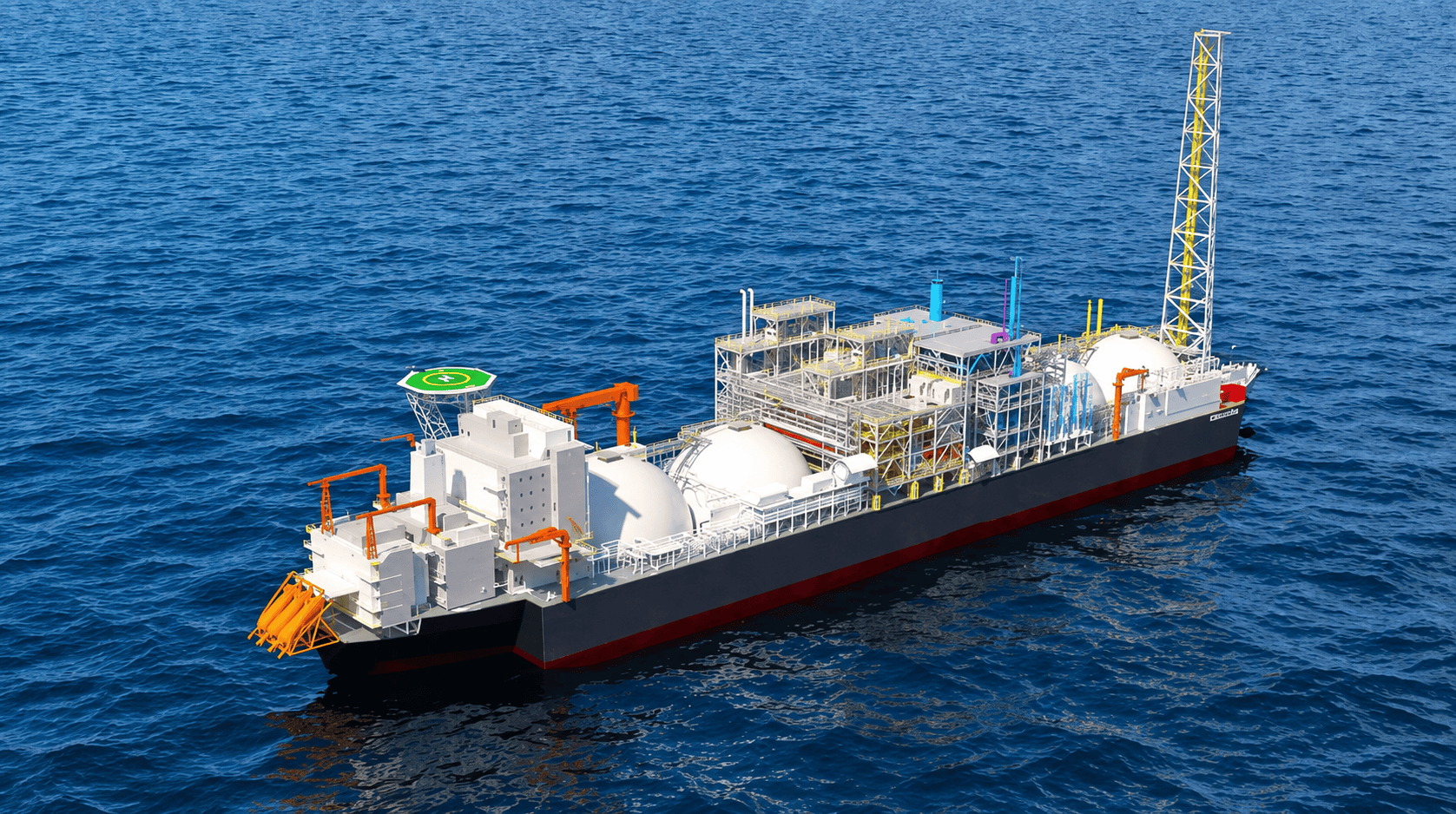
en.Wedoany.com Reported - In April 2026, coal shipments to Japan, South Korea, and the European Union increased by 27% year-on-year and 1% month-on-month. Filipe Gouveia, Shipping Analysis Manager at BIMCO, stated that the closure of the Strait of Hormuz disrupted liquefied natural gas (LNG) shipments from the Persian Gulf, leading to an 8% year-on-year decline in global seaborne LNG shipments in April. These countries are seeking alternative energy sources beyond natural gas to meet electricity demand.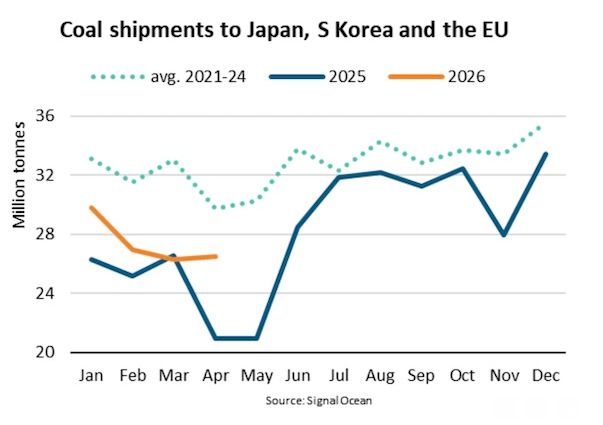
Coal shipments to these three markets typically slow down in April and May, linked to the seasonal decline in power generation in Japan and South Korea as heating demand decreases. However, this April, shipments still achieved month-on-month growth despite the drop in heating demand. As decarbonization efforts reduce reliance on coal, the importance of these three markets in coal transportation has gradually declined, yet they still account for approximately 25% of global coal cargo volumes and 31% of global tonne-mile demand. Meanwhile, shipments to India and China have increased.
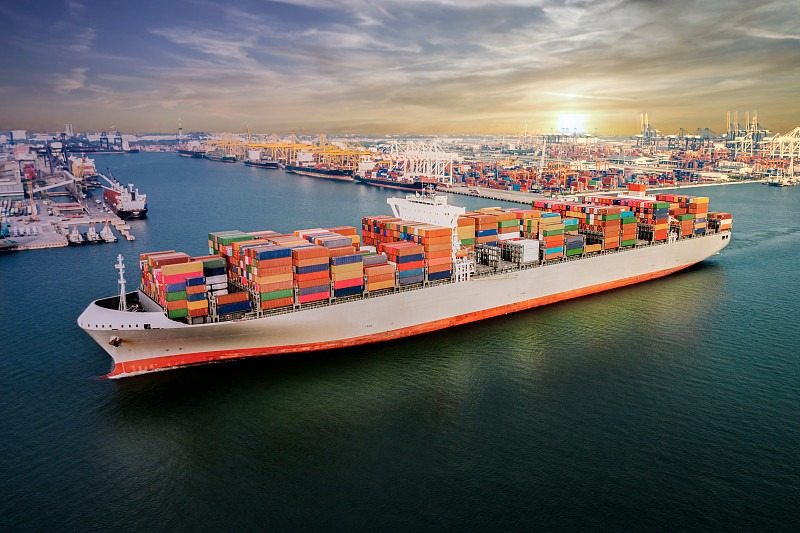
Gouveia noted that the increase in coal shipments to the EU, Japan, and South Korea drove an 8% year-on-year increase in global coal tonne-mile demand. Although the average sailing distance to these countries is 7% shorter than the global dry bulk average, it is still 23% longer than the global average sailing distance for coal. The increased vessel demand supported freight rates, particularly positively impacting the Panamax and Capesize vessel segments. Panamax vessels are the primary ship type for transporting coal to these three markets, accounting for 58% of the volume, with Capesize vessels at 31% and Supramax vessels at only 7%. Of the coal shipments to Japan, South Korea, and the EU, 46% originated from Australia, 17% from Indonesia, and another 17% from North America.
If the Strait of Hormuz remains closed, developed economies such as Japan, South Korea, and the EU are expected to shift from gas to coal, driving coal shipment growth in the short to medium term. BIMCO currently forecasts that global coal shipments will grow by up to 1% in 2026 and by 0.5% to 1.5% in 2027, which is 1 and 3 percentage points higher, respectively, than a scenario where the strait reopens immediately. Gouveia stated: "In the long term, regardless of the transit conditions in the Strait of Hormuz, we expect coal shipments to these three economies to gradually decrease. Installed renewable energy generation capacity is expected to continue growing, and the recent surge in energy prices may accelerate this transition."
This article is compiled by Wedoany. All AI citations must indicate the source as "Wedoany". If there is any infringement or other issues, please notify us promptly, and we will modify or delete it accordingly. Email: news@wedoany.com
Related Products

ZY(J)7(M) Sealed Type Electro-Hydraulic Turnout Machine
TAIYUAN CR JINGFENG EQUIPMENT TECHNOLOGY CO., LTD.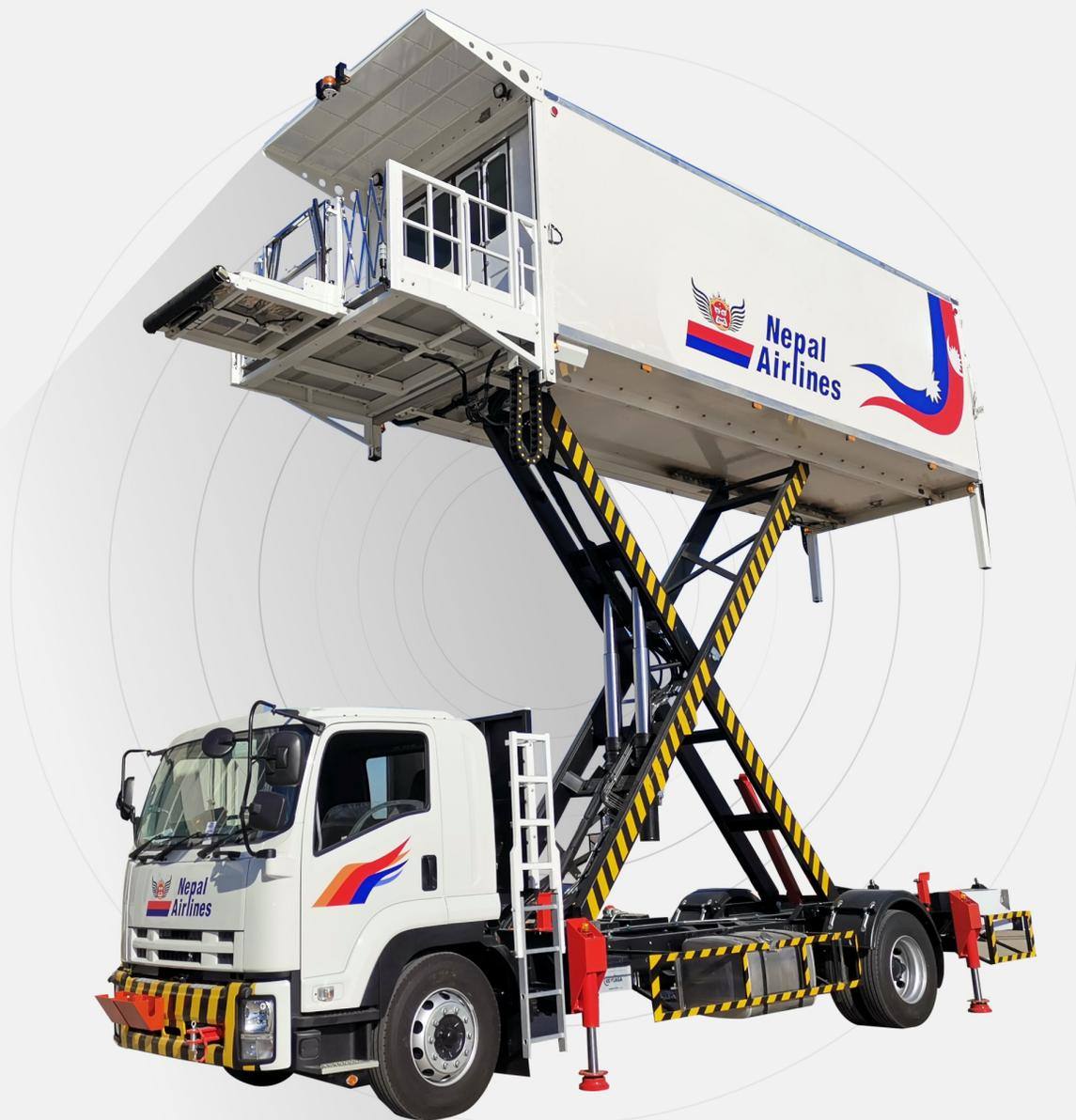
XC-6000e Type Aviation Catering Truck (Fuel Type)
Shenzhen CIMC-TianDa Airport Support Ltd.

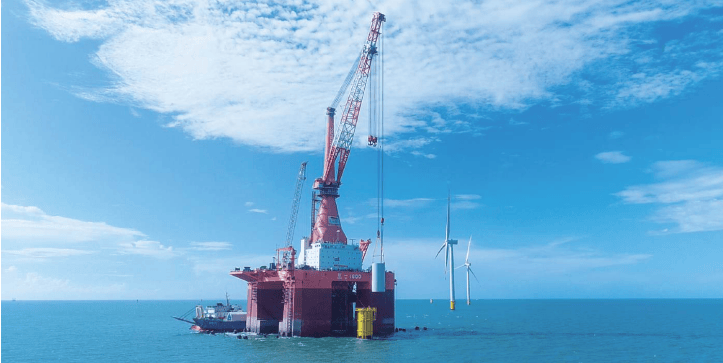
"Shunyi 1600" Deep-submerging Bottom-sitting Multi-functional Wind Power Engineering Vessel
Zhengli Offshore Engineering Co., Ltd.
ERW Welded Pipe (Black Pipe and Hot-dip Galvanized Steel Pipe)
Handan Zhengda Steel Pipe Co., Ltd.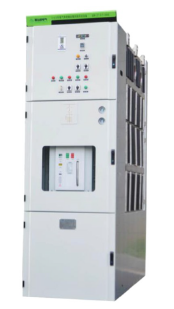
GSR6-27.5kV SF6 Free Gas-insulated Metal-enclosed Switchgear
Zhejiang Juhonkia Intelligent Electric Co., Ltd.
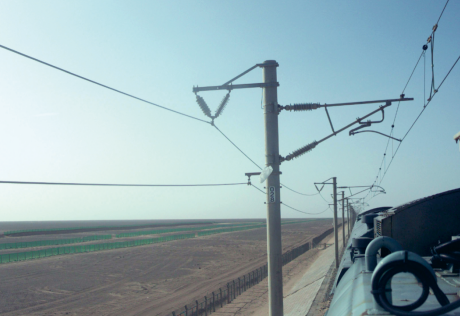
Pantograph-Catenary Comprehensive Detection Device (1C)
CHENGDU TANGYUAN ELECTRIC CO., LTD.